Choosing Between Level 1 and Level 2 Teats
Dr Brown's Options+ Wide-Neck teats are designed to support a natural latch and reduce colic, but picking the right flow level matters for your baby's comfort and feeding efficiency. The Level 1 teat delivers a slow, paced flow, while the Level 2 offers a medium flow for babies whose feeding has developed. This comparison covers the key differences, age suggestions, and compatibility so you can decide which teat fits your baby's current needs.
Quick Facts: Level 1 vs Level 2
-
Dr Brown's Options+ Level 1 Teats: The Level 1 teat is a slow, paced flow, suggested for 0 months+ but baby's preferred flow rate may vary. A slow flow is ideal for newborns or babies who need a gentle, consistent rate to avoid gulping or frustration.
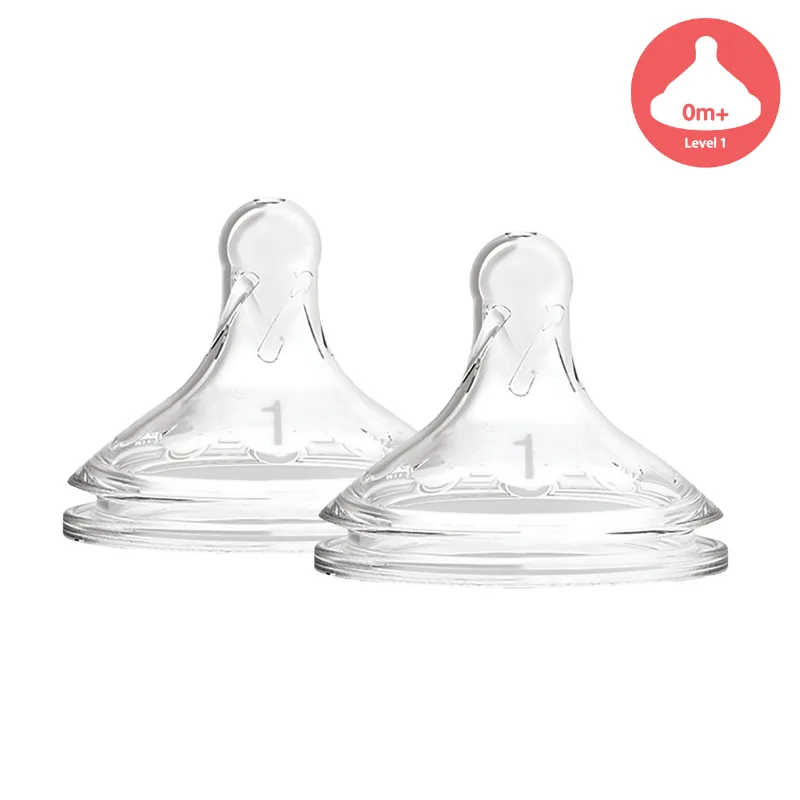
Dr Brown's Options+ Level 1 Teats
-
Dr Brown's Options+ Level 2 Teats: The Level 2 teat is a medium-flow teat, suggested for 3 months+ but baby's preferred flow rate may vary. A medium flow suits babies who have developed stronger sucking and can handle a faster rate without leaking or choking.
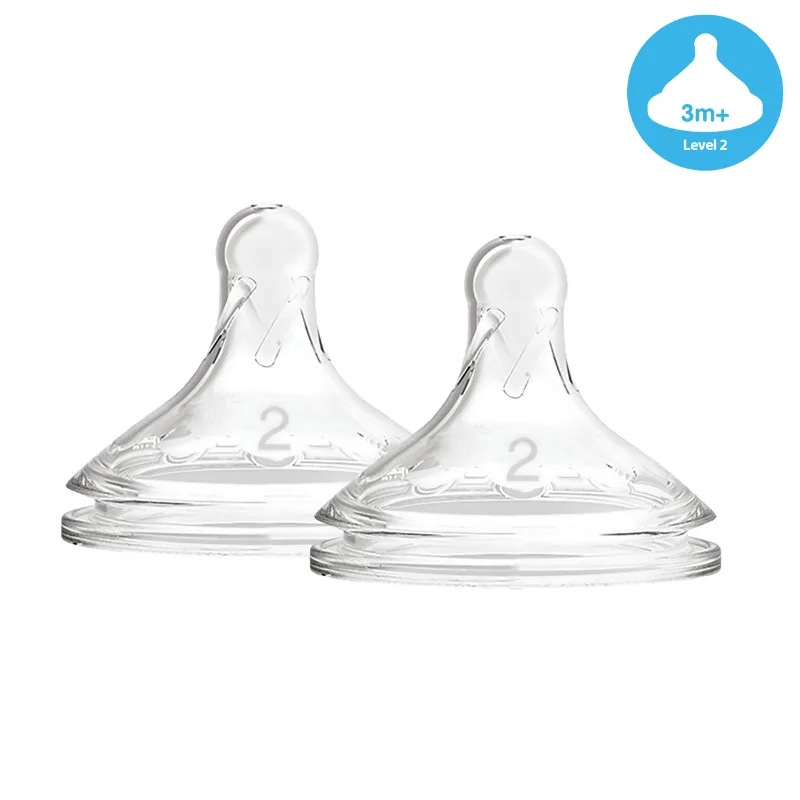
Dr Brown's Options+ Level 2 Teats
Key Differences Between Level 1 and Level 2
- Flow Rate: Level 1 provides a slow, paced flow. Level 2 provides a medium flow.
- Suggested Age Range: Level 1 is suggested from 0 months+, Level 2 from 3 months+. However, each baby's preferred flow rate may vary, so observe your baby's cues.
- Design and Material: Both teats share the same contoured breast-like shape made from high-grade, soft silicone, designed to encourage a proper latch and avoid nipple confusion.
- Compatibility: Both teats fit only Dr Brown's Options+ Wide-Neck bottles. They are not compatible with older Dr Brown's bottles.
- Anti-Colic Feature: Both teats work with the internal vent system to reduce colic, burping, and wind. You can also remove the vent for a more traditional feeding experience.
How to Know When to Move Up a Level
While the age suggestions (0+ and 3+) are a helpful starting point, your baby's feeding behavior is the best guide. Signs that a slower flow may still be appropriate include coughing, gulping, or milk leaking from the mouth. If your baby seems frustrated, takes longer to finish a bottle, or starts chewing the teat, a medium flow like Level 2 might be a better match. Always supervise feeding and adjust based on your baby's comfort.
Care and Safety Notes
- Dr Brown's Options+ Level 1 Teats: The Level 1 teat is dishwasher (top rack) and steriliser safe, and BPA free. Easy cleaning and safety compliance give peace of mind for daily use.
- Dr Brown's Options+ Level 2 Teats: The Level 2 teat is dishwasher (top rack) and steriliser safe, and BPA free. Same care instructions as Level 1, so you can handle both teats the same way.
Making Your Choice
For a newborn or baby just starting bottle feeding, the Level 1 slow flow is a safe starting point. As your baby grows and develops stronger sucking, the Level 2 medium flow can help keep feeding efficient and enjoyable. Both teats share the same latch-friendly shape and anti-colic benefits, so the decision really comes down to flow preference. If you're unsure, you can try both and see which one your baby handles best.