Two visual effects, two very different performance demands
Dragon Fly and Stomp both aim for a visual moment, but they get there in opposite ways. Dragon Fly is a swivel clip and hand-to-hand transfer that creator Ollie Mealing developed into a control. Stomp is a signed-card revelation performed with your feet, with the deck spread on the ground. One lives in your hands; the other depends on your shoes and your floor.
That difference should drive your choice. If you want a close-up control you can practice at a table, Dragon Fly is the natural fit. If you want a stage or parlor moment where the method itself becomes the spectacle, Stomp gives you a repeatable premise. Neither is a better trick in the abstract; they solve different problems.
What Dragon Fly actually gives you
-
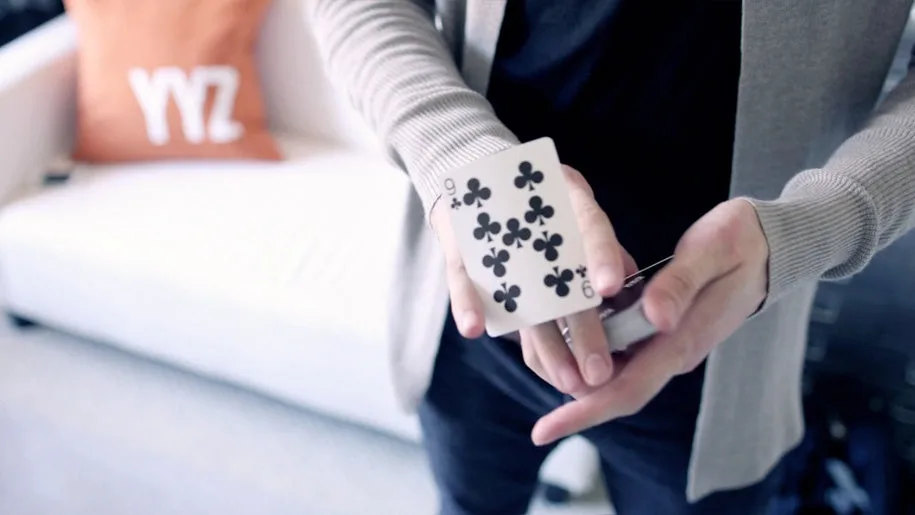
Dragon Fly: Dragon Fly is described as a fun little swivel clip and hand-to-hand transfer that was developed into a control. This tells you the effect is a handling piece, not a full routine, so you should expect to build your own presentation around it.
Dragon Fly
-
Dragon Fly: The method resembles something Dan and Dave Buck released in their 2011 If an Octopus Could Palm, and Dan Buck noted a similar technique in a routine called Seduction from their 2010 lecture notes. If you already know that lineage, you can judge whether Dragon Fly adds a usable variation or repeats material you own.
-
Dragon Fly: The catalog text frames Dragon Fly as a thank-you release for Ellusionist Black Club members at no cost. That origin explains why the supplied description is brief. Do not expect a long treatise; treat it as a compact idea to learn and extend.
What Stomp actually demands
-
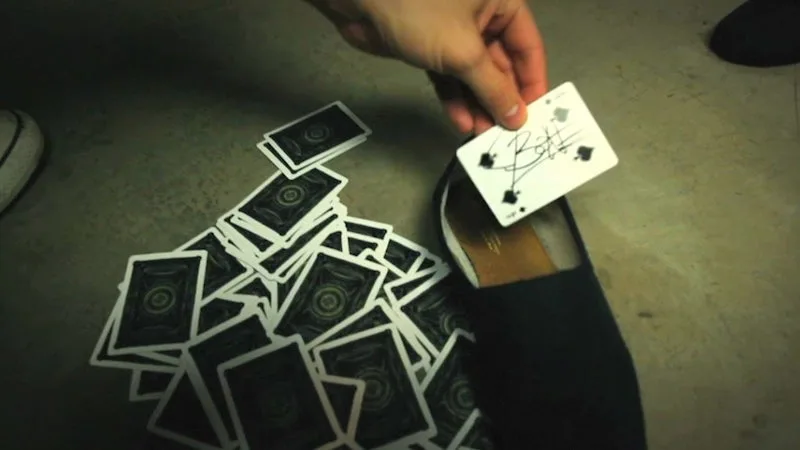
Stomp: Stomp uses a signed, freely chosen card that is lost in the deck, then the deck is spread on the ground and the performer runs a foot over the cards before slamming down on the selection. The premise is physical and theatrical. You need floor space and an audience positioned to see the spread.
Stomp
-
Stomp: The catalog says Stomp is totally impromptu if you wear shoes, and the spectator can remove the card themselves to confirm the signed selection. That makes it a strong walk-around or casual option, provided you are willing to work on the floor and manage the shoe reveal.
-
Stomp: The supplied material lists tried-and-true performance advice, troubleshooting for all contingencies, and real-world live performances. Stomp comes with more performance support than Dragon Fly, which matters if you want guidance rather than a bare method.
Side-by-side: which one fits your situation
- Performance position: Dragon Fly is a hand-to-hand control you can do seated or standing at a table. Stomp requires the deck on the ground and a foot-based reveal, so it suits a more open performance area.
- Prop dependency: Dragon Fly centers on a swivel clip and a transfer. Stomp centers on a signed card and your shoes; the catalog says it is impromptu if you wear shoes.
- Learning support: Stomp explicitly includes performance advice and troubleshooting. Dragon Fly's supplied description is a short conceptual note, so plan to experiment and fill in the handling yourself.
- Audience view: Dragon Fly is a close-up visual moment. Stomp is built around a larger physical action and a slow shoe removal, which reads better with spectators who can see the floor spread.
What the supplied information does not settle
Neither product record includes a listed age range, component list, or formal warnings. That is a limitation of the supplied evidence, not a statement that the products lack those details. If age suitability or included parts matter to your purchase, check the product page or ask the store directly before buying.
Dragon Fly's record also does not include step-by-step operating instructions, and Stomp's record includes only a fragment of preparation guidance. Treat both as effects you will need to learn from the supplied teaching material rather than from this comparison alone. The honest takeaway is that the catalog descriptions tell you what each effect is and roughly how it plays, but not everything you need to perform it.
How to decide before you buy
- Choose Dragon Fly if: you want a compact, hands-on control to develop and fit into close-up work, and you are comfortable experimenting with a short conceptual description rather than following a full routine.
- Choose Stomp if: you perform in spaces with floor room, you like the idea of a signed-card reveal that ends with the spectator removing the card themselves, and you want performance advice and troubleshooting included.
- Buy both if: you want one table effect and one floor effect for different rooms. They do not overlap in handling, so owning both is a programming decision rather than a redundant purchase.