Start With What Dragons Blood Actually Is
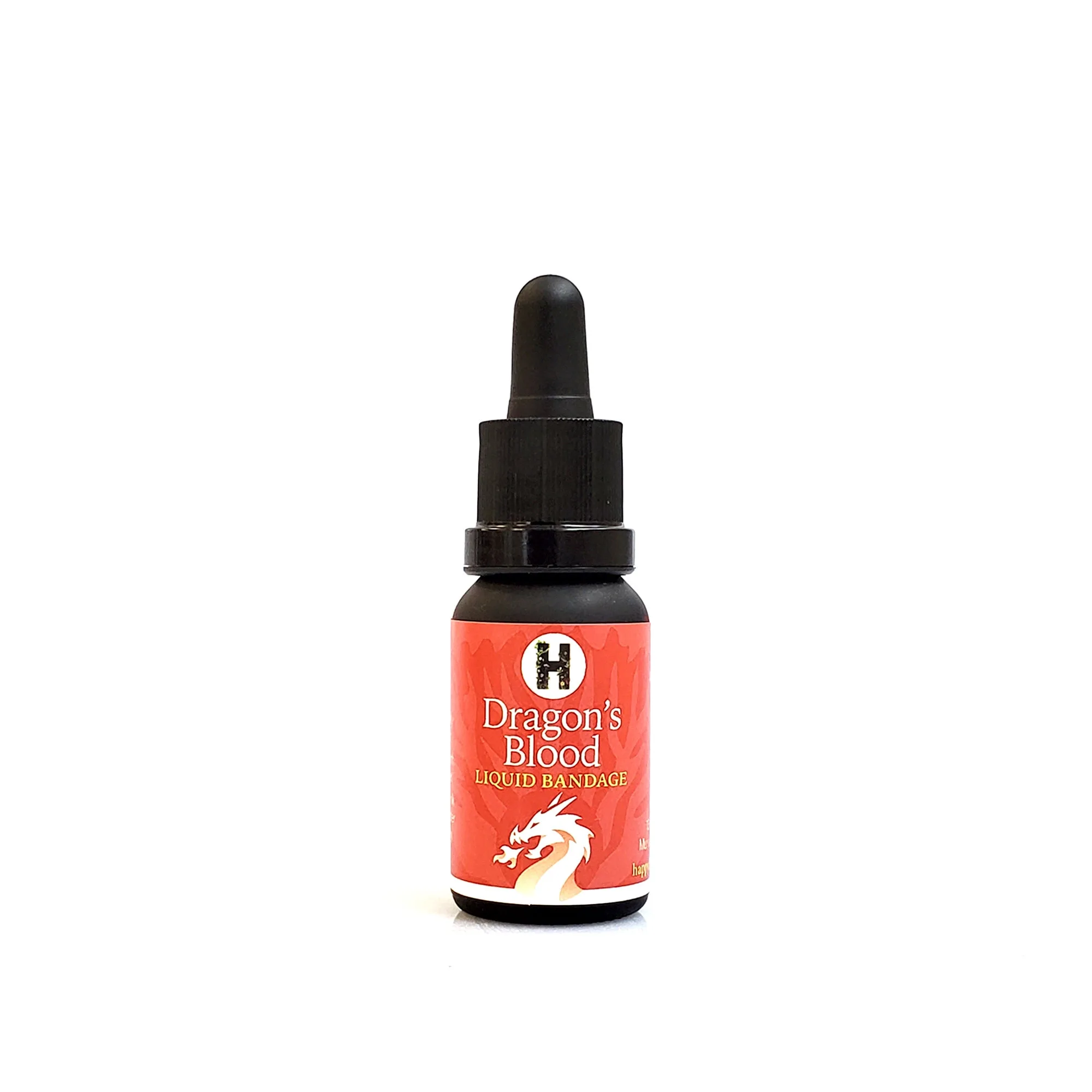
Dragons Blood is described in the catalog as a deep red, resinous herb long valued across indigenous traditions for its protective and sealing qualities. It is often called nature's liquid bandage, and the catalog positions it as a natural first response for the skin.
The supplied record lists a 15ml size and a character of resinous, earthy, and rich. It pairs well with calendula, frankincense, and myrrh. That is the full extent of the product-specific information provided, so this guide sticks to what is confirmed and avoids inventing application steps, dilution ratios, or timings.
What the Catalog Confirms About Dragons Blood
-
Dragons Blood: Dragon's Blood is described as a deep red, resinous herb for those who want a natural first response for the skin. This tells you the intended use is skin-focused, so you can evaluate whether it fits your own skin care goals.
Dragons Blood
-
Dragons Blood: The catalog notes it is long valued across indigenous traditions for its protective and sealing qualities. This context explains why it is called nature's liquid bandage and helps you decide if a protective, sealing step is what your routine needs.
-
Dragons Blood: The catalog also mentions a quiet regard for its affinity with gut health and seasonal sensitivities. This is background information, not a confirmed internal-use instruction; keep the focus on skin use unless you have professional guidance.
-
Dragons Blood: Available size: 15ml. A small bottle lets you try the resin without committing to a large quantity.
How to Fit Dragons Blood Into a Skin Care Routine
Because the supplied record does not include preparation or operating instructions, there is no confirmed step-by-step method to reproduce here. What you can do is treat Dragons Blood as a targeted addition to an existing routine rather than a replacement for it.
A sensible approach is to keep your usual cleanse and moisturize steps, then decide where a protective, sealing herb would be most useful for you. The catalog's description of sealing qualities suggests it may suit a final protective layer, but confirm the specific application method on the product label or with the manufacturer before you apply it.
Patch testing is a reasonable precaution for any new resinous product, especially if your skin is sensitive. The catalog does not provide a patch-test protocol, so follow general good practice: apply a small amount to a small area first and observe how your skin responds.
A Conservative Way to Try Dragons Blood
These steps are built around the catalog's description and general skin care caution, not a manufacturer protocol. Adjust or stop if anything feels wrong.
- Read the label first: The supplied record does not include application instructions, so the label is your primary source for how to use this specific 15ml product.
- Patch test on a small area: Resins can be rich; test on a small patch of skin before broader use, and wait to see how your skin responds.
- Apply to clean, dry skin as directed: If the label confirms topical use, apply a small amount where you want a protective, sealing step. Do not invent a dilution or frequency.
- Keep the rest of your routine simple: Introduce one new product at a time so you can tell what works for your skin.
- Store the bottle sensibly: The catalog does not specify storage conditions; follow the label and keep the bottle closed and away from direct heat or light.
Pairings That Make Sense With the Catalog
The catalog lists calendula, frankincense, and myrrh as companions for Dragons Blood. That gives you a grounded starting point if you want to build a resin-inspired skin care shelf.
Calendula is a familiar skin-friendly herb, while frankincense and myrrh are classic resins with long histories in skin and ceremonial preparations. The catalog does not confirm how to combine them or in what ratios, so treat the pairing as a direction rather than a recipe. If you already use products with these herbs, Dragons Blood may fit alongside them.
What the Catalog Does Not Confirm
The supplied record does not include critical care, safety, or compatibility evidence, nor does it list specifications beyond the 15ml size. It also does not provide preparation or operating instructions. That means you should not assume this product is suitable for internal use, for broken skin, or for use during pregnancy without checking with a qualified professional.
If you have a skin condition, are pregnant or nursing, or take medication, consult a health care provider before adding a new herbal product. The catalog's mention of gut health and seasonal sensitivities is descriptive, not a treatment claim, and it should not replace professional advice.
A Realistic Place for Dragons Blood in Your Beauty Shelf
Dragons Blood is best approached as a small, targeted addition for skin resilience and protective presence, not an all-purpose cure. The 15ml size is practical for trying it, and the resinous, earthy character makes it a distinctive step if you enjoy botanical skin care.
Use it only as far as the label and your own skin tolerance allow, and keep expectations grounded in the catalog's language: a natural first response for the skin, valued for sealing qualities. That is a modest but useful role in a routine.