Quick answer
Yes, most indoor plants need a way for excess water to escape, and a drainage hole is the simplest, most reliable way to provide it. A no-drainage pot can work only if you treat it as a cachepot and keep the plant in a separate inner pot, or if you water with extreme precision. For most people, choosing a planter with a built-in tray and drainage hole removes the guesswork entirely.
If you have ever watched water pool on top of a pot and wondered whether it will drain, you are not alone. The drainage hole debate is one of the most common sources of confusion in indoor gardening, and it is surrounded by myths that range from harmless to genuinely risky for your plants.
This guide separates the myths from the practical facts. We will look at what actually happens inside a pot with no drainage, why root rot prevention depends on more than just a hole, and how to handle planters that do not have one. We will also point to real planters in our collection that solve the problem by design.
Myth: You can just add a layer of stones and skip the drainage hole
This is one of the most persistent pieces of gardening advice, and it does not hold up. A layer of gravel or stones at the bottom of a sealed pot does not create drainage. Water still has nowhere to go, so it collects in the gravel layer and the soil above it stays saturated. The perched water table actually sits closer to your plant's roots than it would in a pot with a proper hole.
The only reliable way to let excess water escape is an opening in the bottom of the pot. If your planter has no hole, the honest answer is that it is a decorative vessel, not a growing container. Use it as a cachepot with a smaller nursery pot inside, and empty the cachepot after watering. Alternatively, choose a planter that is designed with drainage from the start.
- Gravel in a sealed pot does not create drainage; it raises the saturated zone closer to the roots.
- If a decorative pot has no hole, treat it as a cover pot and never plant directly into it.
What actually happens in a no drainage pot
When you water a plant in a pot with no drainage, the water has only two places to go: into the soil or out through the top. The soil can only hold so much. Once it is saturated, the excess sits at the bottom of the pot, surrounding the lower roots in a waterlogged environment. Roots need oxygen to function, and prolonged saturation deprives them of it.
This is the mechanism behind root rot. It is not a disease that appears out of nowhere; it is the result of roots sitting in stagnant, oxygen-poor water. By the time you notice yellowing leaves or a soft stem, the damage is often well advanced. A drainage hole gives excess water an exit, which keeps the soil moist rather than soggy and gives roots the air they need.
- Root rot is a symptom of prolonged saturation, not an inevitable outcome of one overwatering.
- A drainage hole does not prevent overwatering, but it gives you a safety margin.
Myth: A drainage hole means you can water as much as you like
A drainage hole is not a licence to drown your plant. It lets excess water escape, but it does not stop the soil from staying wet for too long if you water too frequently. The hole buys you forgiveness, not immunity. You still need to match watering to the plant, the pot size, and the light and temperature in the room.
The practical approach is to water until a little runs out of the bottom, then stop and empty any tray or saucer after a few minutes. If the pot sits in a deep tray that stays full, the drainage hole is effectively blocked by standing water. Emptying the tray is the step most people skip, and it is the one that keeps the hole doing its job.
- Water until slight runoff appears, then empty the tray or saucer.
- Never let a pot stand in a full tray of water for more than a few minutes.
Drainage hole alternatives that genuinely work
If you already own a no-drainage pot you love, you have a few workable options. The simplest is the cachepot method: keep the plant in a nursery pot with drainage holes and drop it inside the decorative pot. Lift the inner pot out to water, let it drain, and return it. This works for almost any sealed vessel and protects furniture at the same time.
A second option is to drill a hole if the material allows it. This is realistic for some materials and risky for others, and it can crack the pot or void its finish. A third option is to use the sealed pot for something that does not need drainage, such as a tray, a trivet, or a decorative vessel. Matching the container to the job is often easier than modifying it.
- Cachepot method: inner nursery pot with holes, outer decorative pot without.
- Drilling can work but carries a real risk of cracking, especially on glazed or resin finishes.
- If a pot cannot drain, use it for non-plant purposes instead of forcing it.
How to choose a planter that handles drainage for you
The easiest way to avoid the whole problem is to buy planters that are designed with drainage built in. Look for a pot with a hole in the base and a tray that is either integrated or included. That combination lets you plant directly into the planter, water normally, and know that excess water has somewhere to go.
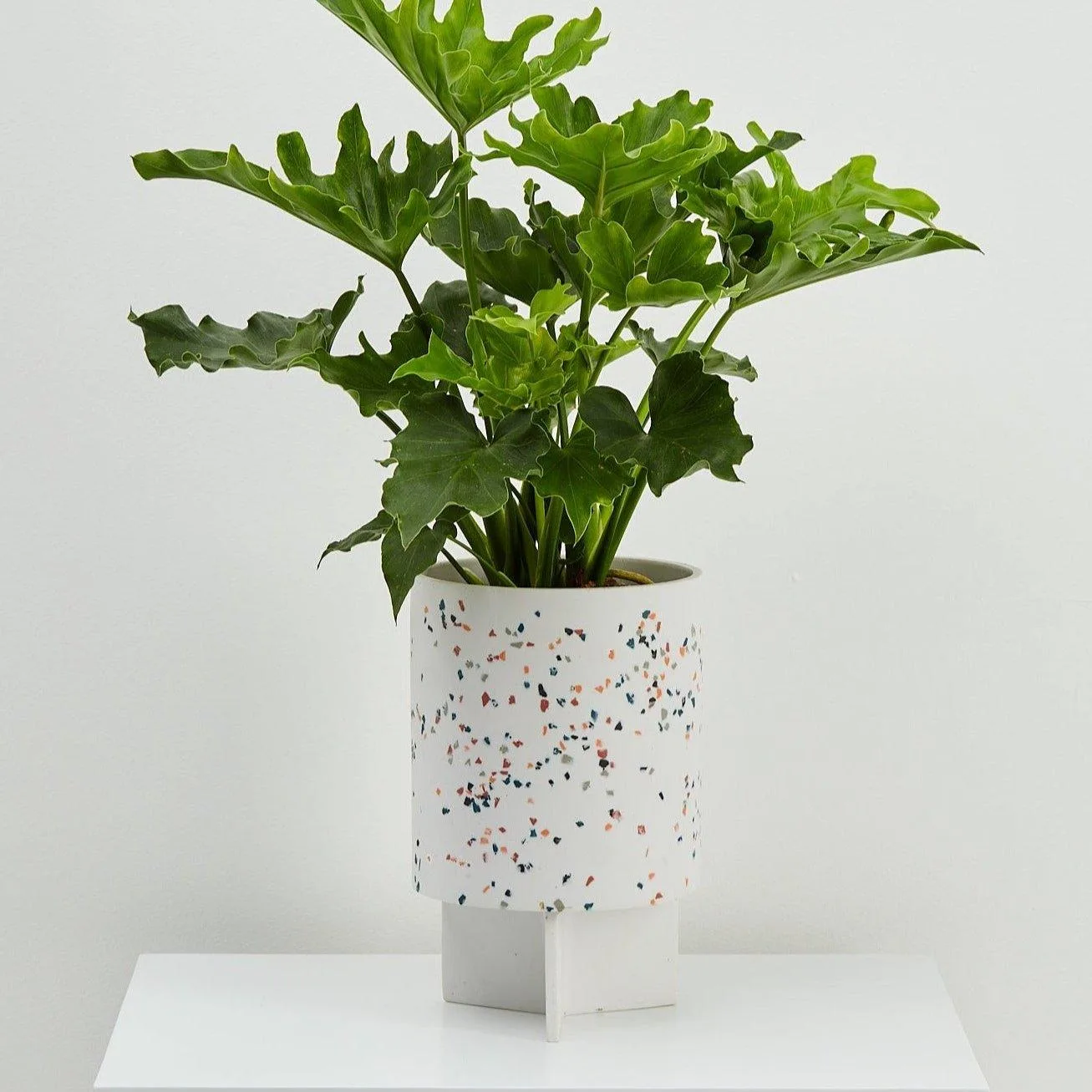
Some designs go further and make the tray a feature rather than an afterthought. A tray that doubles as a plinth, for example, keeps the pot lifted and gives runoff a place to collect without looking like a utilitarian saucer. When the drainage system is part of the design, you are less likely to improvise a risky workaround later.
- Prioritise planters with a built-in tray and a drainage hole.
- Check that the tray is easy to empty, or that the pot lifts out of it.
- If you are unsure, ask whether the planter is designed for direct planting or as a cover pot.
Drainage myths: verdicts
- Myth: Gravel at the bottom replaces a drainage hole: A gravel layer in a sealed pot does not create drainage. Water collects above the gravel and keeps the lower soil saturated, which is worse for roots than a pot with a hole. Verdict: false. Use a pot with a hole or a cachepot system instead.
- Myth: A drainage hole means you cannot overwater: A hole lets excess water escape, but soil can still stay too wet if you water too often. Empty the tray after watering and let the top layer of soil dry as appropriate for the plant. Verdict: misleading. The hole helps, but watering habits still matter.
- Myth: You can always drill a hole in any pot: Drilling can work on some materials, but it can also crack the pot or damage the finish. If you are unsure, use the pot as a cachepot or for non-plant purposes. Verdict: risky. Only drill if you accept the chance of breakage.
- Myth: No-drainage pots are useless for plants: They can work as cachepots. Keep the plant in a nursery pot with drainage, lift it out to water, and return it once it has stopped dripping. Verdict: workable with the right method. Never plant directly into a sealed pot.
Planters with drainage built in
- Tri Planter: This terrazzo planter is unique for its eye-catching water tray which doubles as a plinth. It is available in 2 Terrazzo colours, designed in Australia and hand-made from resin. The tray is part of the design, so runoff has a dedicated place to collect and the pot stays lifted rather than sitting in water.
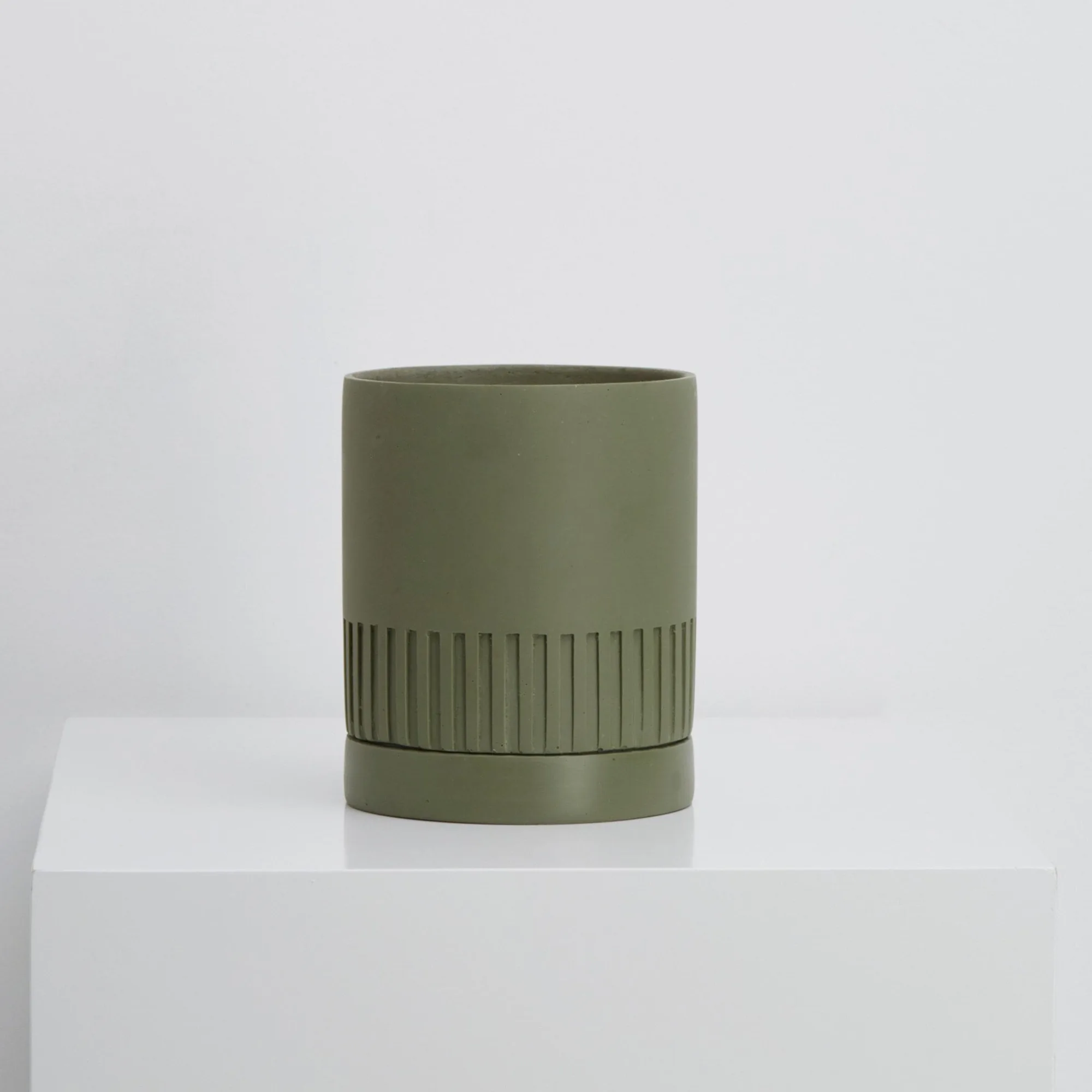
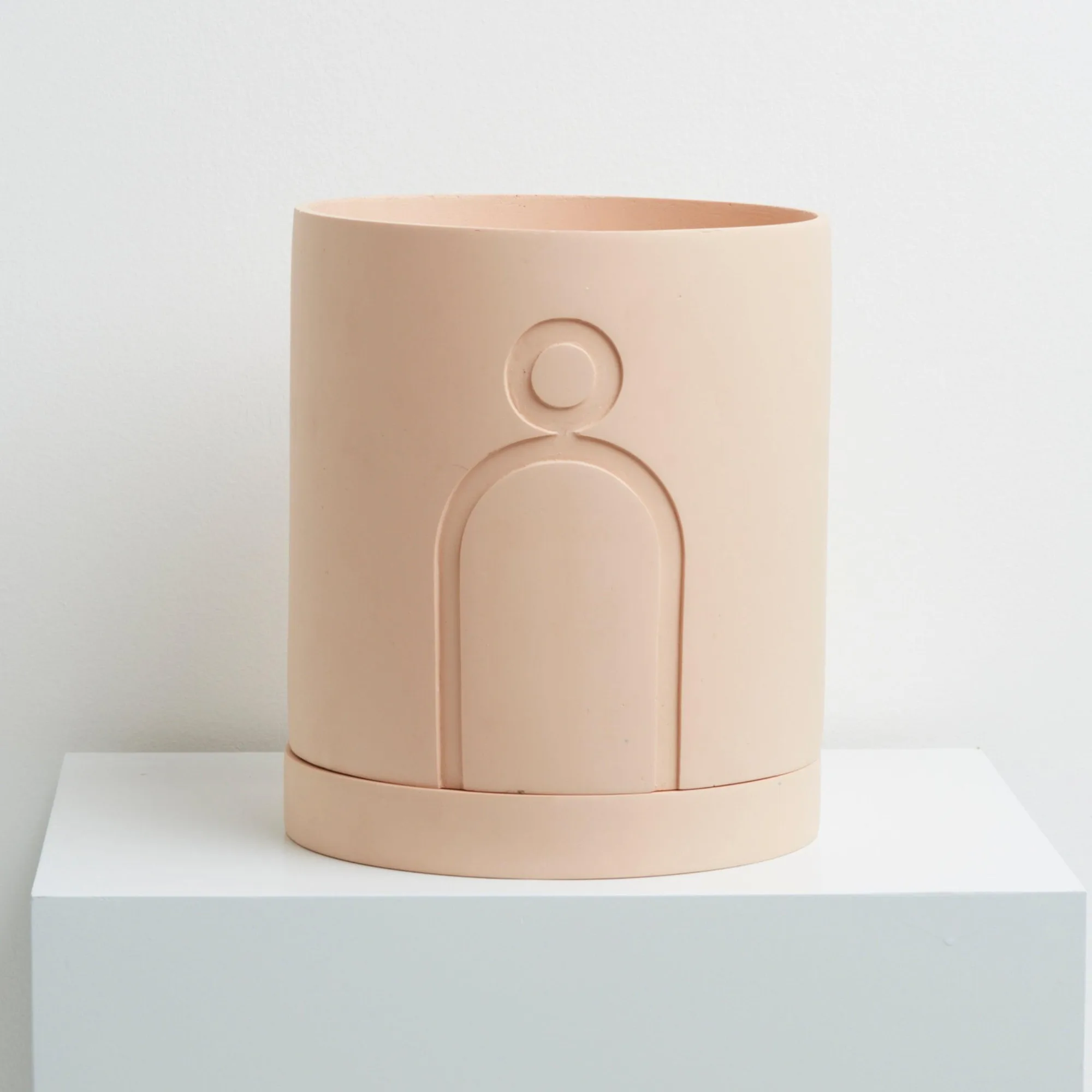
- Frill Feature Planter: As with all our pot plants it comes with a built-in tray, so that you can plant directly into the planter. A built-in tray means you can pot directly into the planter instead of using a separate saucer, which simplifies watering and protects surfaces.
- Large Etch Pot: Each pot is designed with a tray so that you can pot directly into the planter and know that your plant is still experiencing proper drainage. For larger indoor plants, a tray designed into the pot makes proper drainage practical without adding a bulky separate saucer.
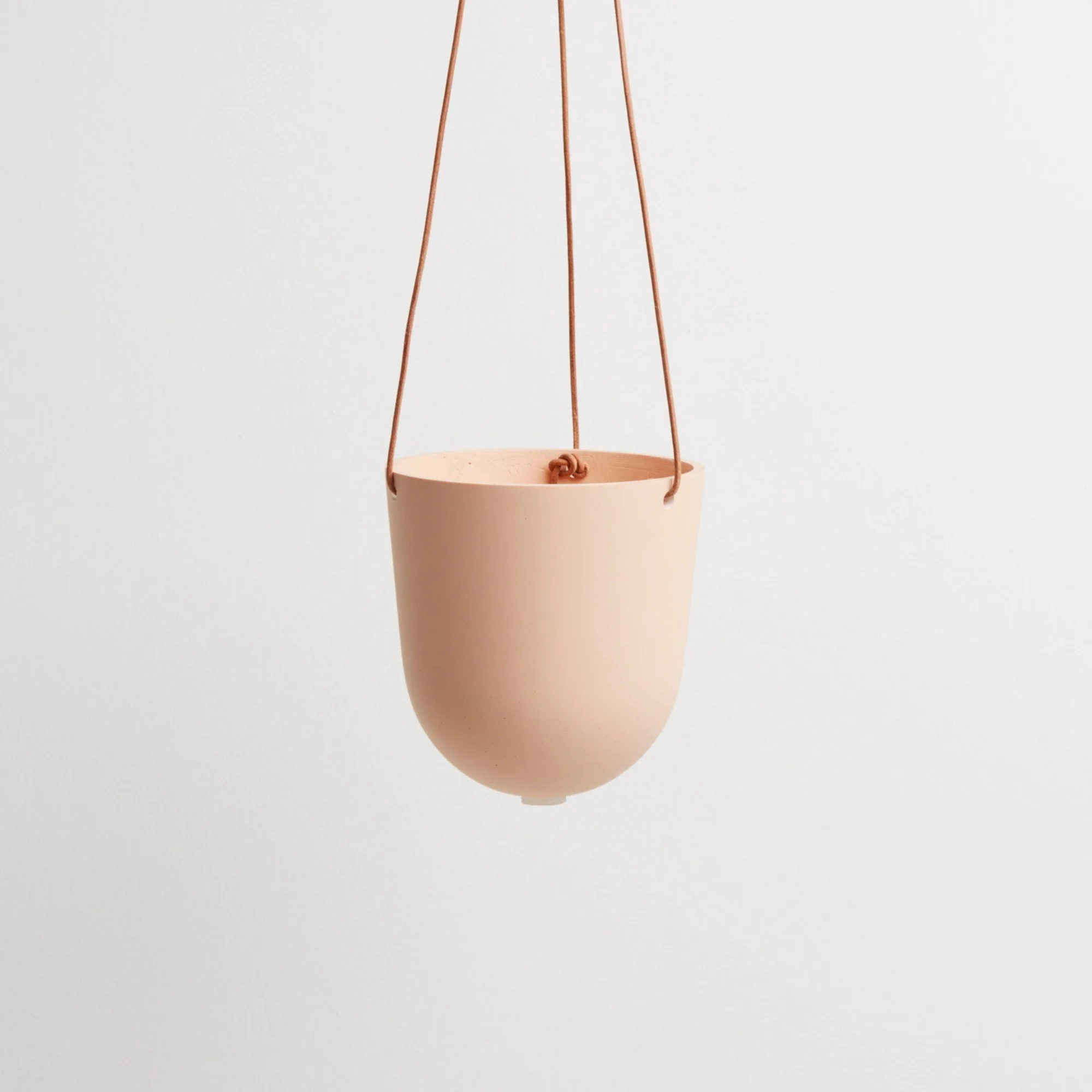
- Block Colour Hanging Pot: Each planter is thoughtfully designed with a hole in the bottom to facilitate proper drainage, ensuring optimal conditions for your plants to thrive. For added convenience, a plug is included. The included plug lets you control drainage, which is useful for hanging pots where runoff could drip onto floors or furniture.
Drainage is not a luxury or a nice-to-have; it is the difference between a planter that supports healthy roots and one that quietly works against them. Choose pots with a built-in tray and hole where you can, use the cachepot method where you cannot, and skip the gravel myth entirely. Your plants will thank you for the simpler, more reliable setup.