Scooping ice cream should be a pleasure, not a workout. Yet anyone who has wrestled with a rock-hard pint knows the struggle: a flimsy handle that digs into your palm, a blade that bends, and a wrist that aches before the first bowl is served. The tool you choose makes all the difference, and the debate between ergonomic design and traditional handles is more than just a matter of shape—it affects your comfort, control, and even the texture of the ice cream.
In this comparison, we put The Dream Scoop head-to-head with classic scoop handles to see which delivers true ice cream scoop comfort. We’ll look at grip, leverage, blade efficiency, and real-world usability so you can decide which style belongs in your drawer.
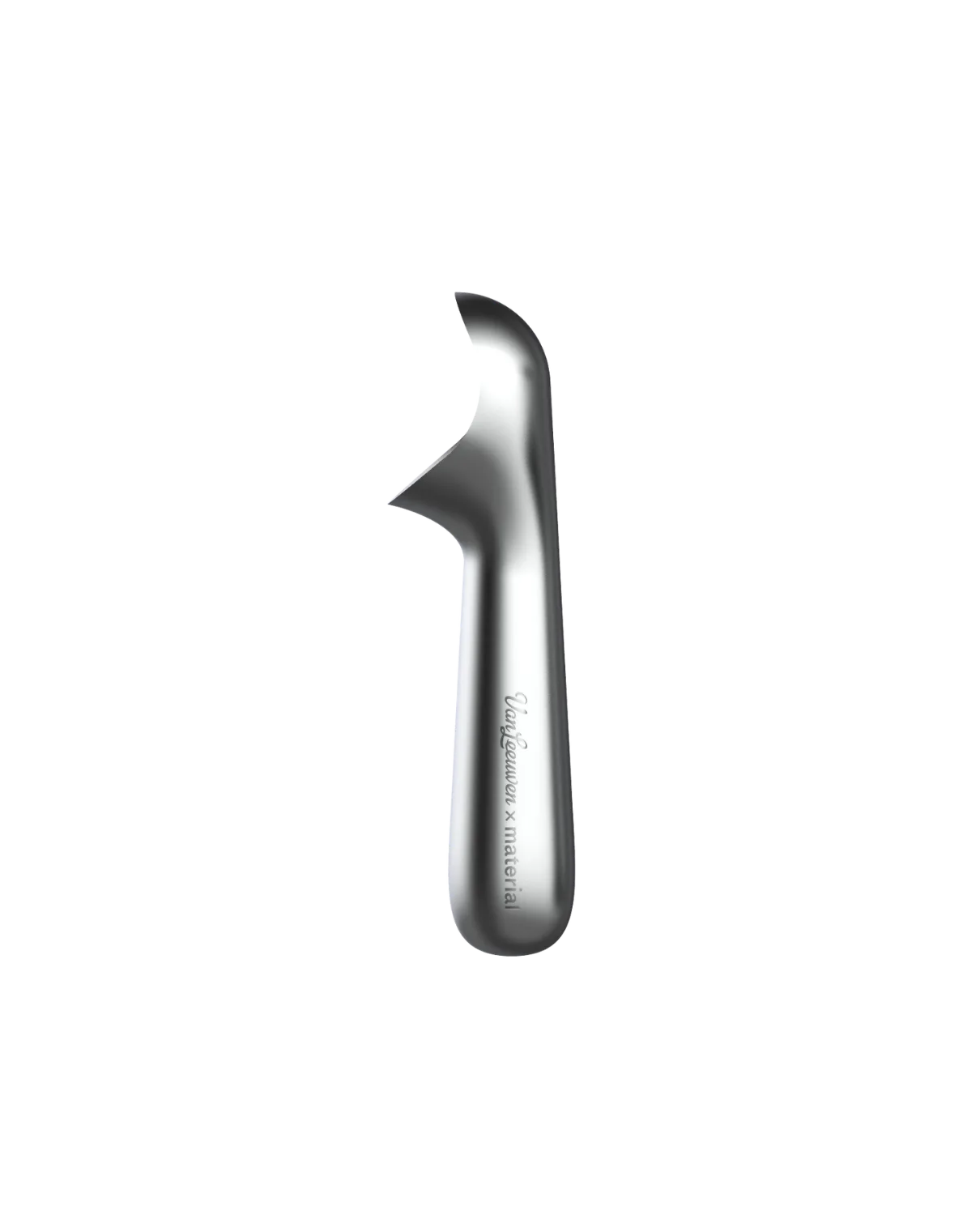
The Dream Scoop
What Makes a Scoop Handle Ergonomic?
An ergonomic scoop handle is designed to reduce strain on your hand, wrist, and forearm during repetitive motion. Unlike traditional straight handles, ergonomic models often feature a contoured grip that follows the natural curve of your palm, a wider surface area to distribute pressure, and a slight angle that keeps your wrist in a neutral position. The Dream Scoop exemplifies this approach with its rounded, soft-touch handle that fills the hand comfortably and a clever offset head that lets you scoop without bending your wrist awkwardly.
Traditional handles, by contrast, are typically straight, narrow, and made of metal or hard plastic. They rely on your grip strength and wrist torque to cut through frozen ice cream. While they can be effective for soft or slightly tempered ice cream, they often cause discomfort when tackling a straight-from-the-freezer pint. The difference in handle design directly affects how much force you need and how long you can scoop without fatigue.
- Look for a handle that is at least 4 inches long to allow a full palm grip, not just a pinch grip.
Blade Design and Scooping Efficiency
The handle is only half the story; the blade’s shape and material determine how easily it cuts through ice cream. The Dream Scoop uses a thick, cast-aluminum blade with a sharp leading edge and a slight curve that helps the scoop glide through dense ice cream. The blade is also coated with a non-stick finish, which reduces resistance and makes cleaner scoops. Because the blade is integrated into the ergonomic handle at an optimal angle, you can apply leverage from your shoulder and core rather than just your wrist.
Traditional scoops often have a thinner, stamped stainless steel blade that can bend under pressure, especially with hard ice cream. Many classic designs also lack a non-stick coating, so ice cream sticks and requires extra force to release. While some traditional scoops use a spring-loaded mechanism to help with release, those add complexity and can break over time. In terms of pure efficiency, the ergonomic design of The Dream Scoop typically requires less effort per scoop and produces rounder, more consistent portions.
- For hard ice cream, a non-stick coated blade reduces the need to run the scoop under hot water between scoops.
Comfort Over Time: A Side-by-Side Test
To compare ice cream scoop comfort in a practical way, imagine scooping four bowls of ice cream for a family movie night. With a traditional straight-handled scoop, you might notice after the second bowl that your palm feels sore and your wrist starts to ache. By the fourth bowl, you may be switching hands or taking breaks. The narrow handle concentrates pressure into a small area, and the straight angle forces your wrist into extension with each scoop.
Using The Dream Scoop, the experience is noticeably different. The padded, contoured handle fits snugly in your hand, and the offset head lets your wrist stay straight while you scoop. The wider grip distributes force across your palm, and the blade’s efficient cut means fewer strokes. Most users find they can scoop the same amount of ice cream with less fatigue and no hand cramps. This makes the ergonomic design a clear winner for anyone who serves ice cream regularly or has hand or wrist issues.
- If you have arthritis or carpal tunnel, an ergonomic scoop like The Dream Scoop can make scooping pain-free.
Which Scoop Should You Choose?
Your choice ultimately depends on your priorities. If you scoop ice cream occasionally and prefer a classic look, a traditional handle scoop can still get the job done—especially if you let the ice cream soften for a few minutes first. However, if you value comfort, efficiency, and the ability to scoop straight from the freezer without a struggle, the ergonomic design of The Dream Scoop is a worthwhile upgrade. It also pairs well with other serving tools like The Sundae Set for a complete dessert presentation.
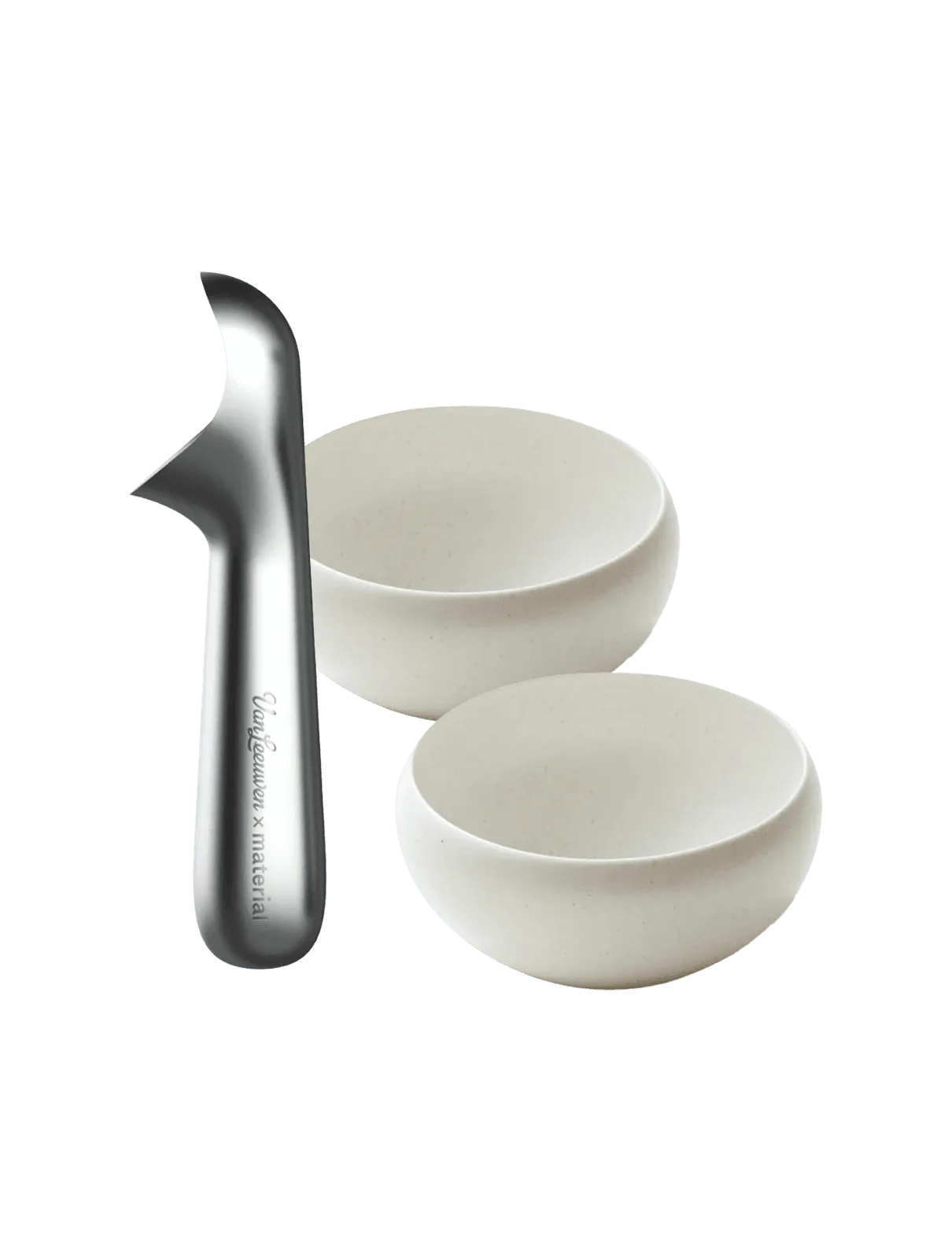
The Sundae Set
Consider also how the scoop feels in your hand before buying. If possible, hold a few models to test the grip. The Dream Scoop’s handle is noticeably thicker and softer than most traditional scoops, which some people love and others may find too bulky. For most, though, the trade-off in bulk is more than compensated by the reduction in hand strain. In the ergonomic comparison, The Dream Scoop clearly leads for daily comfort and long-term usability.
- Pair your ergonomic scoop with a sturdy bowl like The Small Goun Bowl for a stable scooping surface.
When it comes to ice cream scoop comfort, the ergonomic design of The Dream Scoop offers a clear advantage over traditional handles. It reduces hand fatigue, improves leverage, and makes scooping a genuinely pleasant task. For anyone who loves ice cream and wants to enjoy it without the ache, upgrading to an ergonomic scoop is a small change that makes a big difference.