Quick answer
Dried cranberries are tart and lower in natural sugar, making them a smart choice if you're watching your sugar intake or want a tangy flavor. Raisins are sweeter, higher in iron and fiber, and more budget-friendly. Neither is 'better' universally—your choice depends on your taste preferences and nutritional priorities.
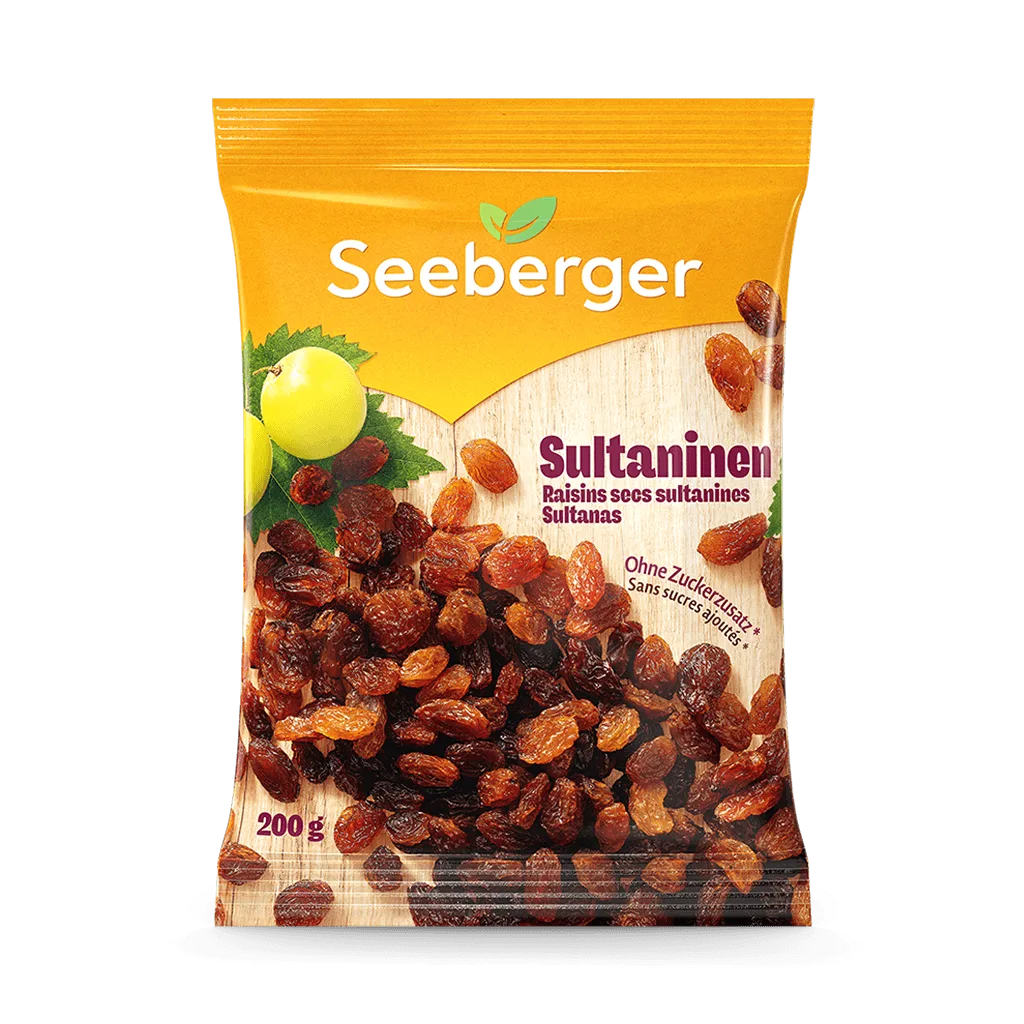
Raisins
When you're craving something sweet and chewy, dried cranberries and raisins are two of the most popular dried fruit snacks. Both are portable, shelf-stable, and versatile, but they differ significantly in taste, nutrition, and best uses. This comparison will help you decide which one deserves a spot in your pantry.
We'll look at their nutritional profiles, flavor, and how they fit into different diets. We'll also highlight some high-quality options from Seeberger, so you can make an informed choice for your next snack.
Nutritional Comparison: Cranberries vs Raisins
Dried cranberries and raisins both provide natural sweetness and fiber, but their nutrient profiles diverge. Raisins are essentially dried grapes, so they retain most of the grape's nutrients, including iron, potassium, and B vitamins. They are also naturally high in sugar—around 60-70% by weight—but they contain no added sugars when unsweetened.
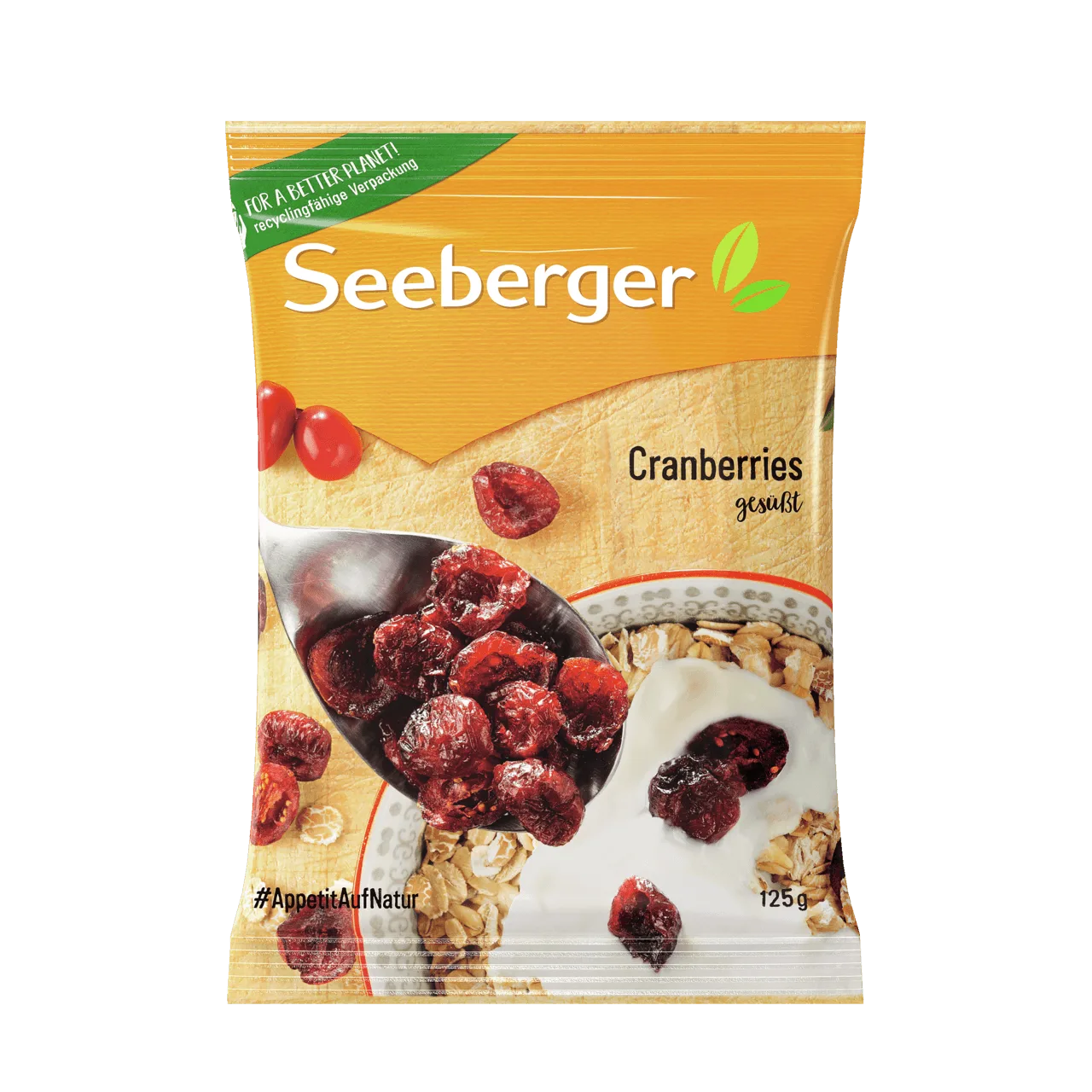
Dried cranberries, on the other hand, are often sweetened with sugar or apple juice to balance their natural tartness. This means they can have comparable or even higher sugar content than raisins, depending on the brand. However, unsweetened dried cranberries are lower in sugar and calories. They also provide antioxidants like proanthocyanidins, which are linked to urinary tract health.
- Check the label for added sugar: unsweetened dried cranberries are a better choice for low-sugar diets.
Taste and Texture: Tart vs Sweet
The most obvious difference is flavor. Raisins are sweet and fruity, with a chewy texture that makes them a natural substitute for candy. They're a favorite in baking, trail mixes, and oatmeal. Dried cranberries are tart and slightly sour, with a firmer bite. They add a pop of color and tang to salads, granola, and savory dishes like roasted vegetables.
If you have a sweet tooth, raisins might satisfy you better. If you prefer a more complex, tangy flavor, cranberries are the way to go. Both are excellent in baked goods, but they impart different taste profiles.
Health Benefits: What Each Brings to the Table
Raisins are known for their iron content, which supports healthy blood, and their fiber aids digestion. They also contain boron, which may benefit bone health. Because they're calorie-dense, portion control is key.
Cranberries are celebrated for their antioxidant content, particularly proanthocyanidins, which may help prevent urinary tract infections. They also offer vitamin C and fiber. However, many commercial dried cranberries are sweetened, so look for unsweetened versions to maximize health benefits.
- For a healthy dried fruit snack, choose unsweetened dried cranberries or natural raisins without added oils or sugars.
Culinary Uses: Where Each Shines
Raisins are a classic addition to oatmeal cookies, cinnamon rolls, and rice pilaf. They also pair well with nuts and seeds in trail mixes. Dried cranberries are fantastic in green salads, quinoa bowls, and as a topping for yogurt or pancakes. Their tartness complements cheese plates and roasted meats.
Both can be used in baking, but remember that cranberries will add a tangy note, while raisins will sweeten the dish. Consider the overall flavor profile you want to achieve.
Trade-Offs at a Glance
- Sweetness: Raisins are naturally sweeter; cranberries are tart unless sweetened. Choose raisins if you prefer a candy-like snack; choose cranberries if you like a tangy bite.
- Nutritional Focus: Raisins offer more iron and potassium; cranberries provide unique antioxidants. Pick raisins for iron, cranberries for antioxidant benefits.
- Sugar Content: Unsweetened cranberries are lower in sugar; sweetened versions can be comparable to raisins. Read labels and opt for unsweetened cranberries if sugar is a concern.
- Culinary Versatility: Raisins work well in baked goods and savory dishes; cranberries add color and tang to salads and snacks. Keep both on hand for different recipes.
Seeberger Dried Fruit Options
- Apricots: Sun-kissed Seeberger apricots come from Turkey and are characterized by their exceptional size. If you're looking for another dried fruit with a chewy texture and sweet-tart flavor, apricots are a great alternative to both cranberries and raisins.
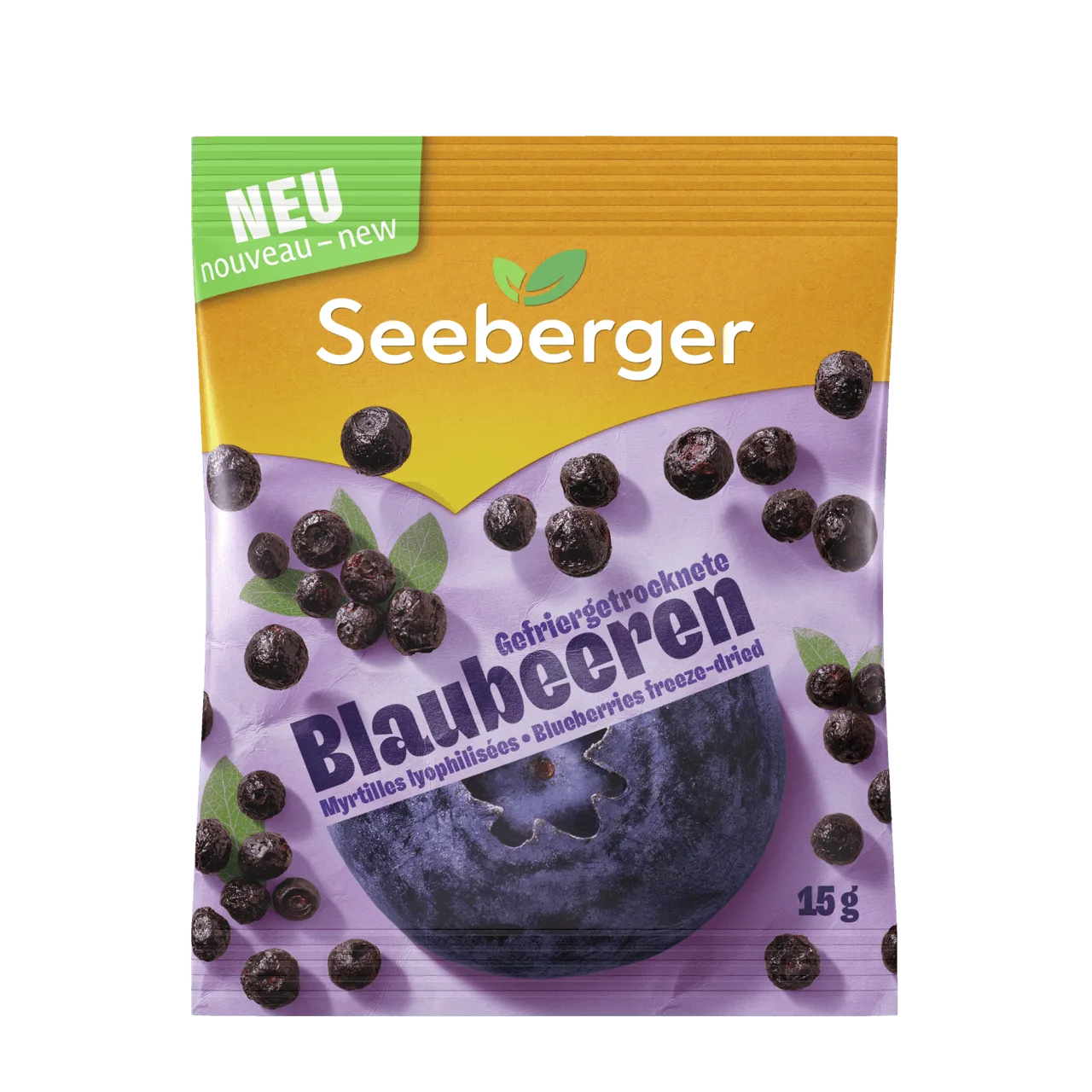
- Freeze-dried blueberries: Blue, wild and straight to the point: these blueberries don't put on a show - they simply deliver. Fruity, powerful, 100% real. For a crunchy, intense berry flavor without added sugar, freeze-dried blueberries are a perfect healthy snack that rivals both cranberries and raisins.
Which Should You Choose?
Best for
- Raisins: those seeking a naturally sweet, budget-friendly snack with iron and fiber.
- Cranberries: those who prefer a tart flavor and want antioxidant benefits, especially for urinary tract health.
Not for
- Raisins: those on a low-sugar diet or who dislike overly sweet snacks.
- Cranberries: those who dislike tartness or are looking for an iron-rich snack.
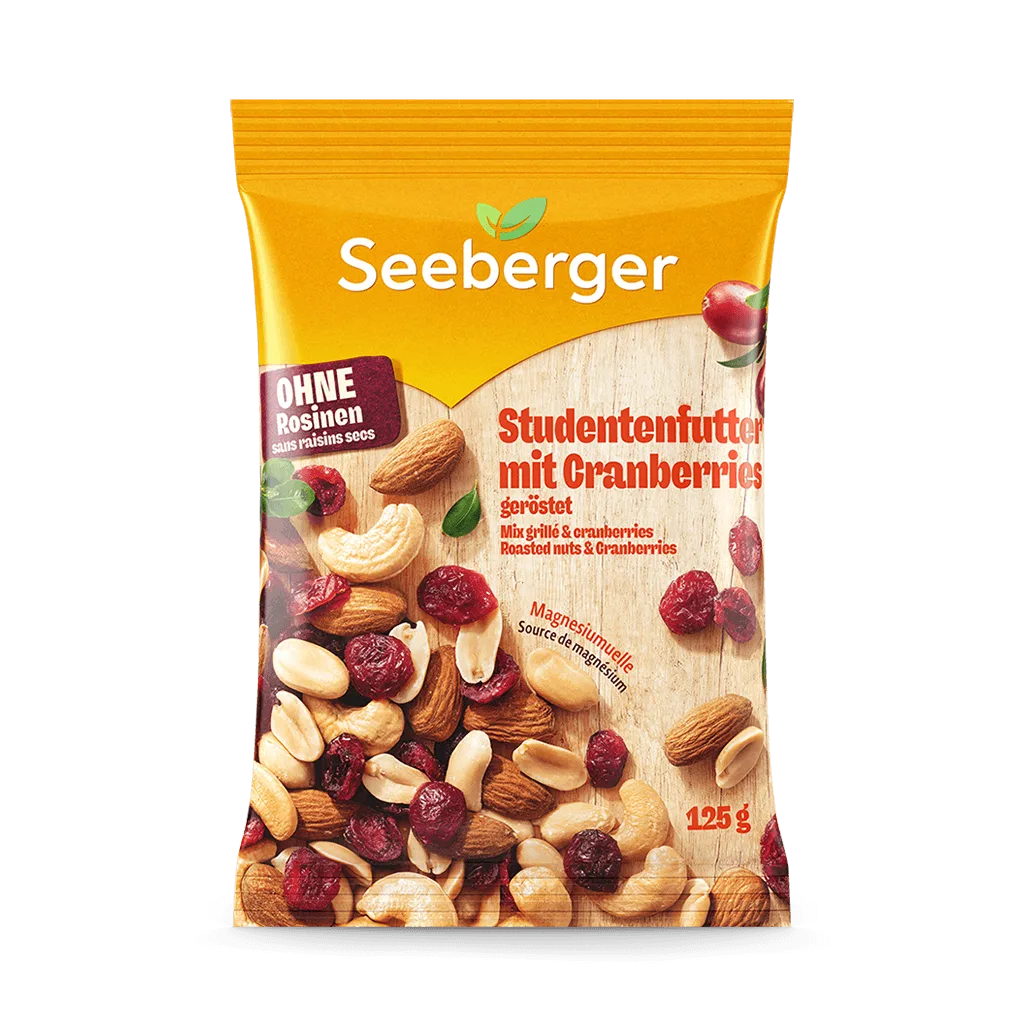
Both dried cranberries and raisins are nutritious, delicious snacks that can fit into a balanced diet. Your choice ultimately comes down to taste and health priorities. If you're looking for a tart, antioxidant-packed option, try Seeberger's freeze-dried blueberries for a crunchy twist. For a classic sweet snack, consider Seeberger's jumbo raisins in their nut mix. Whichever you pick, enjoy the natural goodness of dried fruit.