Quick answer
Buy dried flowers and herbs for tea by checking three things before you commit: color that still resembles the fresh bloom, a scent that releases when you rub a pinch, and petals or leaves that crumble rather than bend. If a jar fails any of those checks, the infusion will taste flat no matter how you brew it. Match the format to how you drink tea — whole blossoms for slow sipping, blends for consistent café-style cups.
What fresh dried flowers and herbs actually look like
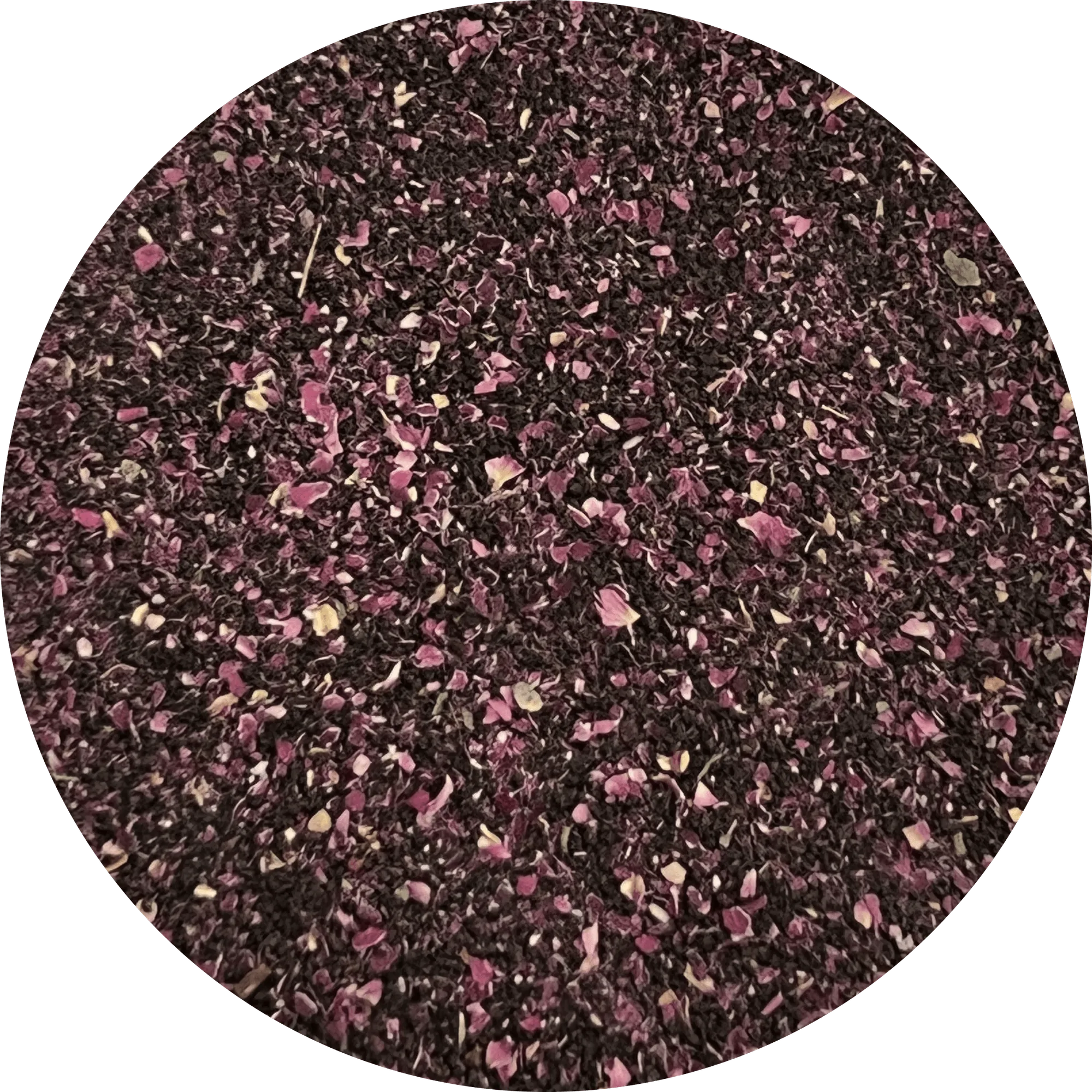
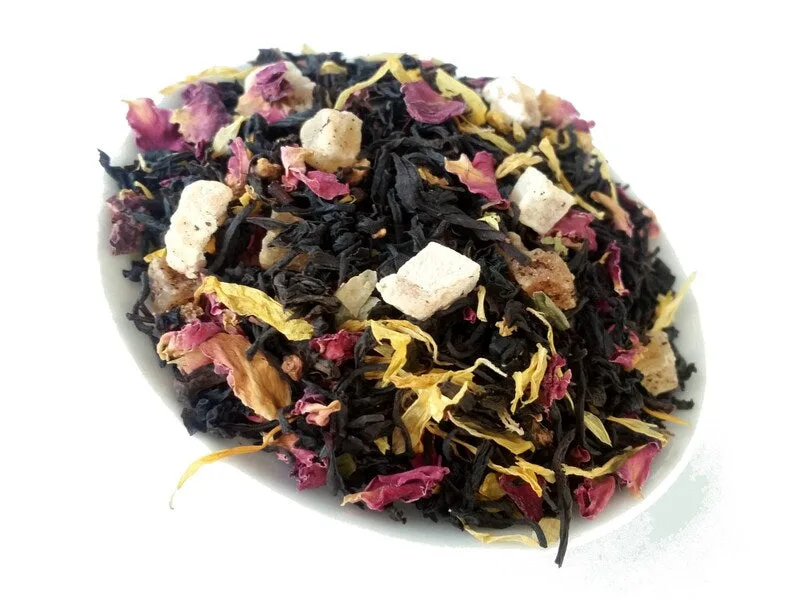
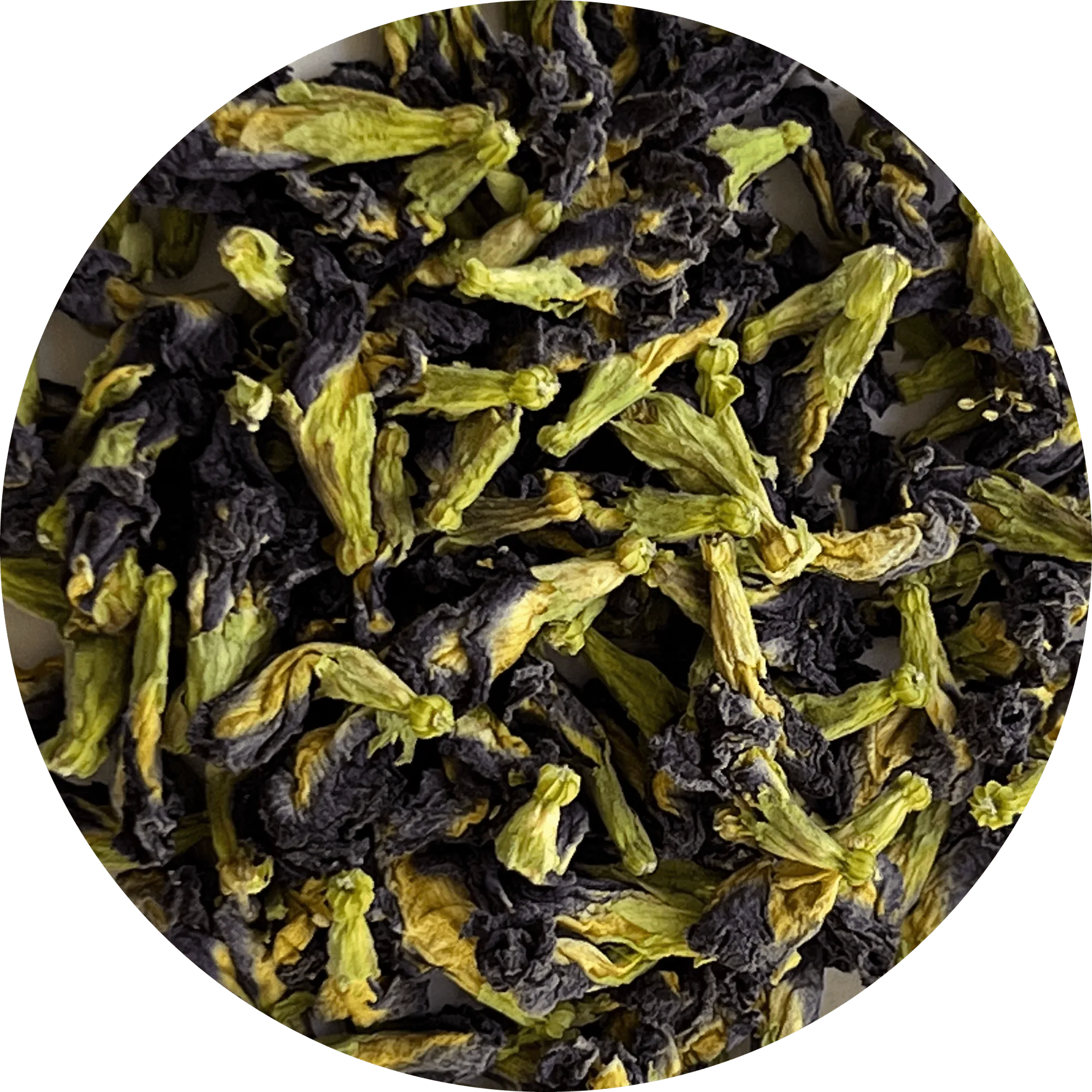
Freshness in dried botanicals is visible. Lavender should hold a soft purple-grey tone, not the dusty brown of old potpourri. Rose petals should still show a pink-rose hue rather than fading to beige. Blue pea flowers should be a deep, saturated blue — the same pigment that turns purple with lemon in a café drink.
Texture tells you almost as much. A properly dried petal snaps or crumbles between your fingers. If it bends like leather or feels damp, it was packed before it was fully dry, and it may turn moldy in your cupboard. If it shatters into powder the moment you touch it, it is likely old and has lost most of its aromatic oils.
- Rub a small pinch between your palms and smell it — a fresh herb releases aroma immediately.
- Look for whole or near-whole petals rather than a jar of dust and stems.
- Check the seal and the packaging date if the label shows one; a tight, opaque container protects aroma far better than a clear jar on a sunny shelf.
Match the dried format to how you brew
The right format depends on your brewing method, not on which flower sounds most appealing. Loose whole blossoms work best when you steep in a teapot or infuser and want the flower to be the star. Finer cuts and blends release flavor faster, which suits mugs, travel tumblers, and milk-based café drinks where you want a consistent cup every time.
If you drink tea with milk or make iced infusions, a blend with real dried petals often performs better than single-flower loose stock because the petals are already proportioned for a balanced cup. If you drink plain hot water infusions and want to taste one ingredient clearly, buy the single flower or herb on its own.
How to read the label without over-trusting it
Labels tell you what a product claims to be, not how it was stored. Look for the botanical name, the origin, and any statement about how the material was dried. A label that lists only 'herbal tea' with no ingredient breakdown gives you little to judge, so treat it as a reason to buy a smaller pack first.
Be cautious with any dried flower or herb that promises a specific health outcome. Herbal infusions can support a routine, but they are not medicine, and a well-written product page should describe flavor, aroma, and use rather than cures.
Pack size, storage, and the real cost per cup
Buying a large pack is only cheaper if you will finish it before the aroma fades. Most dried flowers and herbs lose noticeable fragrance within a few months of opening, so a smaller pack you actually finish usually beats a bulk bag that sits half-used. Store opened botanicals in an airtight container away from light, heat, and moisture — not above the kettle.
When comparing prices, estimate cost per cup rather than cost per gram. A concentrated flower like blue pea or a blended chai may need only a small scoop per serving, while a delicate herb like lavender can require more to taste. That difference matters more than the shelf price.
Decision rules for buying dried flowers and herbs for tea
- If the color looks faded or brown: Skip it. Faded color usually means the aromatic oils and pigments have already degraded, and no brewing method will bring them back. Freshness first, flavor second.
- If the petals bend instead of crumble: Treat it as under-dried. It may mold in storage, especially in humid kitchens, so choose a different pack or a smaller size you can use quickly. Dry and crisp beats soft and pliable.
- If you drink tea with milk or serve guests: Choose a proportioned blend with real petals rather than single-flower loose stock, so every cup tastes the same without measuring. Blends for consistency, single flowers for sipping.
- If you only drink one or two cups a week: Buy the smallest pack available. A large bag of any dried flower will lose aroma long before you finish it. Match pack size to your actual drinking pace.
Products that show these freshness cues in practice
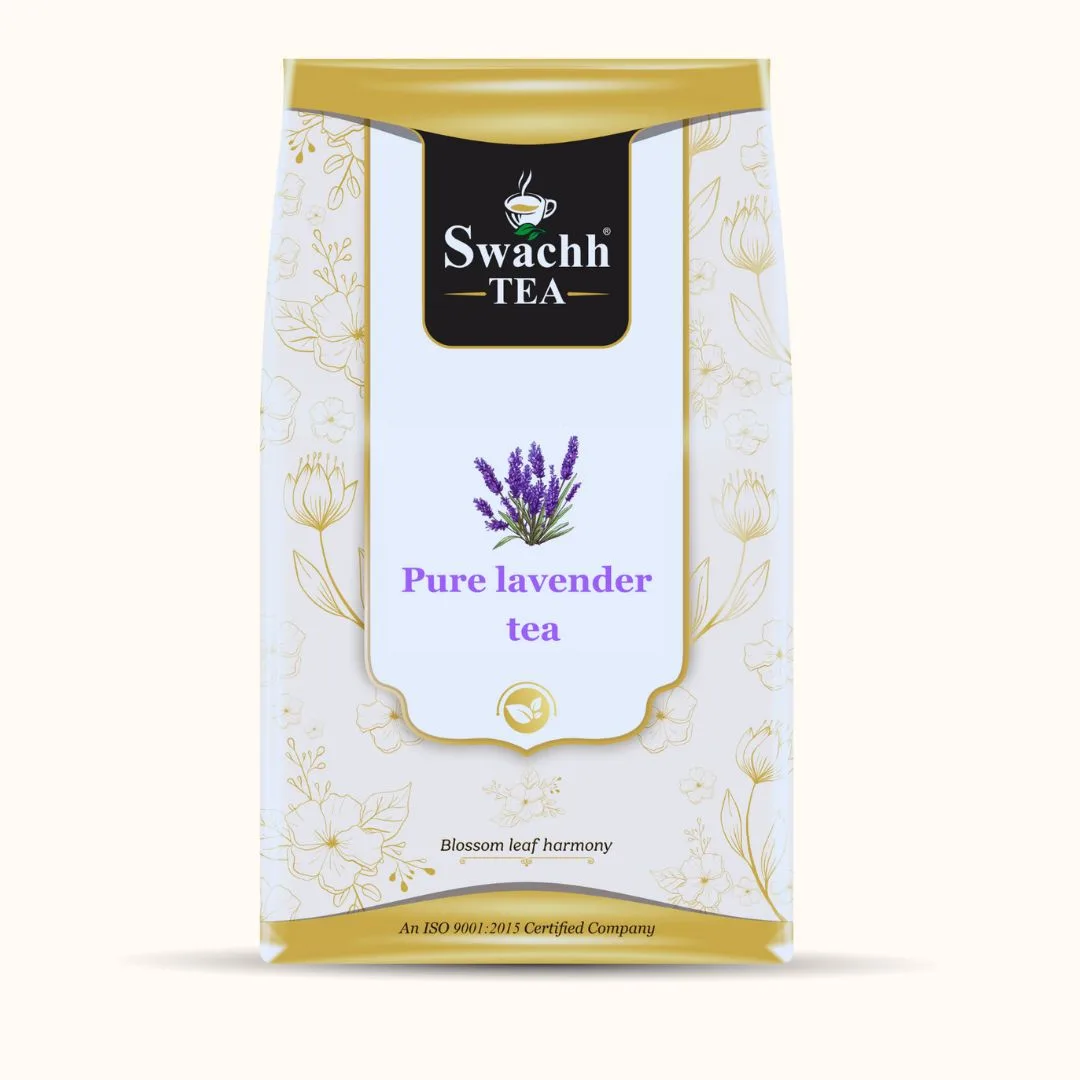
- Pure Lavender Tea: Pure Lavender Tea is a caffeine-free infusion made from organic lavender blossoms, sold by pack size. A single-flower lavender is the clearest test of the freshness checks above: you can see the blossom color and smell the aroma before brewing, and because it is caffeine-free it works for evening cups.
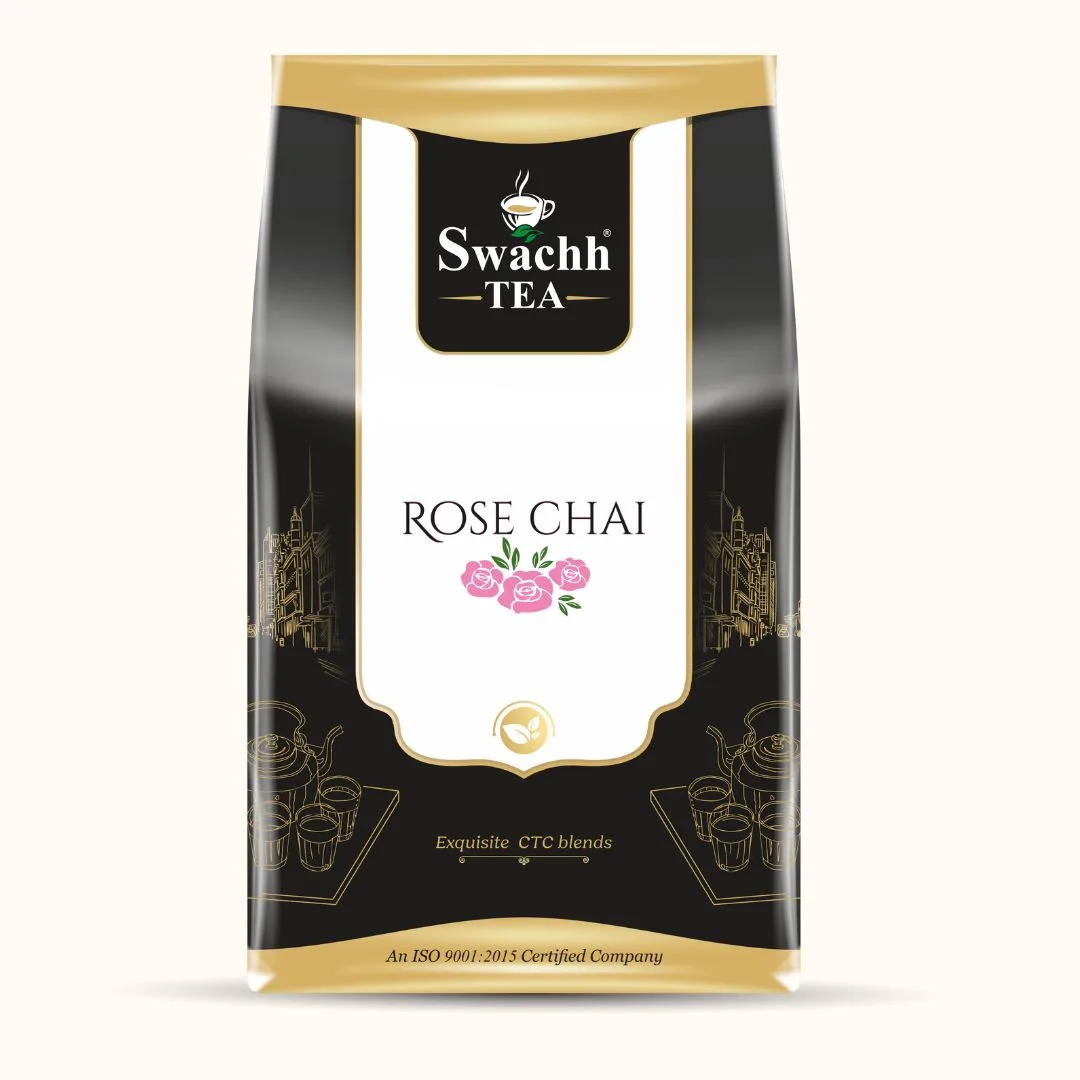
- Rose Chai Tea Café Blend: Rose Chai Tea Café Blend uses real dried rose petals and is positioned for cafés, hotel lounges, wedding caterers, and women-centric venues, sold by pack size. If you want a repeatable floral cup for milk-based or iced drinks, a pre-proportioned blend with visible rose petals removes the guesswork of blending your own.
- Blue Pea Flower Tea: Blue Pea Flower Tea is a natural blue infusion that turns purple with a squeeze of lemon and is sold by pack size. The color shift is a built-in freshness signal: a vivid blue that reacts to lemon indicates the pigment is intact, which is exactly what you want in a flower you are buying for appearance as well as taste.
Who should buy which format
Best for
- Home tea drinkers who want a single-flower infusion they can see and smell before brewing
- Cafés, hotels, and event caterers who need a consistent floral cup for milk-based or iced drinks
- Anyone building a small, rotating collection of dried flowers and herbs rather than a bulk pantry
Not for
- Buyers looking for a medicinal product to treat a health condition — these are flavorful infusions, not medicine
- People who want to buy a year's supply in one order and store it in a warm, humid kitchen
- Shoppers who prefer pre-sweetened instant tea powders over loose dried botanicals