When you reach for a fruity snack, the choice often comes down to fresh or dried. Both deliver natural sweetness and essential vitamins, but their nutritional profiles differ in ways that matter to snackers. Whether you are packing a lunchbox, fueling a hike, or simply craving a midday pick-me-up, understanding the dried vs fresh fruit debate can help you make smarter decisions.
Dried fruits like Seeberger’s freeze-dried lychees and freeze-dried strawberries offer concentrated flavor and long shelf life, while fresh fruits provide hydration and lower calorie density. In this comparison, we break down the key differences in calories, fiber, sugar, vitamins, and convenience so you can choose the best option for your snacking needs.

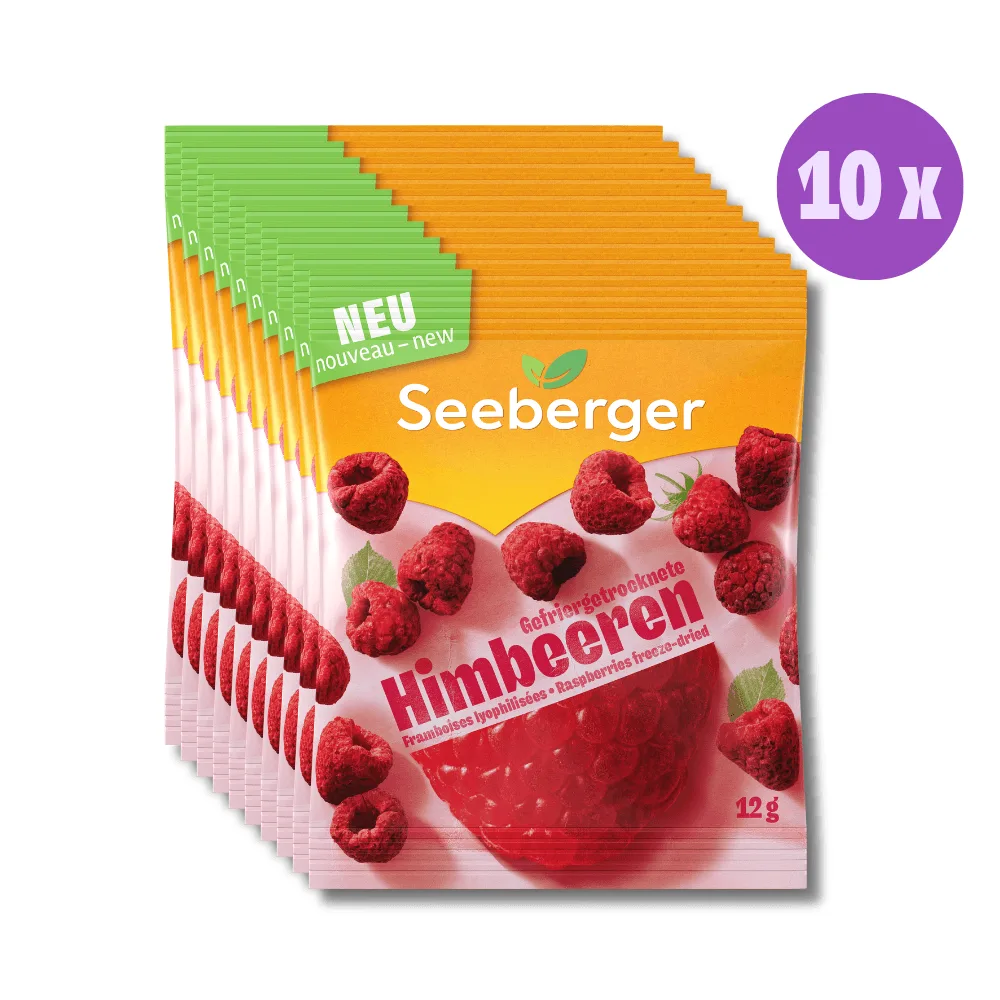
freeze-dried strawberries
Calorie Density and Portion Control
Fresh fruits are naturally low in calories because of their high water content. A medium apple contains about 95 calories, while a cup of grapes has around 60. This makes fresh fruit an excellent choice for volume eating — you can enjoy a generous portion without consuming too many calories.
Dried fruits, on the other hand, are much more calorie-dense. Removing water concentrates the sugars and calories, so a small handful of dried apricots or freeze-dried strawberries can pack the same calories as a much larger serving of fresh fruit. This density is both a benefit and a challenge: you get more energy per bite, but it is easy to overeat. For snackers watching their calorie intake, portion awareness is key.
- Tip: Use a small bowl or snack bag when eating dried fruit to avoid mindless munching.
Fiber Content and Digestive Health
Fiber is a crucial nutrient for digestion, satiety, and blood sugar regulation. Fresh fruits provide a good amount of fiber, especially when you eat the skin — an apple with skin offers about 4.4 grams of fiber. However, because fresh fruit contains so much water, the fiber per gram is lower than in dried fruit.
Dried fruits are fiber powerhouses. The dehydration process preserves the fiber while removing water, so the same weight of dried fruit delivers significantly more fiber. For example, dried figs or dates contain around 7 to 8 grams of fiber per 100 grams. Seeberger’s cashew-cranberry mix combines dried cranberries with nuts for an extra fiber boost. This makes dried fruit an excellent choice for promoting regularity and keeping you full between meals.
- Tip: Pair dried fruit with nuts or seeds for a balanced snack that combines fiber, protein, and healthy fats.
Sugar Content: Natural vs Concentrated
Both fresh and dried fruits contain natural sugars like fructose and glucose. Fresh fruit’s high water content dilutes these sugars, so the glycemic impact is generally lower. A whole orange has about 12 grams of sugar spread across a hydrating, fiber-rich package.
Dried fruit concentrates those natural sugars. A small handful of dried mango can contain 20 to 30 grams of sugar, similar to a candy bar. However, these are still natural sugars accompanied by fiber, vitamins, and antioxidants — not added sugars. Seeberger’s dried fruits contain no added sugar or preservatives, making them a clean choice. For those managing blood sugar, pairing dried fruit with protein or fat (like nuts) can help slow absorption.
- Tip: Check labels to ensure your dried fruit has no added sugars or syrups — Seeberger products are naturally sweet.
Vitamin and Antioxidant Retention
Fresh fruits are often praised for their vitamin C content, but this vitamin is sensitive to heat and air. Once picked, fresh fruit begins to lose nutrients. Dried fruit, especially when freeze-dried, can retain a high percentage of vitamins and antioxidants. Freeze-drying uses low temperatures, preserving heat-sensitive nutrients better than traditional drying.
Seeberger’s freeze-dried lychees and freeze-dried strawberries are excellent examples. Lychees are rich in vitamin C and polyphenols, while strawberries are packed with anthocyanins and ellagic acid. Because the water is removed, the antioxidant concentration per gram is higher in dried fruit. However, some water-soluble vitamins like vitamin C may still degrade over time, so fresh fruit has an edge if consumed soon after harvest.
- Tip: Store dried fruit in a cool, dark place to maximize nutrient retention.
Convenience and Shelf Life
Fresh fruit is perishable. Berries last only a few days, apples a week or two, and bananas ripen quickly. This makes fresh fruit less practical for on-the-go snacking, travel, or stocking a pantry. You need to shop frequently and eat them before they spoil.
Dried fruit is the ultimate convenience snack. It stays fresh for months without refrigeration, fits easily in a bag or desk drawer, and requires no preparation. Seeberger’s trail mix combines dried fruit with nuts and seeds for a complete snack that needs no chilling. Whether you are hiking, commuting, or working late, dried fruit offers reliable, mess-free nutrition.
- Tip: Keep a bag of Seeberger trail mix in your car or office for an emergency healthy snack.
Both dried and fresh fruits have a place in a healthy diet. Fresh fruit shines for hydration, volume, and immediate vitamin C, while dried fruit offers concentrated fiber, antioxidants, and unbeatable convenience. For snackers who want the best of both worlds, Seeberger’s freeze-dried strawberries and cashew-cranberry mix deliver premium dried fruit options that are naturally delicious and nutrient-dense. Explore our collection to find your perfect fruity snack.