Quick answer
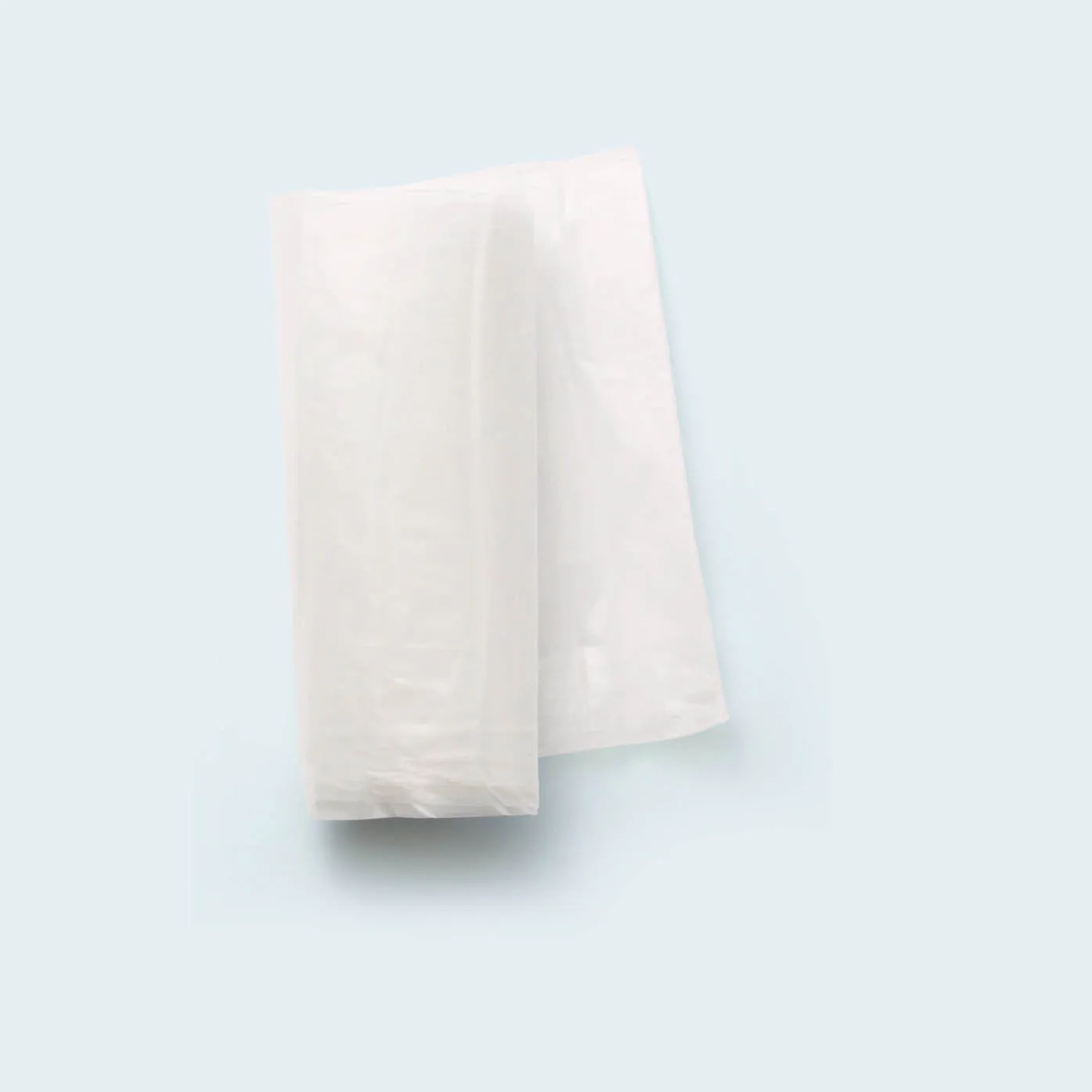
For most interior painting projects, you need a leak-proof plastic drop cloth, painter's tape, a small angled brush, a roller with a 3/8-inch nap, a paint tray, and a stir stick. If you're painting a large room or want reusable protection, choose a canvas drop cloth instead. Start with the Drop Cloth from Clare—it's durable, leak-proof, and costs $2.52, so you can cover a room without overspending.
Plastic vs. canvas: which drop cloth actually protects your floors?
Plastic drop cloths are thin, lightweight, and completely leak-proof. They're ideal for one-time use, quick touch-ups, or when you're painting over carpet because spills bead up instead of soaking through. The tradeoff: plastic can tear on sharp corners and becomes slippery when wet, so tape it down.
Canvas drop cloths are thicker, absorbent, and reusable. They stay put better than plastic and won't slide around, but they can leak through if you spill a full cup of paint. Canvas is heavier and takes up storage space. For most beginners, a plastic drop cloth is the simplest, most affordable choice.
The only prep supplies worth buying before you start
Skip the 20-item starter kits. Here's what actually matters: a drop cloth to protect floors and furniture, painter's tape for clean edges, a 2-inch angled brush for cutting in, a roller with a 3/8-inch nap for smooth walls, a paint tray, and a stir stick. Add a small container for touch-ups and a damp rag for immediate drips.
You don't need a separate primer unless you're covering dark colors or bare drywall. You also don't need a paint sprayer for a single room—a roller and brush are faster to clean and easier to control.
How to choose the right size drop cloth for your room
A drop cloth should cover the entire floor area you're painting, plus at least two feet beyond the wall. For a standard 10x12-foot room, a 9x12-foot cloth works if you move it as you go. For larger spaces, buy two or use a 12x15-foot cloth.
If you're painting ceilings, you'll need plastic sheeting that covers everything—paint drips straight down. For walls only, a cloth that covers the floor and baseboards is enough.
Decision rules for buying prep supplies
- If you're painting over carpet: Choose a plastic drop cloth. It's leak-proof, so spills won't soak in. Tape the edges to prevent slipping. Plastic is the safest bet for carpeted rooms.
- If you're painting a large room or multiple rooms: Buy a canvas drop cloth. It's reusable, stays in place, and handles foot traffic better than plastic. Canvas costs more upfront but pays off over several projects.
- If you're a beginner on a tight budget: Start with a plastic drop cloth and painter's tape. Add a 2-inch angled brush and a roller with a 3/8-inch nap. That's enough for a standard bedroom. You can always upgrade to canvas later.
Product facts
- Drop Cloth: Made of durable, leak-proof plastic, our painter’s drop cloth protects your floors and furniture from paint spills and drips. Leak-proof plastic means spills won't soak through to carpet or hardwood, and it's lightweight enough to reposition mid-project.
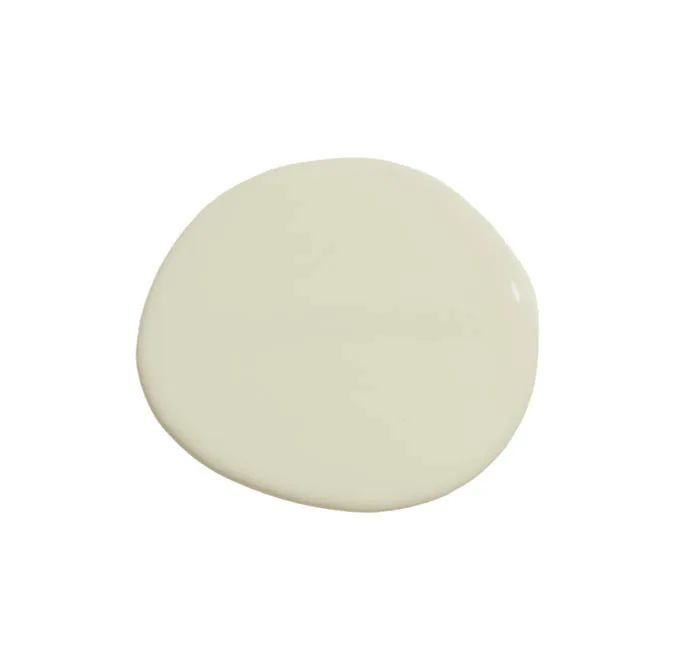
- Make Waves: A serene greenish blue. Like ocean waves rippling under the sun, this one ebbs and flows with natural light, bringing different undertones to the surface. If you're prepping a room for a color like Make Waves, you'll want a drop cloth that stays put while you cut in around trim—plastic taped down works well.
Who this guide is for
Best for
- First-time painters who want a simple, affordable supply list
- DIYers painting a single room or apartment
- Anyone who needs a drop cloth that won't leak through
Not for
- Professional contractors who need heavy-duty reusable canvas for daily jobs
- People painting ceilings without additional plastic sheeting