What dry baby figs are
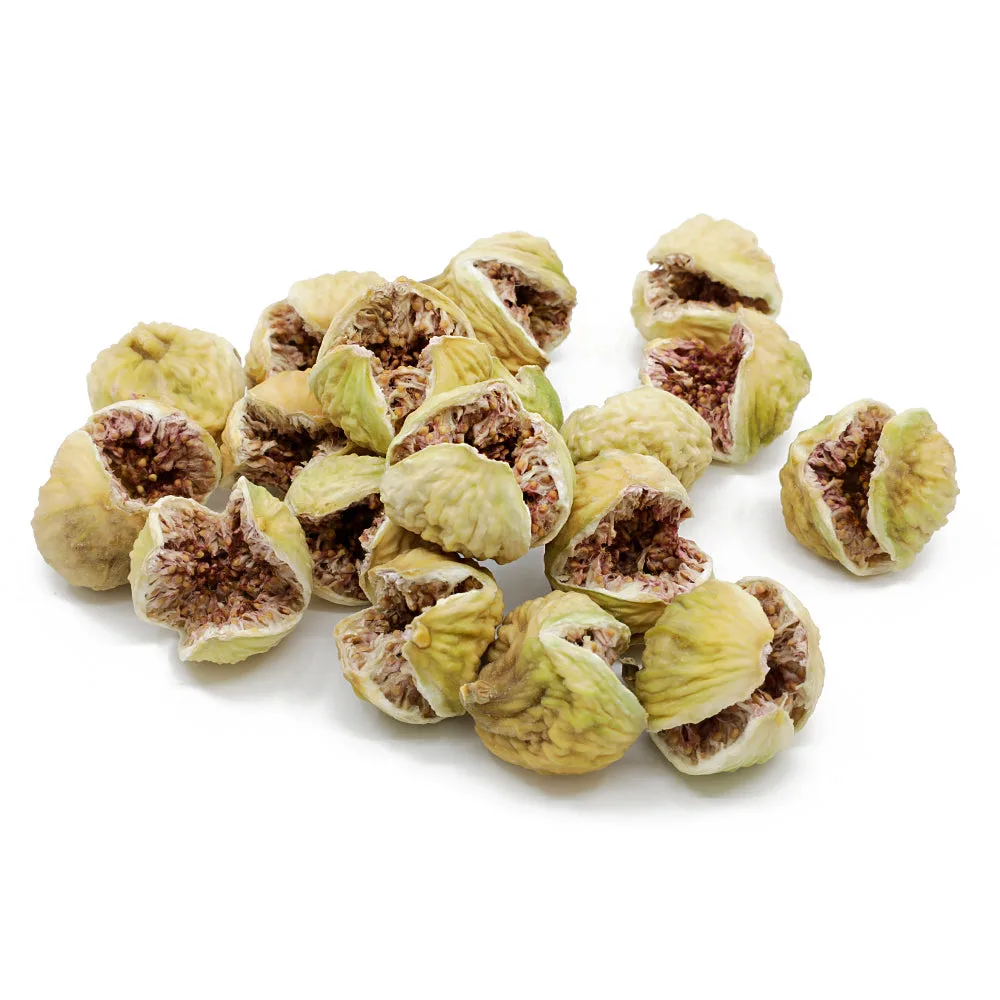
Dry baby figs are smaller than common figs, with dry, light brown skin. They are sweet and delicious, and their small size makes them easy to snack on or add to a serving board. The product record notes that packaging and color may differ from the image shown, so expect natural variation between batches.
Because they are dried, they keep longer than fresh figs, but they still need sensible storage to stay at their best. The steps below cover storage, soaking, and serving, with size options to match how you plan to use them.
Product record for your reference
-
Dry Baby Figs: Dry Baby Figs are smaller than common figs, with dry and light brown skin. They are sweet and delicious. This tells you what to expect in texture and size, which affects how you store and serve them.
Dry Baby Figs
-
Dry Baby Figs: Available in 250gm, 500gm, and 1000gm volumes. Choose a size that matches how quickly you will use them, so storage stays manageable.
-
Dry Baby Figs: NOTE: The packaging and the color of the product may differ from the image shown. Natural variation in color is normal and does not indicate a problem.
How to store dry baby figs
The product record does not specify storage conditions, so the steps below are general good practice for dried fruit rather than manufacturer instructions. Use them as a starting point and check the packaging when it arrives for any specific guidance.
- Keep them dry: Moisture is the main enemy of dried fruit. Store dry baby figs in an airtight container in a dry spot, away from steam or splashes.
- Keep them cool and dark: A cupboard away from direct sunlight and heat helps preserve flavor and texture. Avoid storing them above the stove or in a sunny window.
- Match the size to your use: If you snack slowly, the 250gm size is easier to finish before quality fades. The 500gm and 1000gm sizes suit frequent serving or larger households, provided you can store them properly.
- Check before eating: The supplied record does not include a shelf-life or storage temperature. Look at the packaging for any dates or storage notes, and use your senses: dry baby figs should smell sweet and look dry, not damp or sticky.
How to soak dry baby figs
Soaking softens dry figs and can make them easier to eat or blend. The product record does not specify a soaking method, so use this as a general approach and adjust to your taste.
- Choose your liquid: Water is the simplest option. You can also soak in tea or juice if you want extra flavor, though the record does not confirm any specific liquid.
- Cover and wait: Place the figs in a bowl and pour enough liquid to cover them. Let them sit until they plump and soften. Timing depends on the fig's dryness and your preference, so check every so often.
- Drain and use: Drain the figs and use them in the recipe or snack you have in mind. Soaking liquid can be discarded or used in cooking if it tastes good to you.
- Store soaked figs safely: Once soaked, treat the figs as perishable and refrigerate them. The supplied record does not give a safe storage time, so use them within a day or two and discard any that smell off.
Serving ideas for dry baby figs
Dry baby figs are sweet and small, which makes them flexible for snacking and serving. The product record does not list pairings, so these are general suggestions rather than manufacturer recommendations.
- Straight from the container: Their small size makes them a convenient snack. Portion them into a small bowl rather than eating from the storage container.
- On a cheese or charcuterie board: The sweet flavor contrasts with salty cheeses and cured meats. Scatter a handful among other items.
- Chopped into salads or grain bowls: Small pieces add sweetness and texture. Chop just before serving to avoid sticking.
- With yogurt or oatmeal: Slice or chop and use as a topping. Soaking first can soften them if you prefer a less chewy texture.
- In baked goods: Dry baby figs can be chopped and added to breads or cookies, though the record does not provide baking instructions. Adjust based on your recipe.
What the product record does not tell you
The supplied information does not include storage temperature, shelf life, soaking times, or allergen details. It also does not confirm whether the figs contain added sugar or preservatives. If these details matter to you, check the packaging when it arrives or contact the store before buying.
This is not a sign of a problem with the product; it simply means those specifics are not part of the available record. Use the general guidance above and rely on the packaging for any official instructions.