Quick answer
Pick dry sack sizes by the volume of what you're protecting, not by the bag's dimensions. Use 2–3L for small essentials like phone, wallet, and headlamp; 5–10L for a day or two of clothing; and 10–20L for bulk items like a sleeping bag or puffy layer. If you're unsure, size up one step: a slightly larger dry sack compresses down, while an undersized one forces you to leave gear unprotected.
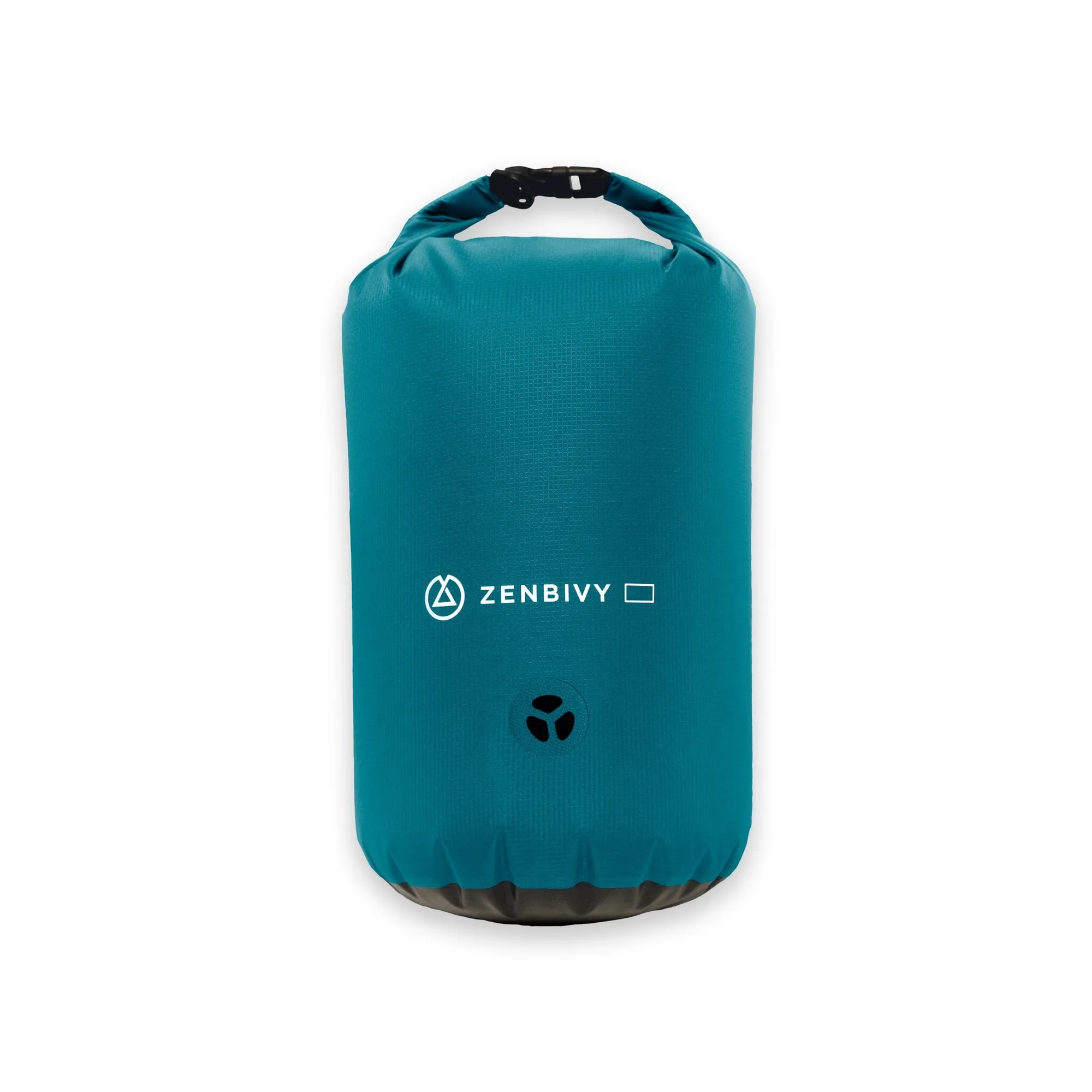
dry sack
Dry sack sizes are listed in liters, which tells you usable volume rather than physical dimensions. That's helpful because two 5L sacks from different brands can look different but hold roughly the same amount of gear. The confusion starts when you try to translate liters into real items: how much clothing fits in a 5L? Will a 10L swallow your sleeping bag? This guide gives you concrete rules so you can choose the right dry sack the first time.
You'll also see dry sacks sold in sets, with roll-top closures, zippered openings, or compression valves. Those features matter for how you pack, but size is the first decision because it determines what you can protect and how the sack fits inside your backpack. We'll cover capacity benchmarks, when to choose a set, and how to match dry sack sizes to specific trips.
What dry sack sizes actually mean
A dry sack's liter rating is its approximate usable volume when closed. It's not a measurement of the bag's height or width, and it doesn't account for how bulky your items are. A 5L sack filled with a compressible puffy jacket will feel half-empty, while the same sack packed with dense electronics will be full. Treat liters as a starting point, then adjust for what you carry.
Most brands offer overlapping sizes: 2L, 3L, 5L, 8L, 10L, 15L, 20L, and larger. The jump from 5L to 10L is significant—double the volume—so it's worth thinking in terms of small, medium, and large categories rather than exact numbers. If you're between sizes, choose the larger one and use the roll-top closure to compress it down.
- Roll-top dry sacks can be rolled down to shrink their packed size, so a slightly larger sack isn't wasted space.
- Zippered dry sacks like the Zip Sack hold a fixed shape, so match their size more precisely to your contents.
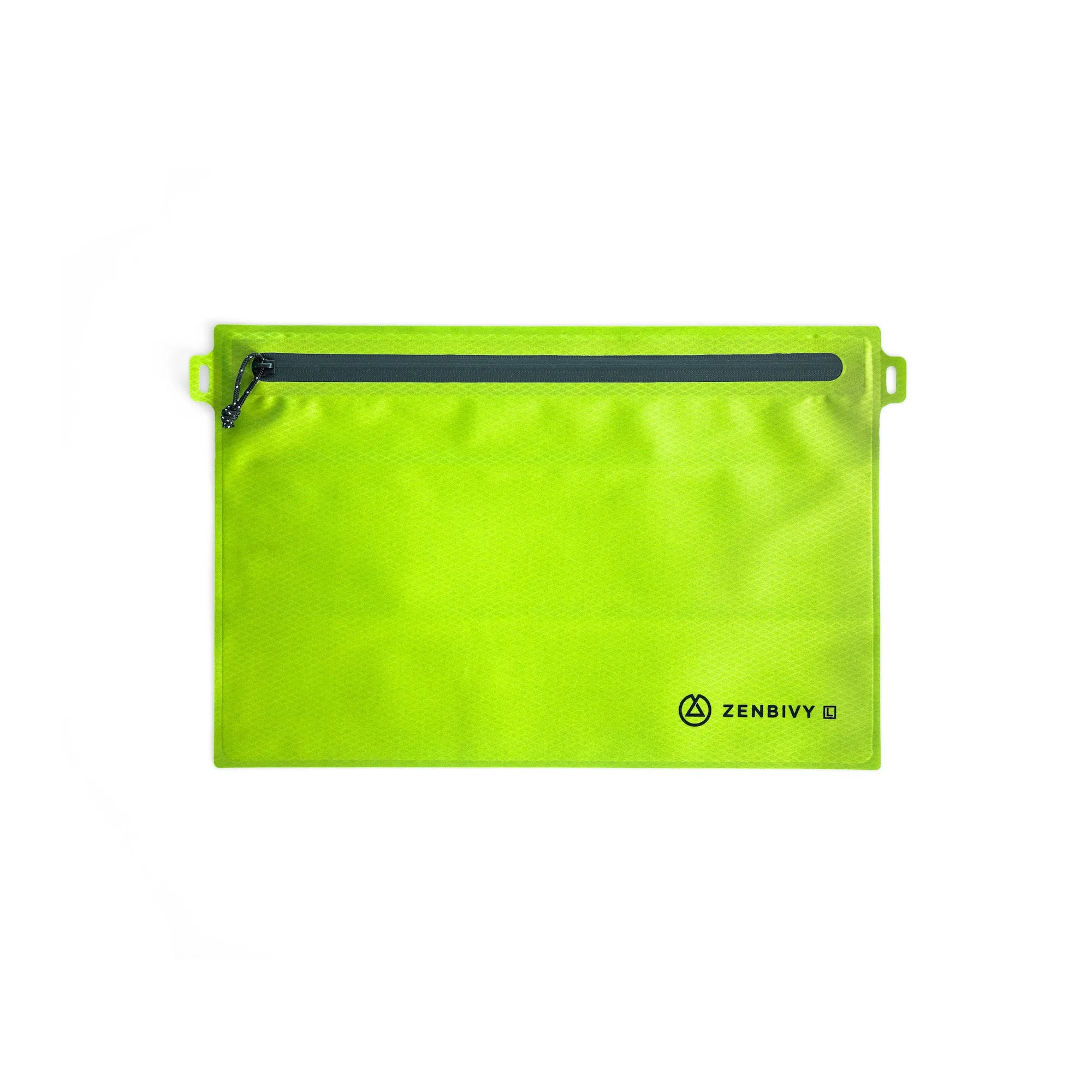
Zip Sack
Capacity benchmarks: what fits in each size
For backpacking, these benchmarks cover most needs. A 2L sack holds a phone, wallet, keys, and a headlamp. A 3L adds a small camera or a compact first-aid kit. A 5L typically fits one to two days of clothing (base layer, socks, underwear, and a light fleece). An 8–10L handles a three-season sleeping bag or a bulky puffy jacket plus gloves and a hat. A 15–20L is for a full sleep system, a tent body, or group gear.
These are estimates based on typical compressible items. Dense gear like food, tools, or batteries takes up less volume per item but weighs more, so you may want a smaller sack for those. If you're packing for a specific trip, lay your items out and group them by category before choosing sizes. That prevents buying a sack that's too small for your sleeping bag or too large for your electronics.
- Small (2–3L): electronics, wallet, keys, headlamp, first-aid.
- Medium (5–10L): clothing, sleeping bag, puffy layer, food for a day.
- Large (15–20L+): tent, full sleep system, group gear, or bulky synthetic bags.
How to choose dry sack sizes for your trip
Start with the items that must stay dry: sleep system, insulation, and electronics. Those are the most vulnerable to water and the most expensive to replace. Assign a dedicated sack to each category. For a weekend trip, a 10L for your sleeping bag, a 5L for clothing, and a 2L for electronics covers the essentials. For a longer trip, you may add a 3L for toiletries or a 15L for a tent.
Next, consider how the sacks fit inside your backpack. Multiple small sacks can fill gaps around a bear canister or water bladder, while one large sack creates a single bulky block. If you use a compression sack for your sleeping bag, you may not need a separate dry sack for it—but a dry sack inside a pack liner adds a second layer of protection. The right number of sacks depends on how you organize, not on a fixed rule.
- Use one sack per category (sleep, clothes, electronics) to avoid digging through a single large bag.
- If your backpack has a waterproof liner, dry sacks still help with organization and extra protection.
Sets vs. single sacks: which makes sense
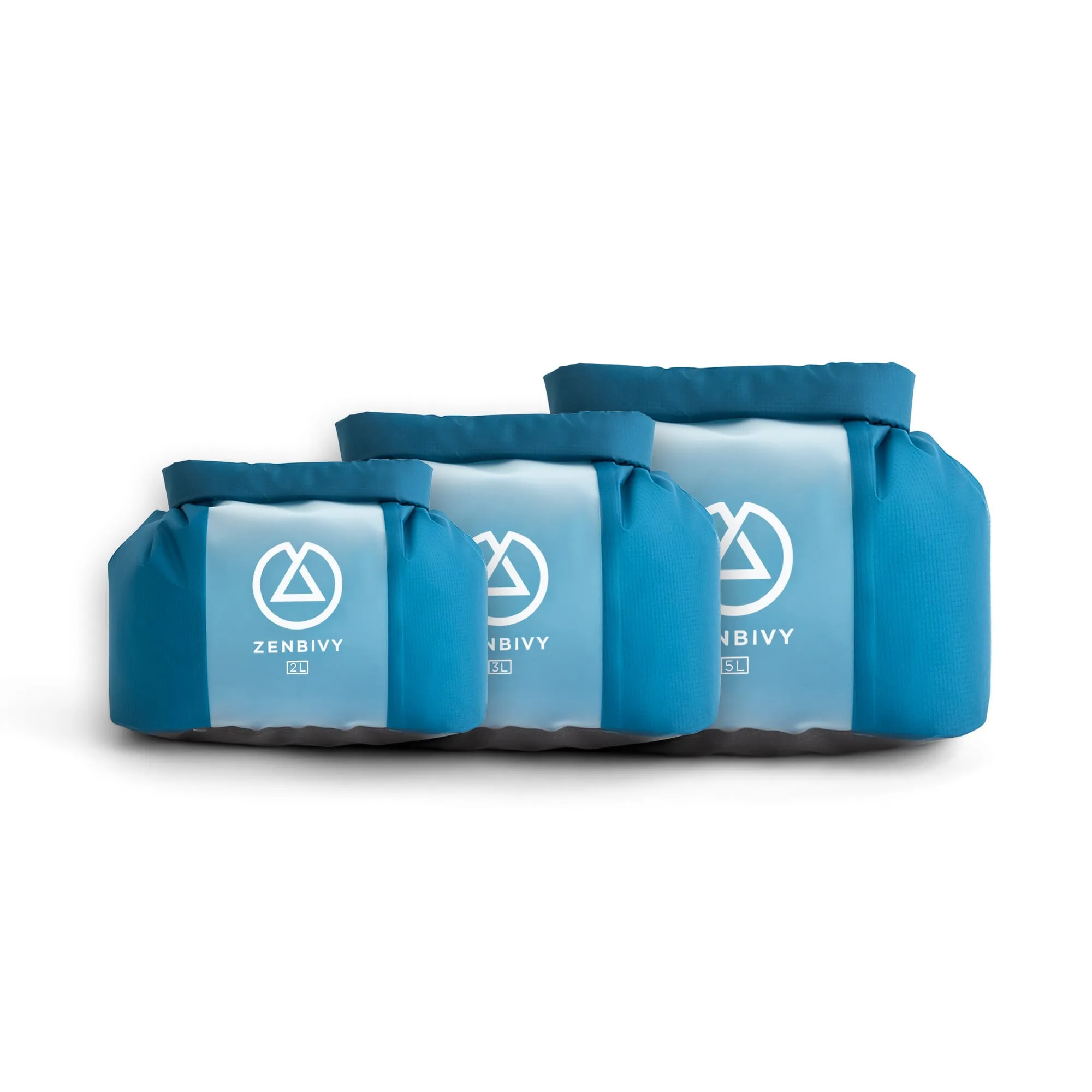
Sets of dry sacks in multiple sizes are often a better value than buying singles, and they let you test which sizes you actually use. A 3-pack with 2L, 3L, and 5L covers small essentials and a day of clothing. If you need a larger sack for a sleeping bag, you can add a 10L or 15L separately. Sets also give you spares for friends or for separating clean and dirty clothes.
Single sacks make sense when you have a specific item in mind, like a dedicated sleeping bag stuff sack or a large portage pack. If you already own a set, measure what you carry most and fill the gaps. For example, if your 5L is always overflowing, add an 8L or 10L rather than a second 5L.
- A set with 2L, 3L, and 5L is a practical starter kit for most backpackers.
- Buy a single larger sack only after you know your typical load volume.
Features that affect size choice
Closure type changes how much usable space you get. Roll-top sacks can be rolled down to compress contents, so their effective size is flexible. Zippered sacks like the Zip Sack hold a fixed volume and are easier to open and close frequently, but they don't compress as much. If you're packing bulky items, a roll-top with a compression valve lets you squeeze out air and reduce volume.
Material and construction also matter. Fully welded seams, like those on the Ditty Dry Sack, provide waterproof protection without stitching holes. A transparent panel helps you identify contents without opening the sack. These features don't change the liter rating, but they affect how well the sack works for your specific gear. Choose based on how you'll use it, not just the size number.
- Roll-top + compression valve: best for compressible items like sleeping bags and puffy jackets.
- Zippered: best for items you access often, like electronics or snacks.
- Transparent panel: saves time searching for gear in a packed backpack.
Decision rules for dry sack sizes
- If you're protecting electronics and small valuables: Choose a 2L or 3L sack. These sizes fit a phone, wallet, keys, headlamp, and a small battery pack without excess space. A 2L is the minimum for a phone and wallet; go 3L if you also carry a camera or first-aid kit.
- If you're packing clothing for 1–2 days: Choose a 5L sack. It holds a base layer, socks, underwear, and a light fleece. For 3+ days, size up to 8–10L. Compressible clothing can be squeezed into a smaller sack, but a 5L is the practical minimum for a change of clothes.
- If you're protecting a sleeping bag or puffy layer: Choose a 10L or larger sack. Down items compress well, so a 10L often fits a three-season bag. Synthetic bags may need 15L or more. Check your bag's packed volume if listed; otherwise, buy from a retailer that accepts returns.
- If you want one purchase to cover multiple uses: Choose a set with 2L, 3L, and 5L sizes, like the Ditty Dry Sack set. Add a single 10L or 15L later if you need to protect a sleeping bag. Sets give you flexibility and often cost less per sack than buying singles.
- If you need frequent access to contents: Choose a zippered sack like the Zip Sack for items you open often. Use roll-top sacks for gear you access only at camp. Zippered sacks are less compressible, so don't rely on them for bulky insulation.
Product facts to know
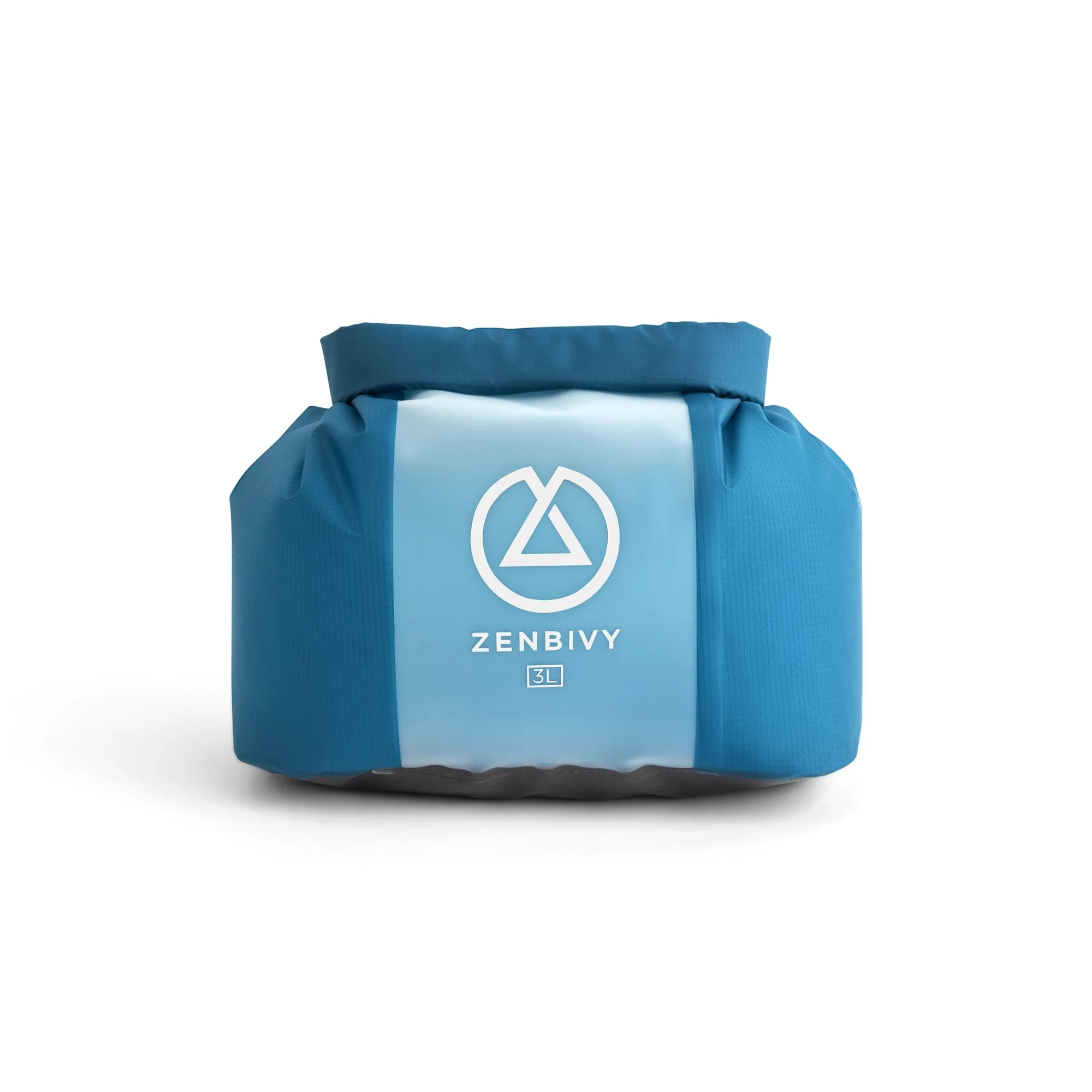
- Ditty Dry Sack, Set of 3: This 3-pack includes one 2L, one 3L, and one 5L. Each features a transparent panel, fully-welded seams, and a high-speed valve for quick compression. The three sizes cover small essentials, clothing, and a bit of bulk, while the valve lets you compress contents to save space. The transparent panel helps you find items without opening every sack.
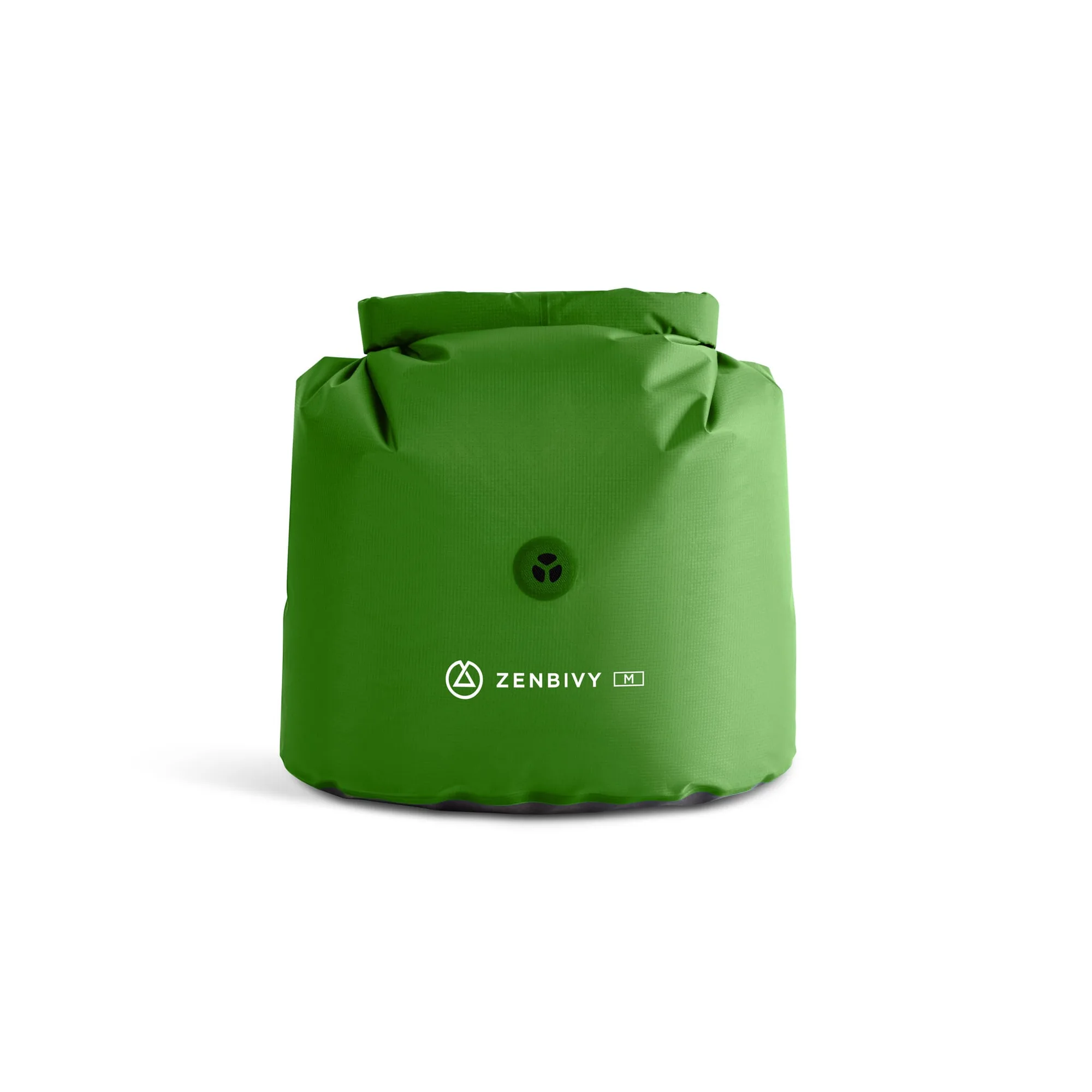
- Zip Sack: A fully welded and water-resistant zippered storage pouch for backcountry organization. The zippered opening makes it easy to access frequently used items like electronics or snacks, and the welded seams add water resistance. It's a good complement to roll-top sacks for organization.
- Core Bed Bundle: Includes a Core Quilt, Core Sheet, Flex Air Mattress, 3-piece modular SoftTop Pillow, and a Dry Sack with Compression Caps for waterproof, compact storage. If you're buying a sleep system, this bundle includes a dry sack sized for the included gear, so you don't have to guess the right capacity. The compression caps help you pack it down.
Is this dry sack right for you?
Best for
- Backpackers who want to organize and protect gear by category (sleep, clothes, electronics).
- Campers who need a range of sizes and prefer a set over buying singles.
- Anyone packing compressible items like down sleeping bags or puffy jackets.
Not for
- Paddlers or rafters who need a single large portage pack instead of multiple small sacks.
- Travelers who need a fully submersible dry bag for water sports; these sacks are water-resistant but not designed for submersion.
- People who prefer one large pack liner over individual dry sacks.
Choosing dry sack sizes comes down to matching liters to what you carry. Start with 2L, 3L, and 5L for essentials and clothing, then add a 10L or larger for your sleep system. If you're unsure, size up—a slightly larger sack compresses down, while an undersized one leaves gear exposed. Use the decision rules above to build a set that fits your trips, and check the product facts for specific features like compression valves and transparent panels.