Quick answer
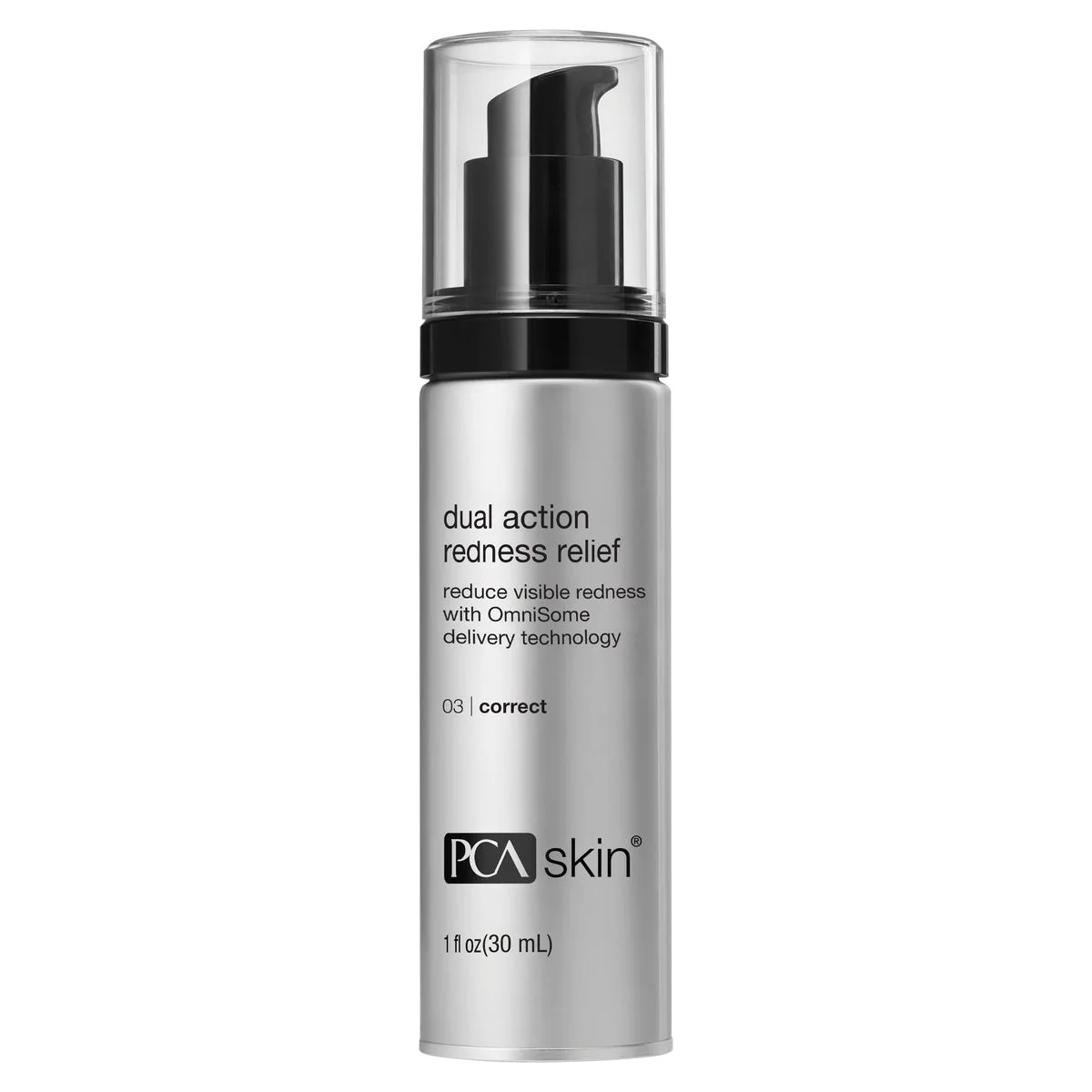
If your redness flares with heat, new products, or a tight, stinging feeling, treat it as a barrier problem first: pause exfoliants and strong actives, cleanse with lukewarm water, and use a restorative treatment with niacinamide and ceramides such as PCA SKIN Dual Action Redness Relief. Give it two to four weeks of consistent, simple care. If redness is painful, blistered, or spreading, stop and see a dermatologist.
Symptom: redness that behaves like a warning light
Facial redness is not one condition. It helps to sort what you see into patterns. Barrier-related redness tends to look pink or flushed across the cheeks and nose, feels tight or stingy, and gets worse after cleansing or when the weather changes. It often comes with dryness or flaking. Inflammatory redness from breakouts tends to be more localized, with bumps or pustules, and may feel oily in some areas and dry in others. Vascular redness, the kind that looks like tiny visible vessels or a permanent flush, does not usually sting and does not improve much with moisturizer alone.
- Barrier pattern: flushed, tight, stings after washing, worse in dry or cold air.
- Inflammatory pattern: red bumps, oiliness in the T-zone, congestion along the jaw or forehead.
- Vascular pattern: persistent pink or red patches, visible tiny vessels, little stinging.
- Reactive pattern: redness appears within minutes of a new serum, mask, or fragrance.
Likely cause: what is actually driving the flush
Most everyday redness in sensitive skin comes from a compromised barrier. The outer layer of skin loses water and lets irritants in, so the skin mounts a low-grade inflammatory response. That is why the same serum that felt fine last month can suddenly sting. Over-cleansing, hot water, physical scrubs, alcohol-based toners, and layering too many actives at once are common triggers. Sun exposure and temperature swings add fuel. If you are also using a daily exfoliant, that can be helpful for texture, but it can push already-reactive skin over the edge when it is used alongside strong acids or retinoids.
Corrective action: a simple routine that calms instead of provokes
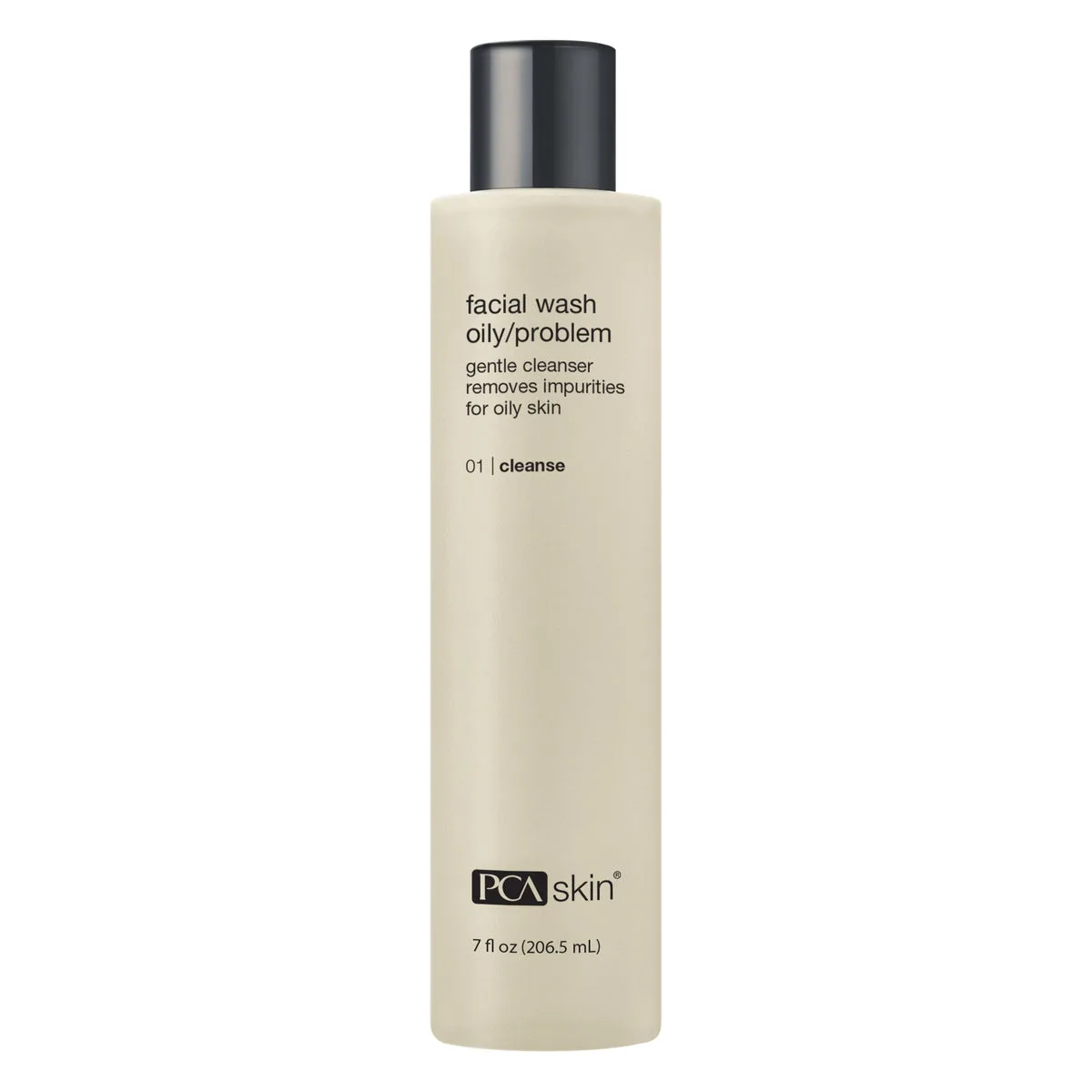
Strip your routine back to three steps for two weeks: a gentle cleanser, a restorative redness treatment, and a plain moisturizer with SPF in the morning. PCA SKIN Dual Action Redness Relief is designed for this step because it combines niacinamide, ceramides, and protective agents to support barrier function while reducing sensitivity and redness. Apply it to clean skin before moisturizer. If your skin is breakout-prone, PCA SKIN Facial Wash Oily/Problem is a reasonable cleanser choice because it removes excess oil and makeup while using gentle actives rather than harsh scrubbing. Keep the rest of your routine boring on purpose: no new masks, no essential oils, no hot showers on your face.
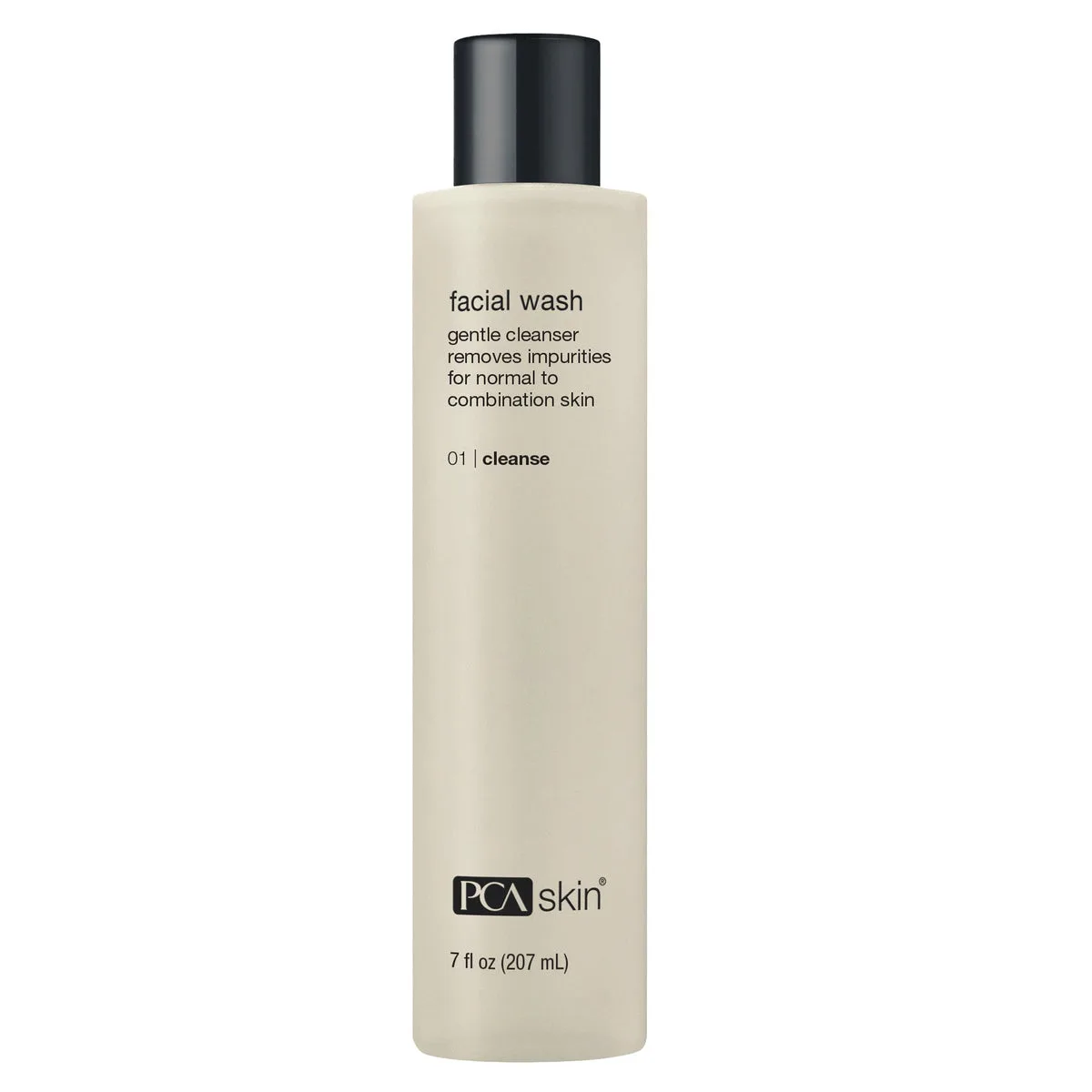
Facial Wash
- Morning: lukewarm rinse or gentle cleanser, redness treatment, moisturizer, sunscreen.
- Evening: gentle cleanser, redness treatment, moisturizer.
- Pause all exfoliants, retinoids, and vitamin C for at least 10 to 14 days.
- Introduce one product at a time, with a five-day gap before adding the next.
Where to stop and choose another option
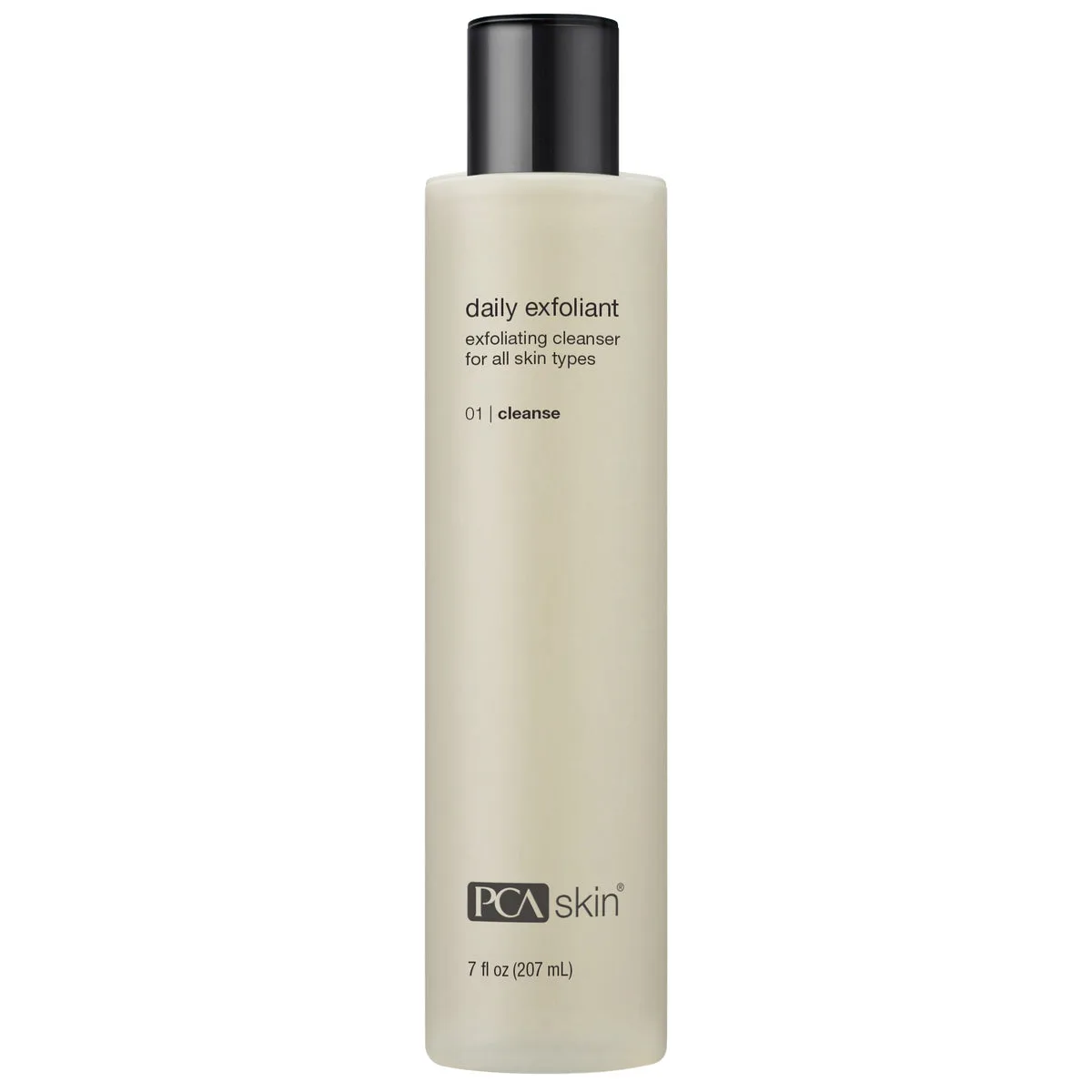
If your redness does not improve after four weeks of consistent barrier care, or if it gets worse, the problem is probably not simple barrier disruption. Redness with acne-like bumps may need a different approach, and PCA SKIN Daily Exfoliant can help with texture and dullness once your barrier is stable, but it is not a redness treatment. Use it only after your skin has stopped stinging, and start with every other day. If you see swelling, warmth, pain, or redness that spreads quickly, stop all products and seek medical care. For persistent visible vessels or a diagnosis you are unsure about, a dermatologist can tell you whether you are dealing with rosacea, eczema, or something else.
Redness diagnosis: match the sign to the next step
- Stings after cleansing and feels tight: This points to a barrier problem. Switch to lukewarm water, a gentle cleanser, and a restorative treatment with niacinamide and ceramides. Hold off on exfoliants and strong actives. Recheck in two weeks. If stinging has stopped, you are on the right track.
- Red bumps with oily areas and congestion: This looks more inflammatory than barrier-only. Keep the routine simple, use a cleanser made for breakout-prone skin, and avoid layering acids while the skin is reactive. If bumps are painful or spreading, see a dermatologist rather than adding more products.
- Persistent pink patches with visible tiny vessels: This pattern is often vascular and does not respond well to moisturizer alone. Barrier care can still reduce sensitivity, but it will not erase visible vessels. Stop guessing and get a professional diagnosis if this is your main concern.
Products that fit this approach
- Dual Action Redness Relief: PCA SKIN Dual Action Redness Relief improves skin’s barrier function while reducing sensitivity and redness with a restorative treatment featuring niacinamide, ceramides, and protective agents. This is the step that addresses the barrier and the flush at the same time, so it belongs in the routine before you add anything else.
- Facial Wash Oily/Problem: PCA SKIN Facial Wash Oily/Problem purifies pores and removes excess oil with a cleanser formulated for breakout-prone skin, using an expert balance of actives that gently exfoliate and remove makeup. If your redness comes with oiliness or breakouts, this cleanser removes debris without the scrubbing that can worsen sensitivity.
- Daily Exfoliant: PCA SKIN Daily Exfoliant gently polishes away dead skin cells to reveal radiant, younger-looking skin with a daily-use, moisturizing exfoliant suitable for all skin types. Once your barrier is calm, this can help with texture and dullness, but it is not a redness treatment and should not be used while your skin is actively stinging.