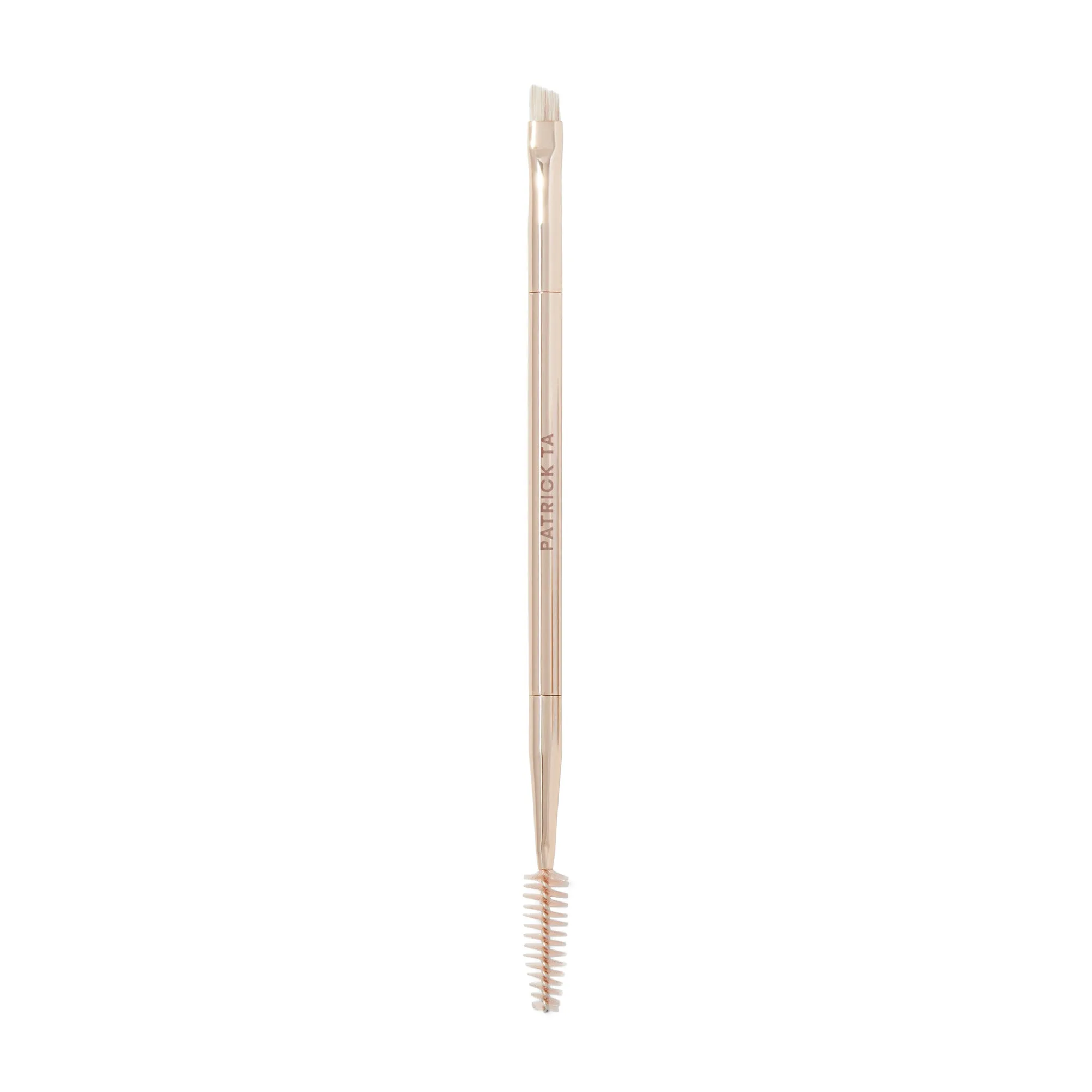
Blush brushes have come a long way from the basic single-ended paddle. Today, dual-ended designs offer versatility and efficiency, but not all are created equal. If you're torn between a dual-ended blush brush and a dual-ended transition blush brush, you're not alone. Both are popular choices, but they serve slightly different purposes.
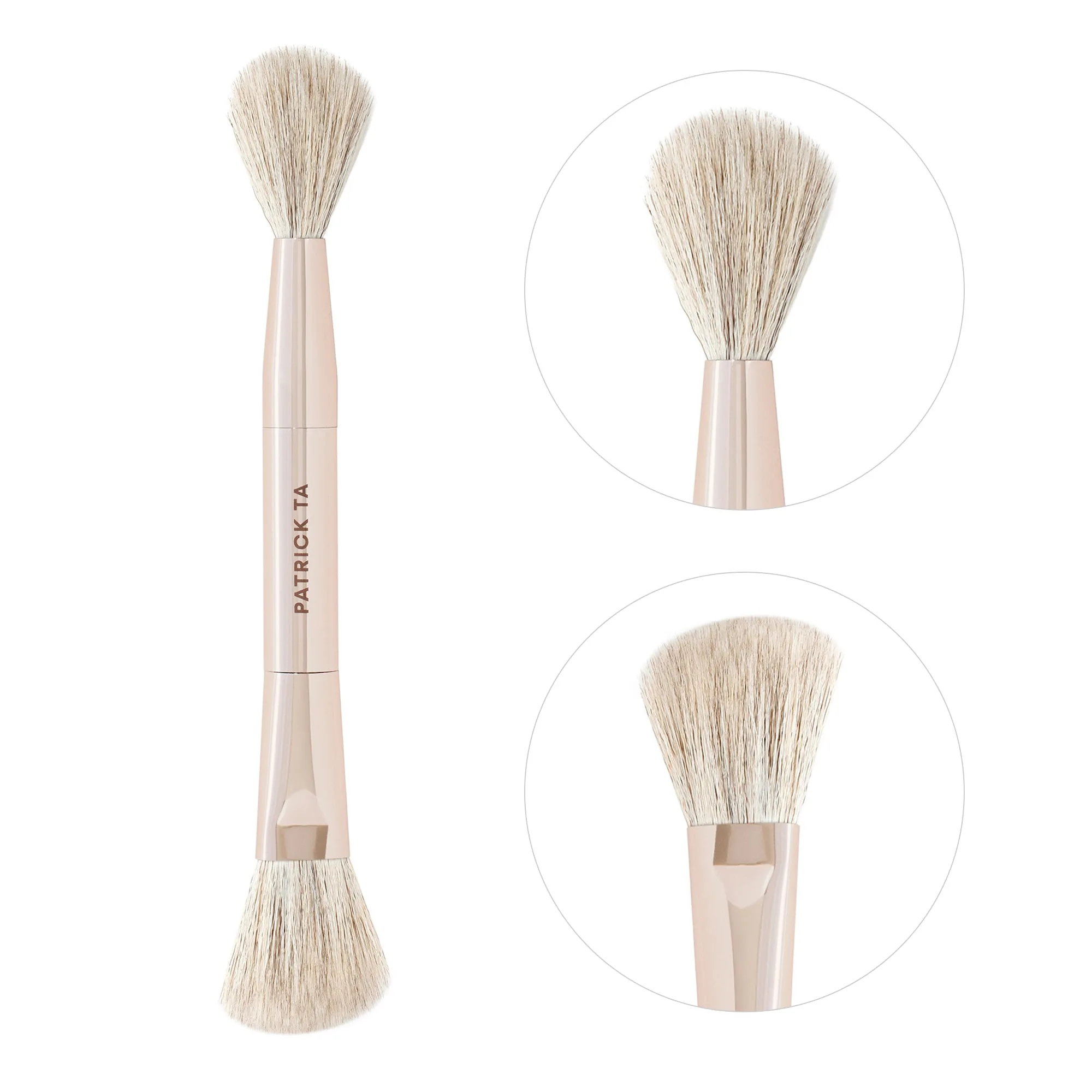
dual-ended transition blush brush
In this comparison, we'll break down the design, application technique, and best use cases for each. By the end, you'll know exactly which Patrick Ta brush deserves a spot in your makeup bag.
What Is a Dual-Ended Blush Brush?
A dual-ended blush brush typically features two brush heads on one handle: one for applying blush and one for blending or buffing. The bristles are often dense and slightly domed to pick up powder or cream blush evenly. This design is perfect for a quick, all-in-one application—you can apply color with one end and soften edges with the other without switching tools.
For example, the Dual-Ended Blush Brush from Patrick Ta Beauty is designed with a precision tapered tip on one side for targeted placement and a fuller, rounded side for seamless blending. It's ideal for those who want control and speed, especially when layering blush or building intensity.
- Best for: Quick, precise blush application and blending in one tool.
What Is a Dual-Ended Transition Blush Brush?
A dual-ended transition blush brush is a specialized tool that combines a blush brush with a transition brush—typically a softer, fluffier brush used to diffuse harsh lines or blend blush into the surrounding skin. The transition end is usually larger and more airy, allowing you to create a smooth gradient from the cheekbone outward.
This type of brush is perfect for achieving a natural, diffused blush look. The transition end can also be used to apply a subtle contour or bronzer, making it a multi-purpose tool for sculpting the face. Patrick Ta's dual-ended transition blush brush is designed with a dense blush side and a fluffy transition side for a flawless finish.
- Best for: Diffusing blush for a soft, airbrushed look and multi-tasking with contour.
Key Differences Between the Two
The main difference lies in the shape and density of the brush heads. A standard dual-ended blush brush usually has two similar-sized heads—one for application and one for blending. In contrast, a transition blush brush has one dense blush head and one larger, softer transition head designed to sheer out color over a wider area.
Another difference is versatility. While both can apply blush, the transition brush excels at creating a seamless gradient, making it ideal for those who prefer a more natural, diffused look. The standard dual-ended blush brush is better for those who want more control and precision, especially when using cream or liquid blush.
- Standard dual-ended blush brush: more control, precise placement.
- Transition blush brush: softer diffusion, multi-use for contour or bronzer.
Which One Should You Choose?
Your choice depends on your preferred blush style and routine. If you like a bold, precise blush placement and want a single tool for both application and blending, go with the dual-ended blush brush. It's also great for cream formulas where precision matters.
If you prefer a soft, diffused blush that looks like a natural flush, or if you like to use the same brush for a bit of contour or bronzer, the dual-ended transition blush brush is your best bet. It's also a wonderful option for beginners because the fluffy end helps prevent harsh lines.
- Choose dual-ended blush brush if: you want precision and control.
- Choose transition blush brush if: you want a natural, diffused finish and multi-purpose use.
Both the Dual-Ended Blush Brush and the Dual-Ended Transition Blush Brush are excellent tools, each with unique strengths. Consider your makeup style and how you like to apply blush. If you can, try both—they complement each other beautifully in a complete brush collection.