When it comes to feeding your cat, protein is the cornerstone of a healthy diet. Cats are obligate carnivores, meaning they require a meat-based diet to thrive. Two of the most common protein sources in commercial cat foods are chicken and duck. While both offer high-quality amino acids, they differ in nutritional profiles, digestibility, and suitability for cats with food sensitivities.
Choosing between duck and chicken cat food can feel overwhelming, especially with so many options on the market. In this article, we’ll break down the key differences between these two protein sources, explore their unique benefits, and help you decide which one is best for your feline friend. Whether you’re managing allergies, seeking variety, or simply aiming for optimal nutrition, understanding these proteins is a great first step.
Nutritional Profile: Duck vs Chicken
Chicken is a lean, widely available protein that is rich in essential amino acids like taurine—critical for feline heart and eye health. It also provides B vitamins, particularly B6 and niacin, which support energy metabolism. Chicken is generally lower in fat than duck, making it a good choice for cats that need to maintain a healthy weight. However, because chicken is so common in pet foods, some cats develop sensitivities or allergies to it over time.
Duck, on the other hand, is a richer, more flavorful protein that tends to be higher in fat and iron. This makes it an excellent option for active cats or those needing a calorie-dense diet. Duck is also a novel protein—meaning it’s less commonly used in pet food—so it is often recommended for cats with food allergies or intolerances to chicken or beef. Its higher fat content can also support a shiny coat and healthy skin.
- Chicken: lean, lower fat, high in taurine and B vitamins, common allergen risk.
- Duck: richer, higher in iron and healthy fats, novel protein, great for allergy-prone cats.
Allergies and Food Sensitivities: Why Novel Proteins Matter
Food allergies and sensitivities are common in cats, often manifesting as itchy skin, digestive upset, or chronic ear infections. Chicken is one of the most frequent allergens because it appears in so many commercial diets. If your cat shows signs of a food allergy, switching to a novel protein like duck can help eliminate the trigger. Duck cat food provides a complete amino acid profile without the common allergens found in chicken or beef.
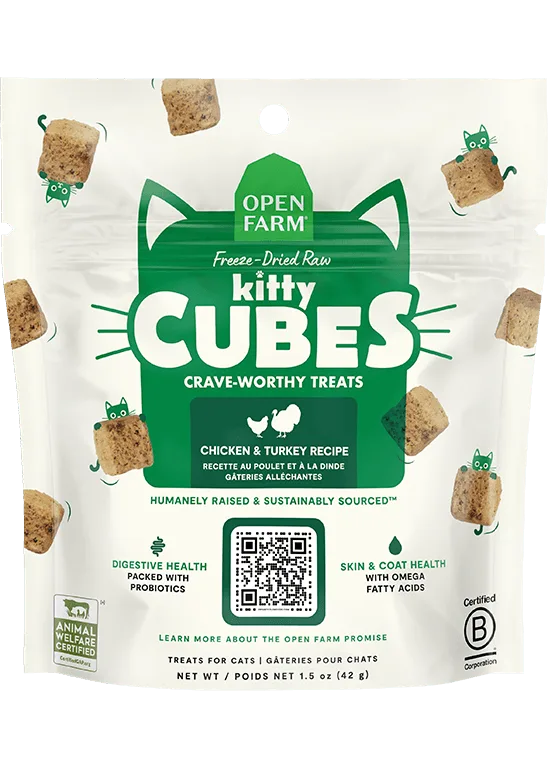
When transitioning to a novel protein diet, it’s important to choose a high-quality food that uses single or limited protein sources. Look for options that avoid fillers and artificial additives. For example, the Feline RawMix Plus Bundle from Open Farm offers a duck-based recipe that is both nutritious and gentle on sensitive stomachs. This bundle combines freeze-dried raw with wholesome ingredients, making it a convenient way to introduce duck into your cat’s diet.
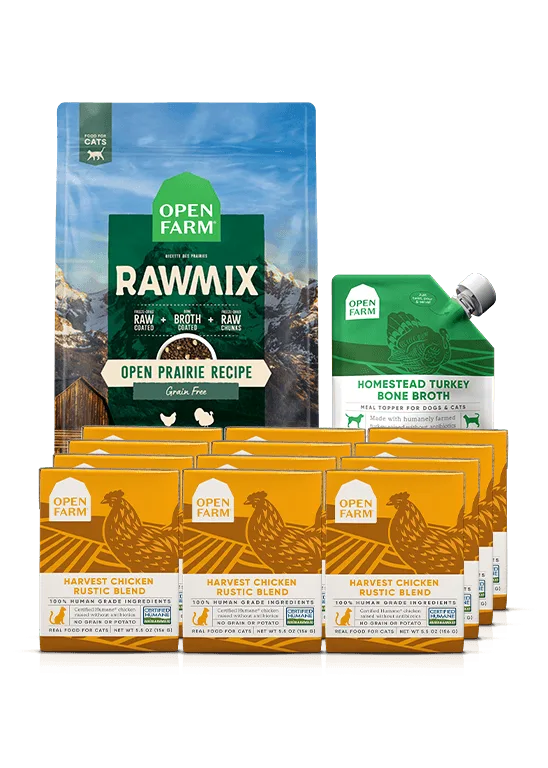
Feline RawMix Plus Bundle
- Tip: If your cat has chronic itching or digestive issues, try a duck-based diet for 8–12 weeks to see if symptoms improve.
Palatability: Which Protein Do Cats Prefer?
Cats can be notoriously picky eaters, and protein source often influences their enthusiasm for a meal. Chicken has a mild flavor that most cats accept readily, making it a reliable choice for finicky felines. However, some cats may become bored with chicken if it’s the only protein they’ve ever eaten. Duck offers a richer, more distinct taste that can stimulate a cat’s appetite and add variety to their diet.
Many cat owners find that rotating between proteins helps maintain their cat’s interest in food and ensures a broader nutrient intake. If your cat turns up their nose at chicken-based meals, trying a duck option might be the solution. For kittens or new additions to your home, the New Kitten Pack includes a variety of proteins, including duck, to help young cats develop diverse palates and robust nutrition from the start.
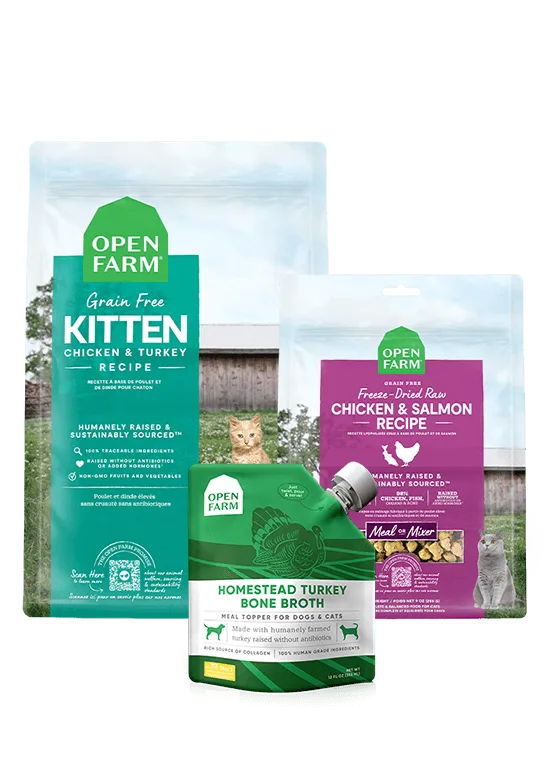
New Kitten Pack
- Tip: Rotate between duck and chicken every few weeks to prevent food boredom and provide a range of nutrients.
Digestibility and Nutrient Absorption
Both duck and chicken are highly digestible for cats, but individual tolerance can vary. Chicken is generally easier to digest due to its lower fat content, which can be beneficial for cats with sensitive stomachs or pancreatitis. However, some cats may struggle with chicken due to its commonality in their diet, leading to inflammation or poor absorption over time.
Duck, while slightly higher in fat, is still well-tolerated by most cats and can be easier on the digestive system for those with chicken sensitivities. Its fat content also aids in the absorption of fat-soluble vitamins like A, D, and E. When choosing a duck-based food, look for recipes that include prebiotics or probiotics to support gut health. The Feline RawMix Plus Bundle is designed with digestibility in mind, offering a balanced blend that supports optimal nutrient absorption.
- Tip: If your cat has a history of digestive upset, introduce duck slowly over 7–10 days to allow their system to adjust.
Sustainability and Ethical Sourcing
More pet owners are considering the environmental and ethical impact of their cat’s food. Chicken production has a lower carbon footprint than red meats, but it often involves intensive farming practices. Duck, while less common, can be sourced from pasture-raised or free-range farms that prioritize animal welfare and sustainable land use. Choosing a brand that transparently sources its ingredients can make a meaningful difference.
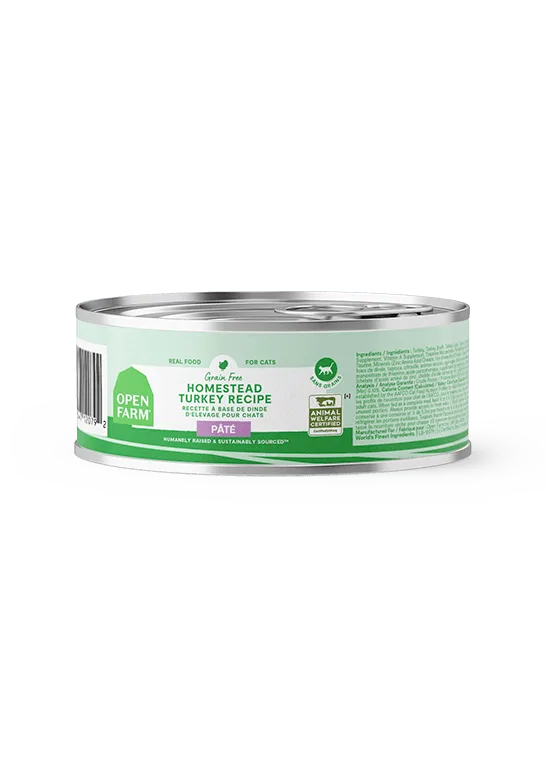
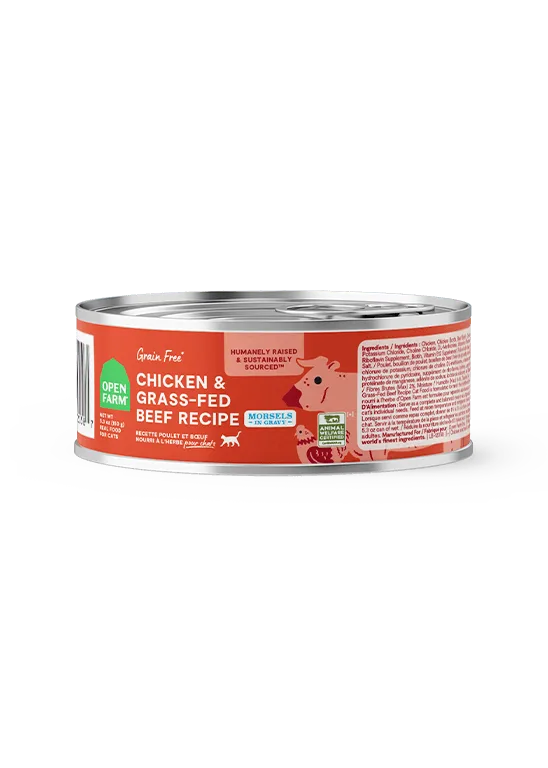
Open Farm is committed to ethical sourcing, offering both chicken and duck recipes that use humanely raised, antibiotic-free meats. Their supply chain is traceable, so you can see exactly where your cat’s protein comes from. This transparency not only supports your cat’s health but also aligns with values of sustainability and compassion. By selecting responsibly sourced duck or chicken, you contribute to a better food system for pets and the planet.
- Tip: Look for certifications like Global Animal Partnership (GAP) or Certified Humane when choosing duck or chicken cat food.
How to Choose Between Duck and Chicken Cat Food
The choice between duck and chicken ultimately depends on your cat’s individual needs. If your cat has no known allergies and enjoys a lean protein, chicken is a solid, affordable choice. If your cat has shown signs of food sensitivity, or if you simply want to offer more variety, duck is an excellent alternative. Consider your cat’s age, activity level, and any health conditions when making your decision.
For kittens and growing cats, a balanced diet with diverse proteins supports development. The New Kitten Pack is a great option for introducing both chicken and duck in a controlled way. For adult cats with specific dietary needs, the Feline RawMix Plus Bundle provides a convenient, nutrient-dense solution that includes duck as a primary protein. Always consult your veterinarian before making significant changes to your cat’s diet, especially if they have underlying health issues.
- Quick guide: Choose chicken for lean nutrition and budget-friendly feeding. Choose duck for novel protein needs, richer flavor, and allergy management.
Whether you opt for chicken or duck, the most important factor is choosing a high-quality cat food that meets your feline’s nutritional requirements. Both proteins offer unique benefits, and rotating between them can provide a well-rounded diet. If you’re ready to explore duck as a novel protein option, check out the Feline RawMix Plus Bundle for a premium, ethically sourced choice that supports your cat’s health from the inside out.