The gluten question decides everything
If you are cooking gluten-free, the choice between durum kernels and rice flour is not a matter of preference—it is a hard boundary. Durum wheat is a wheat species, so it contains gluten. The supplied record for ALBARAKEH Local Durum kernels describes them as durum kernels grown in Madaba, Jordan Valley, Al-Karak and Irbid, suitable for roasted wheat (galiyyeh), Bakkileh, saligah, burbarah and sprouting. It does not state that they are gluten-free, and no wheat kernel is.
Holistic Corner Organic Rice Flour, by contrast, is described as a gluten-free alternative to wheat flour made from finely ground whole grain rice. The record explicitly answers the question 'Does rice flour contain gluten?' with 'No, all types of rice flour, including malagkit flour, are naturally gluten-free.' That makes rice flour the only one of these two products suitable for a gluten-free kitchen.
So the practical answer is simple: for gluten-free cooking, use rice flour. Durum kernels belong in a different category of cooking entirely—one that includes gluten.
What each product record actually confirms
-
Holistic Corner Organic Rice Flour 500g: Holistic Corner Organic Rice Flour is a versatile and gluten-free alternative to wheat flour, made from finely ground whole grain rice. This is the core reason rice flour works for gluten-free baking and cooking, while durum kernels do not.
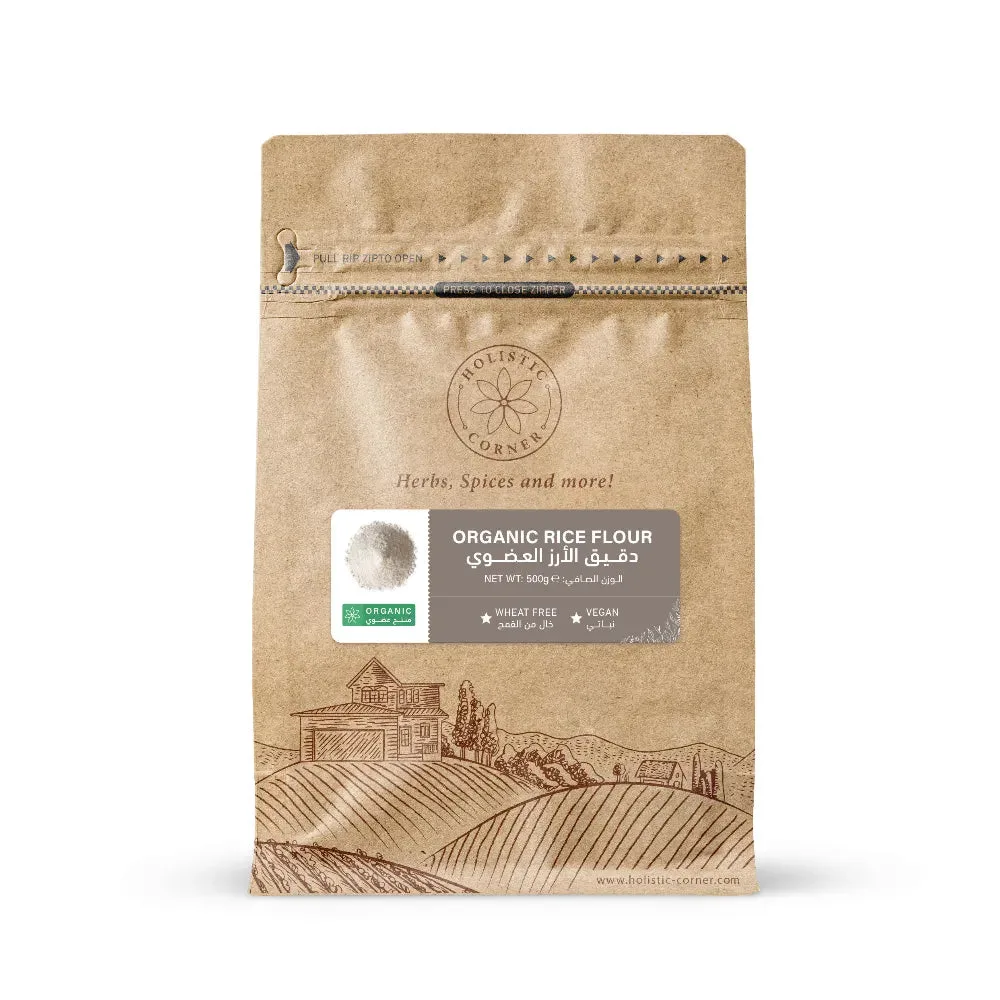
Holistic Corner Organic Rice Flour 500g
-
ALBARAKEH Local Durum kernels: Local Durum kernels, grown in Madaba, Jordan Valley, Al-Karak & Irbid. Suitable for making roasted wheat (galiyyeh), Bakkileh (roasted and ground wheat), saligah (steamed wheat), burbarah and for sprouting. These are the traditional uses the record supports. It does not claim gluten-free status or list gluten-free applications.
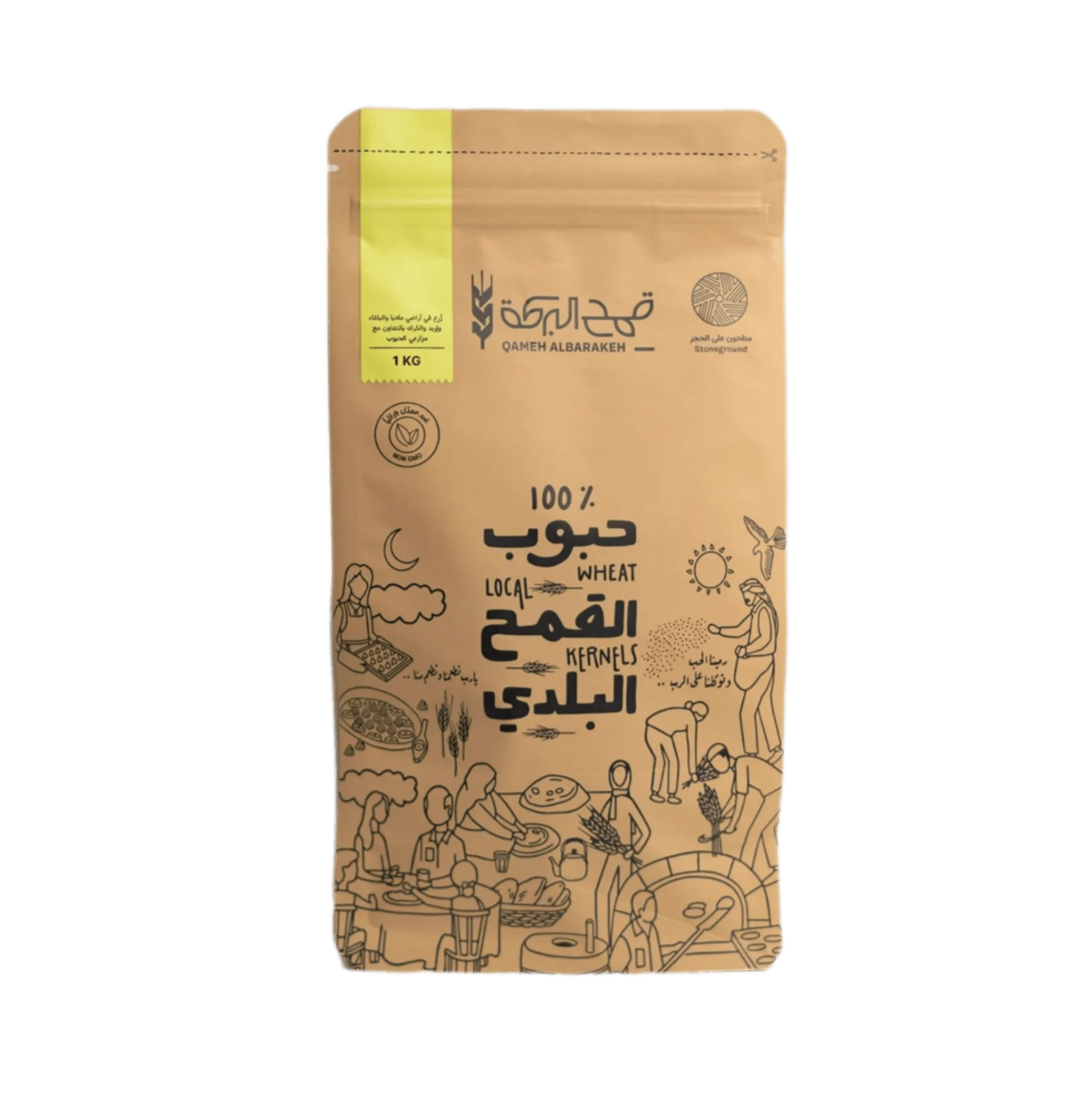
ALBARAKEH Local Durum kernels
-
Holistic Corner Organic Rice Flour 500g: It’s perfect for a wide variety of sweet and savory recipes, including biscuits, cakes, baked goods, and even as a thickener for sauces and soups. Rice flour covers both baking and thickening, giving it a broad role in gluten-free kitchens.
Cooking with durum kernels: what the record supports
The durum kernel record is specific about traditional preparations: galiyyeh (roasted wheat), Bakkileh (roasted and ground wheat), saligah (steamed wheat), burbarah, and sprouting. These are the uses the supplier lists. If you want to make those dishes, durum kernels are the right starting point.
What the record does not provide is a cooking method—no water ratios, soaking times, or steaming durations. That absence is a limitation of the supplied information, not a sign that the product cannot be cooked. For any recipe you find elsewhere, treat the kernel as a whole grain that needs cooking, and follow your recipe's instructions rather than guessing at times and temperatures.
As a durum wheat berries substitute, these kernels would work in dishes that call for whole durum wheat or similar hulled wheat berries—but only if gluten is not a concern. They are not a substitute for rice flour in gluten-free recipes.
Organic rice flour uses beyond gluten-free baking
The rice flour record lists biscuits, cakes, baked goods, sauces and soups as suitable uses. It also mentions rice flour cookies, rice flour cake, kutchinta, mochiko brownies and rice flour bread. For thickening, the record simply says it can be used as a thickener for sauces and soups, without specifying quantities—so start with small amounts and adjust.
The record also notes a non-culinary use: rice flour for face masks, mixed with honey and yogurt. That is a skincare application, not a cooking one, but it explains why the product is described as versatile.
One caution from the record: it states that rice flour does not cause digestive issues like constipation or diarrhea, and that only excessive consumption paired with an unhealthy lifestyle may contribute to weight gain. Those are the supplier's claims, not independent medical advice. If you have a medical condition, consult a professional.
Durum kernels and rice flour side by side
- Gluten status: Durum kernels: contain gluten (wheat). Rice flour: naturally gluten-free, confirmed by the record.
- Best for: Durum kernels: traditional dishes like galiyyeh, Bakkileh, saligah, burbarah, and sprouting. Rice flour: gluten-free biscuits, cakes, baked goods, sauces, soups, and thickeners.
- Form: Durum kernels: whole grains. Rice flour: finely ground flour.
- Cooking instructions in record: Durum kernels: none supplied. Rice flour: none supplied beyond general use categories.
- Price (catalog): Durum kernels: USD 1.37 for the standard variant. Rice flour: USD 5.33 for 500g.
Which should you buy?
If you are cooking gluten-free—whether for celiac disease, sensitivity, or preference—choose Holistic Corner Organic Rice Flour. It is the only one of the two that fits a gluten-free kitchen, and its record covers a wide range of sweet and savory uses.
If you want to make traditional dishes like galiyyeh or Bakkileh, or you want to sprout wheat, ALBARAKEH Local Durum kernels are the appropriate choice. Just keep them away from gluten-free preparations.
You can stock both if your household has mixed needs, but store them separately and label clearly to avoid cross-contact. The records do not provide storage instructions, so follow general best practices for flour and whole grains.
Product facts that matter for this decision
- Holistic Corner Organic Rice Flour 500g: It’s finely ground using stone mills to produce a soft and fluffy texture perfect for various culinary applications like glutinous rice flour in traditional Asian recipes, and beauty treatments such as rice flour for face masks. The fine grind makes it suitable for baking and thickening, unlike whole kernels.
- ALBARAKEH Local Durum kernels: Suitable for making roasted wheat (galiyyeh), Bakkileh (roasted and ground wheat), saligah (steamed wheat), burbarah and for sprouting. These are the only uses the record confirms, and none are gluten-free.