Quick answer
Dutch Licorice Tea is a rooibos-based blend with aniseed and sunflower petals, giving it a sweet, black-licorice flavor. Brew it with freshly boiled water for about 5–7 minutes; because it has no true tea leaves, it won't turn bitter if you steep a little longer.
Why this blend tastes sweet without sugar
The sweetness in Dutch Licorice Tea comes from aniseed, not from added sugar or licorice root. Aniseed supplies a natural, candy-like licorice note that sits on top of the rooibos base. Rooibos itself is mild and slightly woody, so it supports the anise instead of competing with it. Sunflower petals add a soft visual touch but little flavor. If you have had licorice root tea before, expect this cup to be sweeter and more aromatic, with less of the earthy, medicinal edge that licorice root can bring.
What to expect if you usually drink black tea
Dutch Licorice Tea has no caffeine because it contains no Camellia sinensis leaves. That makes it a reasonable evening option if caffeine keeps you up. The body is lighter than a typical black tea, and the flavor is distinctly licorice-forward rather than malty or brisk. If you dislike anise or black licorice candy, this blend is probably not for you; the aniseed is the main event, not a background note.
Dutch Licorice Tea questions, answered
Is licorice tea sweet?
Yes, this one is sweet, but the sweetness comes from aniseed rather than sugar or licorice root. The flavor is often described as black-licorice candy: sweet, aromatic, and slightly cooling. It contains no added sweetener, so the sweetness is gentle and won't taste syrupy. If you want a sweet cup without sugar, this blend delivers that; if you want a savory or earthy cup, look elsewhere.
How do I brew licorice tea?
Use freshly boiled water (about 200–212°F / 93–100°C) and one heaping teaspoon of loose tea per 8–10 oz cup. Steep for 5–7 minutes. Because the base is rooibos, you can stretch the steep to 10 minutes if you prefer a stronger anise flavor without bitterness. Strain and drink hot. A longer steep is safe here; unlike black tea, it won't turn harsh.
What does licorice root tea taste like compared with this blend?
Licorice root tea is earthy, woody, and mildly sweet with a lingering medicinal note. Dutch Licorice Tea is brighter and more candy-like because aniseed leads the flavor, with rooibos adding a soft, rounded base. Neither contains actual licorice root unless the label says so, and this blend does not. Choose Dutch Licorice for a sweeter, more aromatic cup; choose licorice root tea if you want an earthy, herbal profile.
Can I add milk or sugar?
You can, but taste it first. The aniseed already provides sweetness, and milk can mute the aromatic top notes. If you want a richer cup, a splash of milk works, but start small so the licorice flavor stays clear. Try it plain before adding anything; the blend is designed to stand on its own.
How should I store it?
Keep the tea in an airtight container away from light, heat, and strong odors. Aniseed is aromatic and can pick up surrounding smells, so store it separately from coffee or spices. Use within the recommended period on the package for the best flavor. Proper storage protects the delicate anise aroma that defines this blend.
About the tea in this guide
-
Dutch Licorice: Dutch Licorice is a rooibos blend with aniseed, sunflower petals, and natural flavor, sold by size. The rooibos base means you can steep it longer than a true tea without bitterness, and the size option lets you match the amount to how often you drink it.
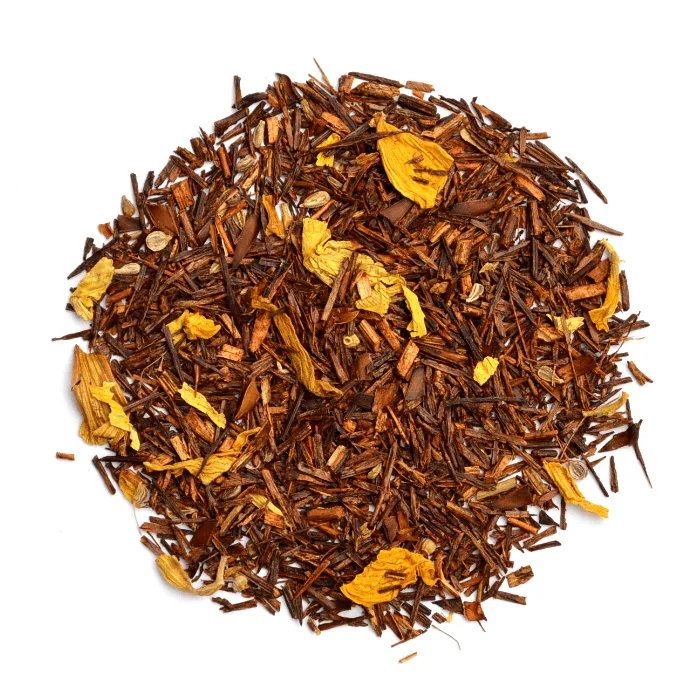
Dutch Licorice