Quick answer
If you bake bread or make big stews, choose the Caraway Dutch Oven. If you want a versatile pot that moves easily from stovetop to oven for braises and roasts, the Rondeau is your pick.
Shape and capacity: what changes in the kitchen
The Dutch Oven holds 6.5 quarts with tall, straight sides — ideal for deep stews, soups, and the tall rise you want in bread. The Rondeau holds 6 quarts with wider, lower walls, which gives you more surface area for searing and reducing liquids quickly.
Both pots use Caraway's non-toxic ceramic coating, so you get a non-stick surface without the chemicals found in some traditional non-stick pans. That matters if you're cooking for a family and want to avoid coatings that can break down over time.
The trade-off is simple: the Dutch Oven gives you depth, the Rondeau gives you width. If you regularly cook for a crowd or batch-cook, the half-quart difference is minor — but the shape will change how you use the pot.
Cooking styles: stews and bread vs braises and roasts
Baking bread is a standout use for the Dutch Oven. Its tall walls trap steam, helping loaves rise and develop a crispy crust. For stews and roasts, the depth also means you can layer ingredients without crowding.
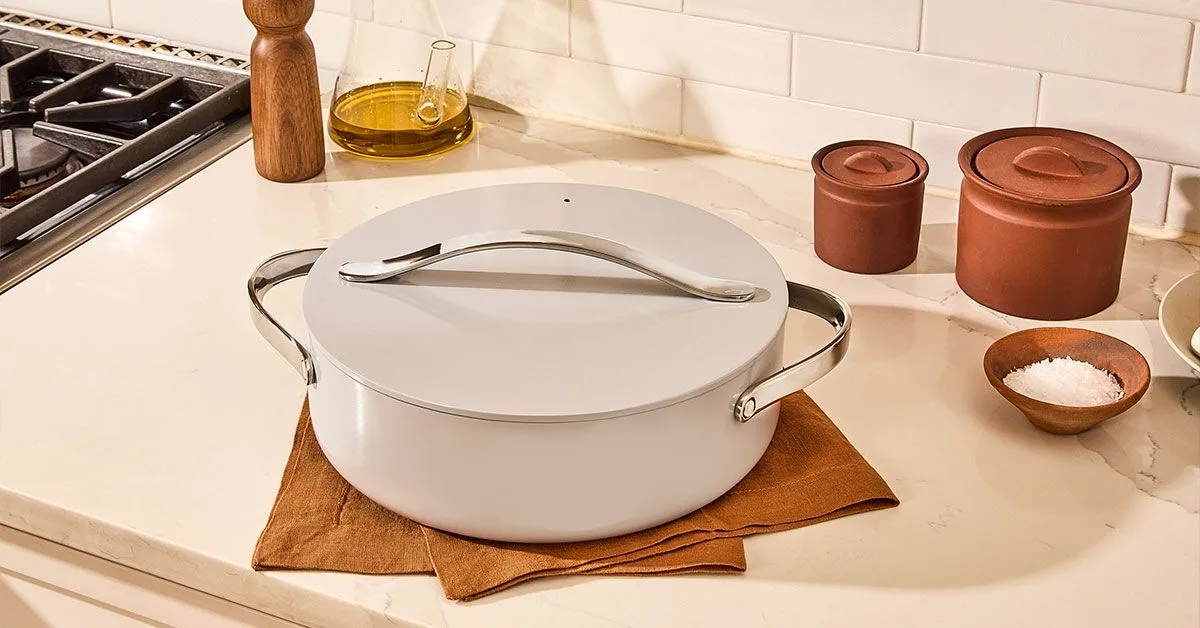
The Rondeau's high walls — though lower than the Dutch Oven's — are still taller than a skillet, so it can handle braising and roasting with more surface area for browning. You can start a braise on the stovetop, then transfer to the oven without switching pans.
If you already have a stock pot or deep pot, the Rondeau adds more versatility. If you bake bread regularly, the Dutch Oven is the more specialized tool.
Trade-offs to consider before you buy
- Capacity: Dutch Oven holds 6.5 quarts; Rondeau holds 6 quarts. For big batches or bread, the extra half-quart in the Dutch Oven helps. For most everyday meals, the difference is negligible. If you often cook for more than four people, the Dutch Oven's extra capacity is worth it.
- Shape and surface area: Dutch Oven has tall, narrow walls; Rondeau is wider and lower. The Rondeau's larger surface area sears meat more efficiently and reduces sauces faster. The Dutch Oven's depth suits soups and bread. Think about what you cook most: searing and braising favor the Rondeau; soups and bread favor the Dutch Oven.
- Versatility: Both are non-toxic and non-stick, and both go from stovetop to oven. The Rondeau is more like a hybrid between a skillet and a pot, making it a better all-rounder. The Dutch Oven is more specialized for deep cooking. If you want one pot that does a bit of everything, the Rondeau is more flexible.
Product facts at a glance
-
Dutch Oven: Caraway's 6.5-qt Dutch Oven features a non-toxic ceramic coating, making it the best choice for healthy cooking. Ideal for stews, roasts, and bread baking. The non-toxic coating lets you cook without worrying about harmful chemicals, and the size and shape are perfect for tall loaves and hearty one-pot meals.
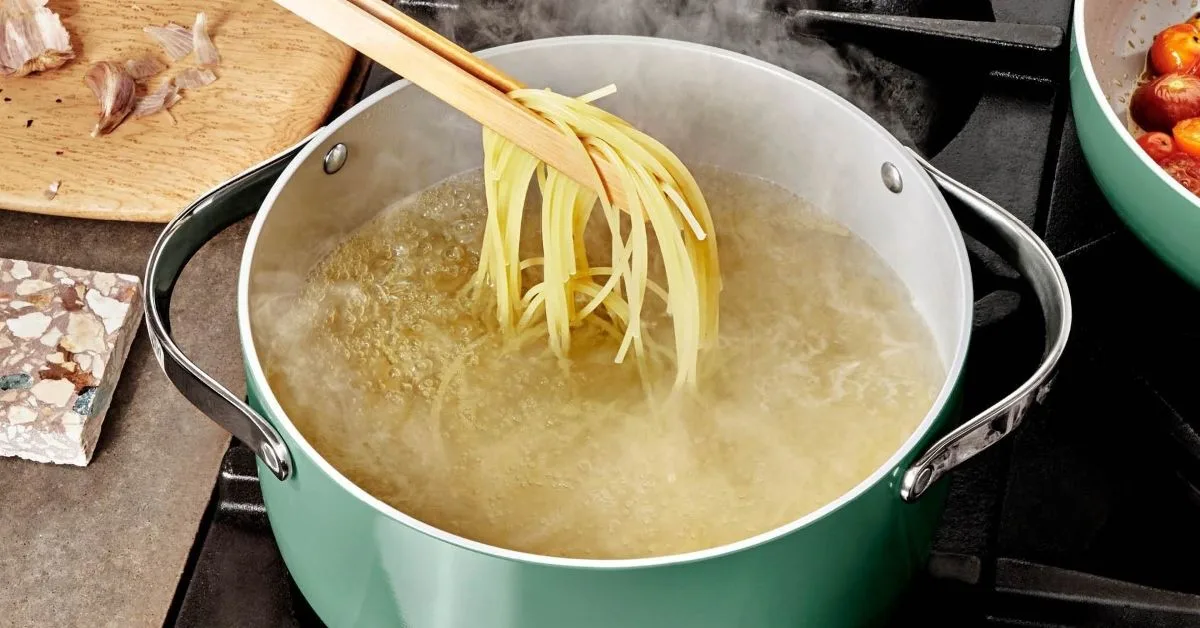
Dutch Oven
-
Rondeau: Caraway's 6-qt ceramic rondeau pan offers a non-toxic, non-stick surface with high walls, perfect for braising, roasting, & versatile stovetop-to-oven cooking. The wider profile gives you more room to sear and brown, while the high walls contain splatters — great for recipes that start on the burner and finish in the oven.
Rondeau
Which one fits you?
Best for
- Home bakers who want a dedicated pot for bread with a tall, even rise
- Families that regularly cook large stews, soups, or roasts and need the extra half-quart
Not for
- Cooks who prefer a wider cooking surface for searing and braising — the Rondeau is a better fit