Quick Answer
Choose a duvet cover if you want an easily washable, adjustable layer that lets you change your bedroom's look without buying a new comforter. Choose a quilt if you prefer a lighter, decorative layer that's simple to maintain and often works as a standalone cover in warmer months. The right choice depends on your climate, cleaning habits, and how much versatility you want from your bedding.
When you're updating your bed, the duvet cover versus quilt debate comes down to more than looks. Both add style and comfort, but they serve different roles in your sleep setup. A duvet cover is a protective, washable shell for a comforter or insert, while a quilt is a complete, often lighter bedding layer on its own. Understanding these differences helps you pick the option that fits your needs—and your cleaning routine.
In this comparison, we'll look at warmth, maintenance, versatility, and style. We'll also share how to layer both if you want the best of both worlds, and point out which choice suits different sleepers and seasons.
What Is a Duvet Cover?
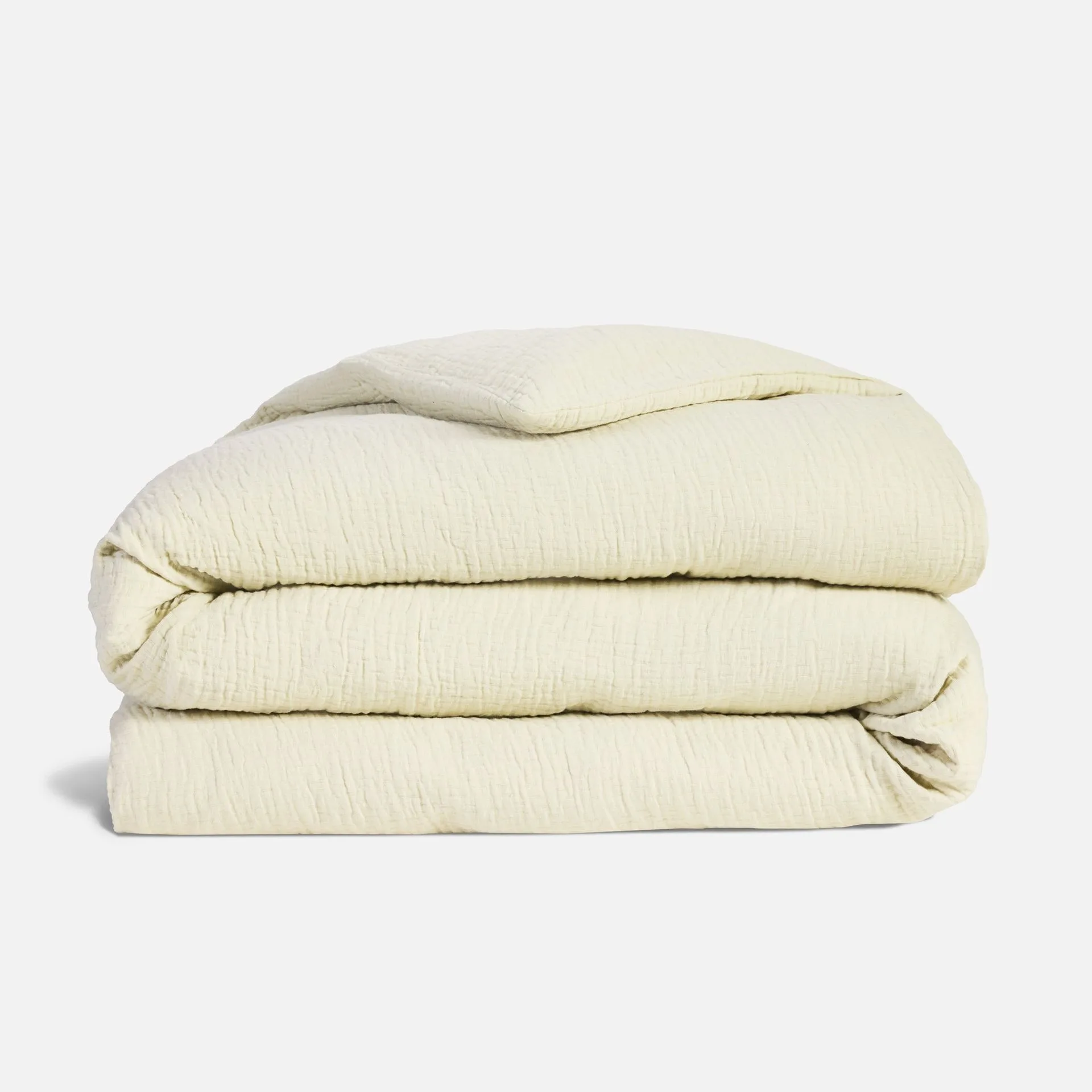
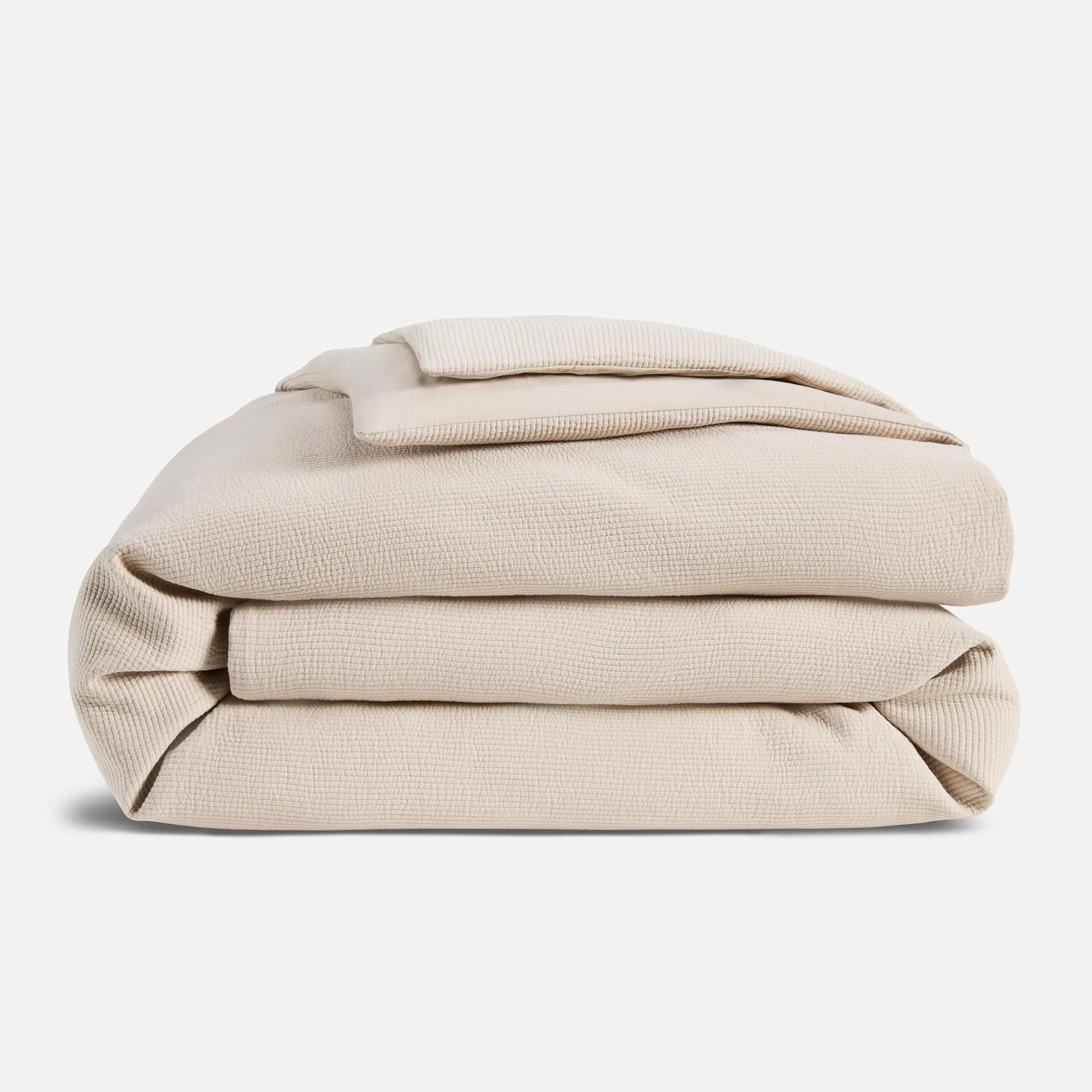
A duvet cover is a removable, washable fabric shell that slips over a comforter or duvet insert. It's typically closed with buttons, ties, or zippers, and it's designed to protect the insert while letting you change your bedding's look without buying a new comforter. Duvet covers come in various weaves—like percale or sateen—so you can choose the feel that matches your preference.
The main advantage of a duvet cover is versatility. You can switch covers seasonally or whenever you want a fresh aesthetic, and the insert stays protected. Washing a duvet cover is easier than washing a bulky comforter, which is a practical win for many households.
- Consider a duvet cover if you like changing your bedroom decor frequently or want to protect a high-quality comforter.
What Is a Quilt?
A quilt is a complete bedding layer made of three layers: a decorative top, an insulating batting, and a backing, all stitched together. Quilts are typically lighter than comforters and can be used alone in warmer months or layered with other bedding for extra warmth. They come in a wide range of patterns and colors, making them a popular choice for adding personality to a room.
Quilts are generally easier to care for than duvets because they're one piece—no separate cover to remove. Many quilts are machine washable, which simplifies maintenance. However, they may not provide the same level of warmth as a comforter with a high-fill insert, so consider your climate and sleeping temperature.
- If you sleep warm or live in a mild climate, a quilt might be all you need for most of the year.
Duvet Cover vs. Quilt: Key Differences
The biggest difference is structure. A duvet cover is just the shell; it needs an insert to provide warmth. A quilt is a self-contained layer with its own insulation. This means a duvet cover offers more flexibility—you can use different inserts of varying weights—while a quilt is a fixed warmth level.
Maintenance also differs. Duvet covers are easy to remove and wash, but you'll need to manage the insert, which may require occasional airing or professional cleaning. Quilts are simpler: just wash and dry the whole piece. However, large quilts can be heavy when wet, so check your washer's capacity.
Style-wise, duvet covers offer a smooth, often more tailored look, while quilts add texture and a handmade, casual feel. Your choice may come down to the aesthetic you want for your bedroom.
- Think about how much effort you want to put into washing—duvet covers require more steps, but they also let you refresh your look easily.
Can You Layer a Duvet Cover and Quilt?
Yes, layering a duvet cover and a quilt is a practical way to add warmth and visual depth. For example, you can use a quilt as a top layer over a duvet-covered comforter, or place a quilt at the foot of the bed for extra insulation on cold nights. This approach gives you flexibility: remove the quilt when you don't need it, and keep the duvet as your base.
When layering, consider weight and fabric. A lightweight quilt, like one made of cotton gauze, pairs well with a mid-weight duvet without feeling bulky. The key is to balance warmth and breathability so you don't overheat.
- Use a quilt as a decorative and functional top layer—it's easy to fold back or remove as temperatures change.
Tradeoffs at a Glance
- Warmth: Duvet covers rely on the insert for insulation, so you can adjust warmth by swapping inserts. Quilts have fixed insulation, which may be lighter than a high-fill comforter. If you need adjustable warmth, go with a duvet cover. If you prefer a set weight, choose a quilt.
- Maintenance: Duvet covers are easy to wash but require removing and replacing the cover. Quilts are one-piece and can be washed directly, though large quilts may be heavy when wet. If you want minimal fuss, a quilt is simpler. If you don't mind a few extra steps, a duvet cover offers easy cleaning.
- Style Versatility: Duvet covers let you change your bedroom's look by swapping covers. Quilts are a complete design element with unique patterns and textures. If you like redecorating often, a duvet cover is more versatile. If you want a one-and-done style piece, a quilt is your pick.
Product Facts
- Caroline Z. Hurley Blockprint Quilt: Our Caroline Z. Hurley exclusive Blockprint Quilt is colorful and playful, just like everything the Brooklyn-based painter and textile designer creates. This one-of-a-kind quilt features a botanical block-printed pattern created by stamping over 1,000 times, meaning no two are alike. Made of 100% cotton gauze with a looser and more open weave, this soft, airy layer drapes like a dream. If you're leaning toward a quilt, this option offers a lightweight, breathable layer that's perfect for warmer sleepers or as a decorative topper. Its unique pattern adds personality without adding bulk.
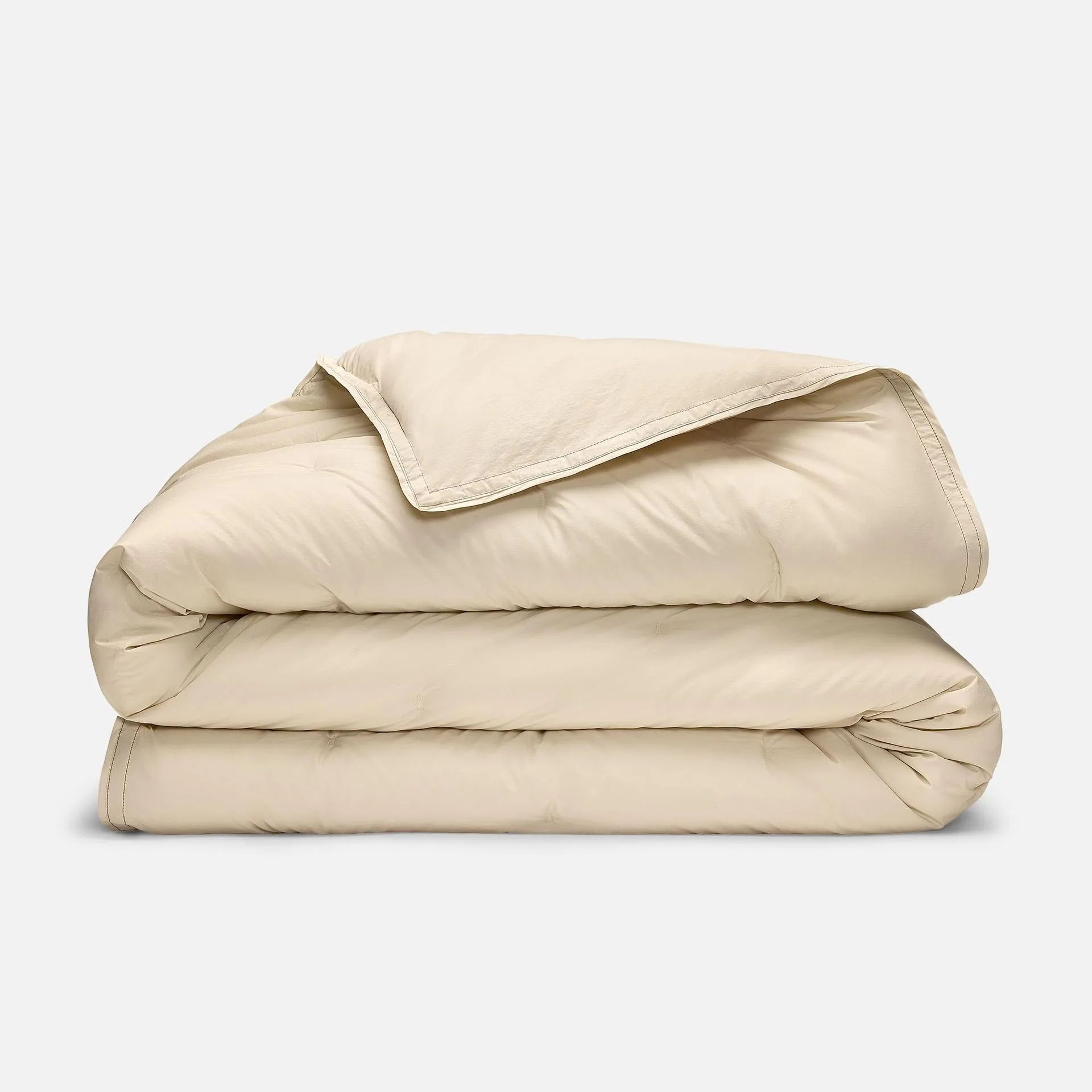
- https://brooklinenstore.com/products/washed-classic-percale-comforter-47446Washed Classic Percale Comforter: Meet our first ever one fluff and done comforter, the Washed Classic Comforter. It’s the weekend-vibe of our sheets, but in comforter form. Machine washable and no duvet cover required, bedtime doesn’t get easier than this. If you like the idea of a duvet but want to skip the cover, this comforter is a hybrid option—it's washable as a single piece, like a quilt, but offers the fluffiness of a comforter. It's a good middle ground for those who want easy care with a plush feel.
Which Should You Choose?
Best for
- Sleepers who want to adjust warmth easily by changing the duvet insert.
- People who enjoy refreshing their bedroom decor without buying a whole new comforter.
Not for
- Those who prefer a simple, one-piece bedding layer with minimal maintenance.
- Hot sleepers who need a lightweight, breathable option for warm nights.
Ultimately, the choice between a duvet cover and a quilt comes down to your priorities. If you value versatility and easy style changes, a duvet cover is a smart investment. If you prefer simplicity and a lighter, decorative layer, a quilt may be your perfect match. And if you can't decide, layering both gives you the best of both worlds—adjustable warmth and a stylish, textured look.