Quick Answer
To dye natural hair without damaging your curls, start with a deep conditioning treatment, choose a gentle, moisturizing dye, and follow a careful application process that minimizes manipulation. After coloring, commit to a hydrating aftercare routine to maintain both color and curl health.
Coloring natural hair is a bold, beautiful choice, but it comes with risks. The chemical process can strip moisture, weaken the protein structure, and leave curls dry or brittle. The good news? With the right preparation, technique, and aftercare, you can achieve vibrant color while keeping your curls healthy and bouncy.
This guide walks you through a step-by-step process—from pre-treatment to post-color care—so you can color with confidence. We'll also highlight products that support moisture and strength along the way.
Why Natural Hair Needs Special Care When Dyeing
Natural hair, especially curly and coily textures, has a unique structure. The bends and twists in the hair shaft create weak points where moisture can escape and damage can occur. Chemical dyes open the cuticle to deposit color, which can exacerbate dryness if not managed properly.
Additionally, natural hair is often more porous, meaning it absorbs products—and chemicals—quickly. This can lead to over-processing if you're not careful. That's why choosing a gentle, moisturizing formula and following a pre-treatment routine is non-negotiable.
- Always do a strand test before full application to gauge how your hair reacts.
- Avoid overlapping color on previously dyed sections to prevent breakage.
Pre-Treatment: Strengthen and Hydrate Before You Dye
In the weeks before coloring, focus on deep conditioning and protein treatments to fortify your hair. This helps minimize damage during the chemical process. A rich hair mask with nourishing oils can improve elasticity and reduce breakage.
On the day of coloring, avoid washing your hair immediately before—unless the dye instructions say otherwise. The natural oils on your scalp provide a protective barrier. However, if you use heavy products, a gentle cleanse with a sulfate-free shampoo is fine, as long as your hair is completely dry before applying dye.
- Deep condition 24-48 hours before coloring for best results.
Choosing the Right Dye for Curly Hair
Not all hair dyes are created equal. Look for formulas that are free of ammonia and harsh sulfates, as these can be especially drying. Cream-based dyes often provide more moisture than liquid formulas. Also, consider dyes that include conditioning agents or natural oils.
The Mink Hair Dye is a great option—it features a premium natural formula and is designed to be gentle on all hair types. It comes in shades like Black, Burgundy, and Brown, and promises long-lasting, fade-resistant color with a glossy finish. This can be a smart pick for natural hair because it focuses on both color and condition.
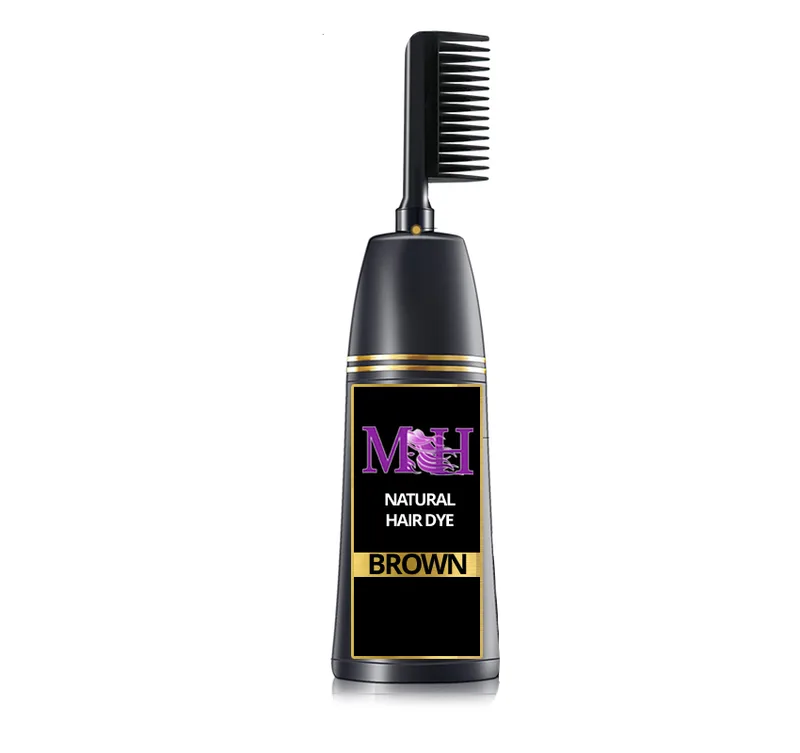
Mink Hair Dye
- Check the ingredient list for moisturizing oils like argan or coconut.
Post-Color Aftercare: Keep Your Color and Curls Vibrant
After coloring, your hair needs extra TLC. Switch to a sulfate-free shampoo and conditioner to prevent fading. Deep condition weekly with a mask that replenishes moisture. Also, limit heat styling and always use a heat protectant when you do.
Incorporate a leave-in conditioner or hair cream to seal in moisture and define curls. Products with sweet almond oil, like the Rejuvenating Hair Cream / Hair Mask with Sweet Almond, can help soften and manage dry-feeling hair, making it easier to style and maintain your new color.
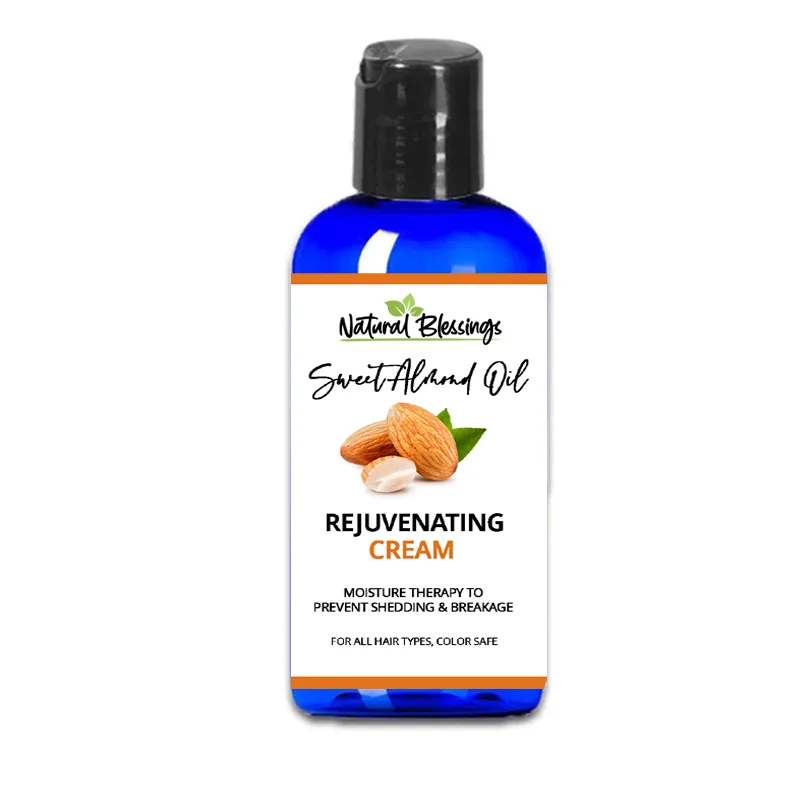
Rejuvenating Hair Cream / Hair Mask with Sweet Almond
- Wait at least 48 hours before washing your hair after coloring to allow the color to set.
Step-by-Step: Dyeing Natural Hair Without Damage
- Deep Condition Before Coloring: Apply a rich hair mask 24-48 hours before dyeing. Focus on the ends and any dry areas. This preps your hair to withstand chemical stress. Checkpoint: Your hair should feel soft and hydrated, not brittle.
- Choose a Gentle, Moisturizing Dye: Opt for a dye free of ammonia and sulfates. Cream formulas with conditioning agents are best. Consider Mink Hair Dye for its natural, gentle formula. Checkpoint: Read the label to ensure it's suitable for all hair types and won't strip moisture.
- Do a Strand Test: Mix a small amount of dye and apply to a hidden strand. Wait the recommended time, then rinse. This shows how your hair will react and the resulting color. Checkpoint: If the strand feels dry or breaks, adjust your pre-treatment or choose a different formula.
- Apply Dye to Dry, Detangled Hair: Section your hair into four parts. Apply dye from roots to ends, but avoid overlapping on previously colored areas. Use a wide-tooth comb to distribute evenly. Mistake to avoid: Don't apply to wet hair—it dilutes the dye and can cause uneven color.
- Rinse and Condition Thoroughly: Rinse with cool water until the water runs clear. Follow with a color-safe conditioner. Avoid shampoo for at least 48 hours to let the color set. Checkpoint: Your hair should feel soft, not stripped or rough.
- Follow a Weekly Moisture Routine: Deep condition weekly with a moisturizing mask like Rejuvenating Hair Cream. Use sulfate-free products and limit heat styling to maintain both color and curl health. Checkpoint: Your curls should remain defined and elastic, not dry or frizzy.
Products That Support Healthy Color
- Mink Hair Dye: Premium natural formula crafted by Shashicka Tyre-Riley — results you can see and feel. Achieve rich, vibrant color with our premium Mink Hair Dye — available in three stunning shades: Black, Burgundy, and Brown. Formulated for long-lasting, fade-resistant color that leaves hair looking glossy and full of life. Gentle formula suitable for all hair types. Its gentle, natural formula is ideal for natural hair, helping minimize damage while delivering vibrant, long-lasting color.
- Rejuvenating Hair Cream / Hair Mask with Sweet Almond — 2oz: Helps hair feel soft, conditioned, and easier to manage. Works as a cream or mask-style moisture step. Good for wash-day care, protective styles, and weekly routines. Sweet almond oil helps support a nourishing haircare feel. After coloring, your hair needs extra moisture. This cream or mask can restore softness and manageability, keeping your curls healthy.
Dyeing natural hair doesn't have to mean sacrificing its health. With the right preparation, a gentle dye, and a consistent aftercare routine, you can enjoy beautiful color while keeping your curls strong and moisturized. Remember to always listen to your hair—if it feels dry, adjust your routine. Happy coloring!