When it comes to fueling long runs, cycling sessions, or high-volume training, the debate between EAA + electrolytes and BCAAs is a common one. Both are popular endurance supplements, but they serve different purposes in your body. Understanding the difference can help you choose the right amino acid supplement for your goals.
In this guide, we'll break down what each supplement offers, how they affect your endurance, and which one might be the better choice for your training. We'll also look at how they fit into a broader hydration and recovery strategy.
What Are BCAAs and How Do They Work?
Branched-chain amino acids (BCAAs) consist of three essential amino acids: leucine, isoleucine, and valine. They are called 'branched-chain' because of their chemical structure. BCAAs are unique because they are metabolized directly in the muscle rather than the liver, making them a quick source of fuel during exercise.
During endurance exercise, your body can break down muscle protein for energy, especially when glycogen stores run low. BCAAs, particularly leucine, help reduce this muscle breakdown and may delay fatigue. Many athletes use BCAAs during long workouts to preserve muscle mass and support recovery.
- Contains only three amino acids: leucine, isoleucine, and valine.
- May help reduce muscle soreness and support muscle protein synthesis.
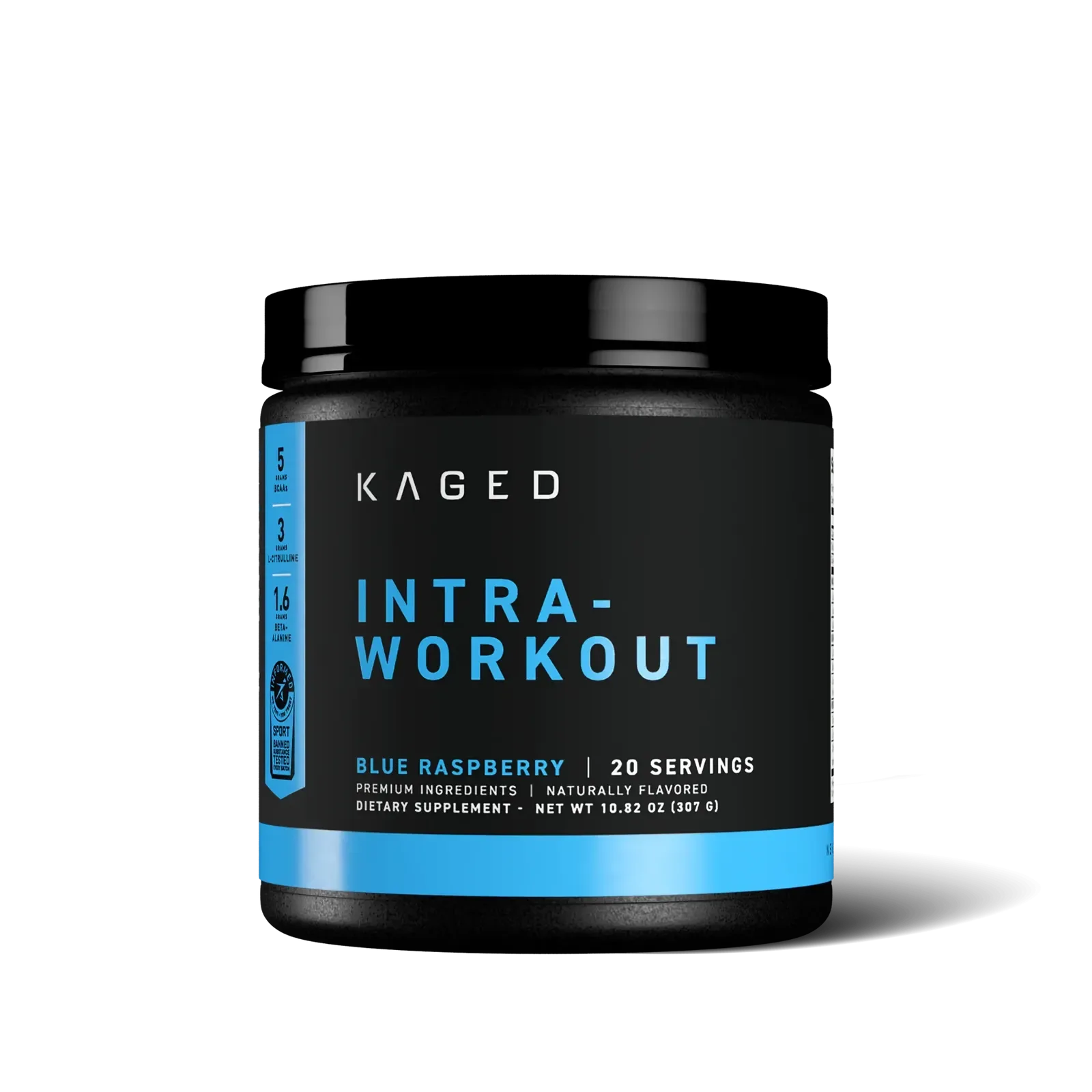
- Often consumed intra-workout for quick absorption.
What Are EAAs and Electrolytes?
Essential amino acids (EAAs) include all nine amino acids your body cannot produce on its own: histidine, isoleucine, leucine, lysine, methionine, phenylalanine, threonine, tryptophan, and valine. Unlike BCAAs, EAAs provide a complete amino acid profile, which is necessary for optimal protein synthesis and recovery.
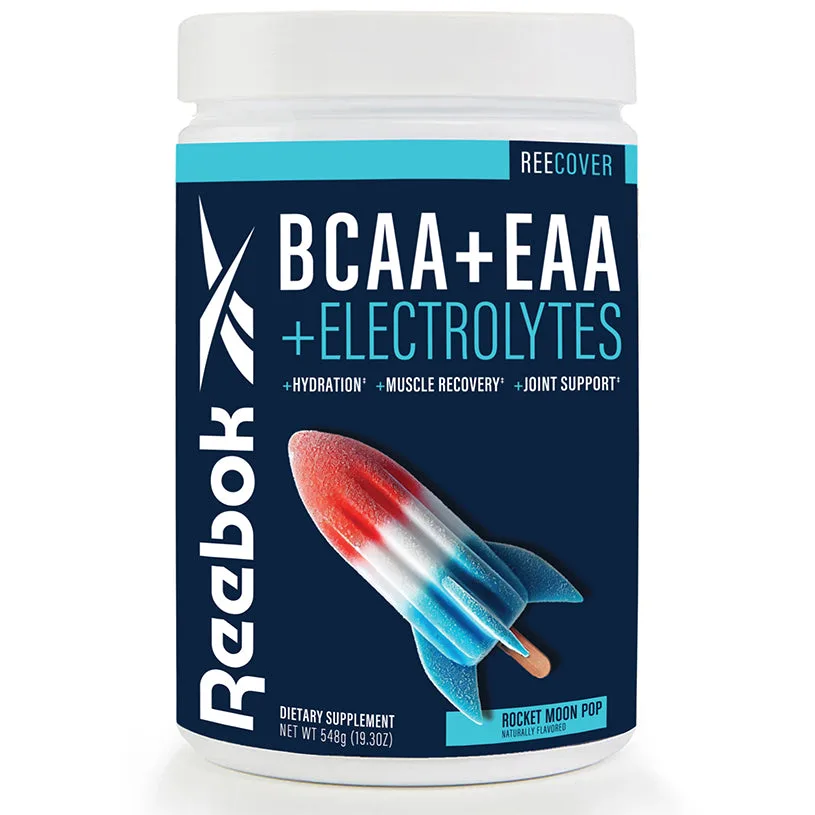
Adding electrolytes to EAAs creates a dual-purpose drink: it supplies amino acids for muscle support while also replenishing sodium, potassium, and magnesium lost through sweat. This combination is especially beneficial for endurance athletes who need both hydration and muscle preservation during long sessions.
- Includes all nine essential amino acids for complete protein support.
- Electrolytes help maintain fluid balance and prevent cramping.
- Supports both muscle recovery and hydration in one drink.
EAA + Electrolytes vs. BCAAs: Key Differences for Endurance
The main difference lies in the amino acid profile. BCAAs are a subset of EAAs, so they lack the other six essential amino acids. For endurance athletes, this matters because a complete amino acid pool is needed to maximize muscle protein synthesis and reduce overall muscle damage. Studies suggest that EAAs may be more effective than BCAAs alone for promoting recovery.
Electrolytes add another layer: they help maintain nerve function and muscle contraction, which is critical during prolonged exercise. While BCAAs can help with muscle preservation, they don't address hydration. For endurance events lasting over an hour, replacing electrolytes becomes crucial to avoid cramping and performance decline.
- EAAs provide all nine essential amino acids; BCAAs provide only three.
- Electrolytes in an EAA drink support hydration and prevent cramping.
- BCAAs may be sufficient for shorter, less intense workouts, but EAAs are more comprehensive.
Which Is Better for Endurance?
For endurance athletes, EAA + electrolytes generally offer a more complete solution. The combination addresses both muscle preservation and hydration, which are two pillars of endurance performance. If you're training for a marathon, long-distance cycling, or high-volume CrossFit, an EAA + electrolyte drink can help you sustain intensity and recover faster.
However, BCAAs can still be useful, especially if you're already consuming enough protein throughout the day and only need a quick intra-workout boost. They are also more cost-effective and have a simpler taste profile. But if you're looking for a single supplement that covers multiple needs, EAA + electrolytes is the better investment.
- Choose EAA + electrolytes for comprehensive support during long sessions.
- Consider BCAAs if your diet is protein-rich and you need a quick, simple option.
- Hydration needs increase with duration and intensity—electrolytes become more important.
How to Incorporate EAA + Electrolytes into Your Routine
To get the most out of an EAA + electrolyte supplement, mix it with water and sip it during your workout. Start with a half-scoop to assess tolerance, then adjust based on your sweat rate and session length. For sessions over 90 minutes, consider adding an extra serving to maintain electrolyte levels.
It's also important to pair your intra-workout nutrition with a solid post-workout meal containing protein and carbohydrates. Supplements like ProSupps' Creatine Monohydrate can complement your routine by supporting strength and power, which is beneficial for endurance athletes who also do strength training.
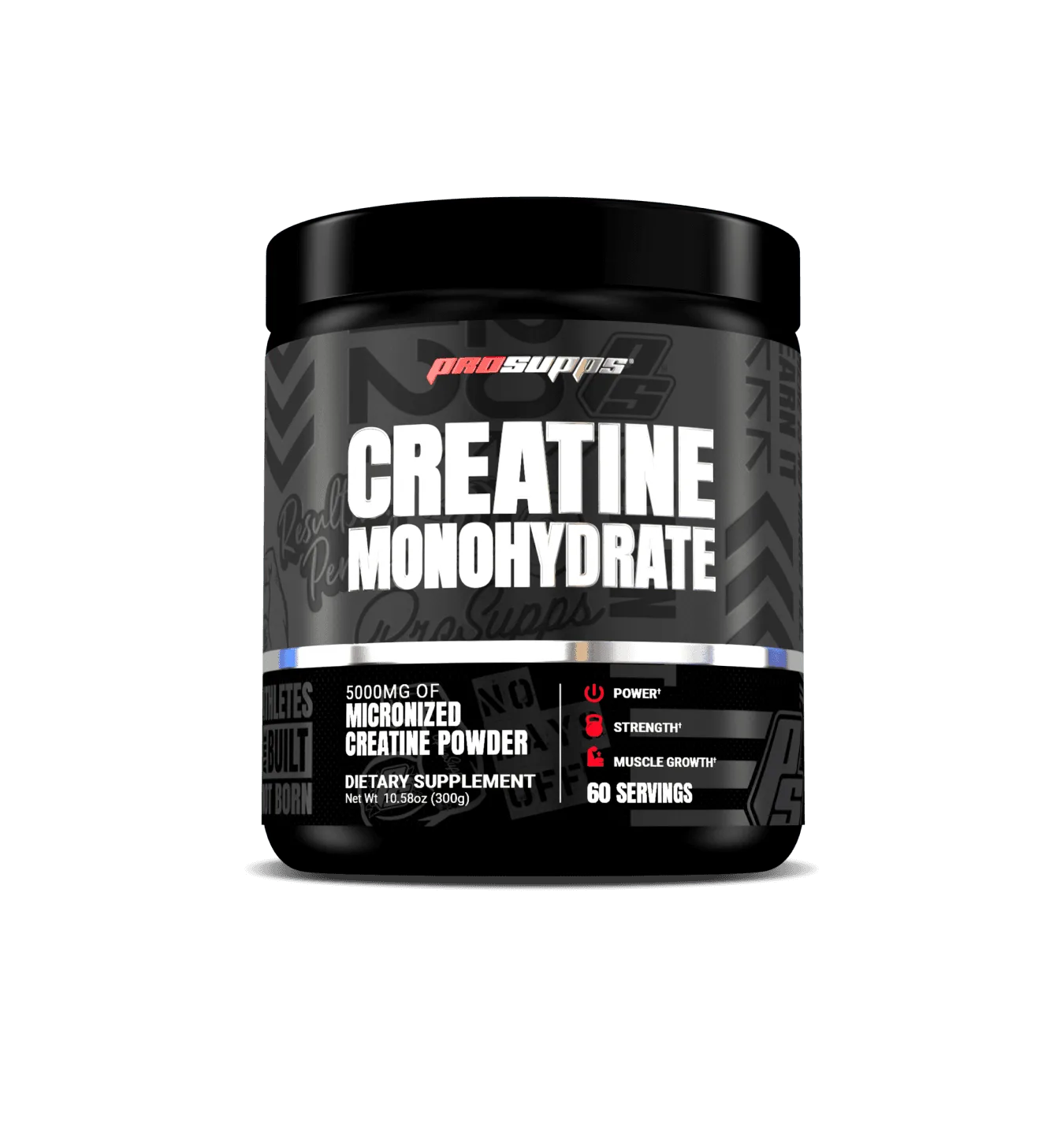
Creatine Monohydrate
- Sip EAA + electrolytes throughout your workout rather than chugging all at once.
- Adjust serving size based on sweat rate and workout duration.
- Combine with a balanced post-workout meal for optimal recovery.
Consider Your Training Goals and Preferences
Your choice between EAA + electrolytes and BCAAs should also depend on your personal goals. If you're focused on endurance and hydration, the former is a clear winner. If you're a bodybuilder doing shorter, high-intensity sessions, BCAAs might be enough.
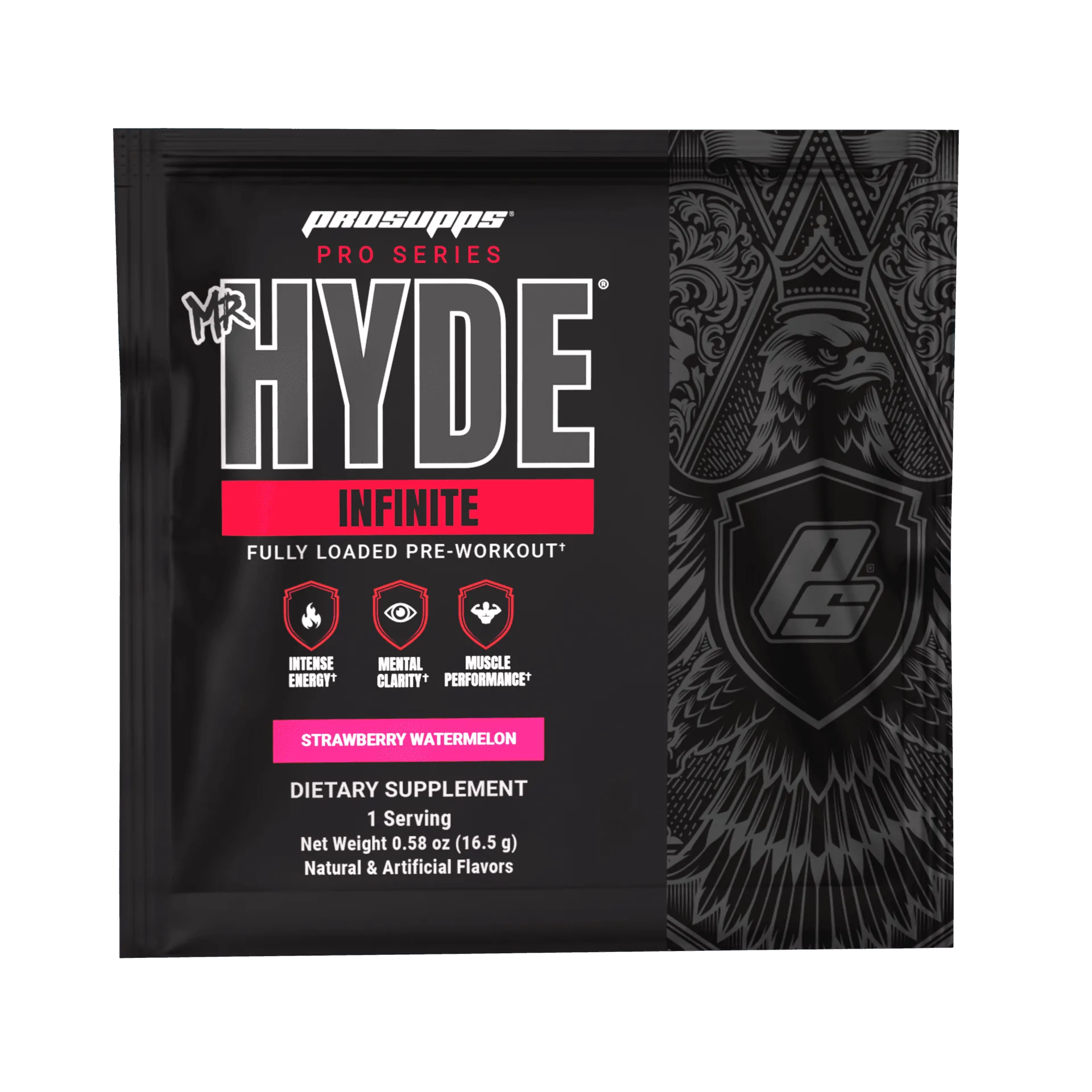
Trial packs are a great way to test both options without committing to a full tub. You can also explore stacks that combine different products to suit your needs. For example, a stack like the Jekyll & Hyde Stack offers a pre-workout and recovery combo that might pair well with an EAA drink.
- Test both types with trial packs to see which feels better for your stomach and performance.
- Consider your training volume and intensity when deciding.
- Stacks can provide a comprehensive approach to supplementation.
In the battle of EAA + electrolytes vs. BCAAs for endurance, the former offers a more complete solution by addressing both muscle preservation and hydration. While BCAAs have their place, especially for shorter workouts, endurance athletes will likely benefit more from the added electrolytes and full amino acid profile. Try an EAA + electrolyte supplement during your next long session and feel the difference.