Quick Answer
For most children under 5, earmuffs are the safest and easiest choice because they fit without inserting anything into the ear canal. For older kids who can handle insertion, earplugs with a proper fit offer more comfort and portability, especially for long events. Choose based on age, fit, and the noise environment.
Whether it's a fireworks show, a race day, or a noisy classroom, protecting your child's hearing is crucial. But with so many options, you might wonder: earplugs or earmuffs? Both have their place, and the right choice depends on your child's age, the noise level, and how long they'll wear protection.
This guide breaks down the key differences to help you make an informed decision. We'll look at fit, comfort, and effectiveness, and we'll highlight specific products that work well for different ages.
Understanding Noise Reduction for Kids
Children's ears are more sensitive than adults', so proper protection is essential. The goal is to reduce noise to a safe level while still allowing them to hear important sounds like speech or signals. Both earplugs and earmuffs reduce noise, but they do so differently.
Earmuffs create a physical barrier around the ear, while earplugs block the ear canal. Earmuffs are generally easier to fit correctly, but they can be bulky and warm. Earplugs are more discreet and comfortable for long wear, but they must be inserted correctly to be effective.
- Check the Noise Reduction Rating (NRR) or SNR to ensure adequate protection.
- Consider the noise environment: intermittent loud sounds vs. continuous noise.
Age and Fit: Matching Protection to Your Child
For babies and toddlers, earmuffs are usually the best option. Their ear canals are small and delicate, and they may not tolerate earplugs. Look for earmuffs specifically designed for infants, like the Alpine Muffy Baby Comfort, which provides 24 dB noise reduction and is CE & ANSI certified.

Muffy Baby Comfort
For kids aged 5 and up, earmuffs like the Alpine Muffy Kids are a great choice. They're designed for children up to 16 and offer adjustable headbands for a secure fit. These are ideal for noisy classrooms or events like parades and concerts.
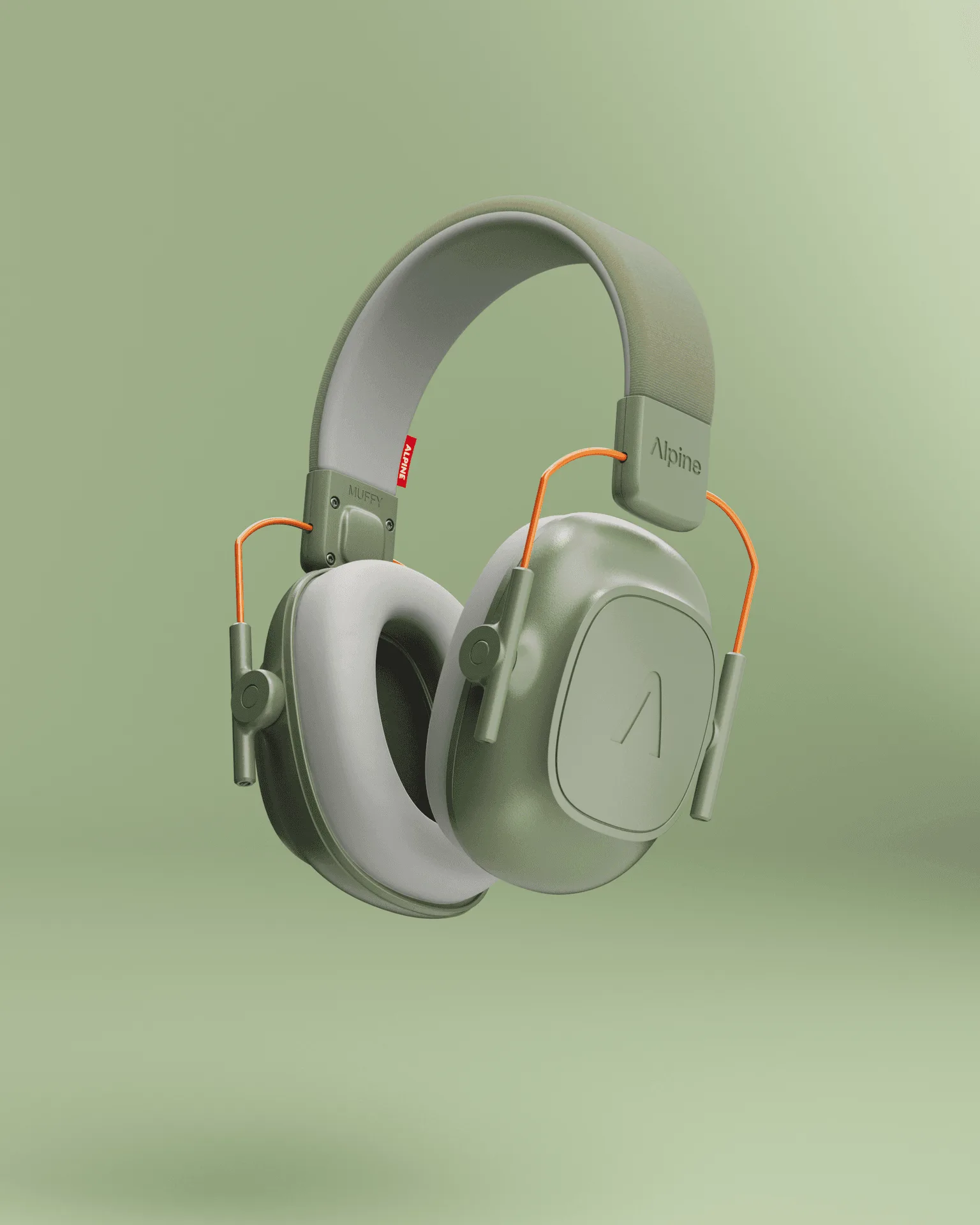
Muffy Kids
When Earplugs Might Be a Better Choice
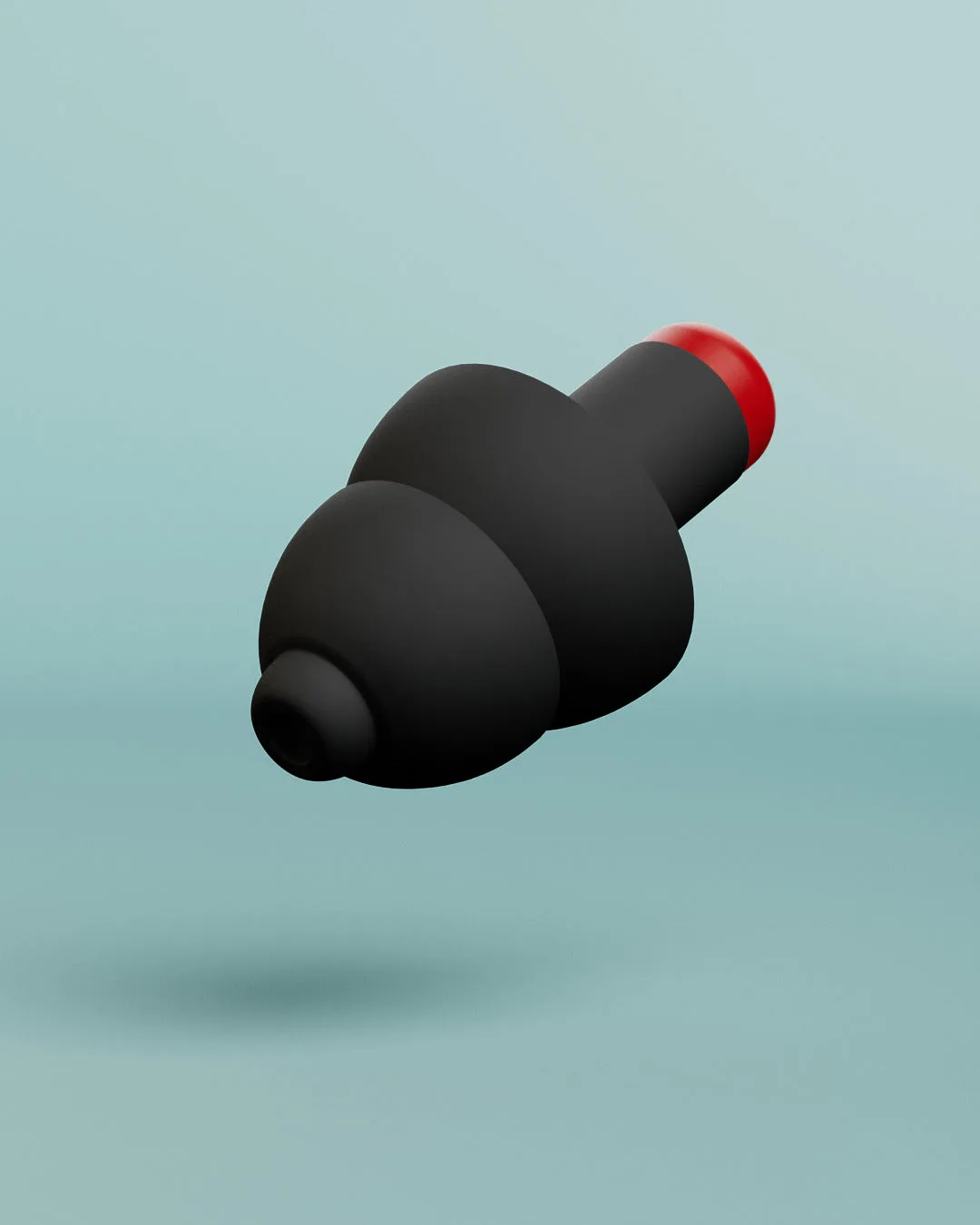
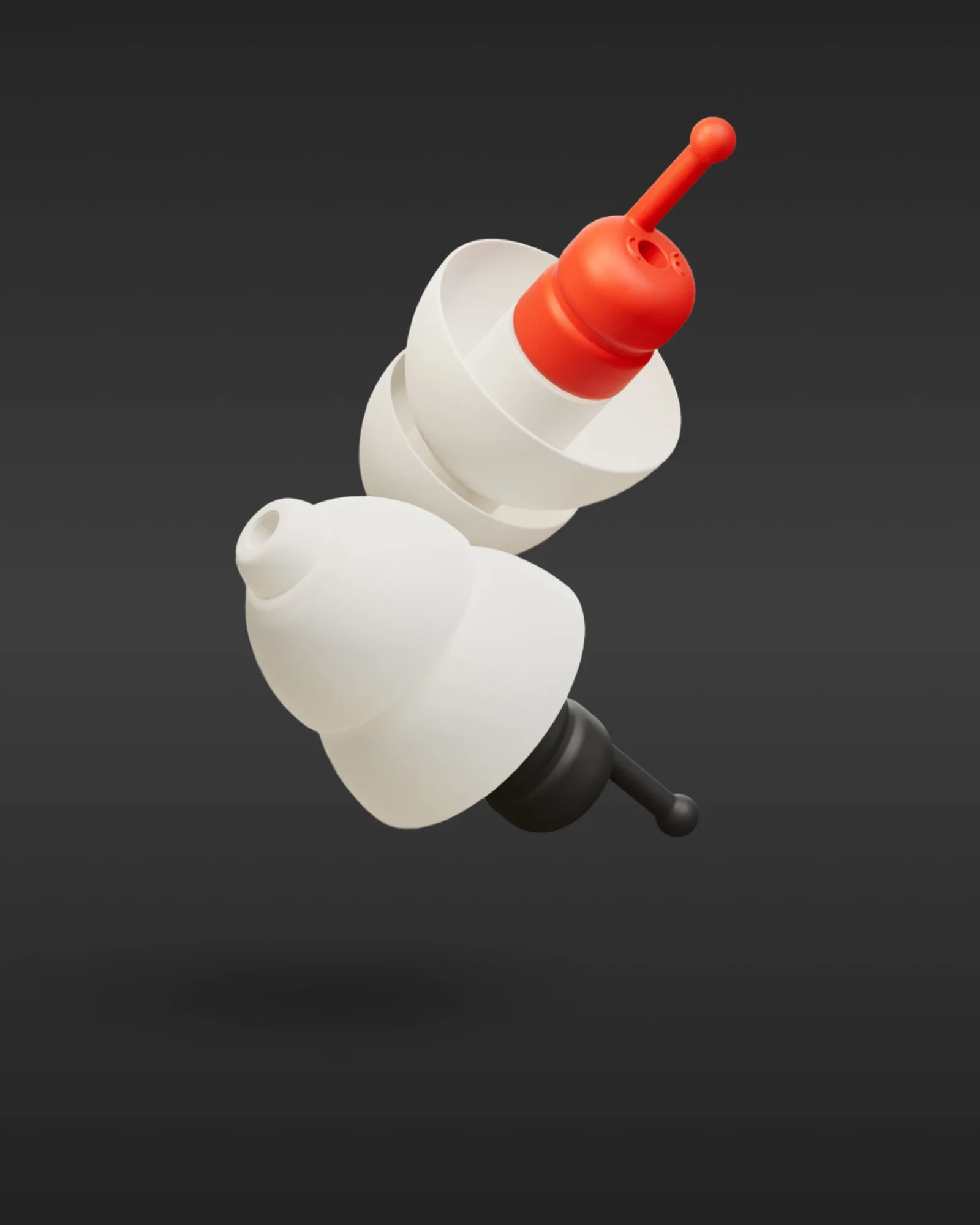
As children grow, they may find earmuffs uncomfortable or too hot. Earplugs can be a more practical option for older kids who can insert them properly. Reusable earplugs with a filter, like the Alpine PartyPlug, are designed to reduce harmful noise by 19 dB while still allowing conversation.
For race events, the Alpine Formula 1® Earplugs offer 22 dB attenuation and are made from a moldable material for all-day comfort. They're a good choice for older kids who are mature enough to handle insertion and removal.
Practical Considerations: Comfort and Portability
Earmuffs are easy to put on and take off, making them great for short exposures. However, they can be bulky to carry and may not fit well under helmets or hats. Earplugs are small and easy to store, but they require proper hygiene and insertion skills.
Consider how your child will use the protection. For a quick trip to a fireworks show, earmuffs might be simplest. For a full day at a race track, earplugs might be more comfortable and less likely to be removed.
Decision Rules
- Age 0-4: Choose baby earmuffs like Muffy Baby Comfort. They are designed for small heads and provide certified protection without inserting anything into the ear. Safety first: always use earmuffs for babies.
- Age 5-16: Consider earmuffs like Muffy Kids for school or events. They are adjustable and provide enough attenuation for most situations. Earmuffs are reliable and easy to use.
- Older kids (10+) who can insert earplugs: For long events like races, earplugs like Formula 1® Earplugs offer comfort and portability. Ensure proper insertion for full protection. Earplugs are better for extended wear.
Product Facts
- Muffy Baby Comfort: Specifically designed for babies and toddlers up to 4 years, these baby ear defenders provide outstanding hearing protection with 24 dB noise reduction. The Muffy Baby ear defenders provide proven 24 dB noise reduction and are CE & ANSI certified to ensure your baby's safety. For infants, safety and certification are key. This product gives parents peace of mind knowing it meets strict standards.
- Muffy Kids: Alpine Muffy Kids is designed to protect the extra sensitive hearing of children aged 5 to 16 against damaging noise. These small earmuffs for children provide noise reduction to improve concentration, for instance in noisy classrooms. As kids grow, earmuffs need to fit well and be comfortable for extended wear. This option is tailored for school-age children.
- Formula 1® Earplugs: Reusable earplugs designed to protect your hearing during races and motorsport events on and around circuits. These earplugs are made from the unique AlpineThermoShape material, which molds to your ear canal and always feels comfortable. You can wear them all day without experiencing pressure or irritation in your ears. For older kids who can insert earplugs, this moldable material ensures a custom fit, which is crucial for effective protection.
- PartyPlug: The special music filter allows you to hear the music and chat with friends while reducing harmful noise by 19 dB. At concerts or parties, kids want to hear their friends. This filter balances protection with social interaction.
Fit Guidance
Best for
- Babies and toddlers (under 5): earmuffs like Muffy Baby Comfort
- School-age kids (5-16) in noisy classrooms or events: earmuffs like Muffy Kids
- Older kids at concerts or parties: earplugs with filters like PartyPlug
Not for
- Kids who cannot insert earplugs properly: choose earmuffs instead
- Very young children (under 5) for earplugs: earmuffs are safer
Choosing between earplugs and earmuffs for your child doesn't have to be complicated. Consider their age, the noise level, and how long they'll need protection. For babies, earmuffs are a must. For older kids, both options work well—earmuffs for simplicity, earplugs for comfort and portability. Always prioritize a proper fit to ensure effective protection.