Quick Answer
Eau de parfum (EDP) contains a higher concentration of fragrance oils (typically 15-20%) compared to eau de toilette (EDT) (usually 5-15%), resulting in longer-lasting scent and stronger projection. If you prefer a subtle, refreshing scent that you can reapply throughout the day, EDT is ideal; for a more intense, long-lasting fragrance suitable for evenings or special occasions, EDP is the better choice.
Choosing between eau de parfum and eau de toilette can be puzzling, especially with so many fragrance options available. The terms refer to the concentration of aromatic compounds in the perfume, which directly affects how long the scent lasts and how strongly it projects. Understanding these differences helps you select a fragrance that matches your lifestyle and preferences.
In this comparison, we'll break down the key distinctions between EDP and EDT, including concentration, longevity, sillage, and typical usage. We'll also highlight some standout products from Fellow Barber to illustrate how these differences play out in real-world scents.
What Is Eau de Parfum?
Eau de parfum (EDP) contains a higher concentration of fragrance oils, typically between 15% and 20%. This higher concentration means the scent is more intense and lasts longer on the skin, often for 6 to 8 hours or more. EDPs are known for their rich, deep profiles and are often chosen for evening wear, formal events, or cooler seasons when a stronger presence is desired.
Because of the higher oil concentration, EDPs generally have better sillage—the trail of scent left behind—and require fewer sprays to achieve the desired effect. They are often more expensive due to the higher concentration of precious ingredients, but a little goes a long way.
- Concentration: 15-20% fragrance oils
- Longevity: 6-8+ hours
- Sillage: Strong
- Best for: Evening, cooler weather, formal occasions
What Is Eau de Toilette?
Eau de toilette (EDT) has a lower concentration of fragrance oils, usually between 5% and 15%. This results in a lighter, more subtle scent that typically lasts 3 to 5 hours. EDTs are often preferred for daytime wear, warmer weather, or office environments where a strong fragrance might be overwhelming.
The lower concentration also means EDTs are generally more affordable and can be reapplied more liberally without being overpowering. They offer a fresh, clean feel and are a popular choice for everyday use.
- Concentration: 5-15% fragrance oils
- Longevity: 3-5 hours
- Sillage: Moderate to light
- Best for: Daytime, warm weather, casual settings
EDP vs EDT: Which Lasts Longer?
The primary difference between EDP and EDT is longevity. Due to its higher concentration of fragrance oils, EDP lasts significantly longer on the skin—often 6 to 8 hours or more—compared to EDT's 3 to 5 hours. This means you may need to reapply EDT throughout the day to maintain the scent, while EDP can often be applied once in the morning and last into the evening.
However, individual skin chemistry plays a role. Oily skin tends to hold fragrance longer, while dry skin may cause the scent to fade faster. Testing a fragrance on your skin is the best way to see how it performs for you.
How to Choose Between EDP and EDT
When deciding between EDP and EDT, consider the occasion, season, and your personal preference. If you want a fragrance that lasts all day and makes a statement, EDP is the way to go. If you prefer a subtle, refreshing scent that you can reapply throughout the day, EDT offers versatility and value.
Also, think about the fragrance family. Some scents, like fresh citrus or aquatic notes, are naturally more suited to EDT's lighter profile, while woody, amber, or oriental notes often shine in EDP's richer concentration.
- For a bold, long-lasting scent: choose EDP
- For a light, refreshing scent: choose EDT
- For evening events or cooler weather: EDP
- For daytime or warm climates: EDT
Trade-Offs at a Glance
- Longevity vs. Reapplication: EDP lasts hours without touch-ups, while EDT requires more frequent reapplication. Choose EDP for all-day wear, EDT for flexibility.
- Intensity vs. Subtlety: EDP projects strongly, while EDT offers a lighter, more intimate scent. EDP for making an impression, EDT for close encounters.
- Price vs. Versatility: EDP is often pricier but requires fewer sprays; EDT is more affordable and can be layered or reapplied liberally. EDP for investment, EDT for everyday use.
Fragrances at Fellow Barber
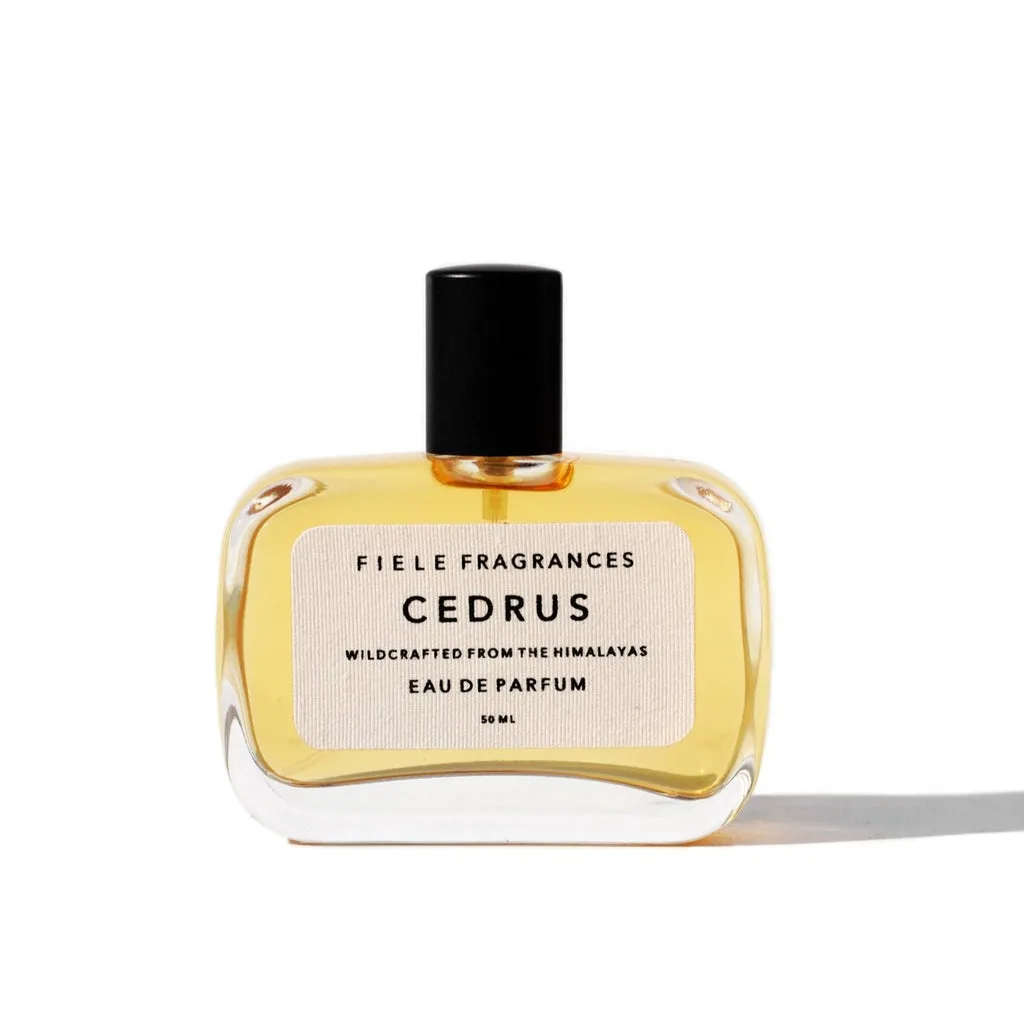
- Fiele Fragrances - Cedrus: Cedrus combines three cedarwood varieties from India, Morocco, and Virginia, heightened with jasmine absolute and wild orange, evoking bright sunlight and dry woodland breezes. This complex woody fragrance is best suited as an EDP due to its rich, grounding profile, ensuring a long-lasting scent that matches its adventurous character.
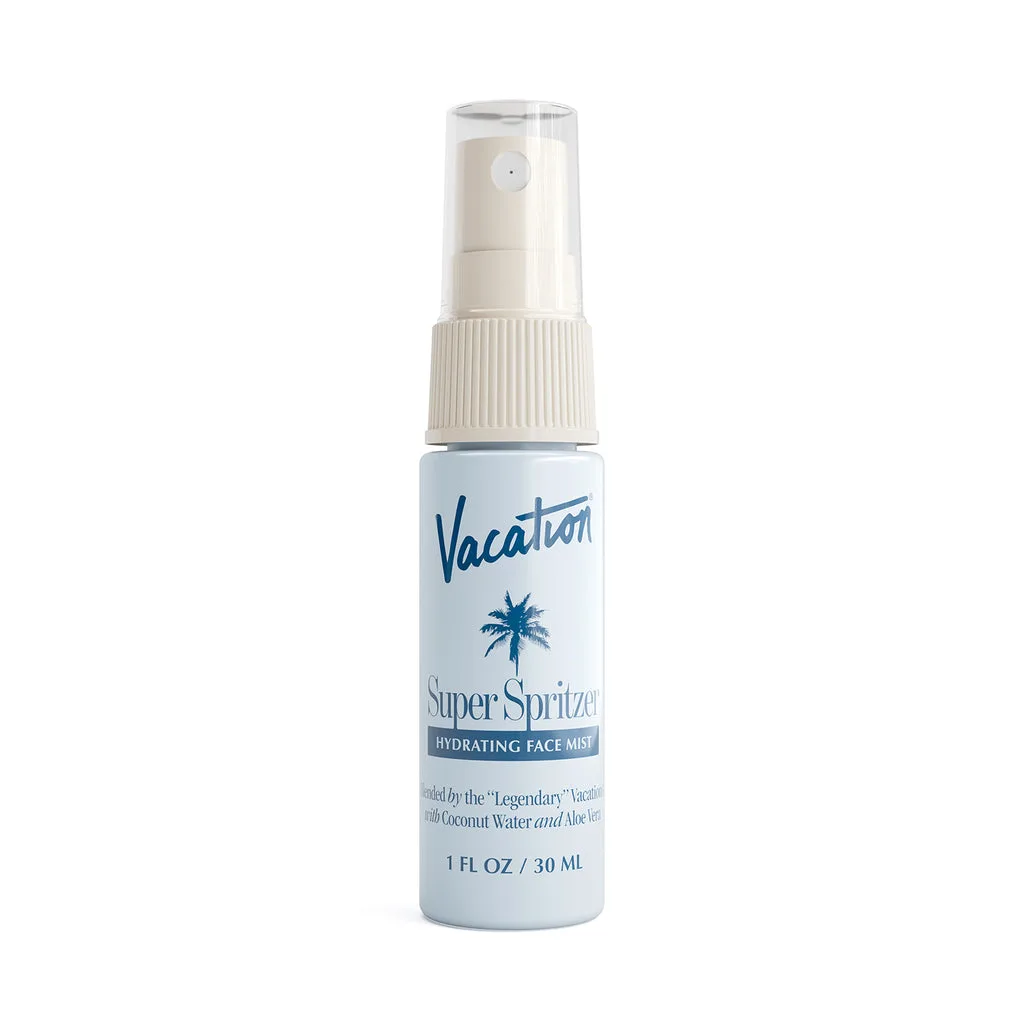
- Vacation Coconut Spritzer Face Mist: A coconut water hydrating face mist infused with cucumber and aloe vera, offering instant refreshment with calming chamomile and vanilla aromas. While not a traditional perfume, this spritzer provides a light, refreshing scent perfect for a quick pick-me-up, similar to an EDT's subtle effect.
Which Should You Choose?
Best for
- Those who want a long-lasting, intense scent for evenings or special occasions
- Fragrance enthusiasts who appreciate complex, rich compositions
Not for
- Those who prefer subtle, fresh scents for daytime wear
- Budget-conscious shoppers who want a versatile everyday fragrance
Understanding the differences between eau de parfum and eau de toilette empowers you to make a confident choice. Whether you opt for the lasting presence of an EDP or the light refreshment of an EDT, the right fragrance enhances your personal style. Explore the selection at Fellow Barber to find a scent that speaks to you—consider starting with the woody complexity of Fiele Fragrances - Cedrus for a memorable EDP experience.