Start with the right amount: less than you think
Children don't need much fragrance. A single short press of the spray—or a small dab if you're using a roll-on—is enough to leave a subtle scent. The goal is a gentle trace that stays close to the skin, not a cloud that fills the room. If you can smell the fragrance from across the room, you've likely applied too much.
For the first use, try the smallest possible amount. You can always add a little more later, but you can't take it away once it's on.
Where to apply: pulse points and clothing
The traditional spots for fragrance are pulse points—wrists, behind the ears, and the base of the throat. On children, these areas work well because they are warm and help the scent develop gently. However, avoid spraying directly onto the face or neck, and never spray near the eyes.
A light mist on clothing—such as the collar of a shirt or the hem of a dress—can also carry the scent without putting it directly on skin. This is a good option for children with sensitive skin. Always test on a small area of fabric first to avoid staining.
What the Minois Eau de Toilette record confirms
-
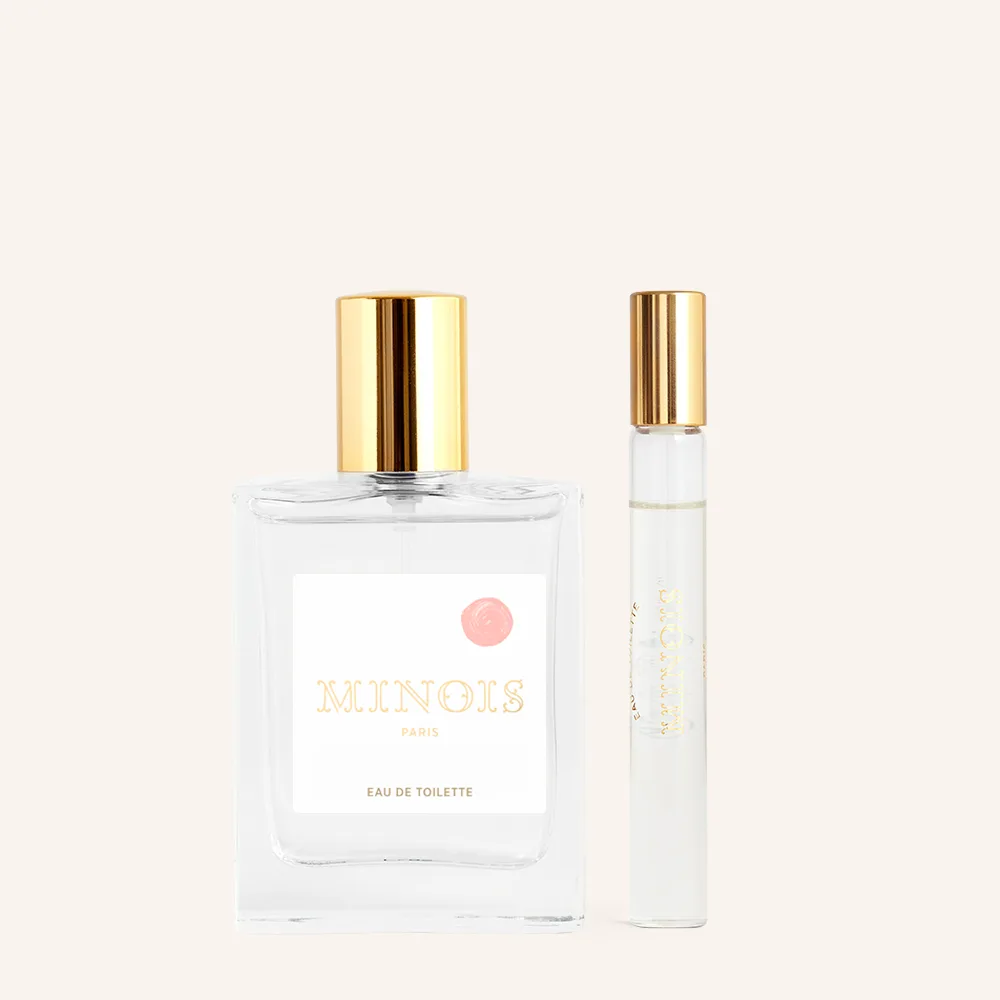
Eau de Toilette: Minois Eau de Toilette is a fragrance with a subtle blend of orange blossom, jasmine, mandarin, and honeysuckle, suitable for mothers and children from age 3. This tells you the intended age range and scent profile, so you can decide if it fits your child and how much to apply based on the concentration.
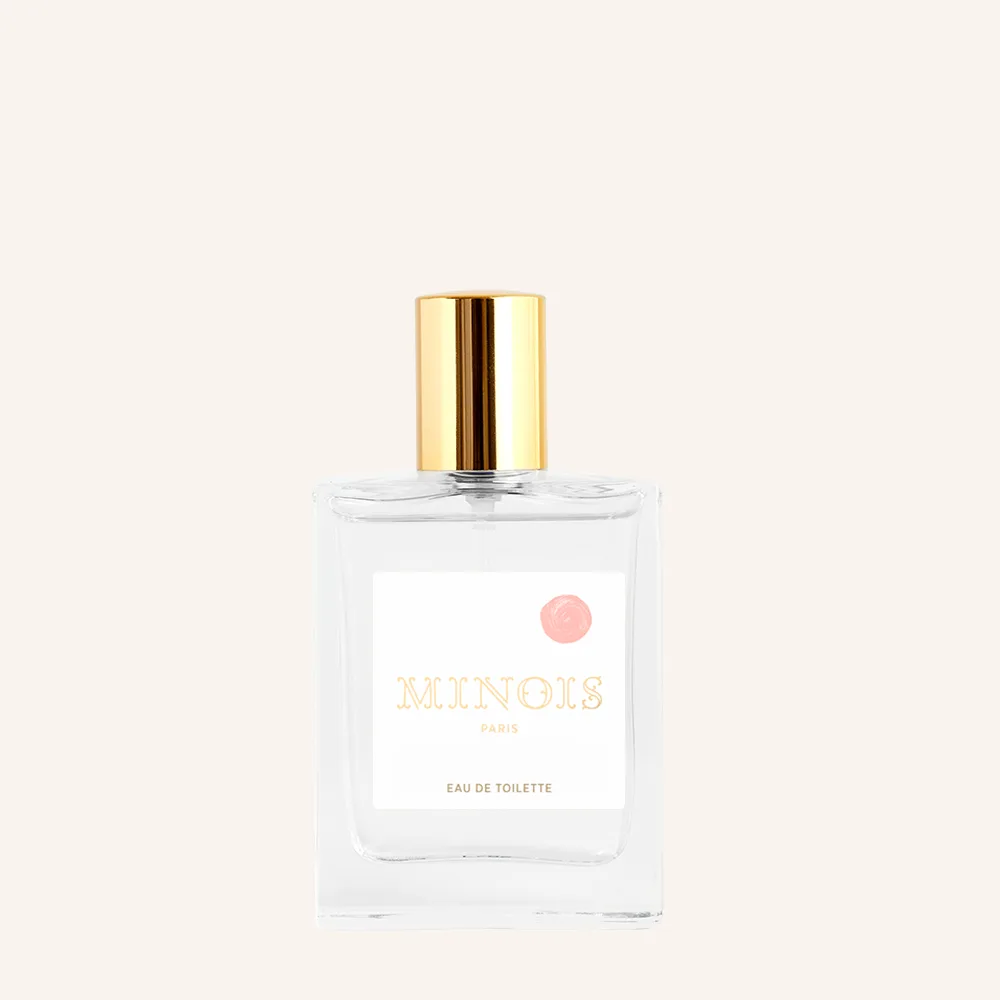
Eau de Toilette
A simple application routine
- Step 1: Start with clean, dry skin: Apply after a bath or shower when skin is clean and dry. Moisturizing first can help the scent last longer, but avoid mixing with heavily scented lotions.
- Step 2: Spray from a short distance: Hold the bottle a few inches away from the skin and press once. A single spray is usually enough for a child. For roll-ons, swipe once lightly over the skin.
- Step 3: Target pulse points: Apply to wrists, behind the ears, or the base of the throat. Avoid the face, eyes, and broken skin.
- Step 4: Let it dry: Allow the fragrance to dry naturally. Don't rub it in, as this can alter how the scent develops.
Eau de toilette vs eau de senteur: what's the difference?
Eau de toilette and eau de senteur are both fragrance types, but they differ in concentration. Eau de toilette typically contains a higher percentage of fragrance oils, so it lasts longer and projects more. Eau de senteur is lighter and often designed for very young children or those with sensitive skin.
For children, eau de senteur is often recommended as a first fragrance because it is gentler. However, eau de toilette can be suitable for children from age 3, as indicated by the Minois Eau de Toilette record. The key is to apply less and observe how your child reacts.
Safety checkpoints before you spray
- Age appropriateness: Check the product's intended age range. The Minois Eau de Toilette is suitable for children from age 3.
- Skin sensitivity: Do a patch test on a small area of skin before full application. If redness or irritation occurs, discontinue use.
- Avoid sensitive areas: Never spray near the eyes, mouth, or on irritated skin. Keep out of reach of very young children.
- Watch for reactions: If your child shows any signs of discomfort or allergic reaction, stop using the product and consult a healthcare professional.
Making the scent last without overdoing it
To help the fragrance last, apply it to moisturized skin and avoid rubbing it in. You can also spray a little on clothing, but test first. Remember that children's skin is more delicate, so always err on the side of less. If you want to refresh the scent later in the day, a single spray on clothing is often enough.