Why off-season storage matters for your EB5 Roamer pack
When riding season ends, your EB5 Roamer battery pack can sit unused for weeks or months. How you store it during that time affects its long-term capacity and readiness for spring. The pack is a significant investment, so a few simple habits go a long way.
This guide covers the basics: preparing the pack, choosing a storage spot, and what to check before your first ride back. It focuses on the EB5 Roamer and EB5 Roamer ST battery pack, which share the same core specifications.
What the EB5 Roamer battery pack is
-
EB5 Roamer Battery Pack: Voltage: 48V; Total Capacity: 11Ah These specs define the pack's energy storage. Knowing them helps you understand its value and why proper storage protects performance.
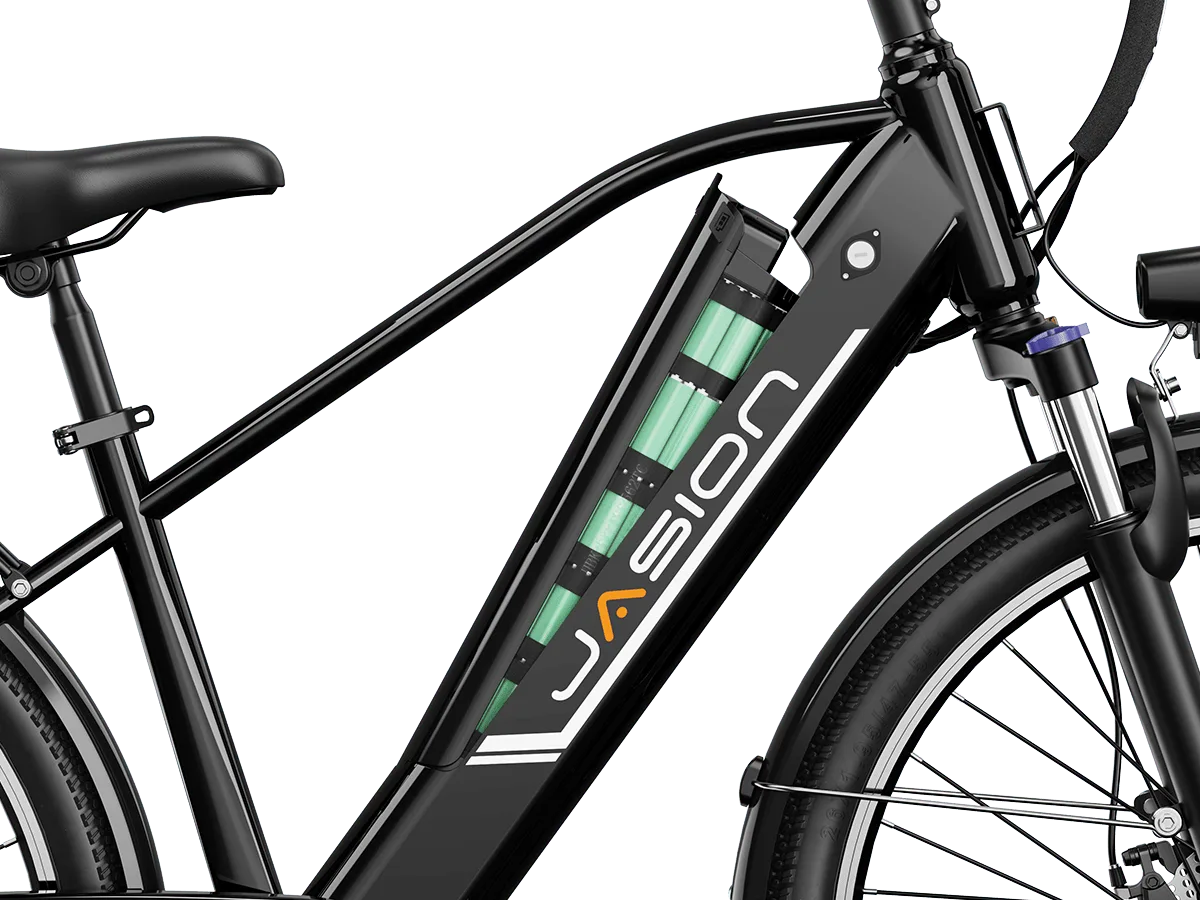
EB5 Roamer Battery Pack
-
EB5 Roamer Battery Pack: Lockable and removable with two included keys The pack can be removed from the bike for storage, which is often better for the battery in extreme temperatures.
-
EB5 Roamer Battery Pack: Battery charging port is DC2.5 This is the connection type for charging. Ensure your charger matches this port when topping up during storage.
-
EB5 Roamer Battery Pack: Suitable for EB5 Roamer & EB5 Roamer ST Confirms compatibility with both models, so you can use the same storage routine regardless of which bike you own.
A simple off-season storage routine
Follow these steps when parking your EB5 Roamer for the off-season. The goal is to protect the battery from unnecessary stress and keep it ready for spring.
- Remove the battery from the bike: Use the included key to unlock and slide the pack out. Store it indoors, away from the bike, to avoid exposure to cold, damp, or accidental discharge.
- Check and set the charge level: The supplied information does not specify a storage charge percentage. As a general practice, avoid storing the pack fully charged or completely drained. A partial charge is often recommended, but refer to your owner's manual for exact guidance.
- Choose a cool, dry location: Keep the pack in a room with stable temperature, away from direct sunlight, heat sources, or freezing conditions. A closet or shelf indoors works well.
- Inspect the contacts and port: Before storing, check that the DC2.5 charging port and battery contacts are clean and dry. Wipe with a dry cloth if needed. Do not use water or solvents.
- Recheck the charge every few months: If storing for more than a couple of months, periodically check the charge level and top up if it has dropped significantly. The exact interval is not specified in the supplied information; use your judgment based on the pack's indicator (if available) or a voltage check.
What to avoid during storage
Common mistakes can shorten battery life. Do not leave the pack on the bike in freezing temperatures for extended periods. Avoid storing it near flammable materials or in places where it could be exposed to moisture. Never attempt to open the battery case or bypass the lock—the pack is sealed and should only be serviced by qualified personnel.
Also, do not leave the battery connected to the charger for long periods after it is full. Unplug the charger once charging is complete.
Bringing the pack back for spring
Before your first ride, inspect the pack for any signs of damage, such as cracks or corrosion on the contacts. Reinstall it on the bike, ensuring it locks securely with the key. Charge it fully using the correct DC2.5 charger, and check that the bike powers on normally.
If you notice reduced range or performance after storage, the pack may need a few full charge cycles to balance, or it may indicate a deeper issue. Consult your manual or a professional if problems persist.