If you're on the hunt for a brightening serum that fades dark spots and evens out your complexion, you've likely come across two popular options: vitamin C serums and multi-ingredient brightening formulas like the Ebanel Dr Brightening Ultra-Potent Facial Serum. Both promise a more radiant, even skin tone, but they work differently and suit different skin types and concerns. In this comparison, we'll break down how they stack up against each other so you can choose the best serum for your hyperpigmentation treatment.
Vitamin C has long been the gold standard for antioxidant protection and brightening. But newer formulations, such as those combining kojic acid, niacinamide, and licorice root extract, offer a multi-targeted approach. The Ebanel Dr Brightening Ultra-Potent Facial Serum is one such product that blends these ingredients. Let's see how it compares to a typical vitamin C serum in terms of ingredients, efficacy, skin compatibility, and overall results.
Key Ingredients: Vitamin C vs. Kojic Acid and Niacinamide
Vitamin C serums typically use L-ascorbic acid, a potent antioxidant that inhibits melanin production and protects against environmental damage. However, L-ascorbic acid is unstable and can oxidize quickly, and it may cause irritation for sensitive skin. Most vitamin C serums also have a low pH (around 3.5), which can sting or cause redness for some users.
The Ebanel Dr Brightening Ultra-Potent Facial Serum takes a different approach by combining kojic acid, niacinamide, and licorice root extract. Kojic acid is a well-researched tyrosinase inhibitor that effectively lightens dark spots without the instability issues of vitamin C. Niacinamide (vitamin B3) works synergistically to reduce inflammation, improve texture, and strengthen the skin barrier. This combination is generally gentler and more stable, making it suitable for daily use even on sensitive or acne-prone skin.
- Vitamin C serums are best for antioxidant protection and prevention of new dark spots.
- Ebanel Dr Brightening Serum targets existing hyperpigmentation with multiple brighteners and is less likely to irritate.
Efficacy for Dark Spots and Hyperpigmentation
When it comes to fading existing dark spots, both formulas can be effective, but they work via different pathways. Vitamin C primarily prevents melanin formation and scavenges free radicals, which helps prevent new spots from forming. For stubborn hyperpigmentation, you may need higher concentrations (15-20%) and consistent use over several months.
The Ebanel Dr Brightening Ultra-Potent Facial Serum uses kojic acid, which directly inhibits tyrosinase, the enzyme responsible for melanin production. Studies show kojic acid can lighten dark spots faster than vitamin C in some cases. Additionally, the inclusion of niacinamide helps block melanin transfer to skin cells, offering a triple-action approach. For those dealing with post-acne marks or sun spots, this serum may deliver visible results in 4-8 weeks.
- For quick spot fading, kojic acid-based serums like Ebanel's may work faster than vitamin C alone.
- Vitamin C is better for long-term prevention and overall skin glow.
Skin Type Suitability and Tolerance
Vitamin C serums, especially those with L-ascorbic acid, can be too harsh for sensitive or reactive skin. They often require a gradual introduction and may cause stinging, especially if your skin barrier is compromised. Oily and normal skin types generally tolerate them well, but dry or rosacea-prone skin may react negatively.
The Ebanel Dr Brightening Ultra-Potent Facial Serum is formulated with soothing ingredients like licorice root extract and aloe, making it much gentler. It is suitable for all skin types, including sensitive and acne-prone skin. Because it does not require a low pH, it can be layered with other active ingredients like retinol or AHA/BHA without irritation. If you have sensitive skin or are new to brightening serums, this is a safer starting point.
- Vitamin C: best for oily, normal, or resilient skin.
- Ebanel Dr Brightening Serum: suitable for sensitive, dry, or acne-prone skin.
How to Incorporate Each Serum into Your Routine
Vitamin C serums are best used in the morning, after cleansing and before moisturizer and sunscreen. They boost sun protection and provide antioxidant defense throughout the day. To avoid irritation, start with a low concentration (10%) and use every other day, then gradually increase. Avoid layering with strong exfoliants or retinol at the same time.
The Ebanel Dr Brightening Ultra-Potent Facial Serum can be used both morning and night. Apply a few drops to clean, dry skin before moisturizer. Because it is gentle, it can be combined with other treatments like the Liposomal Hyaluronic Peptide Serum for added hydration and anti-aging benefits. For best results, pair it with a broad-spectrum sunscreen during the day, as brightening ingredients can increase sun sensitivity.
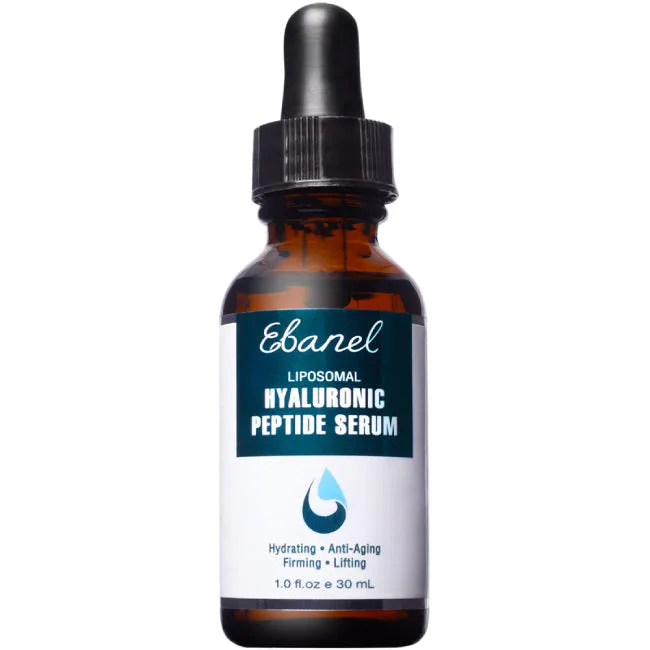
Liposomal Hyaluronic Peptide Serum
- Always wear sunscreen when using any brightening serum to prevent new spots.
- Ebanel's serum layers well with other Ebanel products like the Dr Brightening line.
Both vitamin C serums and the Ebanel Dr Brightening Ultra-Potent Facial Serum have their strengths. If you have resilient skin and want a classic antioxidant boost, a vitamin C serum is a solid choice. But if you're looking for a gentle, multi-ingredient formula that targets dark spots quickly and suits sensitive skin, the Ebanel Dr Brightening Serum is an excellent alternative. For a complete brightening routine, consider pairing it with other Ebanel favorites like the Hyaluronic Collagen Hydrogel Mask for added hydration and glow.