As parents, we want the best for our little ones—and that includes protecting the world they’ll grow up in. With growing awareness of environmental issues, many families are turning to eco-friendly baby products to reduce their carbon footprint while keeping their baby safe and comfortable. But with so many options on the market, it can be overwhelming to know where to start.
In this guide, we’ll walk you through the key categories of sustainable baby care, from compostable wipes to natural skincare. You’ll learn what to look for, which ingredients and materials are truly green, and how to make small changes that add up to a big difference. Whether you’re a first-time parent or looking to refine your routine, these tips will help you make informed, planet-friendly choices.
Why Choose Eco-Friendly Baby Products?
The first few years of a baby’s life involve a staggering amount of consumables—diapers, wipes, lotions, and more. Conventional products often contain plastics, synthetic fragrances, and harsh chemicals that can irritate sensitive skin and linger in landfills for centuries. By opting for eco-friendly alternatives, you reduce waste, limit your baby’s exposure to toxins, and support brands that prioritize sustainability.
Beyond the environmental benefits, green baby products are often formulated with gentler ingredients. For example, plant-based cleansers and moisturizers are less likely to trigger allergies or eczema flare-ups. Many parents find that switching to natural options improves their baby’s skin health while giving them peace of mind. It’s a win-win for your family and the planet.
- Look for products with minimal, recyclable packaging.
- Choose items made from renewable resources like bamboo or organic cotton.
- Avoid synthetic fragrances, parabens, and phthalates in skincare.
Sustainable Diapering: Cloth vs. Biodegradable Options
Diapers are one of the biggest contributors to baby-related waste. Traditional disposable diapers can take hundreds of years to decompose. Cloth diapers are a classic eco-friendly choice—they’re reusable, reduce landfill waste, and can be more cost-effective over time. Modern cloth diapers come in convenient all-in-one designs with snaps or hook-and-loop closures, making them easier than ever to use.
If cloth diapering isn’t feasible for your lifestyle, look for biodegradable or compostable diapers made from plant-based materials like bamboo or wood pulp. While these still require proper disposal (most municipal compost facilities don’t accept them), they break down faster than conventional plastics. Pair them with compostable wipes for a more sustainable diapering routine.
- Start with a small stash of cloth diapers to test the routine.
- For disposables, choose brands certified by the Forest Stewardship Council (FSC).
- Use a diaper sprayer to rinse solids before washing cloth diapers.
Green Bath Time: Natural Cleansers and Moisturizers
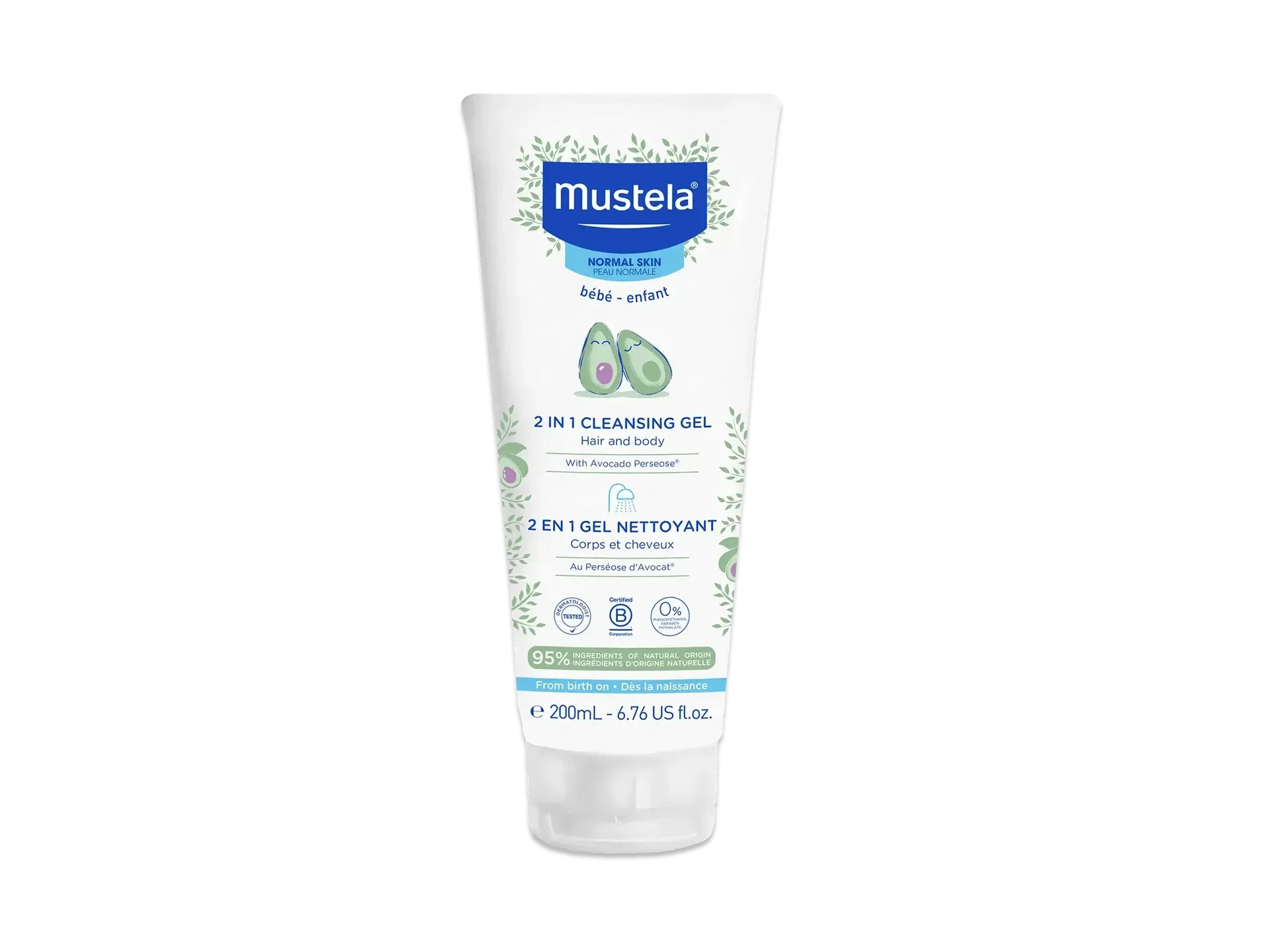
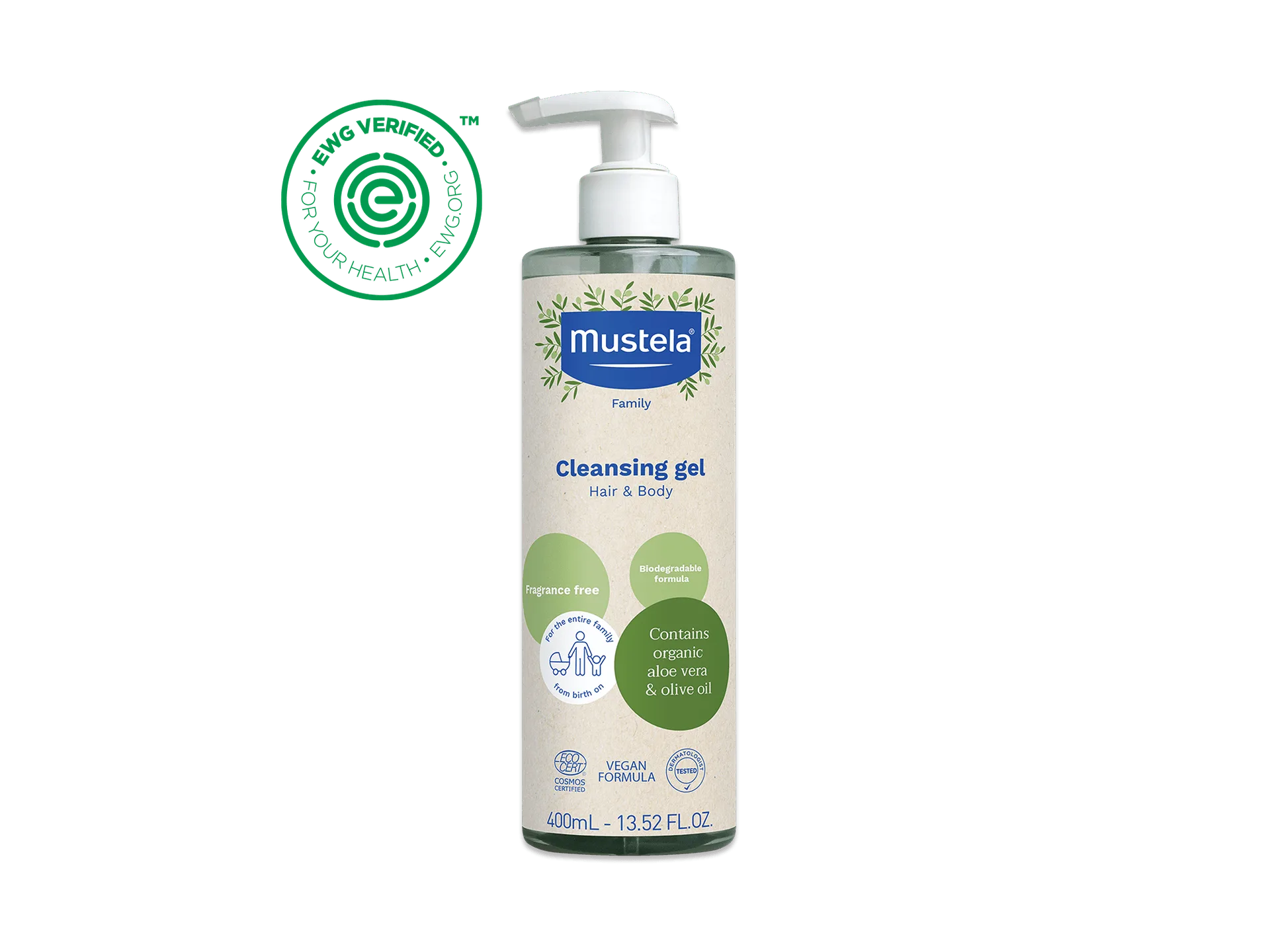
Bath time is a daily ritual that can be made more sustainable with a few simple swaps. Instead of plastic bottles filled with synthetic suds, choose concentrated cleansers or bar soaps that require less packaging. Look for formulas that are free from sulfates, dyes, and artificial fragrances—these are not only better for the environment but also kinder to your baby’s delicate skin.
For moisturizing, opt for multi-purpose products that reduce the number of bottles in your bathroom. A rich, plant-based cream can serve as both a daily lotion and a barrier for dry patches. Mustela’s Stelatopia+ lipid-replenishing cream pump is an excellent example, providing deep hydration with ingredients like sunflower oil and shea butter. It’s designed for very sensitive, eczema-prone skin and comes in a recyclable pump bottle.
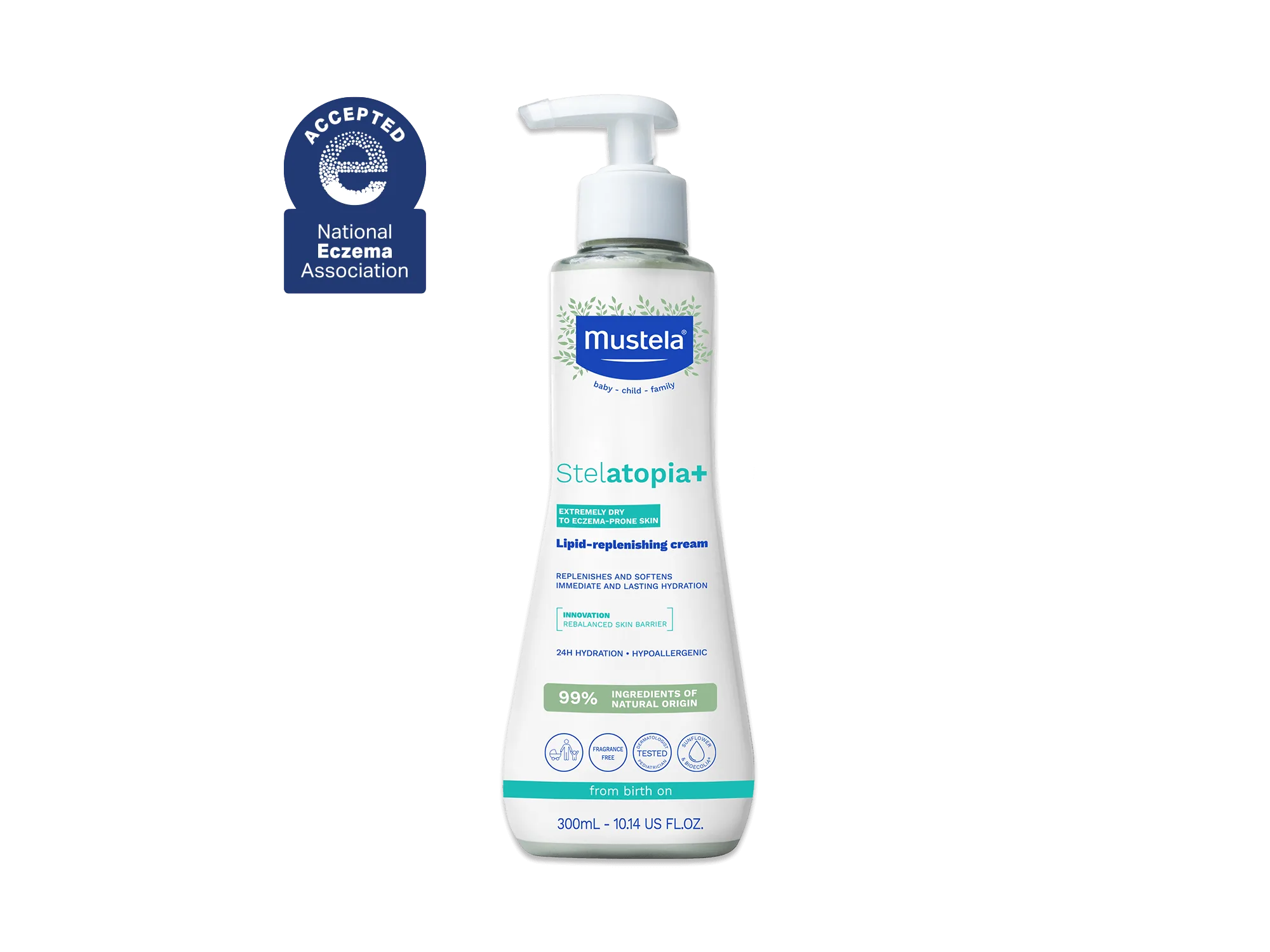
Stelatopia+ lipid-replenishing cream pump
- Use a washcloth or reusable silicone scrubber instead of disposable sponges.
- Choose fragrance-free products to minimize chemical runoff into water systems.
- Look for certifications like USDA Organic or Ecocert on bath products.
Eco-Friendly Skincare: What to Look For
Your baby’s skincare routine doesn’t have to come at the planet’s expense. Many natural baby brands now offer products packaged in glass, aluminum, or recycled plastics. When shopping for lotions, creams, and balms, check the ingredient list for plant-based oils and butters—like avocado, coconut, or cocoa—which are renewable and biodegradable.
For targeted care, consider a product like Mustela’s Cicastela moisture recovery cream, which helps soothe dry, irritated skin without harsh chemicals. It’s formulated with natural-origin ingredients and comes in a tube that uses less plastic than a traditional jar. By choosing concentrated formulas, you also use less product per application, extending the life of each purchase and reducing waste.
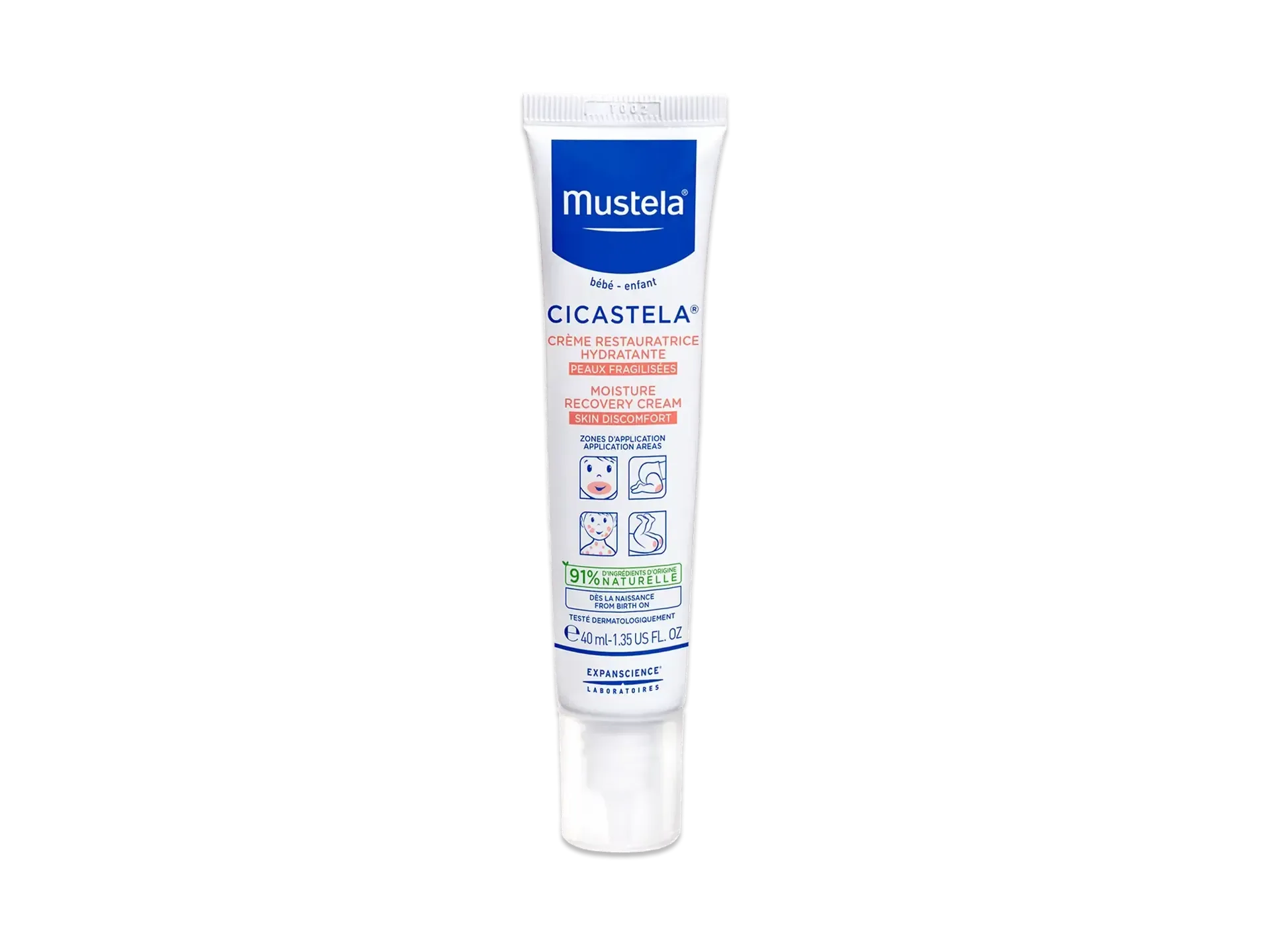
Cicastela moisture recovery cream
- Avoid products with microplastics (often listed as polyethylene or polypropylene).
- Support brands that offer refill pouches or bulk sizes.
- Patch test new products on a small area of skin before full use.
Compostable Wipes and Sustainable Cleaning
Wipes are a convenience many parents can’t live without, but they’re also a major source of plastic waste. Traditional baby wipes are often made from polyester or polypropylene fibers that don’t break down. Switching to compostable wipes made from plant fibers like bamboo or wood pulp can significantly reduce your environmental impact—just be sure to dispose of them properly (in a compost bin, not the trash).
For cleaning up messes around the house, you can also make your own reusable wipes by cutting up old cotton t-shirts or using washable cloths with a natural all-purpose cleaner. This eliminates single-use waste and saves money. When you do need disposable wipes, look for ones that are plastic-free, fragrance-free, and certified compostable by organizations like BPI or OK Compost.
- Keep a stash of reusable cloth wipes for diaper changes at home.
- Use a spray bottle with water and a drop of organic castile soap for quick cleanups.
- Compost used plant-based wipes in a municipal or home compost system (check local guidelines).
Simple Swaps for a Greener Nursery
Beyond diapers and skincare, many other aspects of baby care can be made more sustainable. Choose clothing made from organic cotton or bamboo, which uses less water and no pesticides. Opt for wooden toys instead of plastic, and buy secondhand when possible—babies outgrow things quickly, so pre-loved items are often in great condition.
For feeding, consider silicone or stainless steel utensils and plates instead of disposable plastic. When it comes to laundry, use a gentle, plant-based detergent and line-dry clothes to save energy. Every small change adds up, and your baby will benefit from a cleaner, less toxic environment from day one.
- Borrow or buy used baby gear like swings, bouncers, and carriers.
- Use cloth bibs and burp cloths instead of disposable paper products.
- Install a water filter to reduce plastic bottle waste from formula mixing.
Making eco-friendly choices for your baby doesn’t have to be complicated or expensive. Start with one or two swaps—like switching to a natural moisturizer or reusable wipes—and build from there. Your baby’s skin will thank you, and so will the planet. Explore Mustela’s range of sustainably minded products, including the Stelatopia+ lipid-replenishing cream pump, to begin your green journey today.