More households are making the switch to eco-friendly cleaning products, driven by concerns about indoor air quality, chemical exposure, and environmental impact. But with so many green cleaning solutions on the market, it can be hard to know which ones actually deliver on their promises. The good news is that effective non-toxic cleaners exist—and they can tackle everything from kitchen grease to bathroom grime without harsh fumes or plastic waste.
In this guide, we’ll break down what to look for in eco-friendly cleaners, highlight some of the best natural all-purpose cleaner options, and show you how to maintain a sparkling clean home while reducing your ecological footprint. Whether you’re a seasoned green cleaner or just starting out, you’ll find practical tips and product recommendations that work.
What Makes a Cleaner Truly Eco-Friendly?
Not all products labeled 'green' or 'natural' are created equal. True eco-friendly cleaners are made from plant-based or mineral-derived ingredients that biodegrade quickly and don’t release volatile organic compounds (VOCs) into your home. They also come in recyclable or refillable packaging to minimize plastic waste. Look for third-party certifications like EPA Safer Choice, Green Seal, or Leaping Bunny to verify claims.
Avoid cleaners that list 'fragrance' as an ingredient without specifying the source, as synthetic fragrances often contain phthalates. Instead, choose products scented with essential oils or unscented formulas. Water-based concentrates and powdered cleaners also reduce shipping weight and packaging, making them a more sustainable choice.
- Check for plant-based surfactants (e.g., coconut or corn-derived) instead of petroleum-based ones.
- Avoid chlorine bleach, ammonia, and phosphates—these are harmful to aquatic life.
- Prefer concentrated formulas that you dilute at home to cut down on plastic bottles.
The Best Non-Toxic Cleaning Products for Every Room
Once you know what to look for, it’s time to stock your cleaning caddy with versatile, effective products. For stainless steel surfaces—like sinks, refrigerators, and cookware—a dedicated stainless steel cleaner and polish can restore shine without toxic fumes. Many eco-friendly options use plant-based solvents and fine abrasives to lift fingerprints and water spots safely.
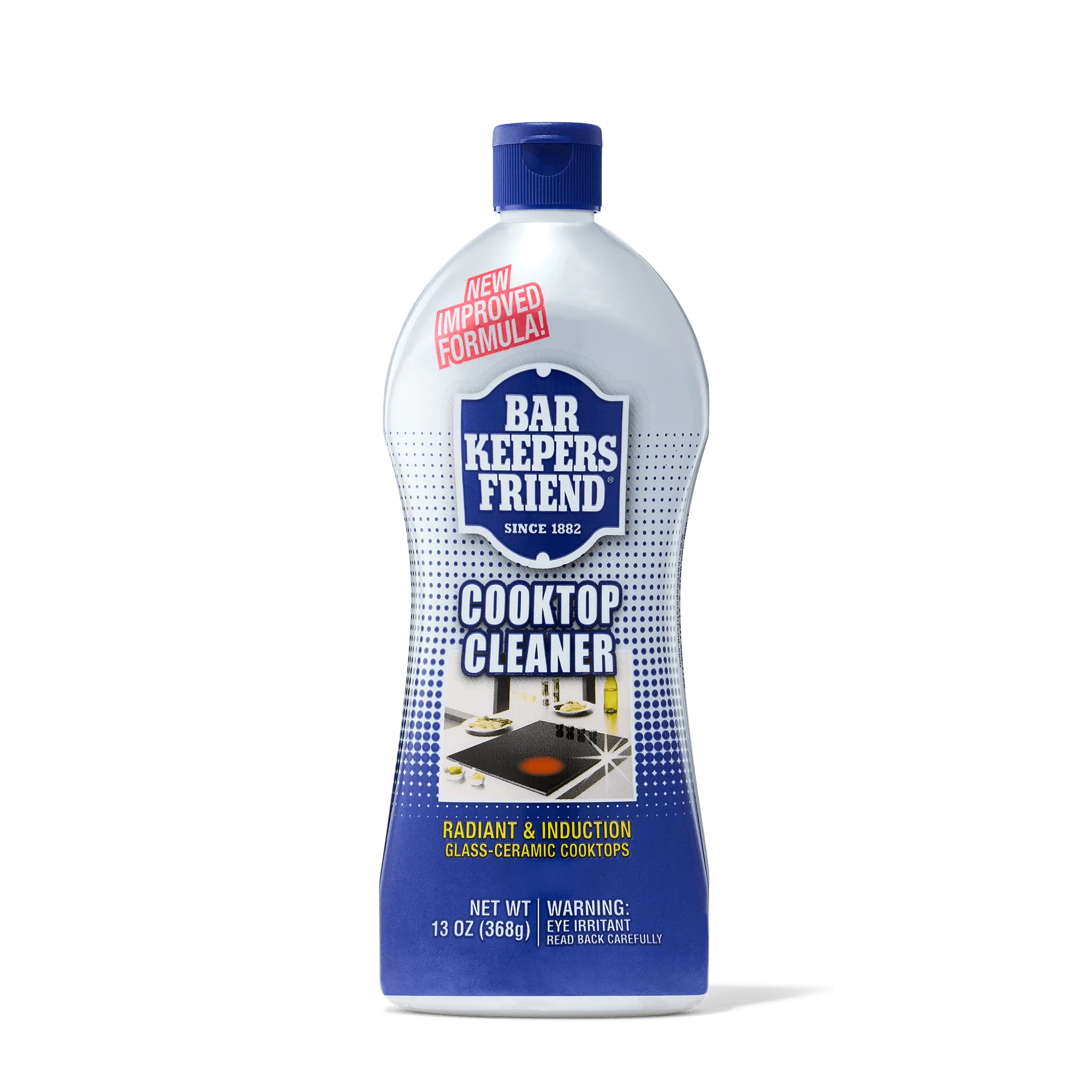
For kitchen counters and stovetops, a cooktop cleaner designed for glass or ceramic surfaces can remove baked-on spills without scratching. Look for formulas that are free of ammonia and bleach. In the bathroom, a toilet bowl cleaner with citric acid or hydrogen peroxide tackles hard water stains and disinfects without chlorine. These targeted products often outperform generic all-purpose cleaners on tough jobs.
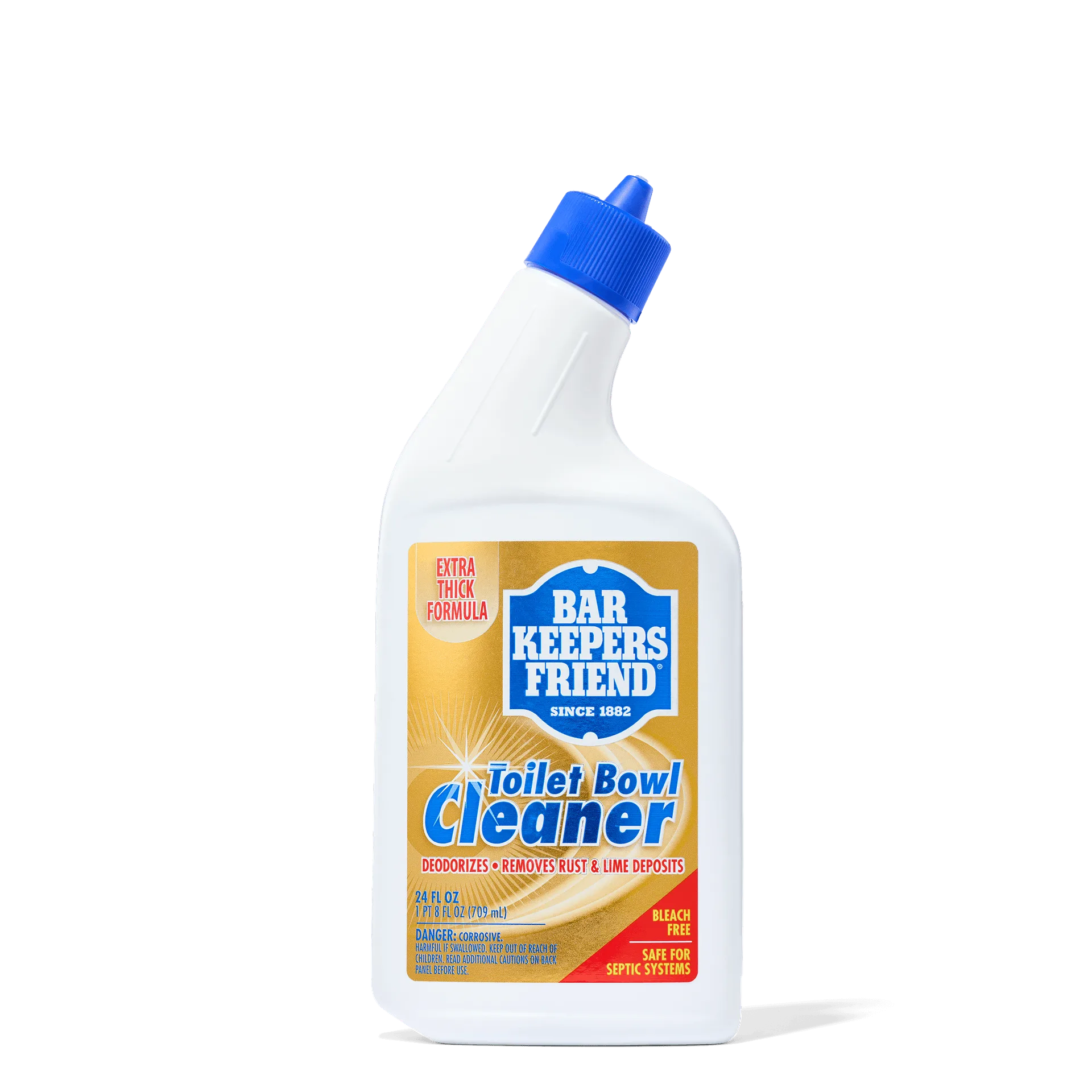
toilet bowl cleaner
- Use a stainless steel cleaner and polish to keep appliances streak-free and fingerprint-resistant.
- A cooktop cleaner is essential for maintaining glass stovetops without damaging the surface.
- Pair with a toilet bowl cleaner that uses natural acids for effective stain removal.
How to Verify Green Claims and Avoid Greenwashing
Greenwashing is rampant in the cleaning industry, with brands using vague terms like 'eco-friendly' or 'natural' without substantiation. To cut through the noise, look for specific ingredient lists and avoid products that hide behind proprietary blends. Reputable companies disclose their full ingredient list and explain the function of each component.
Another red flag is excessive packaging. A truly sustainable cleaner will use minimal, recyclable, or refillable containers. Some brands offer concentrated tablets or powders that you mix with water at home, drastically reducing plastic use. Also, check if the company publishes sustainability reports or participates in carbon offset programs. Transparency is the best indicator of genuine commitment.
- Look for full ingredient disclosure—avoid products that only list 'other ingredients'.
- Prefer concentrates or powders that you mix yourself to reduce packaging waste.
- Support brands that use post-consumer recycled (PCR) plastic or offer refill stations.
DIY vs. Store-Bought: Which Is More Effective?
Many people turn to DIY cleaners using vinegar, baking soda, and lemon juice. While these can work for light cleaning, they often fall short on heavy grease, soap scum, or disinfecting. Vinegar, for example, is not effective against all bacteria and can damage natural stone or unsealed grout. Store-bought eco-friendly cleaners are formulated with the right balance of surfactants, chelating agents, and pH adjusters to tackle specific messes safely.
For example, a superior multi-purpose cleaner made from plant-based ingredients can cut through kitchen grease and bathroom grime without needing multiple products. Similarly, a cleanser-95386">soft cleanser with fine pumice or calcium carbonate can gently scrub sinks and tubs without scratching. These products offer convenience and reliability that DIY solutions often can’t match, especially when you need to disinfect or remove stubborn stains.
- DIY solutions work for maintenance cleaning but may not disinfect or remove heavy buildup.
- Store-bought eco-friendly cleaners are rigorously tested for efficacy and safety.
- A superior multi-purpose cleaner can replace several single-purpose products, reducing waste.
Top Tips for a Sustainable Cleaning Routine
Switching to eco-friendly cleaners is just one part of a sustainable cleaning routine. You can further reduce your environmental impact by using reusable microfiber cloths instead of paper towels, and by choosing tools made from bamboo or recycled materials. Also, avoid overusing products—most surfaces need only a small amount of cleaner to be effective.
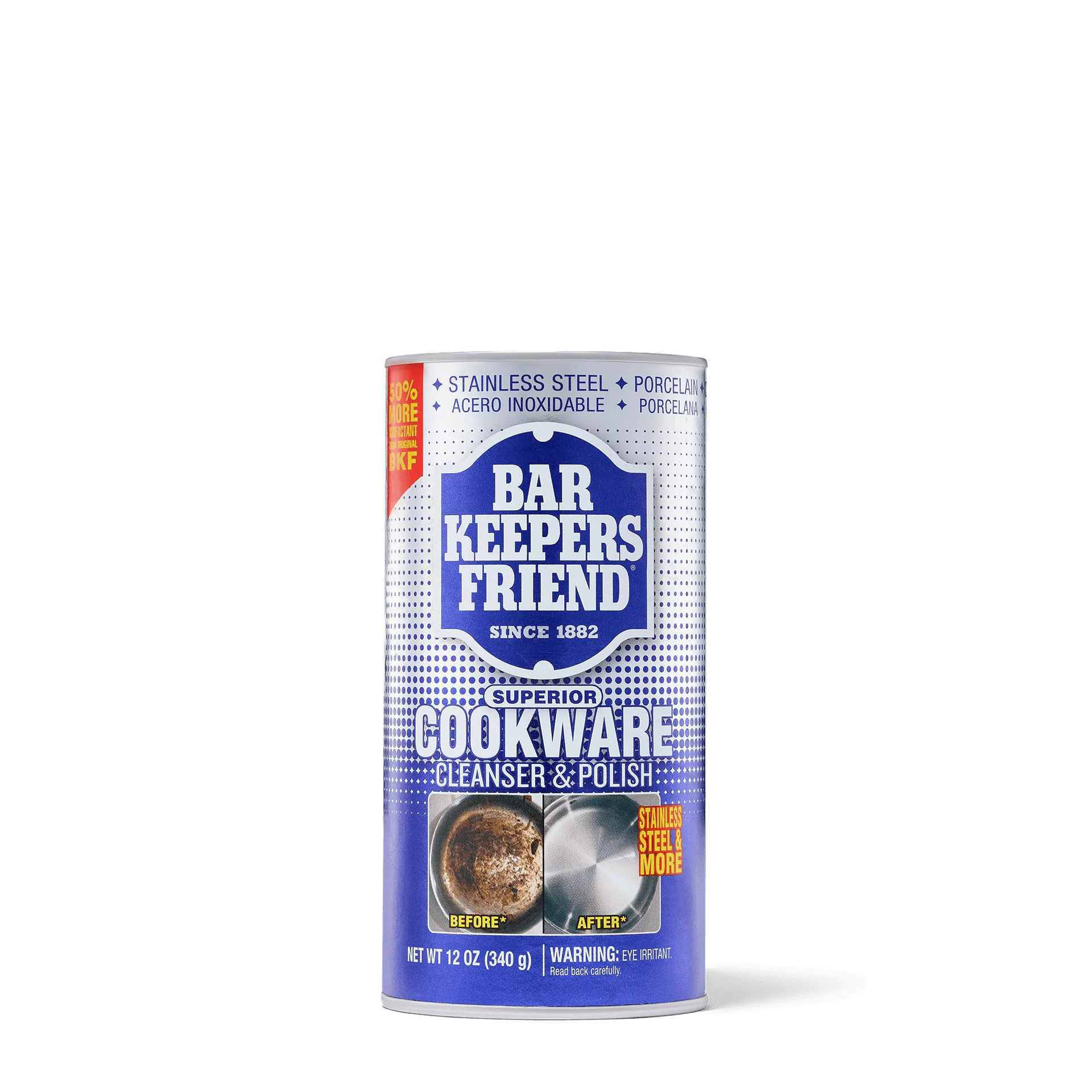
Another tip is to clean regularly so that dirt and grime don’t build up, which reduces the need for harsh scrubbing or multiple applications. For weekly deep cleans, a cookware cleanser and polish can restore shine to pots and pans without toxic chemicals. By combining the right products with smart habits, you can maintain a healthy home and a healthier planet.
- Use reusable cloths and mop heads to cut down on disposable waste.
- Follow dilution instructions to avoid wasting product and overloading surfaces.
- Clean spills immediately to prevent stains and reduce the need for heavy-duty cleaners.
Making the switch to non-toxic, eco-friendly cleaning products doesn’t mean sacrificing performance. By choosing plant-based formulas, verifying green certifications, and using the right tool for each task, you can keep your home spotless and safe. Bar Keeper’s Friend offers a range of effective, sustainable cleaning solutions—from stainless steel cleaner and polish to cooktop cleaner and soft cleanser—that let you clean with confidence. Explore our collection of eco-friendly products and start your greener cleaning journey today.