As pet owners become more environmentally conscious, the demand for sustainable pet products has skyrocketed. From biodegradable poop bags to organic treats, eco-friendly options are everywhere. But what about the collar your dog wears every day? It's one of the most essential accessories, yet many overlook its environmental impact. In this article, we'll explore what makes a dog collar truly sustainable, from the materials used to the manufacturing process.
At Cycle Dog, we believe that sustainability isn't just a trend—it's a responsibility. Our handmade-in-USA collars are designed with both your pet and the planet in mind. But what exactly sets an eco-friendly collar apart from a conventional one? Let's dive into the key factors that contribute to a collar's sustainability.
Materials Matter: Recycled and Earth-Friendly Fabrics
The foundation of any sustainable dog collar is the material it's made from. Traditional collars often use virgin nylon or polyester, which are derived from petroleum and require significant energy to produce. In contrast, eco-friendly collars are crafted from recycled materials, such as recycled plastic bottles or reclaimed nylon. These materials reduce waste and lower the carbon footprint of the product.
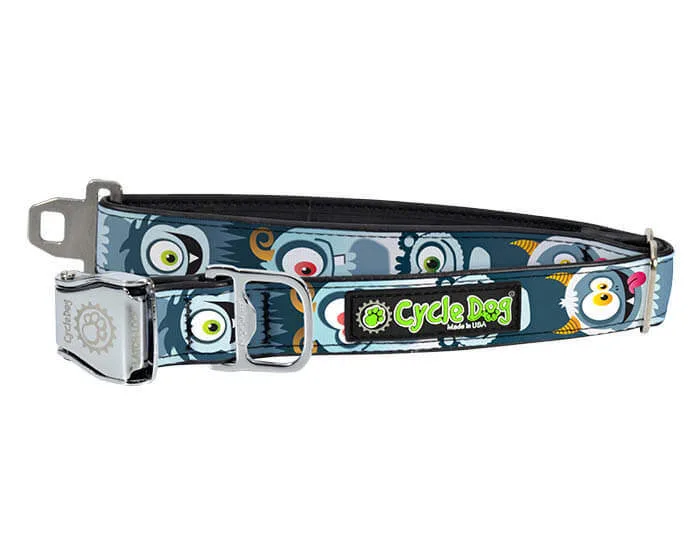
For example, Cycle Dog uses recycled polyester in many of our collars, giving new life to plastic that would otherwise end up in landfills. This not only conserves resources but also reduces greenhouse gas emissions. When shopping for a sustainable dog collar, look for labels that specify 'recycled' or 'upcycled' materials. The Monster Yetis Dog Collar and the Mountain Life Dog Collar are excellent examples of how recycled materials can be both stylish and durable.
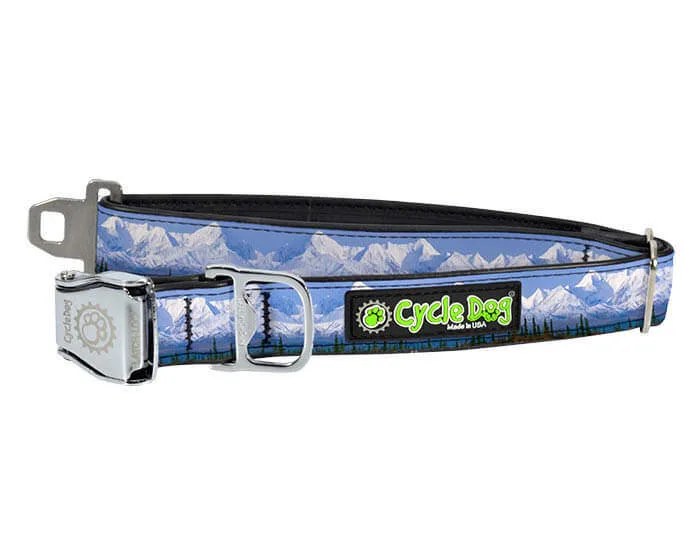
Mountain Life Dog Collar
- Check for certifications like Global Recycled Standard (GRS) or OEKO-TEX to ensure materials are genuinely eco-friendly.
- Consider collars made from natural fibers like hemp or organic cotton, which are biodegradable and renewable.
Durability: The Ultimate Sustainability Factor
One of the most overlooked aspects of sustainability is durability. A collar that lasts for years is inherently more eco-friendly than one that needs to be replaced every few months. High-quality stitching, robust hardware, and weather-resistant materials all contribute to a longer lifespan. When a collar breaks or wears out quickly, it ends up in a landfill, negating any eco-friendly benefits of its materials.
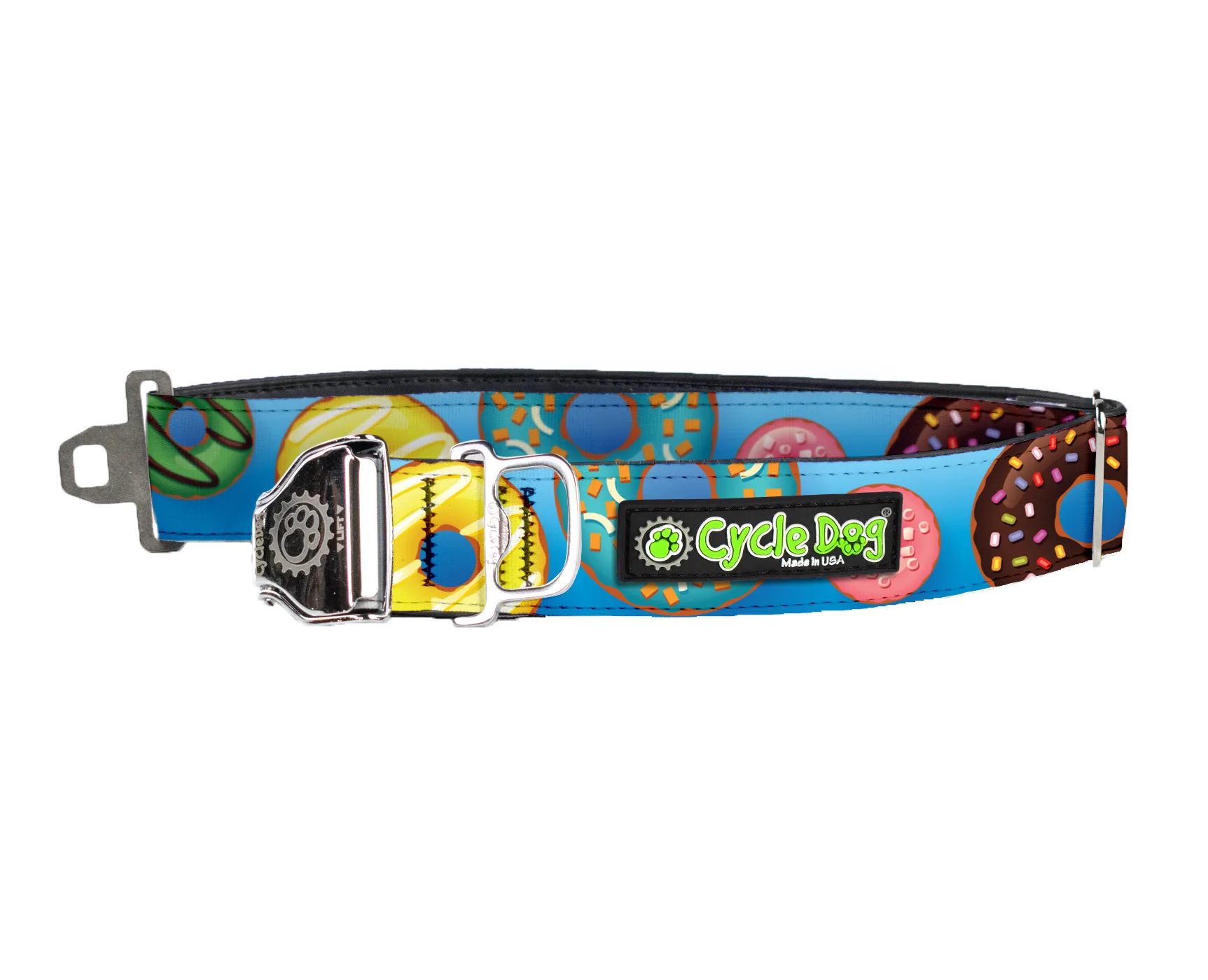
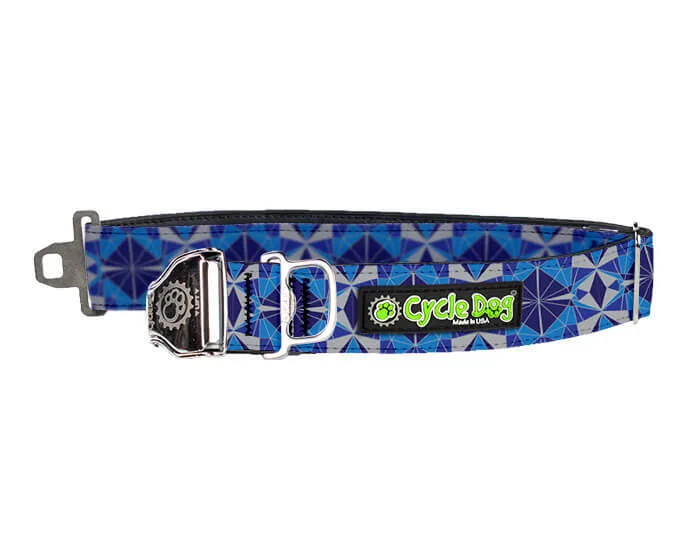
Cycle Dog collars are built to withstand the rigors of daily use. Our heavy-duty hardware and reinforced stitching ensure that your dog's collar can handle everything from muddy hikes to enthusiastic play. The Donut Dog Collar and the Blue Kaleidoscope Dog Collar are designed with durability in mind, so you won't have to replace them frequently. Investing in a long-lasting collar is one of the most sustainable choices you can make.
- Look for collars with rust-resistant hardware and double-stitched seams.
- Choose a collar that is machine washable to extend its life and keep it looking fresh.
Ethical Manufacturing: Handmade in the USA
Sustainability goes beyond materials; it also encompasses the manufacturing process. Mass-produced collars often come from factories with questionable labor practices and high environmental costs. By choosing a collar that is handmade in the USA, you support ethical manufacturing and reduce the carbon footprint associated with shipping goods overseas.
Cycle Dog takes pride in our American-made products. Each collar is crafted with care, ensuring fair wages and safe working conditions for our artisans. This commitment to ethical production is a key component of our sustainability mission. When you purchase a Zebra Dog Collar or a Fern Grove Dog Collar, you're not just getting a high-quality product—you're supporting a company that values people and the planet.
- Research the brand's manufacturing practices and look for transparency about their supply chain.
- Supporting local businesses reduces transportation emissions and boosts the local economy.
The Role of Certifications and Transparency
With the rise of greenwashing, it's essential to look for third-party certifications that verify a product's eco-friendly claims. Certifications like the Global Recycled Standard (GRS) or the OEKO-TEX Standard 100 ensure that materials are genuinely recycled and free from harmful substances. Transparency about sourcing and production processes is also a hallmark of a truly sustainable brand.
Cycle Dog is committed to transparency. We clearly communicate the materials and processes used in our products, so you can make an informed choice. Our Rainbow Pride Dog Collar, for instance, is not only vibrant and fun but also made from recycled materials, proving that sustainability and style can go hand in hand. Always ask brands about their certifications and don't be afraid to dig deeper.
- Look for eco-labels that are independently verified, not just self-proclaimed.
- Check the brand's website for detailed information about their sustainability practices.
Choosing a sustainable dog collar is a simple yet impactful way to reduce your pet's environmental paw print. By prioritizing recycled materials, durability, and ethical manufacturing, you can make a positive difference. At Cycle Dog, we're proud to offer a range of eco-friendly collars that are both stylish and sustainable. Explore our collection today and find the perfect collar for your furry friend—one that you can feel good about.