Quick Take
Eco‑friendly stickers are now the go‑to choice for collectors and brands alike. Look for certified biodegradable or recycled substrates, weigh the modest price premium against longer‑term environmental benefit, and verify that the adhesive is removable without residue.
In 2026 the sticker world is shifting toward greener formulas. From recycled paper to plant‑based inks, manufacturers are responding to consumer demand for lower‑impact décor.
Annuzza Art has joined the movement, offering waterproof die‑cut stickers made with sustainable materials. This guide breaks down the key decision points so you can pick stickers that match your values and budget.
Why Sustainable Materials Matter
Traditional vinyl stickers rely on petroleum‑based plastics that linger in landfills for decades. Eco‑friendly alternatives—such as recycled cellulose, biodegradable polymers, or water‑based inks—reduce that footprint and often provide comparable waterproof performance. The trade‑off can be a slightly higher unit cost, but many shoppers find the environmental payoff worth the difference.
Durability remains a priority. Modern biodegradable films are engineered to resist UV fading and moisture, so you still get a vibrant, long‑lasting design on laptops, water bottles, or notebooks. However, extreme outdoor exposure may still favor conventional vinyl if you need the absolute longest lifespan.
- Check for certifications like FSC or compostable labels.
- Compare price per square inch to gauge value.
Choosing the Right Eco‑Friendly Sticker
Start by matching the sticker size to your intended surface. Smaller die‑cut stickers (around 1.6"–2.1") are ideal for laptops and phone cases, while larger formats work better on notebooks or skateboards. Next, evaluate the adhesive: removable adhesives protect surfaces, whereas permanent glues give stronger hold but can damage finishes.
Finally, consider the artistic story behind each piece. Annuzza Art’s limited‑run designs often carry personal narratives that add sentimental value, making the modest price increase feel like an investment in both art and sustainability.
- Prioritize waterproof die‑cut stickers for everyday use.
- Select designs with personal meaning to enhance satisfaction.
Decision Rules for Eco‑Friendly Sticker Purchases
- Verify Material Certification: Look for FSC‑recycled paper, biodegradable polymer, or compostable labels on the product page. Ensures the sticker truly reduces environmental impact.
- Assess Price vs Durability: Compare the unit price with the advertised waterproof rating and expected lifespan. Helps decide if the premium aligns with your usage needs.
- Check Adhesive Type: Choose removable adhesive for laptops and phones; opt for permanent if you need a stronger bond on rugged surfaces. Prevents surface damage and matches the intended application.
Sample Eco‑Friendly Stickers from Annuzza Art
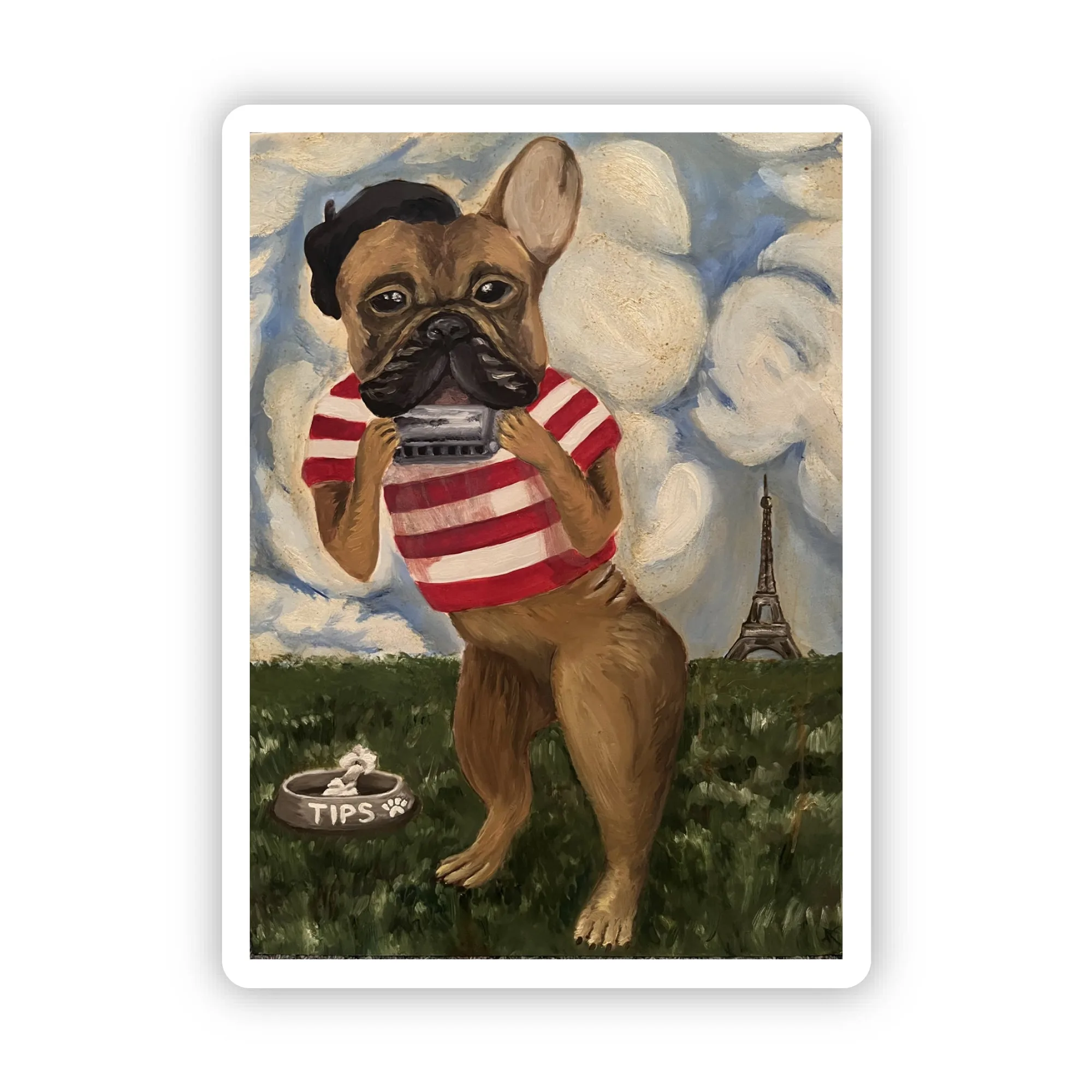
- French Bulldog in Paris Sticker: 2.2" x 3.0" Die Cut Waterproof Sticker featuring a 2013 oil painting tribute to the artist’s sweet Yoda. The waterproof die‑cut construction shows that vibrant art can survive daily handling while the modest size fits most personal items.
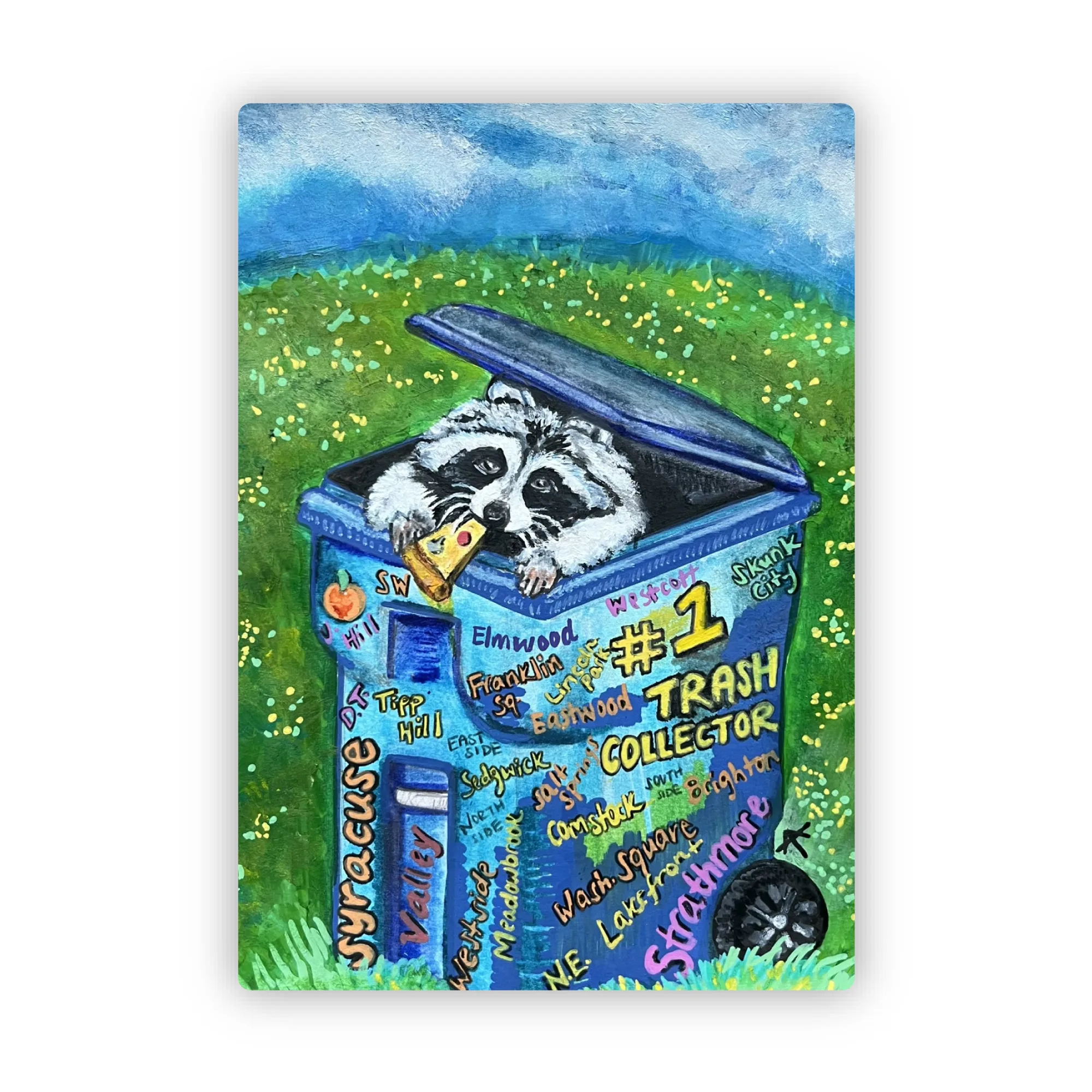
- #1 Trash Collector Sticker: 2.1" x 3.0" Die Cut Waterproof Sticker with a mixed media raccoon pizza party illustration encouraging litter pick‑up in Syracuse, NY. Its playful eco‑message aligns with sustainable values, and the waterproof material ensures the design stays bright even on outdoor gear.
Who Should Choose Eco‑Friendly Stickers?
Best For
- Eco‑conscious collectors who value sustainable art
- Brands seeking green promotional items
Not Ideal For
- Outdoor extreme‑weather applications requiring maximum longevity
- Budget‑only shoppers unwilling to accept a small price premium
Eco‑friendly stickers are no longer a niche; they’re a mainstream choice that blends style, durability, and responsibility. By applying the decision rules above, you can pick Annuzza Art’s green stickers with confidence.