As more households embrace sustainable living, the dining table has become a focal point for eco-conscious choices. From organic cotton napkins to naturally dyed tablecloths, sustainable table linens offer a way to reduce environmental impact without sacrificing style. This guide explores the best materials, dyeing methods, and brands leading the shift toward green dining.
Whether you're hosting a formal dinner or a casual family meal, the linens you choose can make a significant difference. By opting for organic fibers, natural dyes, and ethical production, you support healthier ecosystems and fair labor practices. Let's dive into what makes a table linen truly eco-friendly.
Why Material Matters: The Environmental Impact of Table Linens
Conventional cotton production is one of the most resource-intensive agricultural processes, requiring vast amounts of water and synthetic pesticides. In contrast, organic cotton uses natural farming methods that conserve water and promote biodiversity. Linen, made from flax plants, is another excellent choice—flax grows with minimal water and without synthetic chemicals, and every part of the plant can be used, reducing waste.
Hemp is gaining popularity for its rapid growth and low environmental footprint. It enriches soil, requires no pesticides, and yields strong, durable fibers. When choosing table linens, look for certifications like GOTS (Global Organic Textile Standard) or OEKO-TEX to ensure the materials meet strict ecological and social criteria.
- Organic cotton: GOTS-certified, uses 91% less water than conventional cotton
- Linen: biodegradable, requires little water, and becomes softer with each wash
- Hemp: grows quickly, improves soil health, and produces durable fabric
Natural Dyes: Color Without Harm
Synthetic dyes often contain toxic chemicals that pollute waterways and harm workers. Natural dyes, derived from plants, minerals, and insects, offer a safer alternative. Indigo, madder root, and turmeric create rich hues without environmental damage. However, natural dyes can be less colorfast, so proper care is essential to maintain vibrancy.
Low-impact dyes are another option—they use fewer chemicals and less water than conventional dyes. Many eco-conscious brands now offer linens dyed with natural or low-impact methods. For example, the Dinner Napkins Double Sided Drift - Quiet Season feature subtle, nature-inspired tones that align with sustainable aesthetics.
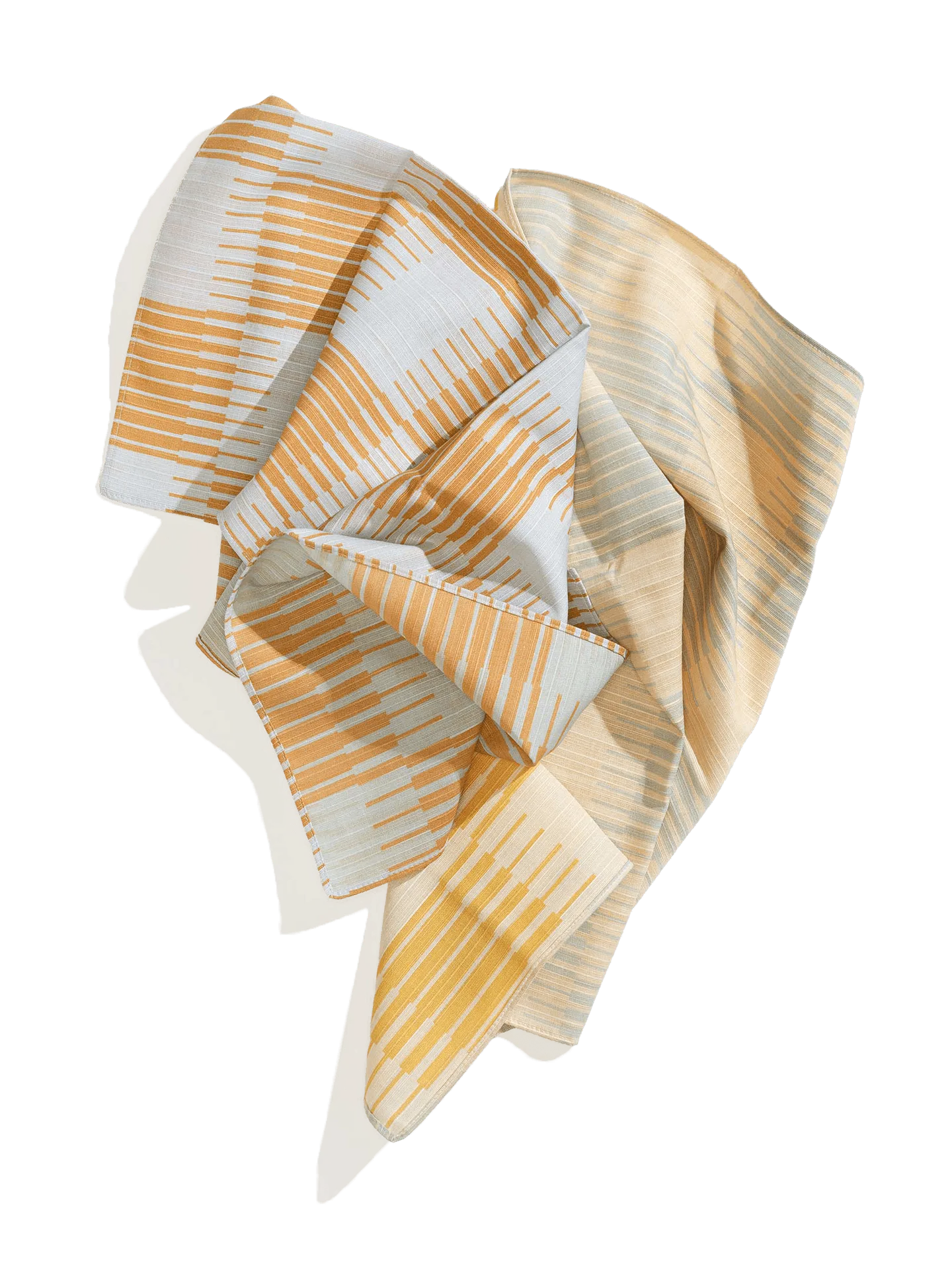
Dinner Napkins Double Sided Drift - Quiet Season
- Indigo: deep blue from the indigofera plant
- Madder root: produces reds and pinks
- Turmeric: yields golden yellow, but requires mordants for durability
Caring for Your Eco-Friendly Linens
To extend the life of sustainable table linens, wash them in cold water with mild, eco-friendly detergent. Avoid bleach and fabric softeners, which can damage natural fibers and dyes. Air drying is best—it saves energy and prevents shrinkage. For stubborn stains, pre-treat with a paste of baking soda and water.
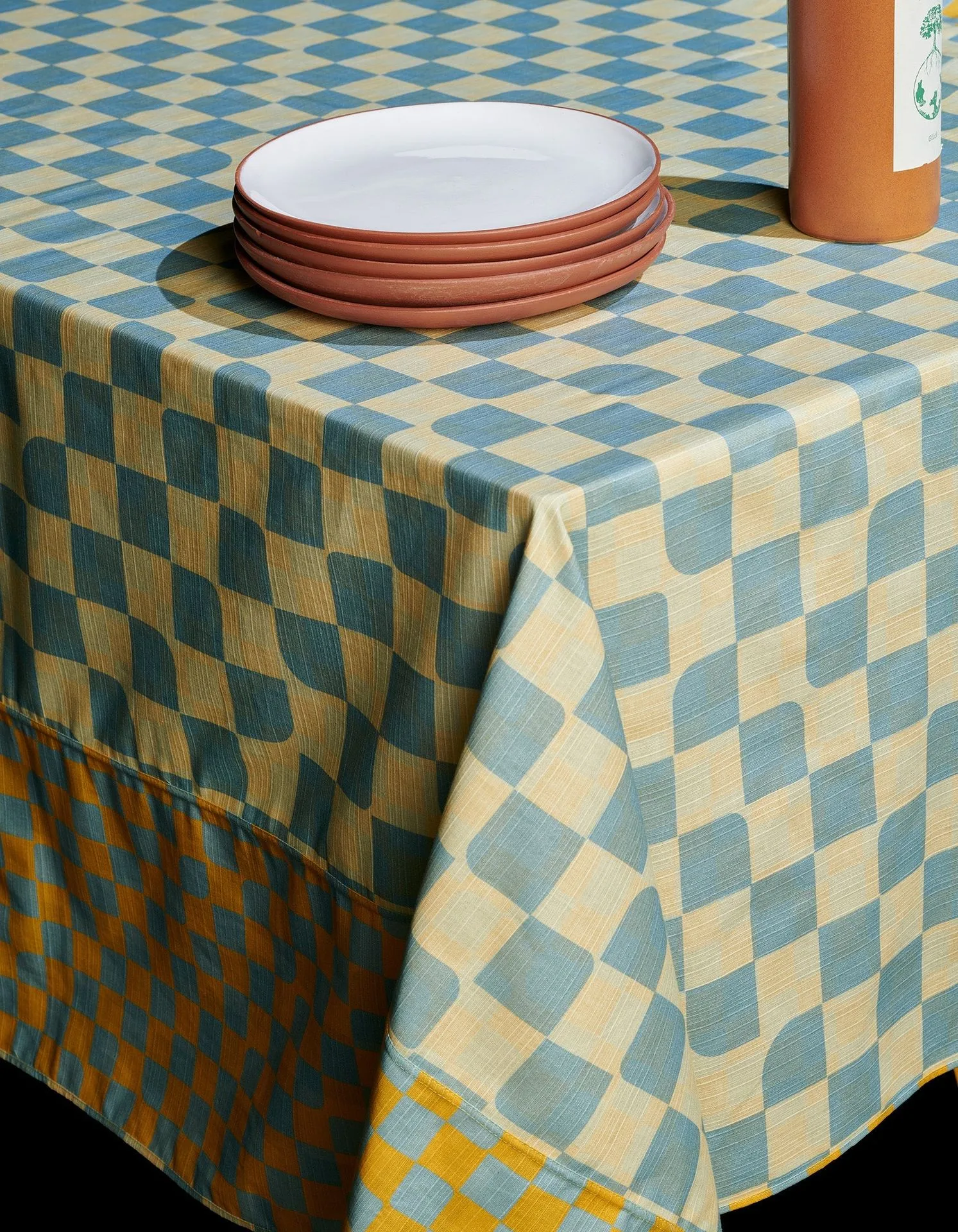
Proper storage also matters. Fold linens loosely and store in a cool, dry place away from direct sunlight to prevent fading. Using a Tablecloth Sabi made from organic linen can elevate your table while being gentle on the planet. With care, these pieces can last for years, reducing the need for frequent replacements.
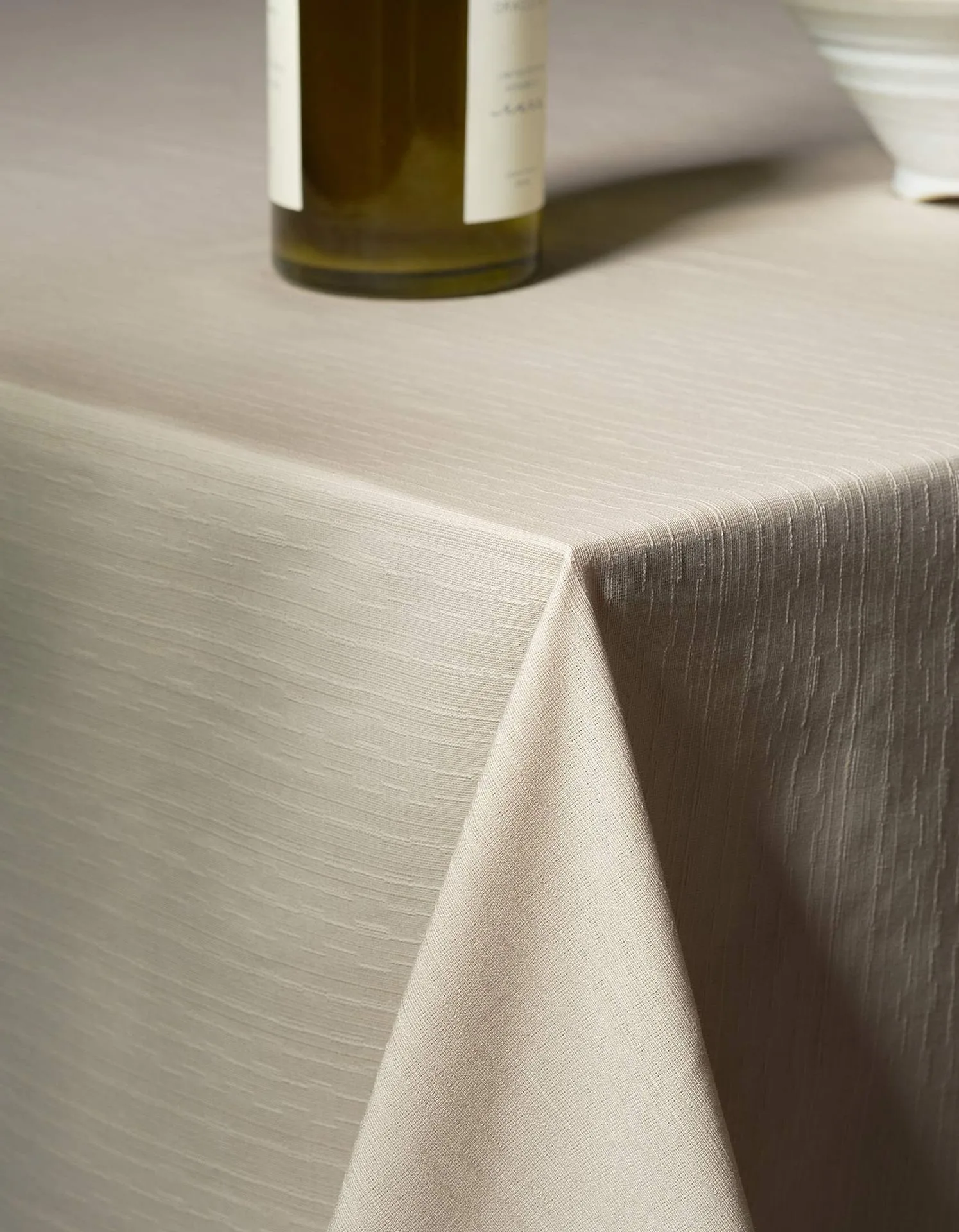
Tablecloth Sabi
- Wash in cold water with eco-friendly detergent
- Air dry to save energy and preserve fabric
- Store away from sunlight to prevent fading
Top Eco-Friendly Table Linen Choices for Your Home
When shopping for sustainable table linens, look for brands that prioritize transparency and ethical production. Organic cotton napkins, linen tablecloths, and hemp placemats are all excellent options. The Dinner Napkins Double Sided Stripe - Quiet Season offer a stylish yet sustainable choice for everyday use, combining organic cotton with natural dyes.
For a complete eco-friendly tablescape, consider mixing and matching pieces from the same sustainable collection. A linen tablecloth paired with organic cotton napkins creates a cohesive look that's both beautiful and responsible. Investing in quality, timeless designs reduces waste and supports a circular economy.
- Choose GOTS-certified organic cotton napkins
- Opt for linen tablecloths from flax grown without chemicals
- Look for natural or low-impact dye processes
Embracing eco-friendly table linens is a simple yet impactful step toward greener living. By choosing sustainable materials and natural dyes, you not only enhance your dining experience but also contribute to a healthier planet. Explore our collection of thoughtfully crafted linens, including the Dinner Napkins Double Sided Drift - Quiet Season, to start your sustainable table journey today.