Tea lovers around the world brew billions of cups each year, but the environmental cost of single-use tea bags and plastic packaging has become impossible to ignore. In 2025, the tea industry is undergoing a quiet revolution as brands race to replace non-recyclable materials with eco-friendly alternatives. From biodegradable tea bags to refillable tins, sustainability is no longer a niche selling point—it's becoming an industry standard.
For consumers who care about the planet, understanding what makes tea packaging truly eco-friendly can be confusing. Greenwashing is common, and terms like 'biodegradable' and 'compostable' aren't always regulated. This article cuts through the marketing noise to explain the real changes happening in tea packaging, the materials that matter, and how you can make more environmentally friendly tea choices without sacrificing quality.
The Problem with Traditional Tea Packaging
Most tea bags sold globally contain polypropylene, a plastic sealing agent that prevents the bag from falling apart in hot water. While convenient, these bags are not compostable and contribute to microplastic pollution. Even paper tea bag boxes often have a plastic window or glossy coating that makes recycling difficult. The result: millions of tons of tea packaging waste end up in landfills each year.
Beyond tea bags, loose leaf tea is often sold in non-recyclable foil pouches or plastic jars. While loose leaf tea generally has a lower packaging footprint than bagged tea, the containers themselves can be problematic. Some brands use multi-layer laminates that are nearly impossible to separate for recycling. The good news is that consumer demand is driving rapid innovation, and 2025 is seeing some of the most promising solutions yet.
- Look for tea bags that are certified plastic-free and home-compostable
- Choose loose leaf tea sold in glass, metal, or paperboard containers
- Avoid tea bags that come individually wrapped in plastic or foil
Innovative Materials Leading the Change
Several natural fibers are replacing plastic in tea bag production. PLA (polylactic acid), derived from cornstarch, is a common alternative, though it requires industrial composting facilities to break down properly. More advanced options include tea bags made from hemp, bamboo, or abaca (a banana plant fiber) that can decompose in home compost bins within weeks. These materials are now affordable enough for mainstream brands to adopt.
For loose leaf tea, the shift is toward reusable and refillable containers. Many companies now offer tea in glass jars or metal tins that can be returned, refilled, or repurposed. The teapigs travel tea tin is a great example of a durable, reusable container designed to keep tea fresh while reducing single-use waste. Some brands also sell tea in bulk quantities, allowing customers to fill their own containers at specialty stores or through subscription services.
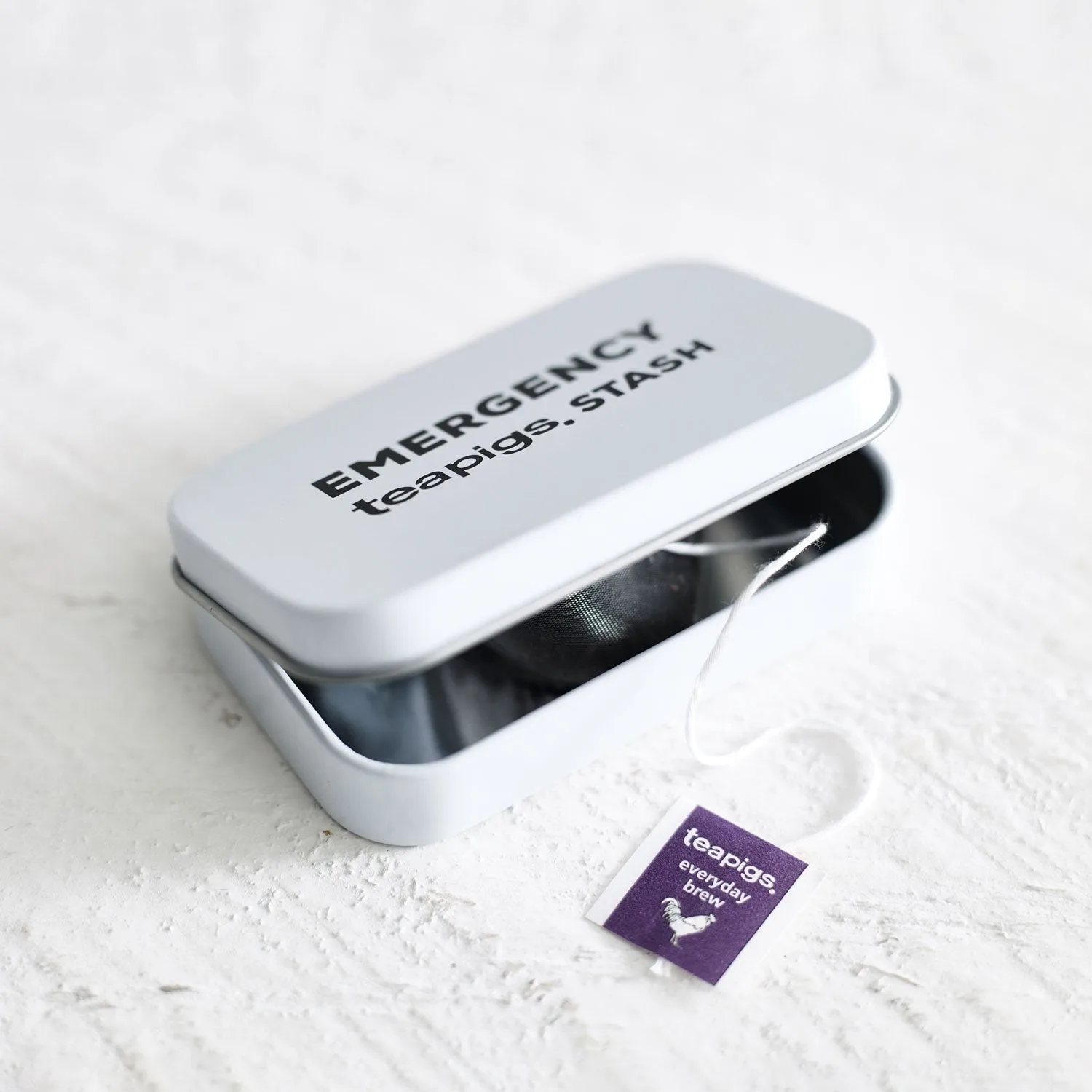
teapigs travel tea tin
- Hemp and bamboo tea bags are fully home-compostable
- Glass storage jars with airtight lids extend tea freshness and reduce plastic use
- Bulk buying tea cuts packaging waste by up to 80% compared to individual boxes
How to Identify Truly Sustainable Tea Brands
Not all eco-friendly claims are equal. Look for third-party certifications like 'Plastic-Free Certified,' 'OK Compost Home,' or 'Cradle to Cradle' to verify that packaging meets genuine sustainability standards. Avoid vague terms like 'green' or 'natural' without supporting evidence. Also check whether the brand provides clear instructions for composting or recycling their packaging—transparency is a hallmark of responsible companies.
Another sign of a committed brand is offering tea in bulk or with minimal packaging. For example, a chai bulk buy option significantly reduces the packaging per serving compared to individually wrapped tea bags. Brands that encourage customers to reuse containers or offer rewards for returning packaging are also leading the way. Supporting these businesses helps drive the entire industry toward more sustainable practices.
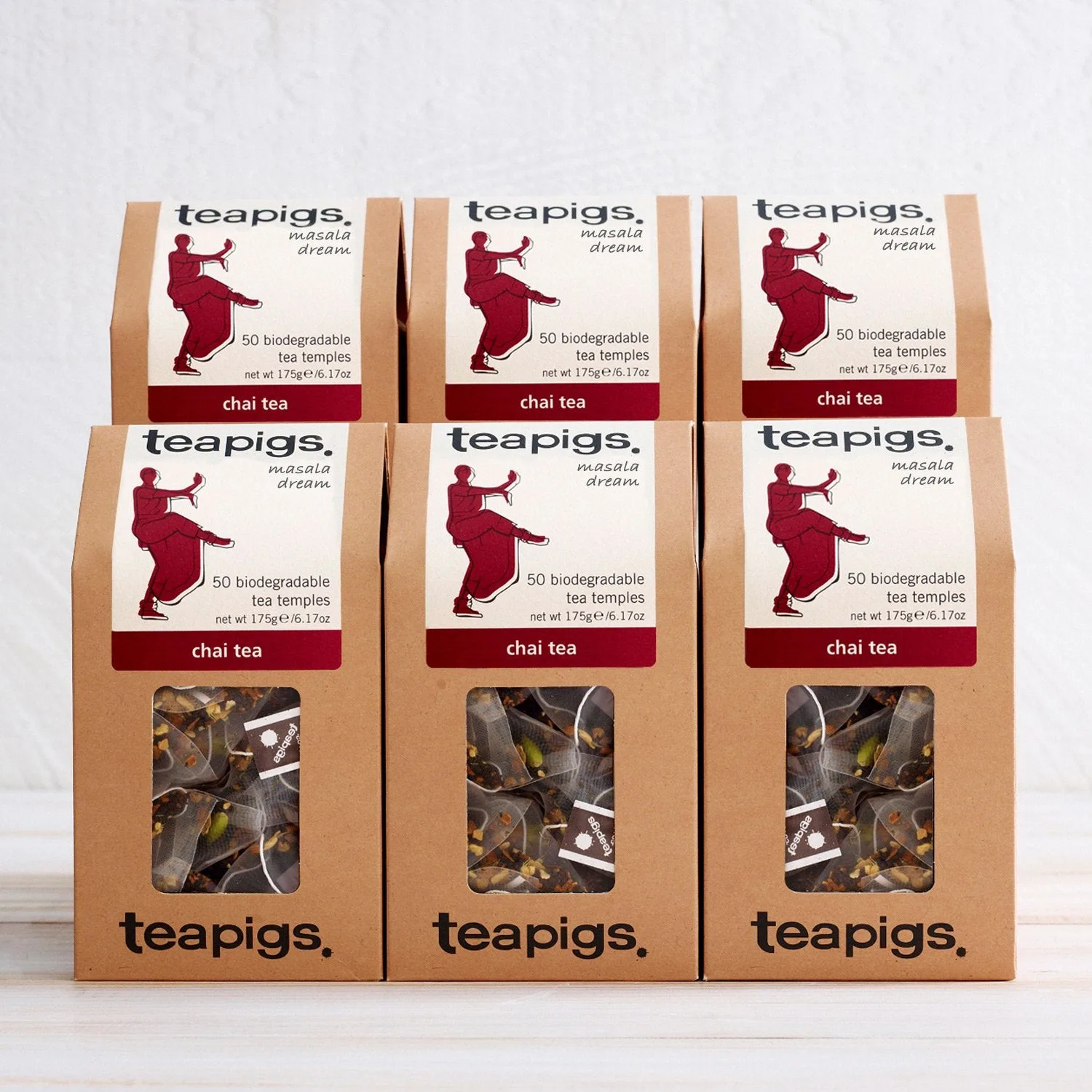
chai bulk buy
- Check for certifications like 'OK Compost Home' or 'Plastic-Free'
- Prefer brands that offer bulk tea options or refill programs
- Avoid tea bags that are individually wrapped in plastic or foil
The Role of Tea Accessories in Reducing Waste
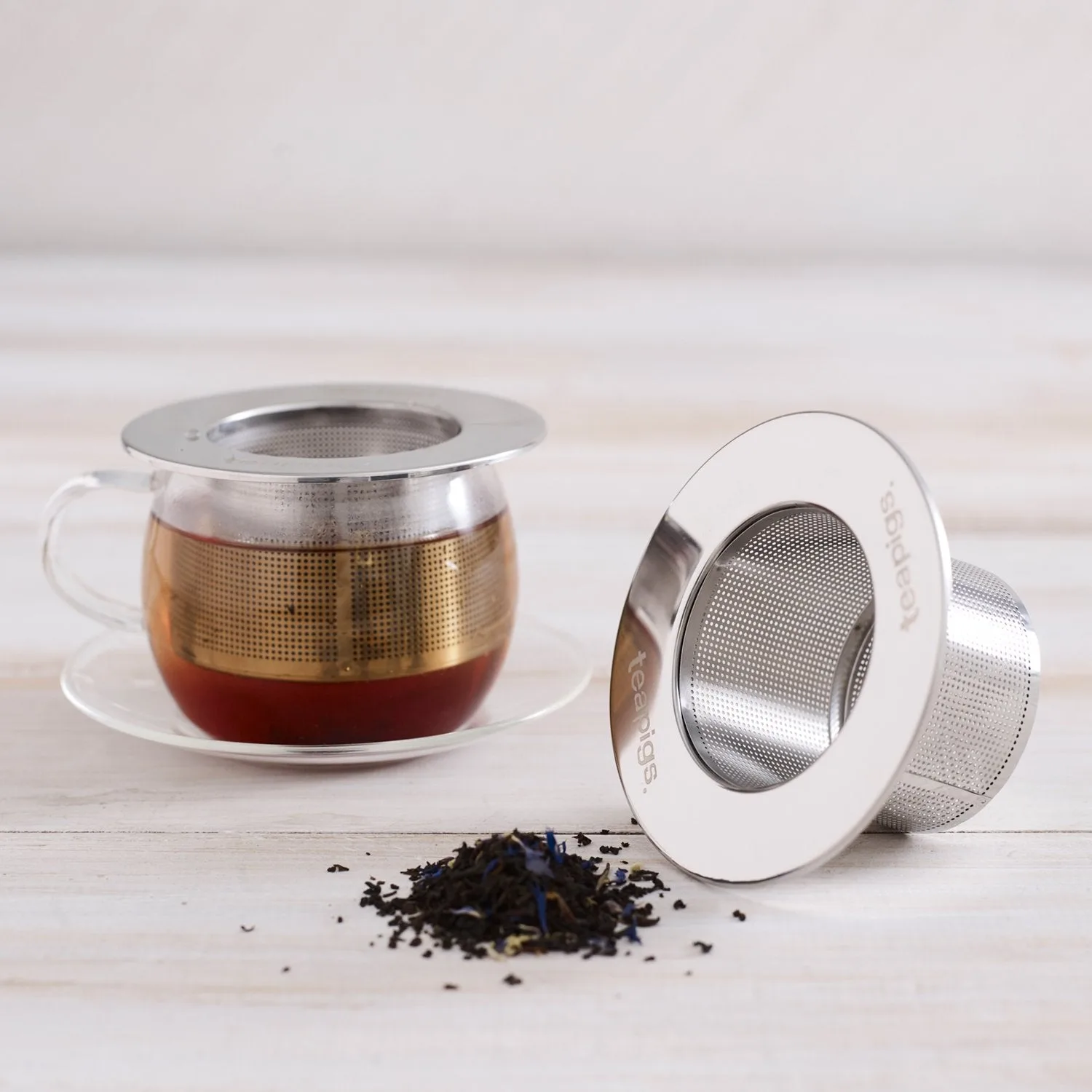
Eco-friendly tea packaging isn't just about the tea itself—it's also about how you brew it. Reusable accessories like a loose leaf tea infuser eliminate the need for disposable tea bags entirely, letting you enjoy any loose leaf tea without generating waste. Similarly, a well-designed teapot with a built-in infuser, such as the kinto unitea one touch teapot, makes brewing loose leaf tea convenient and stylish.
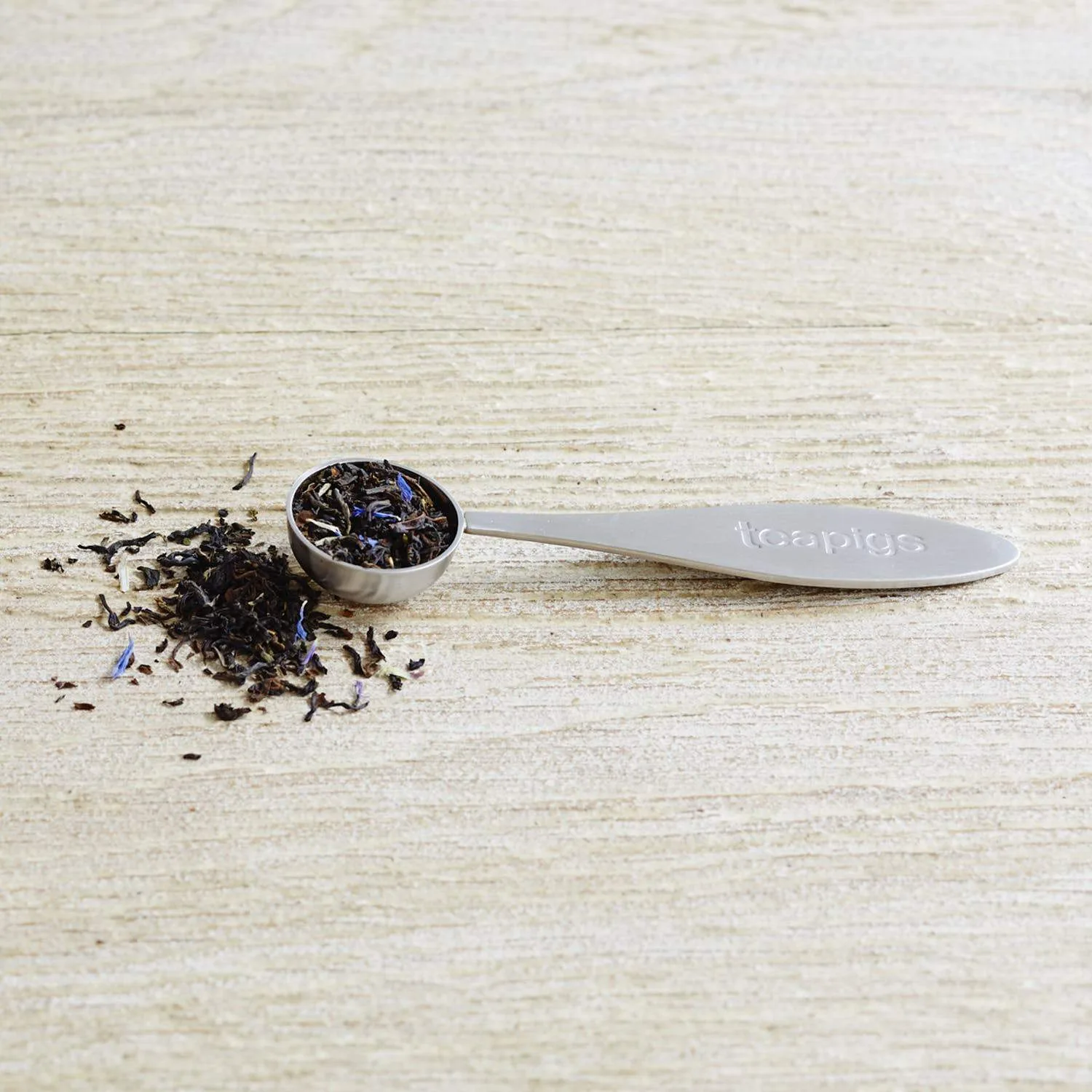
Other accessories can help you store tea properly without relying on single-use packaging. Airtight glass jars or tins keep tea fresh for months, reducing the likelihood of waste from stale tea. Even small items like a loose tea spoon can help you measure the perfect amount every time, preventing overuse and extending your tea supply. These simple tools make sustainable tea habits easy and enjoyable.
- Use a reusable infuser for loose leaf tea instead of disposable bags
- Store tea in airtight glass or metal containers to maintain freshness
- Invest in a quality teapot with a built-in infuser for zero-waste brewing
What to Expect from Tea Packaging in the Near Future
By 2026, experts predict that most major tea brands will have eliminated plastic from their tea bags entirely, thanks to advances in plant-based adhesives and fiber bonding. Edible tea bags made from rice paper or seaweed are also in development, though they remain a novelty for now. Meanwhile, refill stations in grocery stores and tea shops are becoming more common, allowing customers to buy exactly the amount they need without any packaging at all.
Blockchain technology is being piloted to trace packaging materials from source to shelf, giving consumers verifiable proof of sustainability claims. Some brands are experimenting with packaging that doubles as plant food—biodegradable pouches embedded with seeds that can be planted after use. These innovations may sound futuristic, but they are already in testing phases and could become mainstream within the next two years.
- Expect plastic-free tea bags to become the industry norm by 2026
- Refill stations and bulk buying will reduce packaging waste significantly
- Look for brands that use blockchain to verify their sustainability claims
Choosing eco-friendly tea packaging doesn't mean compromising on flavor or quality. By opting for loose leaf tea, reusable accessories, and brands that prioritize sustainable materials, you can enjoy your daily cup with a clear conscience. Explore our collection of environmentally friendly tea options and brewing tools to start your zero-waste tea journey today.