Coffee pods have transformed the way we brew, offering convenience and consistency in every cup. But as environmental concerns grow, many coffee lovers are asking a crucial question: Are eco pods really better for the planet than traditional pods? With millions of pods ending up in landfills each year, the choice between single-use convenience and sustainability has never been more important.
At Kiss the Hippo Coffee, we believe great taste and environmental responsibility can go hand in hand. In this article, we break down the key differences between eco pods and traditional pods, examining materials, recyclability, carbon footprint, and flavour. Whether you're a devoted pod user or just exploring greener options, this guide will help you make an informed decision that aligns with your values.
What Are Traditional Coffee Pods Made Of?
Traditional coffee pods are typically made from a combination of plastic and aluminium. The plastic provides structural integrity, while aluminium acts as a barrier to oxygen and moisture, preserving freshness. Brands like Nespresso and Keurig popularised this design, and while they deliver consistent flavour, the environmental cost is significant. Most traditional pods are not widely recyclable because they consist of mixed materials that are difficult to separate, and many end up in general waste.
Even when recycling programmes exist, the process is energy-intensive. The pods must be collected, dismantled, and the materials sorted — a step that many municipal facilities cannot handle. As a result, billions of traditional pods contribute to plastic pollution annually. For eco-conscious consumers, this has sparked interest in alternatives that reduce waste without sacrificing the convenience of pod brewing.
- Traditional pods are often made from #5 plastic (polypropylene) and aluminium, making them hard to recycle through curbside programmes.
- Some brands offer mail-in recycling, but participation rates remain low — often below 10% of total pod sales.
What Makes Eco Pods Different?
Eco pods are designed with the planet in mind. They are typically made from plant-based materials such as cornstarch, sugarcane fibre, or other compostable bioplastics. Unlike traditional pods, many eco pods are certified compostable in industrial facilities, meaning they can break down into organic matter within a few months. Some eco pods are also fully recyclable if made from a single material like aluminium with a peelable lid.
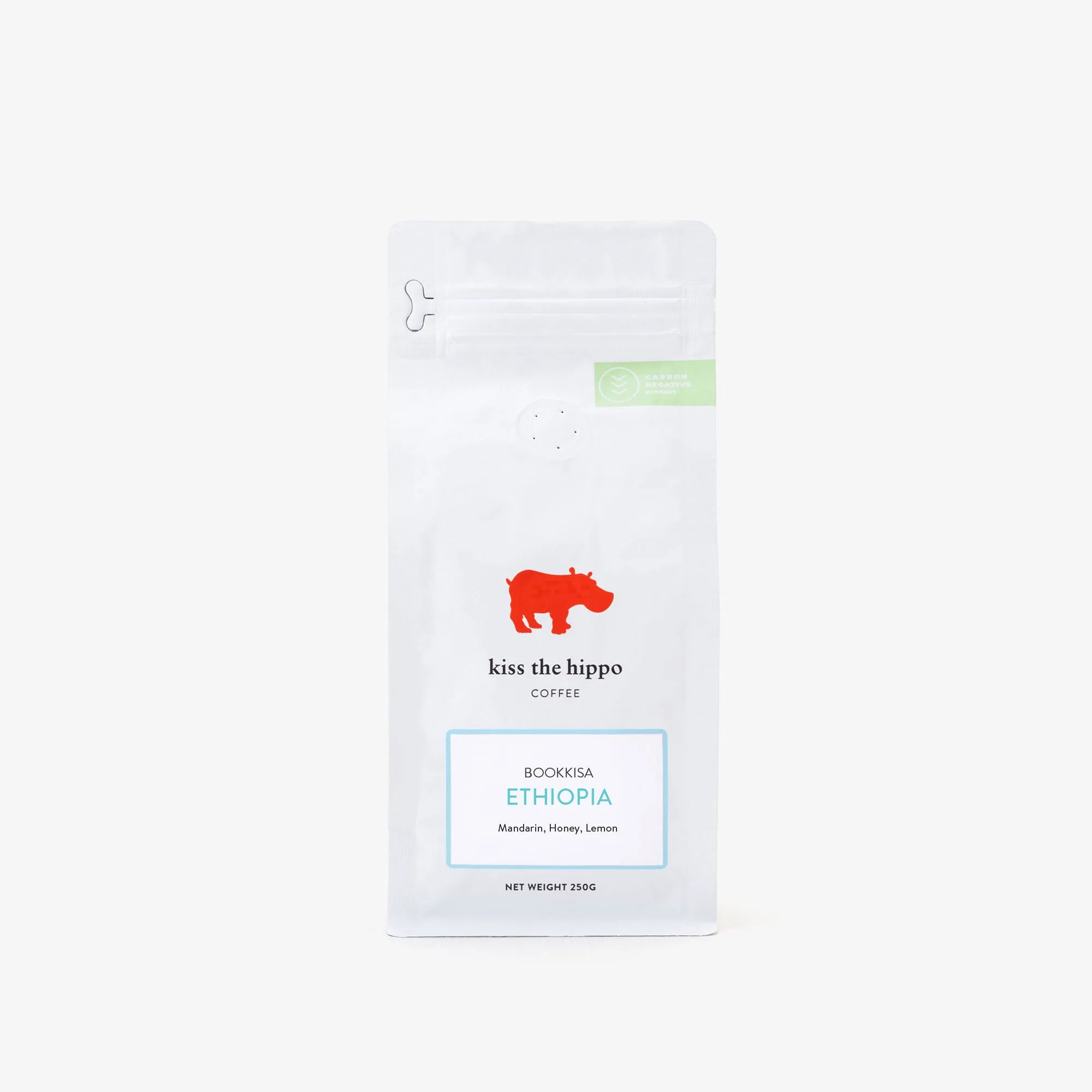
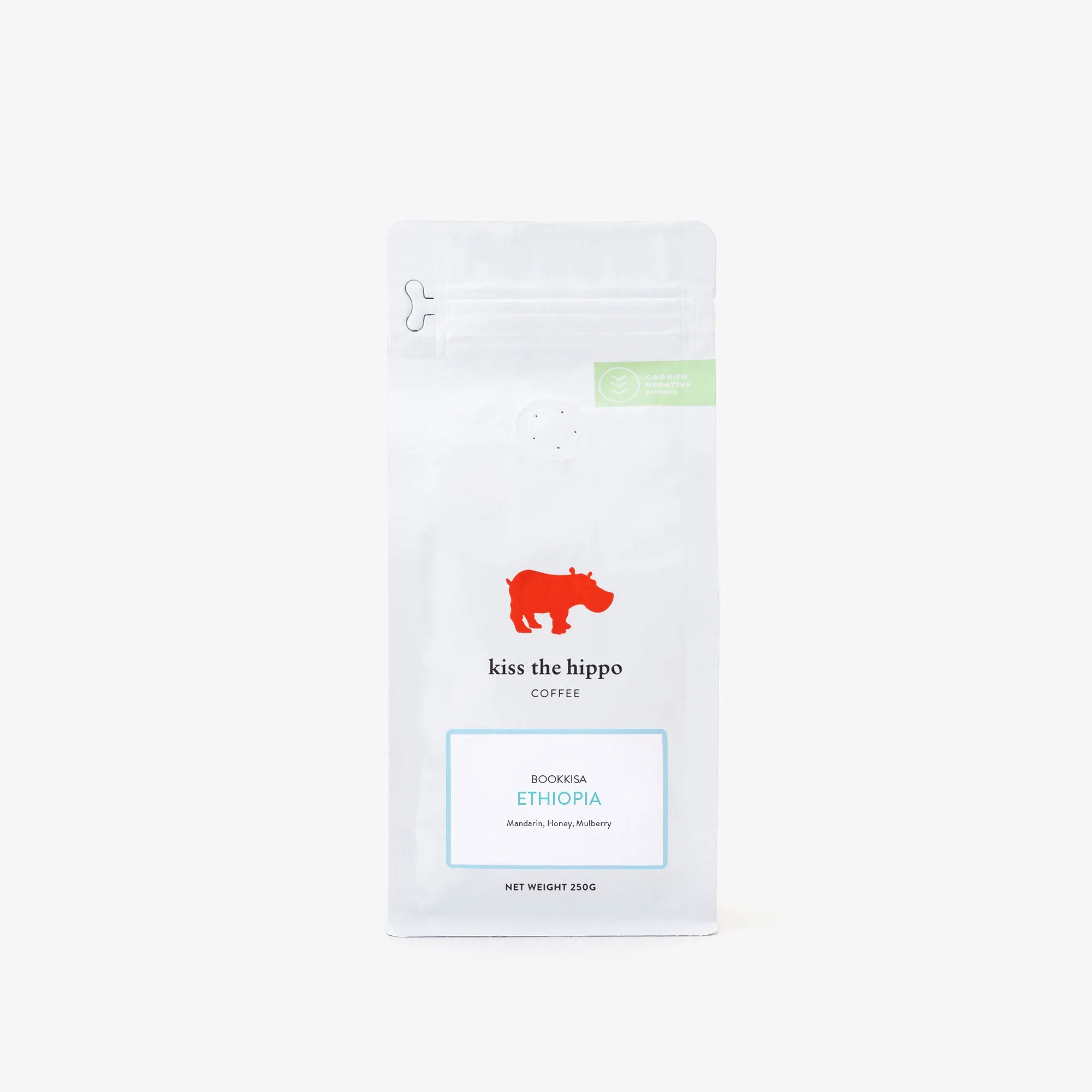
At Kiss the Hippo Coffee, we offer a range of eco-friendly pod options that pair sustainability with specialty-grade coffee. For example, our single-origin selections like https://kissthehippotg.com/products/ethiopia-bookkisa-132808Ethiopia, Bookkisa are available in compostable pod formats, allowing you to enjoy bright, fruity notes without the plastic guilt. The key is to look for certifications such as EN 13432 or BPI, which guarantee that the pods will compost under industrial conditions.
- Look for 'home compostable' vs 'industrially compostable' labels — home compostable pods break down in your backyard bin, while industrial ones need a facility.
- Eco pods often use a paper or plant-based filter top, eliminating the need for plastic lids.
Environmental Impact: A Side-by-Side Comparison
When comparing eco pods and traditional pods, the biggest difference lies in end-of-life disposal. Traditional pods generate non-biodegradable waste that persists for centuries, while eco pods can return to the earth. However, the production footprint also matters. Traditional pods require petroleum-based plastics and energy-intensive aluminium mining, whereas eco pods use renewable crops that absorb CO2 during growth.
That said, composting infrastructure is still limited in many regions. If an eco pod ends up in a landfill without oxygen, it may not break down any faster than plastic. Therefore, the true environmental benefit depends on your local waste management system. For maximum impact, choose pods that are both compostable and sourced from sustainably grown coffee. Our Colombia, Luis Anibal 200 Hour Gesha, for instance, is a remarkable single-origin that can be enjoyed in eco-friendly formats, supporting both flavour and the planet.
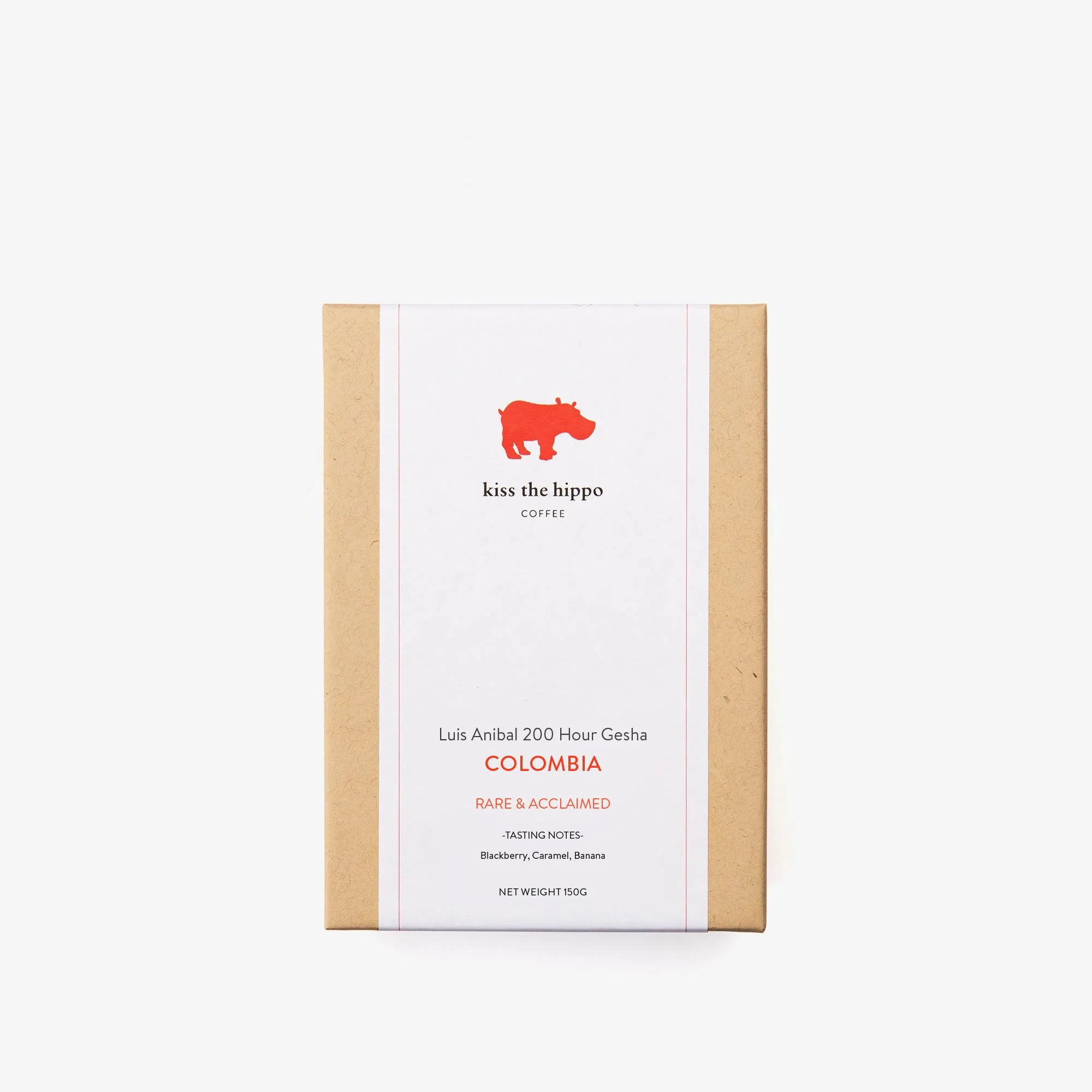
Colombia, Luis Anibal 200 Hour Gesha
- Traditional pods: ~10g of CO2 per pod (production + disposal) — mostly from plastic and aluminium.
- Eco pods: ~6g of CO2 per pod (production) — but can be carbon-negative if composted properly.
- Water usage: Traditional pods require more water for material extraction; eco pods use less due to plant-based sources.
Flavour and Freshness: Does Sustainability Compromise Taste?
One common concern is whether eco pods can match the flavour quality of traditional pods. The answer is a resounding yes — when the coffee inside is specialty grade. The pod material primarily affects oxygen and moisture ingress. High-quality eco pods with multilayer plant-based barriers can preserve freshness just as well as aluminium. In blind taste tests, many coffee drinkers cannot tell the difference.
Kiss the Hippo Coffee sources its coffee from top producers, ensuring that every pod — whether eco or traditional — delivers vibrant, complex flavours. For example, our Ethiopia, Bookkisa offers notes of blueberry and jasmine, and when brewed from an eco pod, the taste remains bright and clean. The key is to store pods in a cool, dark place and use them within their best-by date. Sustainability does not mean sacrificing the sensory experience.
- Always check the roast date on your pods — fresher coffee yields better flavour, regardless of pod type.
- Eco pods with a nitrogen flush can extend shelf life without preservatives.
Cost Comparison: Are Eco Pods More Expensive?
Eco pods often carry a slight premium — typically 10–20% more per cup than traditional pods. This is due to the cost of certified compostable materials and smaller production scales. However, the price gap is narrowing as demand grows and manufacturing processes improve. When you factor in the environmental cost of traditional pods (e.g., potential recycling fees or carbon offset programmes), eco pods can be a more cost-effective choice in the long run.
For budget-conscious consumers, buying in bulk or subscribing to a coffee pod delivery service can reduce per-pod costs. Many roasters, including Kiss the Hippo Coffee, offer subscription discounts for eco pods. Plus, you can enjoy the peace of mind that comes with reducing your plastic footprint. Investing in a reusable pod system is another option, but it requires more effort in cleaning and filling.
- Average cost per traditional pod: £0.35–£0.50
- Average cost per eco pod: £0.40–£0.65
- Subscription savings can bring eco pods down to £0.30–£0.45 per cup.
How to Choose the Right Pod for You
Your choice between eco pods and traditional pods ultimately depends on your priorities. If convenience and cost are your main concerns, traditional pods may still appeal — but consider seeking out brands with robust recycling programmes. If you want to minimise your environmental impact, eco pods are the clear winner, especially if you have access to industrial composting or a home compost heap.
For the best of both worlds, look for pods that use fully recyclable aluminium (with a separate lid) or home-compostable plant materials. Kiss the Hippo Coffee offers a curated selection of both types, so you can experiment. We recommend starting with a sampler to compare flavours and then committing to the format that fits your lifestyle. Remember, every eco pod you choose over a traditional one keeps plastic out of landfills and supports a more circular economy.
- Check your local council's composting rules before buying eco pods.
- If you compost at home, choose pods certified 'home compostable' (e.g., OK Compost HOME).
- For workplaces, eco pods can reduce waste management costs and boost green credentials.
Switching to eco pods is one of the simplest ways to reduce your coffee footprint without compromising on taste. Whether you prefer the bright acidity of Ethiopia, Bookkisa or the complex sweetness of Colombia, Luis Anibal 200 Hour Gesha, you can enjoy specialty coffee that cares for the planet. Explore our full range of sustainable pods and find your perfect brew today.