Mounting plants on your walls adds life and dimension to any room, but choosing the right planter material can make or break the project. Two popular options—eco stone and ceramic—each bring distinct trade-offs in weight, durability, and installation. Whether you’re a renter looking for a lightweight solution or a homeowner wanting a permanent green feature, understanding these differences helps you pick the best planter for wall mounting.
In this comparison, we’ll look at how eco stone wall planters stack up against ceramic planters for indoor walls. We’ll cover durability, weight, moisture management, and style so you can decide which material fits your plant care routine and decor goals.
Durability: Eco Stone vs. Ceramic Planters
Eco stone is a composite material made from recycled stone dust and resin, giving it impressive strength without the brittleness of fired clay or ceramic. It resists chipping and cracking better than ceramic, especially during handling or if you bump the planter while watering. For wall-mounted setups, this durability means the planter is less likely to develop hairline cracks from the constant weight of soil and water.
Ceramic planters, by contrast, are fired at high temperatures, which makes them hard but also prone to chipping if dropped or knocked. A ceramic wall planter that’s properly mounted can last for years, but it requires careful handling during installation. If you live in a home with temperature swings or high humidity, ceramic may be more vulnerable to crazing (tiny surface cracks) over time. For a low-maintenance option that holds up to daily use, eco stone offers a clear edge.
- Eco stone resists chipping better than ceramic, making it ideal for high-traffic areas or households with kids and pets.
Weight and Mounting Considerations
Weight is one of the most practical factors when choosing a wall planter. Ceramic planters are dense and heavy, especially in larger sizes. A standard 6-inch ceramic pot can weigh 2-3 pounds empty, and with soil and a moist plant, that load increases significantly. For wall mounting, you’ll need robust anchors or a stud finder to ensure the bracket can handle the weight safely. This adds installation time and limits where you can place the planter.
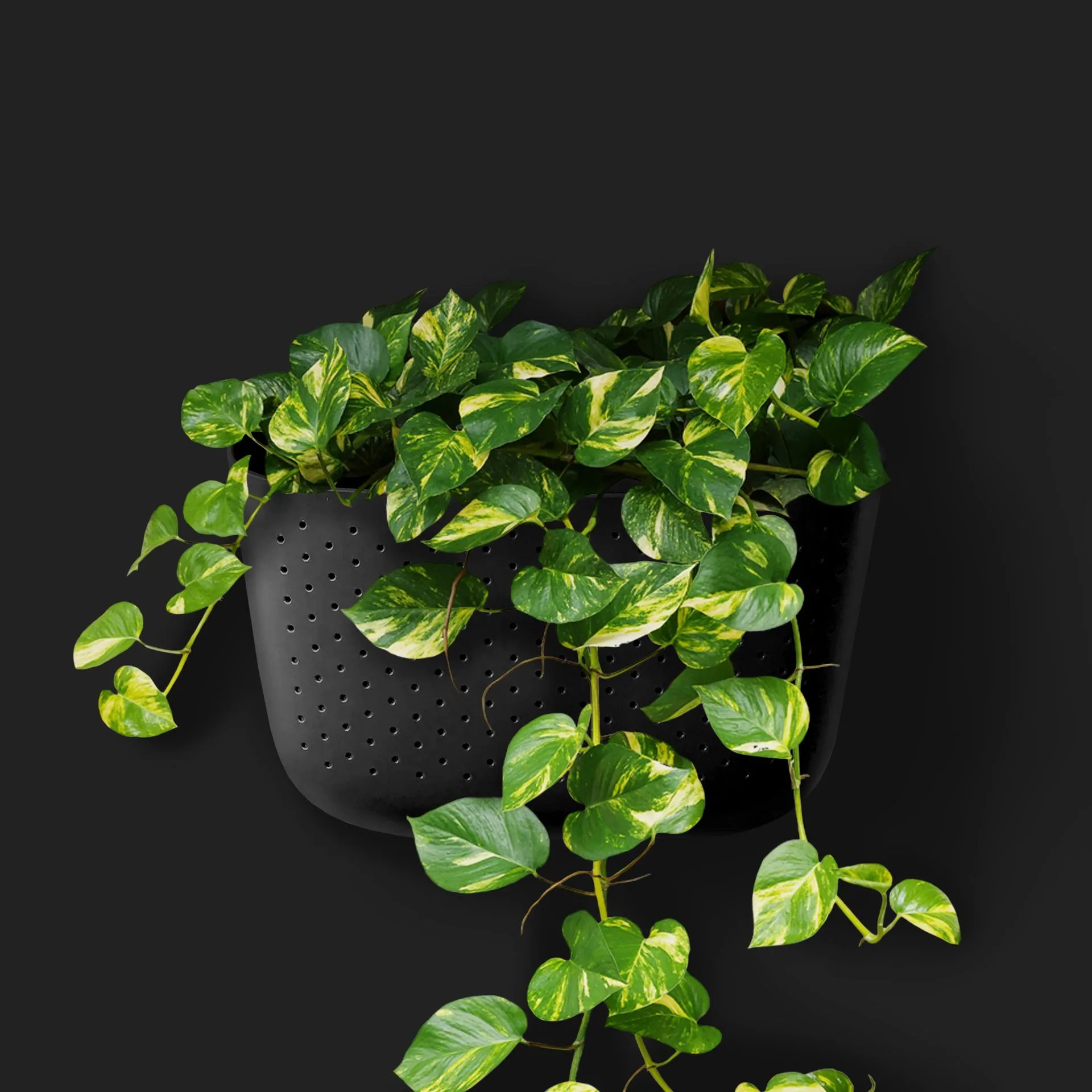
Eco stone planters are noticeably lighter than ceramic because the composite material uses less dense aggregates. For example, the Eco Olive Wall Planter and Eco Rose Wall Planter are designed to be wall-mounted without excessive hardware. They still feel substantial—not flimsy—but the reduced weight means you can use standard drywall anchors and mount them on interior walls without worrying about structural support. If you’re a renter or want to rearrange your wall display often, eco stone is the more flexible choice.
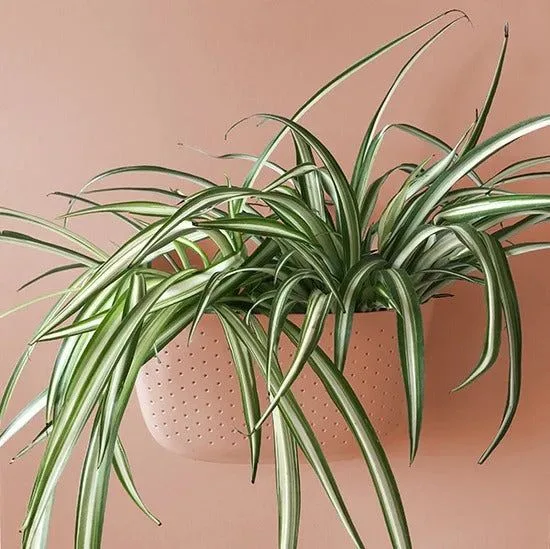
Eco Rose Wall Planter
- Always check the manufacturer’s recommended mounting hardware; eco stone brackets like the Eco Bracket With Hardware simplify installation.
Moisture Management and Plant Health
Both materials affect how moisture behaves around your plant’s roots. Ceramic planters are glazed on the outside but may be unglazed inside, allowing some moisture absorption. If the planter lacks a drainage hole, water can pool at the bottom, risking root rot. Unglazed ceramic (terracotta) wicks moisture away, which is great for succulents but can dry out moisture-loving plants too quickly.
Eco stone is non-porous and doesn’t absorb water, so moisture stays in the soil where it belongs. This makes it easier to maintain consistent watering, especially for plants like pothos or ferns that prefer even moisture. However, because eco stone doesn’t breathe, you must ensure your wall planter has adequate drainage or a well-draining potting mix. For wall-mounted setups, the Eco Olive Wall Planter includes a drainage hole and a hidden reservoir, which helps prevent water damage to your wall.
- For ceramic wall planters, consider adding a layer of pebbles at the bottom to improve drainage if no hole is present.
Style and Aesthetic Appeal
Ceramic planters offer a vast range of glazes, colors, and hand-painted designs, making them a go-to for adding a pop of color or a handmade look to your wall. They can feel more decorative and artisanal, which suits bohemian or eclectic interiors. The glossy finish also reflects light, brightening a dark corner.
Eco stone has a matte, natural stone finish that blends seamlessly with modern, minimalist, or industrial decor. Its neutral tones—usually gray, beige, or off-white—don’t compete with the plant’s foliage. If you prefer a cohesive, understated look where the plant takes center stage, eco stone is a strong choice. For a touch of personality, you can pair it with accessories like the Monstera Suncatcher or a Pink Princess Badge to add color without overwhelming the space.
- Mix eco stone and ceramic planters on the same wall for textural contrast, but keep the color palette consistent for a curated look.
Choosing between eco stone and ceramic wall planters comes down to your priorities. If you value durability, lighter weight for easy mounting, and a neutral aesthetic, eco stone is the practical winner. If you love bold colors, handcrafted details, and don’t mind the extra weight and care, ceramic can create a stunning wall display. Either way, both materials can support healthy plants when you match them with proper drainage and mounting hardware. For a reliable, low-fuss option that works in most indoor spaces, eco stone wall planters deliver a smart balance of form and function.