If your child struggles with eczema, you’ve likely tried countless creams, lotions, and bath routines. But did you know that what your child eats can also play a major role in managing flare-ups? The connection between eczema and diet is a growing area of research, and many parents find that simple dietary changes can lead to noticeable improvements in their child’s skin.
In this article, we’ll explore how certain foods may trigger or soothe eczema symptoms. We’ll also share practical tips for building an anti-inflammatory diet that supports your child’s skin health from the inside out.
How Diet Affects Eczema
Eczema, or atopic dermatitis, is an inflammatory skin condition. While topical treatments like the TruKid Soothing Skin (Eczema) Cream can provide immediate relief, addressing inflammation from within is equally important. Certain foods can either calm or trigger the immune system, directly impacting the severity of eczema symptoms.
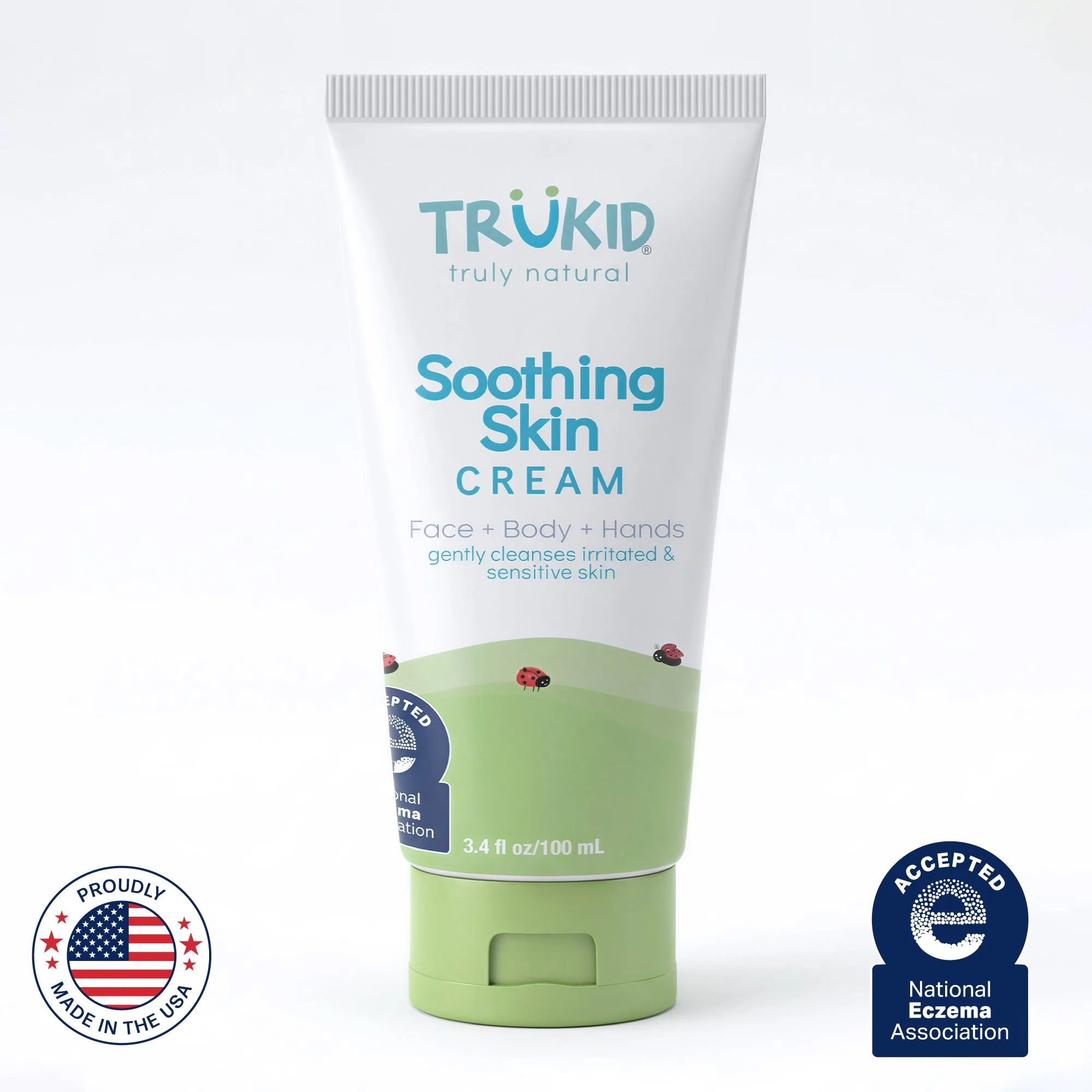
TruKid Soothing Skin (Eczema) Cream
For many children, food sensitivities or allergies can worsen eczema. Common culprits include dairy, eggs, soy, wheat, and nuts. When the body reacts to these foods, it releases inflammatory chemicals that can cause redness, itching, and flare-ups. Keeping a food diary and working with a pediatrician can help identify your child’s personal triggers.
- Keep a detailed food diary to track potential triggers
- Introduce new foods one at a time to isolate reactions
- Consider an elimination diet under medical supervision
Anti-Inflammatory Foods That May Help
An anti-inflammatory diet rich in omega-3 fatty acids, antioxidants, and probiotics can support skin health. Foods like fatty fish (salmon, mackerel), flaxseeds, and walnuts provide omega-3s that help reduce inflammation. Colorful fruits and vegetables such as berries, spinach, and sweet potatoes are packed with antioxidants that protect skin cells.
Probiotic-rich foods like yogurt, kefir, and fermented vegetables may also benefit children with eczema by promoting a healthy gut microbiome. A balanced gut can help regulate immune responses and reduce allergic reactions. Incorporating these foods into your child’s meals can be a delicious way to support their skin.
- Serve salmon or mackerel once or twice a week
- Add berries to breakfast oatmeal or smoothies
- Include fermented foods like yogurt or kimchi in small amounts
Common Food Triggers for Eczema
While every child is different, some foods are more likely to trigger eczema flare-ups. Dairy is one of the most common offenders, especially in young children. Eggs, soy, wheat, and peanuts are also frequent culprits. Processed foods high in sugar and unhealthy fats can worsen inflammation and should be limited.
Food additives, artificial colors, and preservatives may also contribute to skin reactions. Reading labels carefully and opting for whole, unprocessed foods can help reduce exposure. If you suspect a specific food is causing problems, try removing it from your child’s diet for two to four weeks and observe any changes in their skin.
- Dairy (milk, cheese, yogurt) is a top trigger for many kids
- Avoid foods with artificial colors and preservatives
- Limit sugary snacks and refined carbohydrates
Building a Skin-Supportive Meal Plan
Creating a meal plan that supports eczema doesn’t have to be complicated. Start with a base of whole grains, lean proteins, and plenty of fruits and vegetables. For breakfast, try oatmeal with berries and a sprinkle of flaxseed. Lunch could be a quinoa salad with grilled chicken, avocado, and leafy greens.
For dinner, consider baked salmon with steamed broccoli and sweet potato. Snack time is a great opportunity to offer apple slices with almond butter or a small bowl of mixed nuts. Remember to keep your child hydrated with water throughout the day, as proper hydration supports skin barrier function.
- Plan meals around whole, unprocessed ingredients
- Include a source of omega-3s at least twice a week
- Offer water instead of sugary drinks
When to See a Specialist
If dietary changes alone aren’t enough to control your child’s eczema, it may be time to consult a pediatric dermatologist or allergist. They can perform allergy testing to identify specific triggers and recommend a personalized treatment plan. In some cases, a registered dietitian can help design a balanced elimination diet that ensures your child still gets all necessary nutrients.
Remember, dietary changes should complement—not replace—your child’s skincare routine. Alongside an anti-inflammatory diet, using gentle, fragrance-free products can make a big difference. For example, the TruKid Soothing Hero Stick is a convenient option for on-the-spot relief during flare-ups.
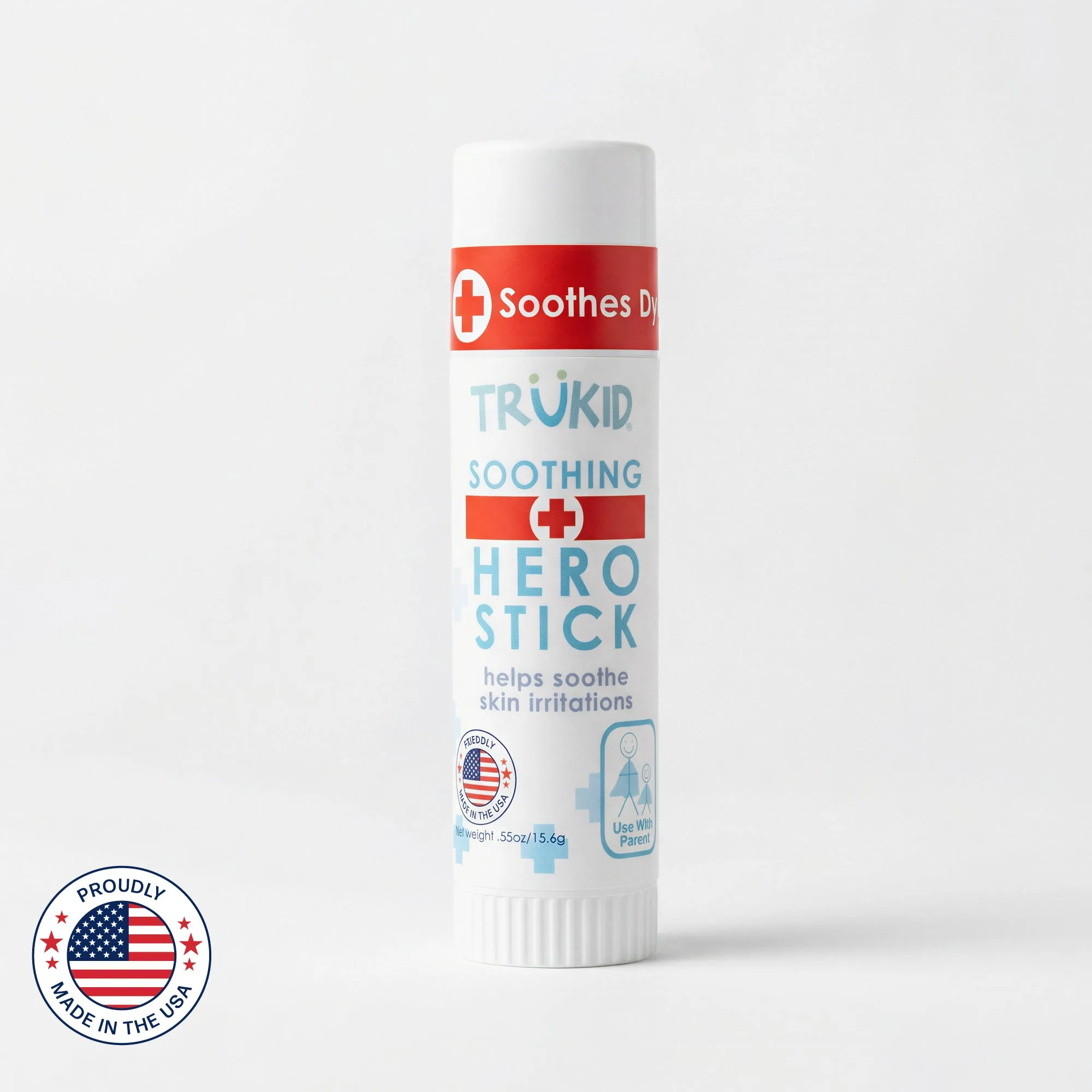
TruKid Soothing Hero Stick
- Seek professional guidance before starting an elimination diet
- Combine dietary changes with a consistent skincare routine
- Use soothing products designed for sensitive skin
By understanding the link between eczema and diet, you can take proactive steps to support your child’s skin health. Start by identifying potential food triggers, incorporating anti-inflammatory foods, and maintaining a gentle skincare routine. For targeted relief, consider adding the TruKid Soothing Skin (Eczema) Cream to your daily regimen—it’s formulated to calm and moisturize even the most sensitive skin.