Eczema, also known as atopic dermatitis, is one of the most common skin conditions in children, affecting up to 20% of kids worldwide. It often appears as red, itchy, dry patches on the face, elbows, knees, and other areas, causing discomfort and sleep disturbances for little ones and worry for parents. Understanding what triggers eczema and how to build a soothing care routine can make a world of difference in managing symptoms and improving your child's quality of life.
In this article, we'll explore the underlying causes of eczema in children, identify common triggers, and share practical, gentle routines that help calm flare-ups. We'll also highlight some trusted products that support sensitive skin without harsh ingredients.
What Causes Eczema in Children?
Eczema is not caused by a single factor but rather a combination of genetics, environment, and immune system responses. Children with eczema often have a genetic predisposition that affects the skin's ability to retain moisture and protect against irritants. This leads to a compromised skin barrier, allowing moisture to escape and allergens or bacteria to enter more easily.
The immune system of a child with eczema tends to overreact to triggers, producing inflammation that results in redness, itching, and flaking. While eczema is not contagious, it can be chronic, with periods of flare-ups followed by times of remission. Early identification and consistent care can help reduce the severity and frequency of outbreaks.
Common Eczema Triggers to Watch For
Identifying and avoiding triggers is a key step in managing eczema in children. Triggers vary from child to child, but some are very common. Dry skin is a major trigger, especially in winter or in low-humidity environments. Irritants like fragrances, dyes, and harsh soaps in laundry detergents, body washes, or bubble baths can also spark a flare-up.
Other triggers include allergens such as dust mites, pet dander, pollen, and mold. Certain foods like eggs, milk, soy, or wheat may contribute in some children, though food triggers are less common. Stress, overheating, and sweating can also worsen eczema. Keeping a diary of flare-ups can help you pinpoint your child's specific triggers.
- Use fragrance-free, dye-free laundry detergents and avoid fabric softeners.
- Choose body washes and bubble baths labeled for sensitive skin, like Bubble Podz: Sensitive Care (Eczema) Unscented Bubble Bath.
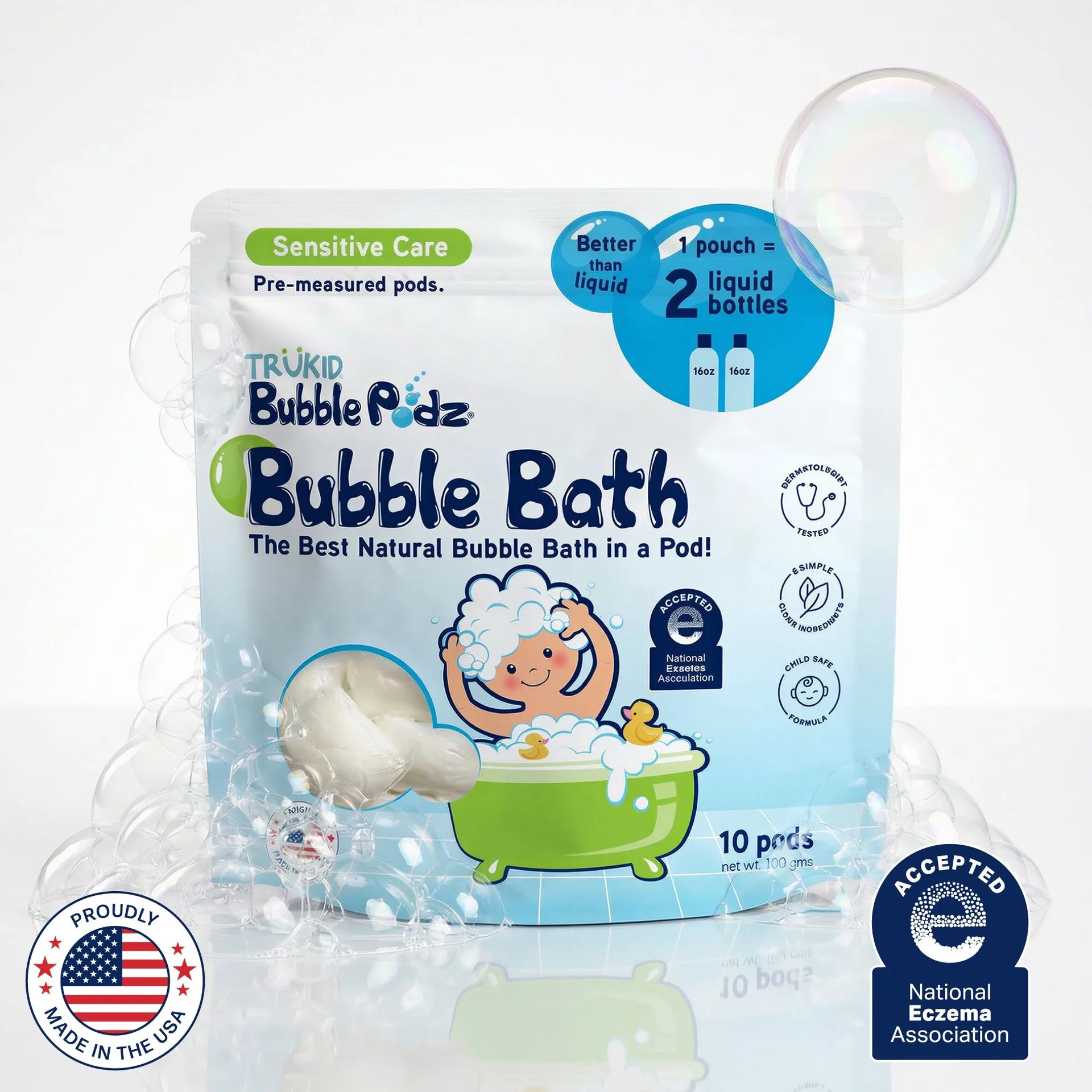
Bubble Podz: Sensitive Care (Eczema) Unscented Bubble Bath
- Keep your child's nails short and consider soft cotton mittens at night to reduce scratching.
Building a Soothing Eczema Care Routine
A consistent, gentle routine is the cornerstone of eczema management. Start with lukewarm baths (not hot) for 5-10 minutes using a mild, unscented cleanser. Avoid scrubbing; instead, pat the skin dry with a soft towel. Immediately after bathing, apply a thick, fragrance-free moisturizer to lock in moisture while the skin is still slightly damp.
For daily moisturizing, look for creams that contain ceramides, colloidal oatmeal, or shea butter to support the skin barrier. Products like TruKid Soothing Skin (Eczema) Cream are specifically formulated to calm and hydrate sensitive, eczema-prone skin. Apply moisturizer at least twice a day, and more often during flare-ups.
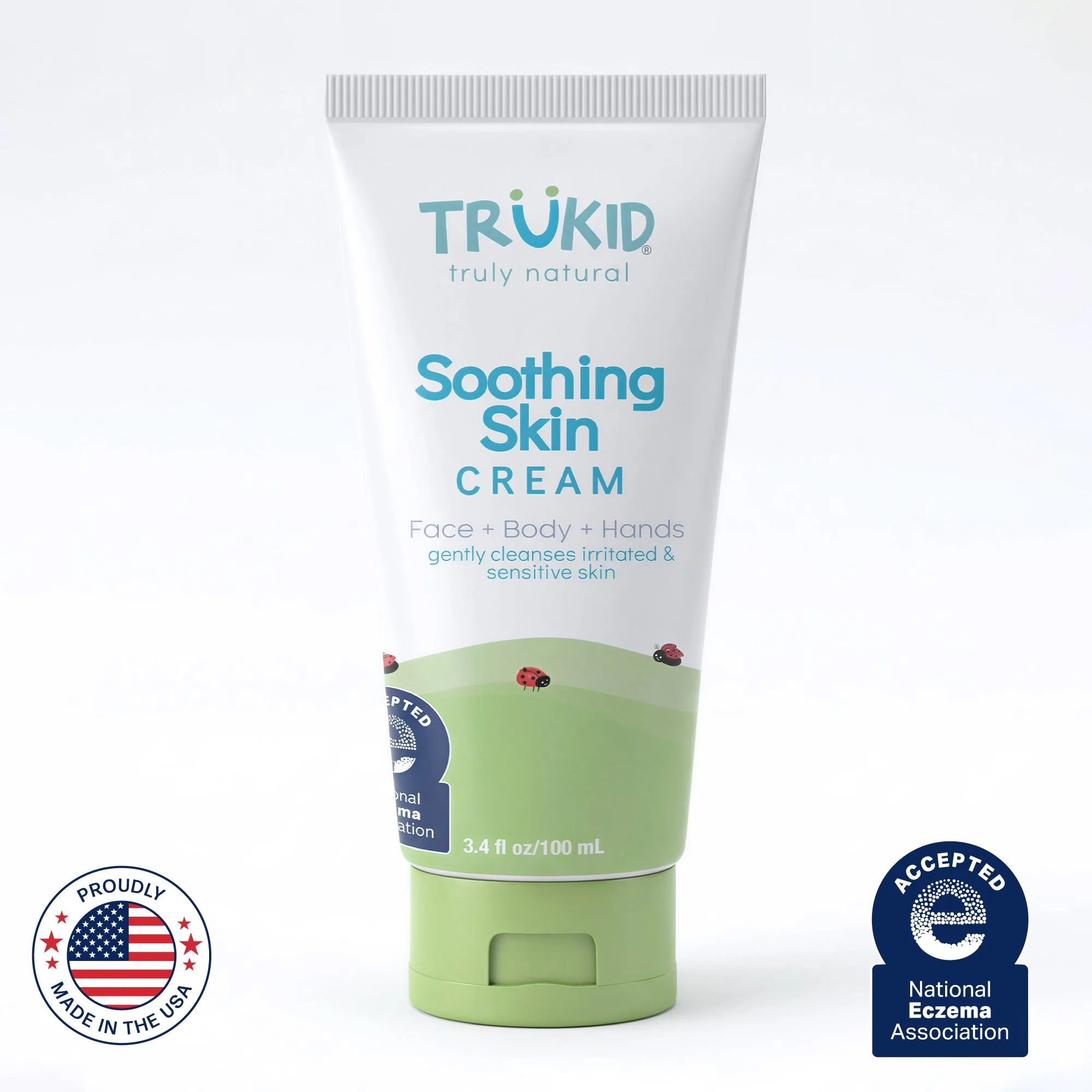
TruKid Soothing Skin (Eczema) Cream
During flare-ups, your pediatrician may recommend over-the-counter hydrocortisone or prescription treatments. Always follow medical advice and continue moisturizing even when symptoms improve to maintain skin health.
- Bathe no more than once daily to avoid over-drying the skin.
- Use a humidifier in your child's room during dry months.
- Dress your child in soft, breathable fabrics like cotton and avoid wool or synthetics directly on the skin.
Choosing the Right Products for Sensitive Skin
When selecting skincare products for a child with eczema, less is more. Avoid products with fragrances, parabens, phthalates, and sulfates. Look for labels that say 'hypoallergenic,' 'dermatologist-tested,' and 'for sensitive skin.' Even products labeled 'natural' can sometimes contain botanical extracts that irritate some children, so patch testing is always a good idea.
Bath time can be a fun, soothing experience with the right products. For example, Bubble Podz: Sensitive Care (Eczema) Unscented Bubble Bath provides gentle, tear-free bubbles without irritating additives. After the bath, a rich emollient like TruKid Soothing Skin (Eczema) Cream helps seal in moisture and reduce itching. Sunscreen is also important for outdoor play, and mineral-based options are typically better for sensitive skin.
Managing eczema in children requires patience, observation, and a gentle, consistent routine. By understanding triggers and using products designed for sensitive skin, you can help your child feel more comfortable and reduce the impact of eczema on daily life. Explore TruKid's range of eczema-friendly products, including the TruKid Soothing Skin (Eczema) Cream, to find gentle support for your child's skin.