Quick answer
If your child is under 8 and loves pretend play, choose the eitech wooden camera. If they are 8 or older and ready for hands-on physics, the eitech electronics kit offers deeper STEM learning.
Age and readiness: the biggest difference
The two toys target very different stages of childhood development. The wooden camera is a simple pretend-play toy with no age specification, making it suitable for toddlers and young children who enjoy imitating adults. The electronics kit, on the other hand, is explicitly designed for children aged 8 and over, with child-friendly easy-click systems and precise construction plans that require more dexterity and patience.
This age gap is the most important factor in your decision. A 4-year-old will not be able to assemble an electric motor, while a 10-year-old may find a pretend camera too simplistic. Matching the toy to your child's current abilities ensures both engagement and learning.
Learning outcomes: imagination vs. physics
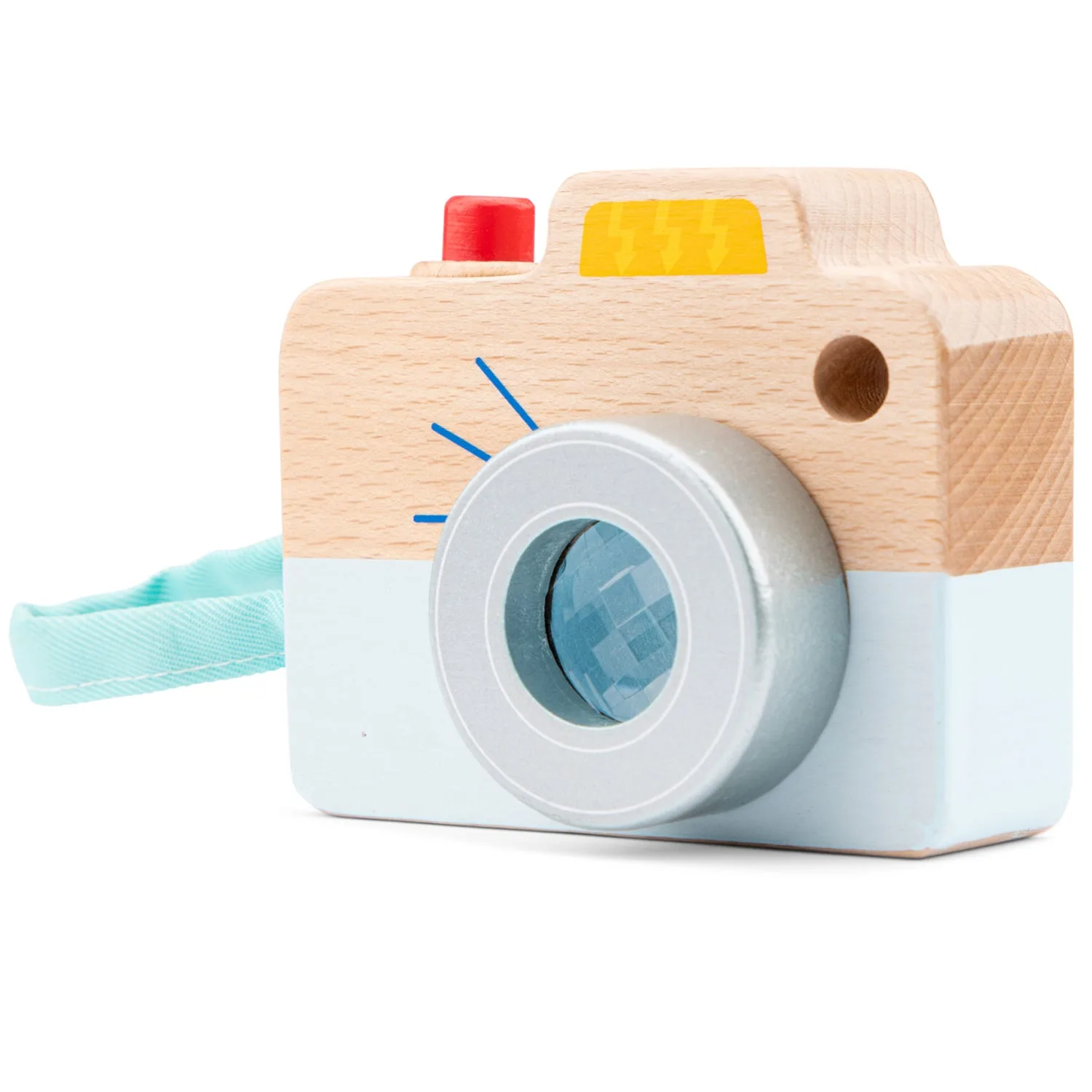
The wooden camera stimulates imagination and social play. Children can pretend to take photos, focus the lens, and press the shutter, which helps develop creativity and narrative skills. It is a low-tech introduction to how a camera works, but it does not teach any real engineering principles.
In contrast, the electronics kit immerses children in the world of electricity. They can build an electric motor, construct alarm systems with relays, and conduct physics experiments. This hands-on approach teaches problem-solving and basic electronics concepts, making it a more substantial STEM investment for older kids.
How to choose: trade-offs to consider
- Age of the child: If the child is under 8, the wooden camera is the safer choice. For children 8 and older, the electronics kit offers age-appropriate challenges. Check the age recommendation first to avoid frustration or safety issues.
- Type of engagement: The wooden camera offers immediate, screen-free pretend play. The electronics kit requires time and focus to complete projects, which is better for kids who like building and problem-solving. Observe your child's play style: do they prefer instant imaginative fun or long-term projects?
- STEM depth: The electronics kit teaches real physics and engineering concepts, while the wooden camera only mimics photography. If your goal is to introduce actual STEM principles, the kit is more effective. Consider your educational goals: a gentle introduction to pretend play or a deeper dive into circuits and mechanics.
Product facts at a glance
-
wooden camera: The wooden camera from New Classic Toys lets children look through the window, focus by turning the lens, and press the shutter button. This simple mechanism encourages imaginative play and helps young children understand the basic function of a camera without any screens or batteries.
wooden camera
-
Electronics kit: The eitech electronics kit allows children aged 8 and over to assemble an electric motor, construct alarm systems with relays, and explore electricity through physics experiments. This kit provides a structured, hands-on introduction to real electronics, building confidence and technical skills that go beyond pretend play.

Electronics kit
Which set is right for your child?
Best for
- Toddlers and preschoolers who enjoy imaginative play and mimicking adults
- Parents seeking a screen-free, no-fuss toy for young children
Not for
- Children aged 8 and older who are ready for hands-on physics experiments
- Families looking for a toy that teaches real engineering or electronics concepts