When it comes to accessorizing, few items are as practical and style-defining as a belt. But with so many options on the market, the age-old debate of elastic vs. traditional belts continues to divide fashion enthusiasts. Whether you prioritize comfort, durability, or versatility, understanding the strengths of each type can make your choice much easier. In this belt comparison, we’ll break down the features of stretch belts vs leather belts, explore their best uses, and help you decide which style fits your wardrobe best.
What Makes a Belt Elastic?
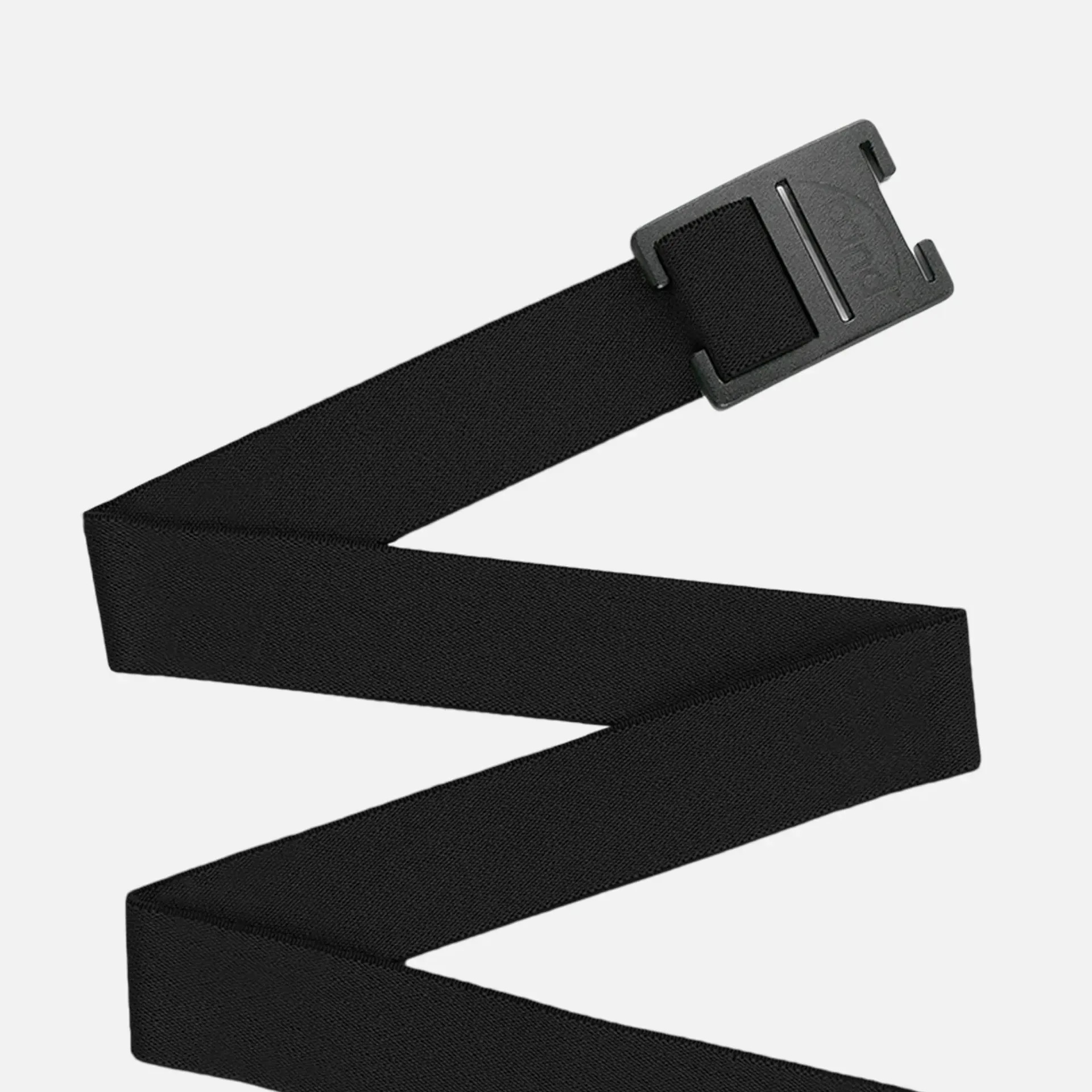
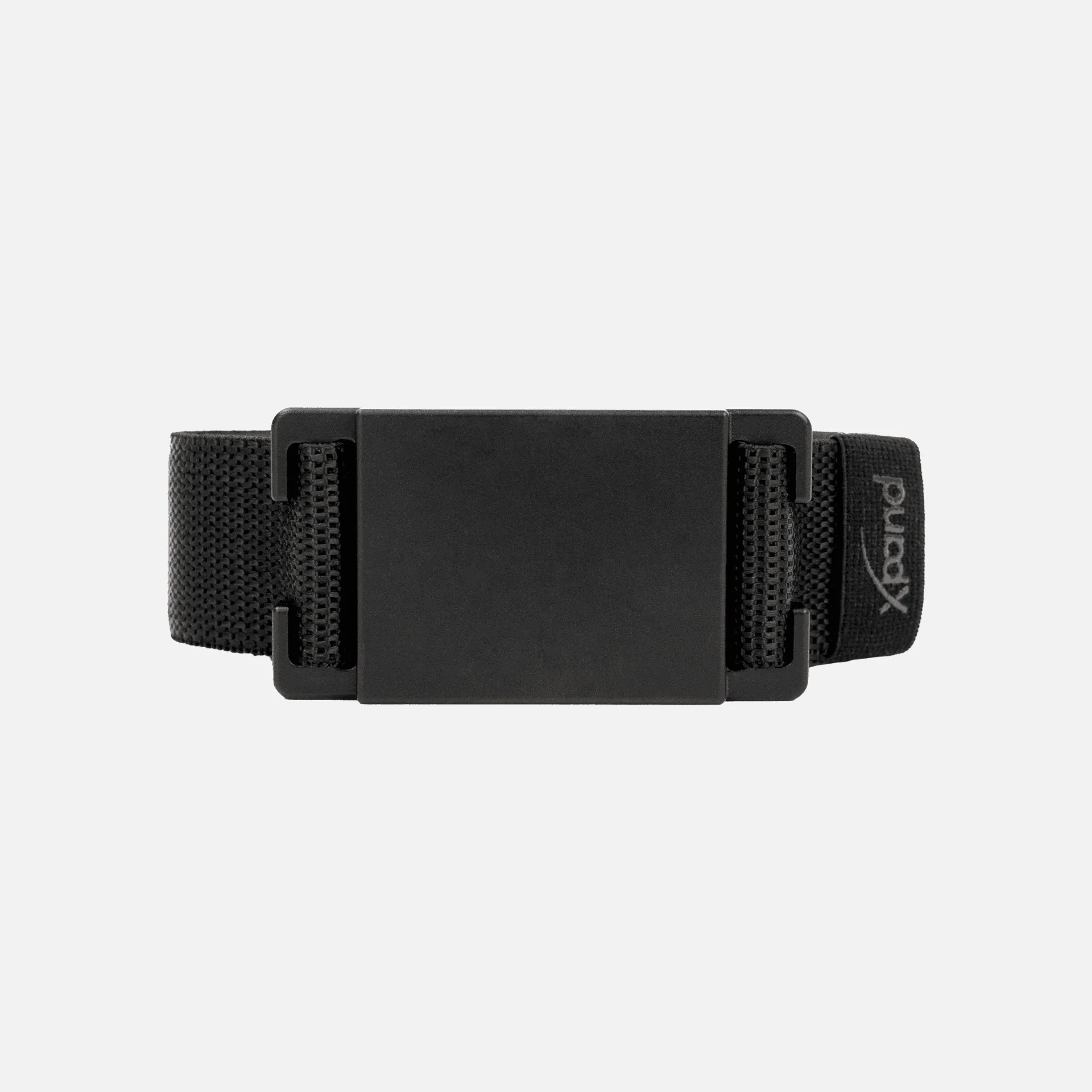
Elastic belts, often made from woven or braided elastic materials, are designed for flexibility and ease of wear. Unlike traditional leather belts that require precise hole punching, elastic belts use a stretch mechanism—often a hidden elastic band or a buckle that grips the belt material without holes. This design allows for a custom fit that adjusts with your body movement, making them a favorite for active lifestyles and long days on your feet.
Key characteristics of elastic belts include:
- Flexibility: They move with you, reducing pressure on your waist.
- No holes: The belt adjusts continuously, eliminating the need for a specific notch.
- Quick release: Many elastic belts feature a simple buckle or clasp for easy on and off.
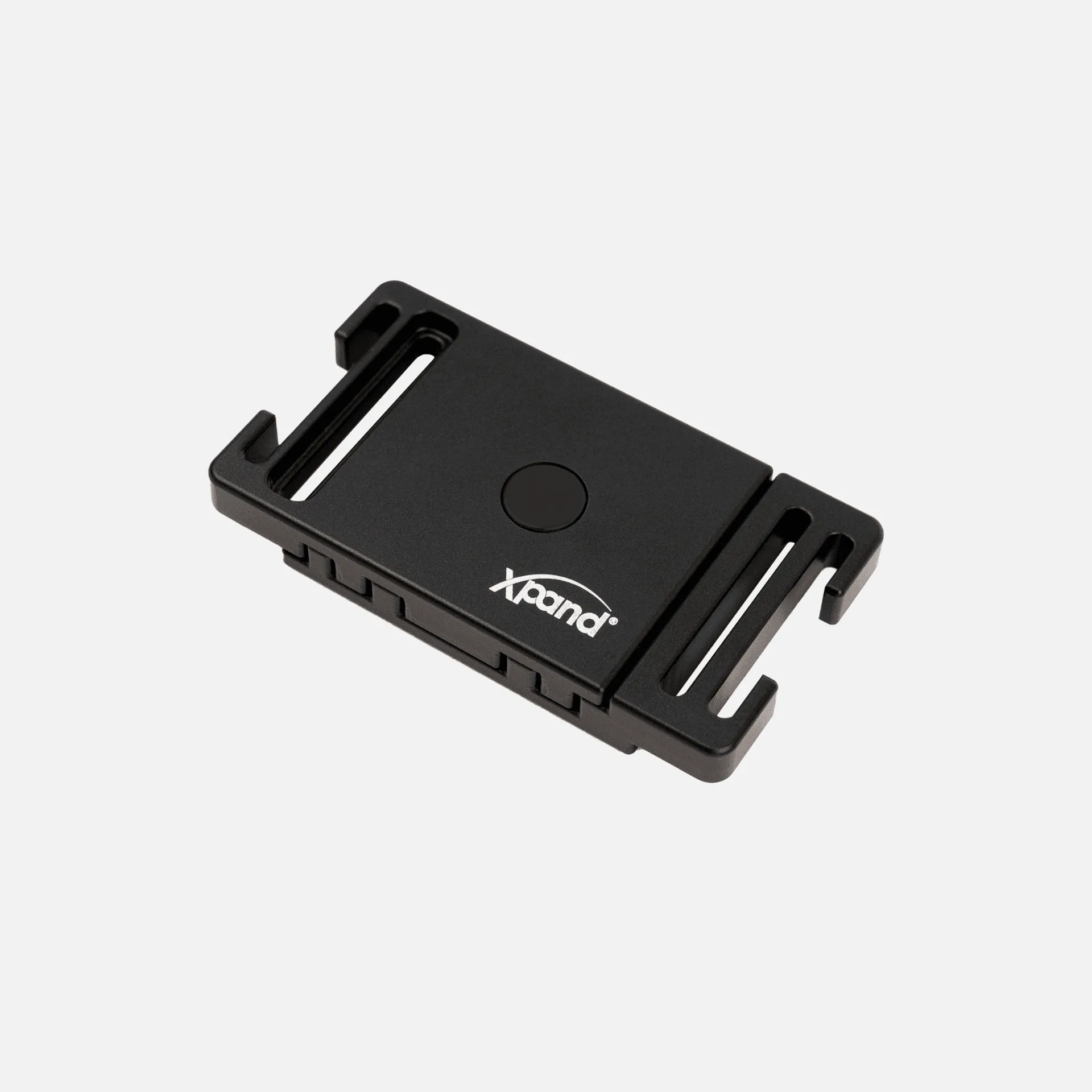
For instance, the Quick-Release Lacing System Lace Anchors® from Xpand Laces embodies this spirit of convenience, offering a secure yet adjustable fit without traditional fasteners.
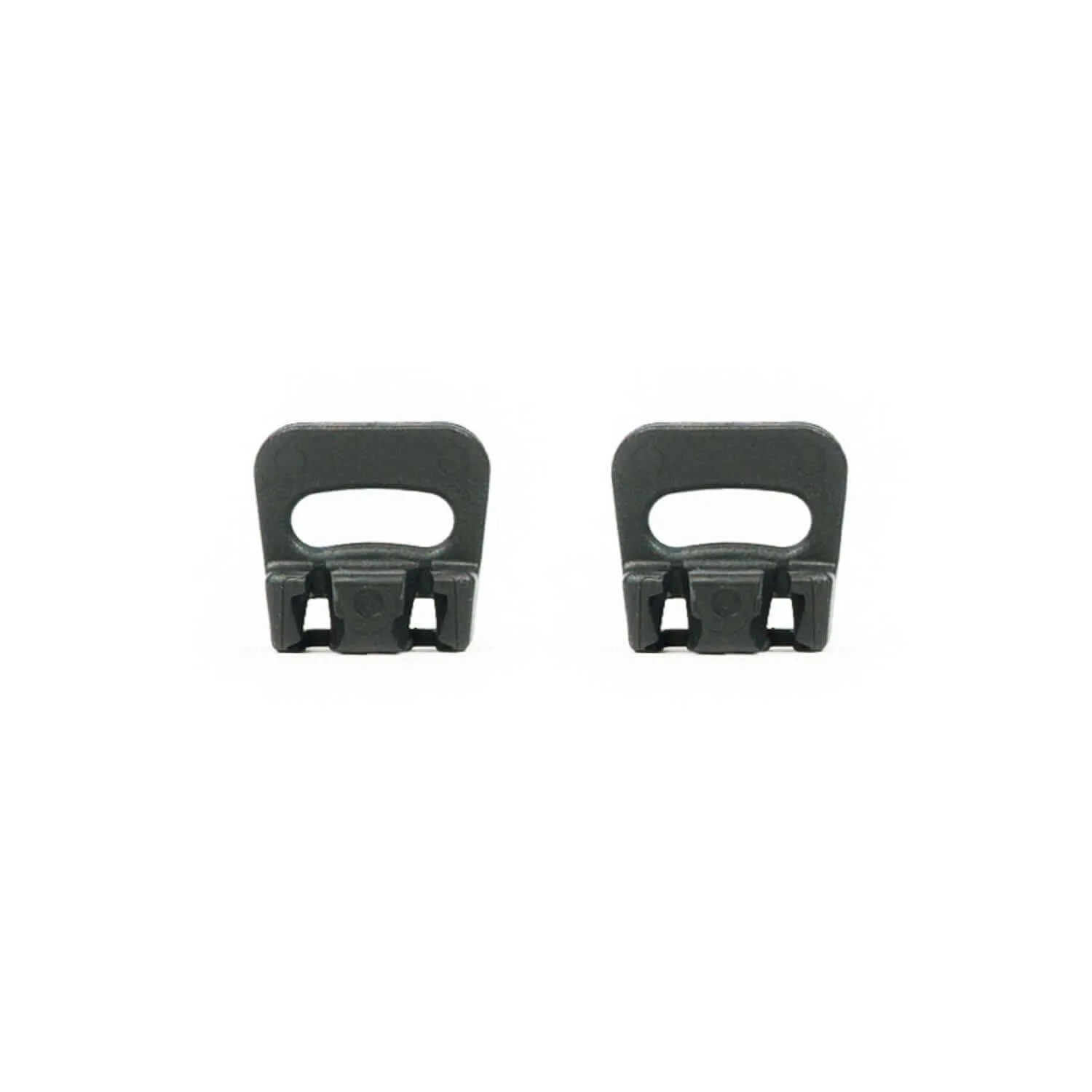
Quick-Release Lacing System Lace Anchors®
Traditional Belts: The Classic Leather Choice
Traditional belts, typically crafted from leather, canvas, or synthetic materials, rely on a buckle-and-hole system to secure fit. Leather belts, in particular, have been a wardrobe staple for centuries, prized for their durability, formal appearance, and timeless appeal. They come in a variety of widths, colors, and finishes, making them suitable for everything from business attire to casual jeans.
Key characteristics of traditional belts include:
- Durability: High-quality leather can last for decades with proper care.
- Formal style: They are essential for dress pants, suits, and professional settings.
- Fixed sizing: You choose a belt length and use pre-punched holes for a static fit.
While traditional belts are reliable, they can be less forgiving during meals, movement, or weight fluctuations. However, for a polished, structured look, they remain unmatched.
Stretch Belts vs Leather Belts: Comfort Comparison
Comfort is a major factor when choosing between elastic and traditional belts. Elastic belts excel in providing all-day comfort because they adapt to your body’s natural expansion and contraction. Whether you’re sitting at a desk, running errands, or hitting the gym, an elastic belt won’t dig into your waist or leave uncomfortable marks. This makes them ideal for people with active jobs or those who prioritize ease of movement.
On the other hand, leather belts offer a firm, structured feel that some people prefer for formal occasions. However, they can become uncomfortable over long periods, especially if the belt is too tight or too loose. For a compromise, many modern designs incorporate elastic elements into traditional-looking belts, blending style with stretch.
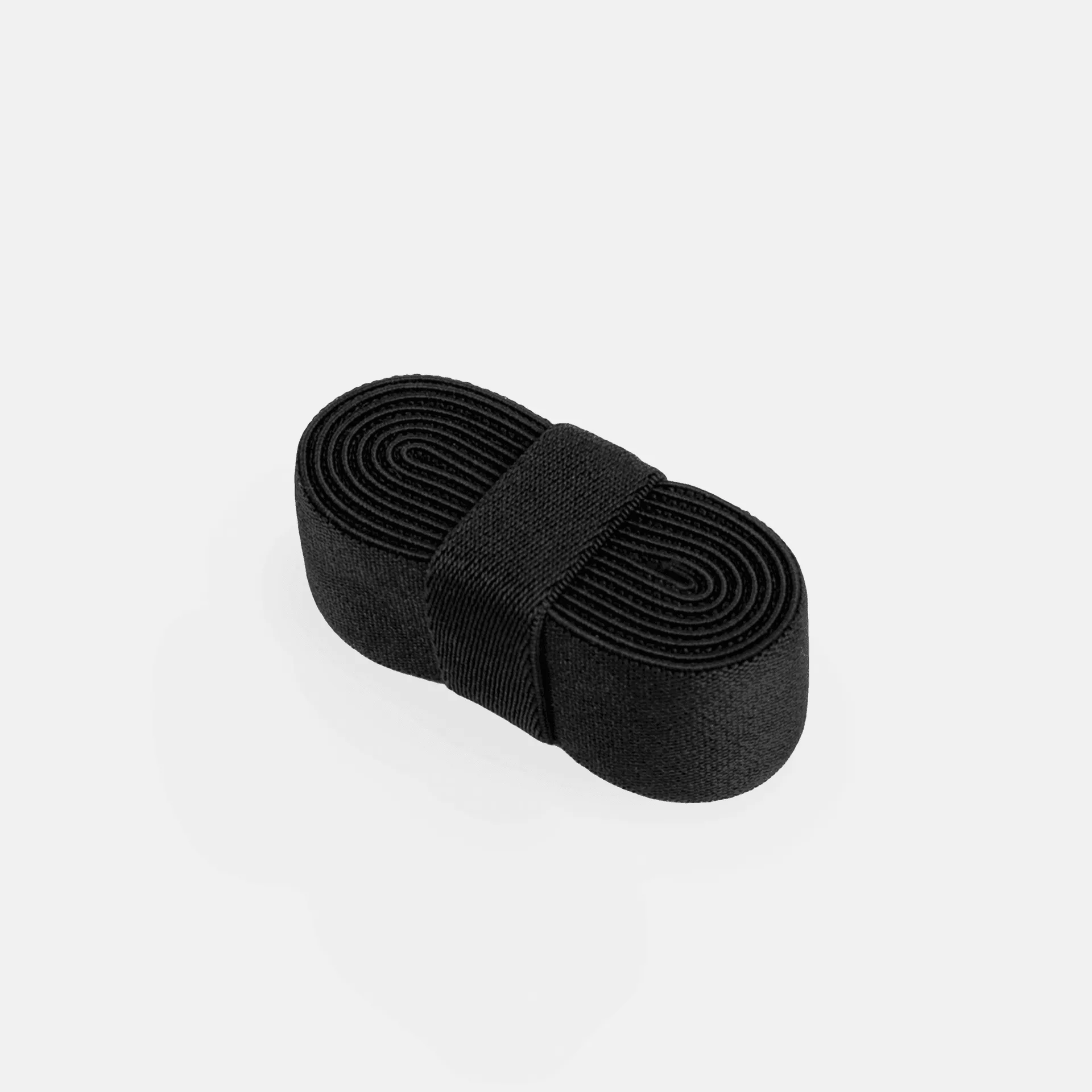
For those seeking maximum comfort with a modern twist, consider pairing an elastic belt with accessories like the Lightweight Socks 6-Pack for a coordinated, breathable outfit that keeps you comfortable from head to toe.
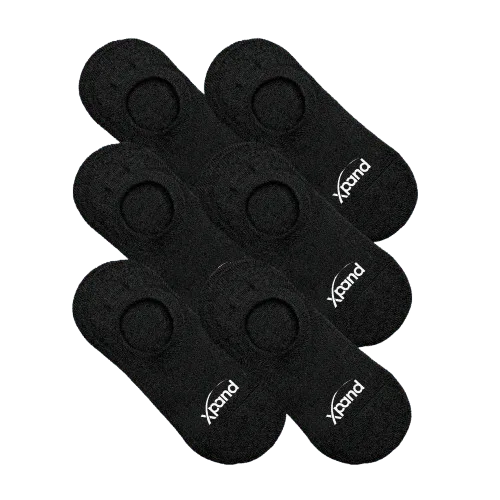
Lightweight Socks 6-Pack
Style and Versatility: Which Belt Wins?
When it comes to style, traditional leather belts have a clear advantage in formal and semi-formal settings. A sleek black or brown leather belt is a must-have for suits, dress pants, and office attire. They convey professionalism and a classic aesthetic that elastic belts rarely match.
However, elastic belts have evolved in design. Many now come in a range of materials—from woven fabric to braided leather—that can complement casual and smart-casual outfits. They are perfect for chinos, jeans, shorts, and even some casual dresses. Their versatility lies in their adjustability, allowing you to wear them with different waistbands without worrying about hole alignment.
For a truly functional wardrobe, having both types is ideal. Use a leather belt for formal occasions and an elastic belt for everything else.
Durability and Maintenance
Durability is where traditional belts often shine, especially those made from full-grain leather. With proper care, a leather belt can last a lifetime, developing a rich patina over time. They require occasional conditioning and should be kept away from excessive moisture.
Elastic belts, while generally less durable, are more resilient to daily wear and tear in active environments. They are often machine washable (check care labels), making them easier to maintain. However, the elastic material can lose its stretchiness over time, especially with frequent use in hot or humid conditions.
To extend the life of your elastic belt, rotate it with other belts and avoid over-stretching. For leather belts, invest in a quality leather conditioner and store them flat or hung.
Best Belts for Different Activities
Choosing the right belt depends largely on your lifestyle. Below is a quick comparison table to help you decide:
Activity
Recommended Belt Type
Why?
Office/Formal
Traditional Leather
Professional appearance and structured fit.
Casual Outings
Elastic
Comfortable and adjustable, easy to pair with jeans or chinos.
Travel
Elastic
No need to remove through airport security; flexible fit during long flights.
Fitness/Active
Elastic
Stretches with movement, won’t restrict breathing or motion.
Date Night
Traditional Leather
Adds a polished touch to any outfit.
How to Choose the Right Belt for Your Wardrobe
Here are a few practical tips to help you make the best choice:
- Assess your wardrobe: If you wear mostly casual clothes, an elastic belt may be all you need. If you require formal attire often, invest in a quality leather belt.
- Consider your body type: Elastic belts are great for people who experience bloating or weight fluctuations, as they adjust automatically.
- Think about maintenance: If you prefer low-maintenance accessories, elastic belts are easier to clean and care for.
- Check the hardware: Look for rust-resistant buckles and sturdy stitching on both types to ensure longevity.
For those who love innovation, Xpand Laces offers the Lace Anchors® 2.0, which can complement an elastic belt for a fully adaptive, no-fuss outfit system.
Final Verdict: Elastic vs. Traditional Belts
There is no one-size-fits-all answer to the belt debate. Both elastic and traditional belts have their place in a well-rounded wardrobe. For comfort, flexibility, and everyday wear, elastic belts are unbeatable. For timeless style, durability, and formal occasions, traditional leather belts remain the gold standard.
Ultimately, the best belt for you is the one that meets your daily needs and personal style. Consider keeping one of each in your closet to cover all bases.
Ready to upgrade your accessory game? Explore the Extra Long Round Lacing from Xpand Laces—perfect for customizing your belt or shoelace system with a durable, flexible solution that combines the best of both worlds.