Quick Answer
Most children can start using a sonic toothbrush around age 3, once they can hold it without chewing the bristles and follow a simple brushing routine with your help. Before age 3, a soft manual brush is usually the better choice. The real decision point is not age alone but whether your child can keep the brush in their mouth, tolerate the vibration, and let you finish the job.
Why the Switch Is About Readiness, Not a Birthday
Age gives you a starting range, but readiness decides the actual switch. A child who still mouths or chews the brush head will damage bristles faster and may not get a consistent clean, no matter how good the toothbrush is. A child who can hold a brush, open wide, and accept help for two minutes is ready for a powered option.
Sonic brushes add motion that can improve plaque removal compared with a manual brush, which is why many dental professionals recommend them once a child can cooperate. The trade-off is that a powered brush needs more supervision at first, and you will replace heads more often if your child bites down on them.
The Readiness Checklist Before You Buy
Run through these before spending money. If your child fails more than one, wait a few months and try again. There is no penalty for starting with a manual brush and switching later.
- Your child can hold a toothbrush for two minutes without dropping it repeatedly.
- They can keep the brush head in their mouth without chewing the bristles.
- They accept you finishing the brushing for them, especially on back teeth.
- They are not scared by vibration or a soft humming sound.
- They have a routine you can supervise, morning and night.
Safety and Supervision Rules for Sonic Brushes
A sonic toothbrush is safe for kids when it is used as intended and you stay involved. Keep the pressure light, let the bristles do the work, and guide the brush along the gumline rather than scrubbing. For younger children, brush first and then hand over the brush for practice.
Do not share brush heads between children or adults. Replace the head when bristles look frayed or after about three months, whichever comes first, and sooner if your child chews on it. If your child has braces, a sensitive mouth, or a dental condition, ask your dentist before switching.
What to Look For in a Kids Sonic Toothbrush
A smaller brush head and a handle that fits a child's hand matter more than extra modes. A two-minute timer helps build the habit, and a gentle cleaning mode is useful for kids who are new to powered brushing. Check that replacement heads are easy to find, because that ongoing cost is part of the real price.
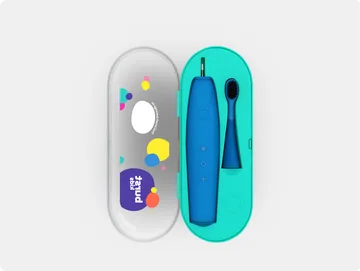
For travel and overnight visits, a case keeps the brush clean and protects the bristles in a bag. These are small add-ons, but they remove the common reasons kids skip brushing away from home.
Decision Rules for Making the Switch
- Under age 3: Stick with a soft manual brush and brush for your child. Most children this age cannot control a powered brush or avoid chewing the head. Wait until readiness signs appear.
- Age 3 to 5 with supervision: A kids sonic toothbrush is reasonable if your child accepts vibration and lets you finish brushing. Start with one short session a day and build up. Supervise every brush for the first few months.
- Age 6 and older: Most kids can use a sonic brush more independently, but still check the back teeth and the gumline. Keep a two-minute timer in the routine. Move from full supervision to spot checks.
- Child chews or fears the brush: Do not force it. Go back to a manual brush for a few weeks, then try again with a gentler approach and a smaller head. Readiness can change with time.
Products That Fit This Decision
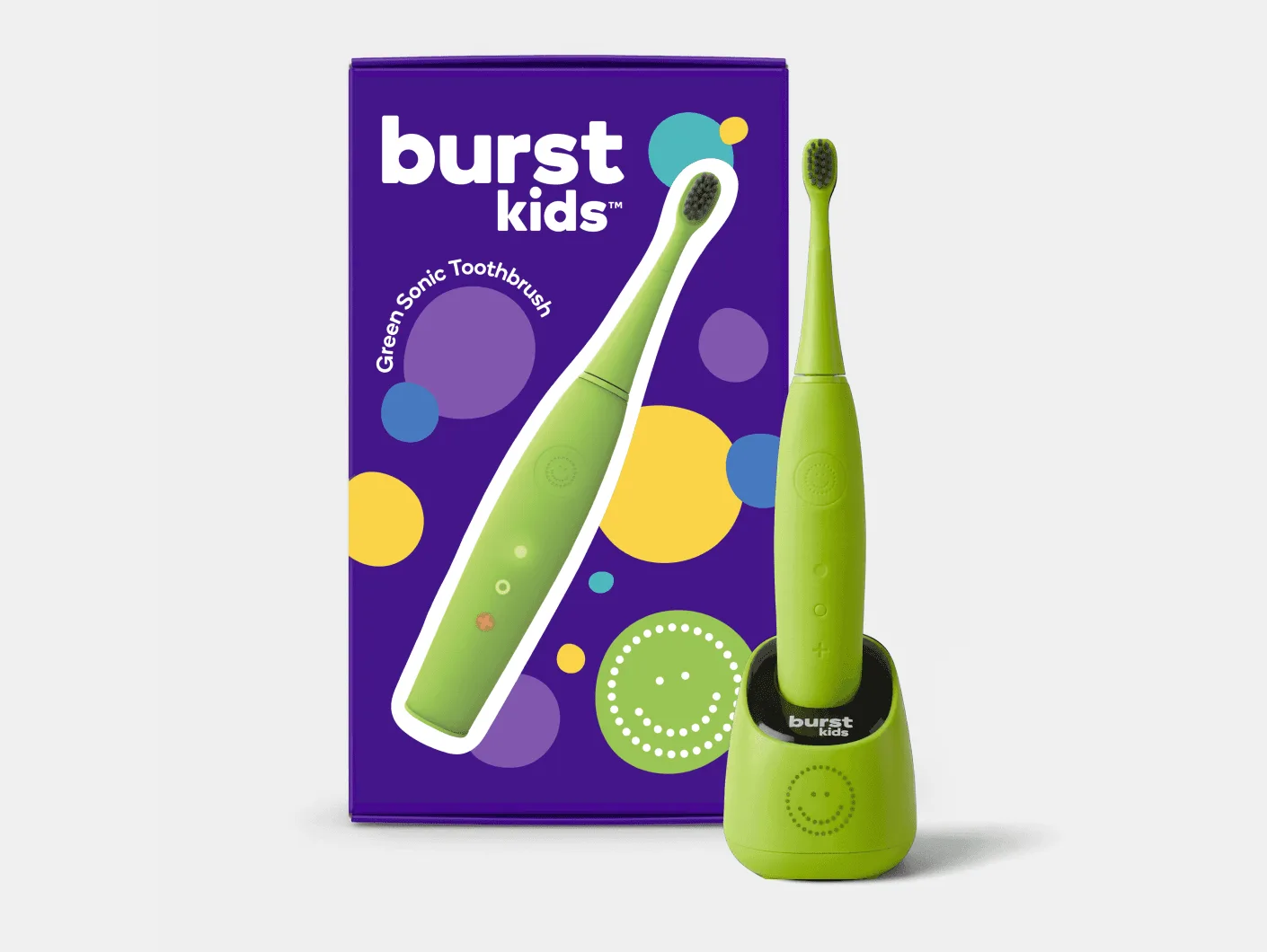
- Kids Sonic Toothbrush: Kids Sonic Toothbrush is clinically proven to be more effective at removing dental plaque than a manual toothbrush, and it was developed with input from BURST's community of 40,000+ dental professionals, many of whom are parents. This is the core option for a child who has passed the readiness checklist and needs a brush that can clean more thoroughly than manual brushing.
- Kids Replacement Head: Kids Replacement Head is designed for BURST kids' toothbrush models and is easy to swap out for regular brushing routines. Budget for replacement heads from the start. Easy swaps mean you are more likely to replace a frayed or chewed head on time instead of letting it linger.
- Kids Travel Case: Kids Travel Case keeps a child's BURST toothbrush and oral care essentials organized and protected, with a compact and portable design for trips, vacations, or overnight visits. A protected brush travels better. If your child brushes at grandparents' houses or on vacations, a case helps keep the bristles clean and the routine intact.
Who This Switch Is For
Best for
- Children around age 3 and older who can hold a brush and accept help
- Families who want to improve plaque removal beyond manual brushing
- Kids who respond well to a timer and a consistent routine
Not for
- Children under 3 who still chew or mouth the brush head
- Kids who are frightened by vibration or noise and need more time
- Families who will not supervise brushing or replace heads regularly