As a parent, you know how active kids can be. Between school, sports, playdates, and outdoor adventures, children lose fluids and electrolytes quickly. While water is essential, sometimes it’s not enough to replenish what’s lost—especially during illness, hot weather, or intense physical activity. That’s where electrolyte drinks for kids come in. But with so many options on the market, it’s natural to wonder: Are these drinks safe? What ingredients should you look for? And how do you choose the right one for your child?
This guide will walk you through everything parents need to know about electrolytes for kids, from the science behind hydration to practical tips for picking a safe, effective kids hydration drink. We’ll also highlight how products like Hydrant Hydrate can be a smart choice for the whole family.
Why Kids Need Electrolytes (and When Water Isn’t Enough)
Electrolytes are minerals like sodium, potassium, calcium, and magnesium that help regulate fluid balance, nerve signals, and muscle function. Children have a higher surface-area-to-body-mass ratio than adults, meaning they lose water and electrolytes faster through sweat and respiration. This makes them more prone to dehydration, especially during exercise, fever, diarrhea, or vomiting.
While plain water works for mild thirst, it lacks the electrolytes needed to restore balance after significant fluid loss. For example, if your child has been running around at the park on a hot day, water alone may not replace the sodium and potassium lost through sweat. A well-formulated electrolyte drink can help rehydrate more effectively and prevent symptoms like headaches, fatigue, or muscle cramps.
- Tip: If your child is sweating heavily or has been sick, offer an electrolyte drink instead of water to speed up rehydration.
What to Look for in a Safe Electrolyte Drink for Kids
Not all electrolyte drinks are created equal—especially for children. Many commercial sports drinks are loaded with added sugar, artificial colors, and caffeine, which can be harmful or overstimulating for young bodies. When choosing a kids hydration drink, prioritize products with a clean ingredient list, balanced electrolyte profile, and no unnecessary additives.
Look for drinks that contain sodium and potassium in appropriate ratios (similar to what’s lost in sweat), and avoid those with high fructose corn syrup or artificial sweeteners. Ideally, the drink should have a low sugar content—around 2–5 grams per serving—to provide energy without spiking blood sugar. Also, check for added vitamins like vitamin C or zinc if you want extra immune support, especially during cold and flu season.
- Tip: Avoid drinks with more than 8 grams of sugar per serving, as high sugar can worsen dehydration in some cases.
How Hydrant Hydrate Fits Into a Kid-Friendly Hydration Routine
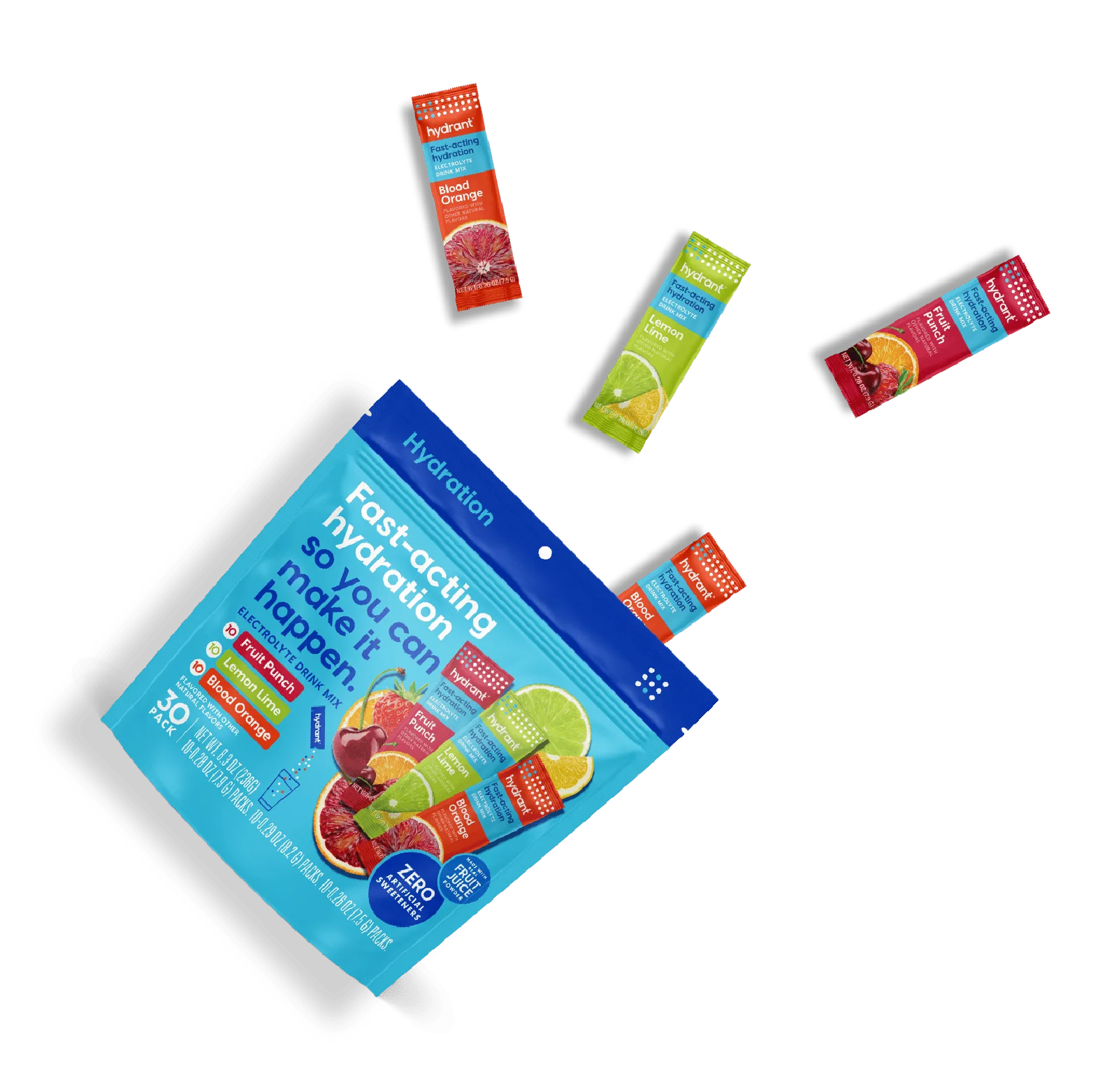
Hydrant Hydrate is an excellent option for families looking for a clean, effective electrolyte drink. It contains a balanced blend of sodium, potassium, and magnesium—without artificial colors, flavors, or preservatives. Each serving has only 2 grams of sugar, making it safe for daily use by children over the age of 4 (always consult your pediatrician first). The powder format allows you to adjust the concentration: for younger kids, you can mix it with more water to create a milder taste.
What sets Hydrant apart is its focus on rapid hydration. The formula uses a precise ratio of glucose to sodium, which enhances water absorption in the small intestine. This science-backed approach means your child gets rehydrated faster, whether they’re recovering from a soccer game or fighting off a stomach bug. Plus, the real fruit flavors are naturally sweetened, so kids actually enjoy drinking it.
- Tip: Use half a packet for younger children (ages 4–8) and a full packet for older kids to tailor the electrolyte dose.
When to Give Kids Electrolyte Drinks: Practical Scenarios
Electrolyte drinks aren’t meant to replace water as a daily beverage, but they’re invaluable in specific situations. Give your child an electrolyte drink during or after intense physical activity lasting more than an hour, especially in hot or humid weather. Also, use them when your child is sick with fever, vomiting, or diarrhea to prevent dehydration—something pediatricians often recommend.
Other scenarios include long car rides or flights where access to water is limited, or after prolonged sun exposure at the beach or pool. If your child is a picky eater or tends to skip meals, an electrolyte drink can also provide a small nutrient boost. However, always encourage water as the primary source of hydration and reserve electrolyte drinks for when they’re truly needed.
- Tip: Keep a few single-serve packets in your diaper bag or sports bag for emergencies—they’re easy to mix with bottled water anywhere.
Common Mistakes Parents Make with Kids’ Hydration
One common mistake is relying on sugary sports drinks or fruit juices to hydrate kids. These beverages can contain 20–30 grams of sugar per serving, which can actually draw water out of cells and worsen dehydration. Another mistake is waiting until a child is thirsty to offer fluids—thirst is already a sign of mild dehydration. Instead, encourage sipping water or an electrolyte drink throughout the day, especially during activities.
Some parents also assume that all electrolyte products are the same. But many adult-focused supplements contain high levels of caffeine or stimulants that are unsafe for children. Always read labels carefully and choose products specifically formulated for or safe for kids. Finally, don’t forget that electrolyte drinks are a tool, not a cure-all—pair them with a balanced diet and plenty of rest for optimal health.
- Tip: Set a timer on your phone to remind your child to take a hydration break every 20 minutes during active play.
Keeping your child properly hydrated doesn’t have to be complicated. By understanding when and how to use electrolyte drinks, you can support their energy, focus, and overall well-being. For a safe, effective option the whole family can enjoy, explore Hydrant Hydrate and see how easy it is to make hydration a healthy habit for your kids.