Endurance athletes face a constant balancing act: fuel enough to keep going, but not so much that digestion slows you down. When it comes to hydration and energy, two popular options dominate the market: electrolyte drinks and sports gels. Both promise to replenish what you lose through sweat, but they work in different ways and suit different scenarios. Whether you're training for a marathon, a long cycling event, or a triathlon, understanding the differences can help you make smarter choices for your body.
In this article, we'll break down the key differences between electrolyte drinks and sports gels, compare their benefits for endurance performance, and help you decide which one—or combination—works best for your next race or long workout.
What Are Electrolyte Drinks and Sports Gels?
Electrolyte drinks are beverages formulated with minerals like sodium, potassium, magnesium, and calcium to replace what you lose through sweat. They often include carbohydrates for energy and may come as ready-to-drink bottles or powders you mix with water. For many athletes, electrolyte drinks serve as a dual-purpose tool: they hydrate and fuel simultaneously. Products like Hydrant Hydrate | Rapid Hydration Mix with Electrolytes offer a balanced blend of electrolytes with lower sugar content, making them ideal for sustained efforts without digestive upset.
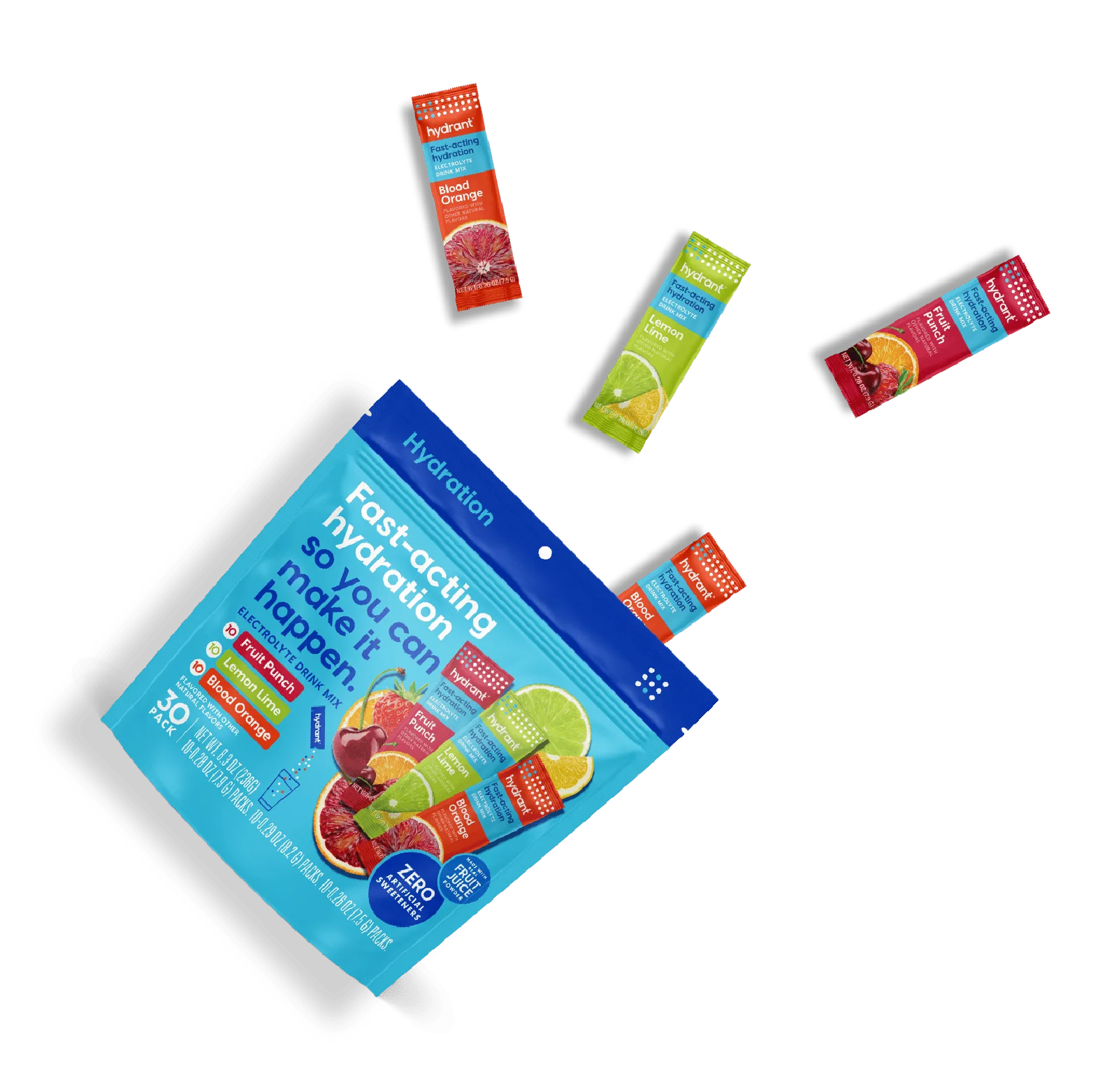
Hydrant Hydrate | Rapid Hydration Mix with Electrolytes
Sports gels, on the other hand, are concentrated carbohydrate sources designed for quick energy during exercise. They typically contain simple sugars like glucose and fructose, sometimes with added electrolytes or caffeine. Gels are meant to be consumed with water to aid absorption. While they deliver a rapid energy boost, they don't provide the same level of hydration as a drink. Athletes often use gels in combination with water or electrolyte drinks, but relying solely on gels can lead to dehydration if fluid intake isn't managed carefully.
- Electrolyte drinks hydrate and replenish minerals; sports gels provide fast-acting carbs.
- Gels are more portable and concentrated; drinks require more volume but support fluid balance.
- Both can be part of a well-rounded endurance nutrition plan.
Electrolyte Drinks vs. Sports Gels: Key Differences for Endurance
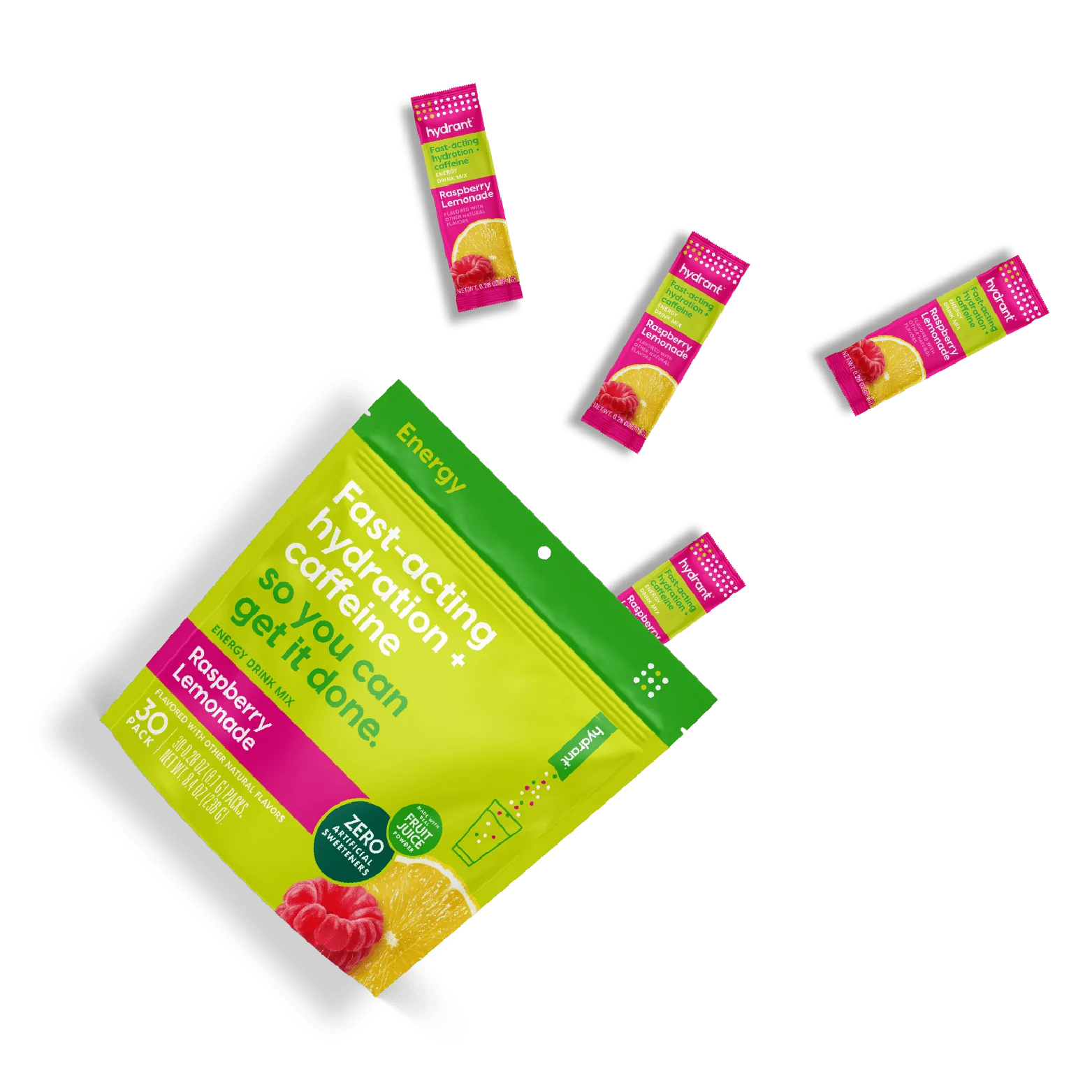
When comparing electrolyte drinks vs sports gels for endurance, the most important factor is how your body absorbs and uses them. Electrolyte drinks deliver fluids along with minerals, which helps maintain hydration status and prevent cramping. During long events, staying hydrated is critical for temperature regulation and joint lubrication. A drink like Hydrant ENERGY | Rapid Hydration Mix with Caffeine & L-Theanine adds a gentle caffeine boost without the jitters, making it a great option for the latter stages of a race when fatigue sets in.
Sports gels excel at providing a quick carbohydrate hit, which can be vital when your glycogen stores run low. However, gels can be harder to digest for some athletes, especially in hot conditions or when consumed without enough water. They also don't replace electrolytes as effectively as a dedicated drink. For many endurance athletes, the best strategy is to use both: sip an electrolyte drink steadily throughout the event and take a gel every 30-45 minutes for energy. This layered approach balances hydration and fuel, reducing the risk of hitting the wall or cramping.
- Electrolyte drinks support fluid balance and mineral replenishment; gels focus on carbohydrate delivery.
- Gels may cause GI distress if not taken with enough water; drinks are gentler on the stomach.
- Combining both strategies can optimize performance in events lasting over 90 minutes.
Best Hydration for Runners: When to Choose Each Option
For runners, the choice between an electrolyte drink and a sports gel often depends on distance and pace. In shorter runs (under 60 minutes), water and a balanced diet may be enough. But for longer efforts, especially in warm weather, electrolyte drinks become essential. They help maintain sodium levels, which is crucial for preventing muscle cramps and hyponatremia. Many runners prefer a powder-based drink they can carry in a handheld bottle or hydration vest, mixing as needed along the route.
Sports gels are more common during marathon training and race day, where carrying liquid fuel is impractical. A gel can be tucked into a pocket and consumed quickly at aid stations. However, gels lack the hydration component, so you must drink water or an electrolyte drink alongside them. Some runners find that alternating between gels and an electrolyte drink keeps their energy steady without overwhelming their stomach. For those seeking a simpler routine, an all-in-one electrolyte drink with carbohydrates may be a better fit.
- For runs under 90 minutes, an electrolyte drink alone may suffice.
- For longer runs, use gels for carbs and electrolyte drinks for hydration.
- Test your strategy during training to avoid surprises on race day.
Sports Nutrition for Athletes: How to Layer Hydration and Fuel
Optimizing sports nutrition for athletes means understanding how different products work together. Instead of viewing electrolyte drinks and sports gels as competitors, think of them as teammates. A typical endurance nutrition plan might include: pre-hydration with an electrolyte drink before the event, sipping the same drink during the first hour, then adding a gel every 30-45 minutes while continuing to drink. This method ensures you're replacing fluids and minerals while topping off glycogen.
Some athletes also use electrolyte powders in their water bottles and carry gels separately. This gives them flexibility to adjust based on how they feel. For example, if you start to feel a headache or muscle twitch, you might increase your electrolyte intake rather than reaching for another gel. Products like Hydrant Hydrate | Rapid Hydration Mix with Electrolytes are designed to be easy on the stomach and mix quickly, making them a reliable choice for mid-race refueling. Remember, everyone's digestion is different, so practice your nutrition plan during long training sessions to find what works best for you.
- Layer hydration and fuel: start with electrolytes, then add gels as needed.
- Listen to your body—cramps or fatigue may signal a need for more electrolytes.
- Always test new products in training, not on race day.
Electrolyte Powder vs Gel: Practical Considerations for Athletes
When comparing electrolyte powder vs gel, practical factors like portability, taste, and convenience come into play. Electrolyte powders are lightweight and can be mixed on the go, but they require access to water. Gels are even more portable and don't need mixing, but they can be sticky and require a water chaser. For athletes who dislike the texture of gels, electrolyte drinks are a more pleasant option. Some gels also contain caffeine, which can be a bonus for a late-race boost, but it's important to know your tolerance.
Cost is another consideration. Electrolyte powders often provide more servings per dollar than individual gel packets. However, gels deliver a concentrated dose of carbs that powders may not match unless you use a higher-carb drink mix. For budget-conscious athletes, a bulk electrolyte powder paired with a few gels for key moments can be a smart compromise. Ultimately, the best choice is the one you can stick with consistently during training and racing.
- Powders are cost-effective and customizable; gels are convenient for quick energy.
- Consider texture, taste, and how each product sits in your stomach.
- Hybrid approaches often yield the best results for endurance events.
Whether you choose an electrolyte drink, a sports gel, or a combination of both, the key is to stay consistent and listen to your body. For a reliable, easy-to-mix hydration base that supports your endurance goals, try Hydrant Hydrate | Rapid Hydration Mix with Electrolytes—it's designed to keep you balanced mile after mile.