Start With the Label, Not the Hype
Electrolyte patches are easy to talk about in broad terms: hydration, balance, performance. The useful buying decision starts with the ingredient panel. TOLEVITA Electrolyte Patches list a specific mineral blend, and those amounts are small. Reading them honestly is the fastest way to decide whether this format matches what you want.
The product supplies 36 patches in a Standard variant. The catalog describes a transdermal patch designed to release ingredients gradually through the day. That delivery idea matters more than any single mineral claim, because it shapes how you would use the patch: one patch on clean skin, worn as part of a daily routine rather than swallowed with water.
What the TOLEVITA Label Lists
-
Electrolyte Patches – Replenish & Balance with Potassium, Magnesium, Iron & Calcium, 36 Patches: Vitamin D 3mcg, Iron 5mg, Citric Acid 2mg, Potassium Chloride 3mg, Sodium Bicarbonate 2mg, Dipotassium Phosphate 2mg, Magnesium Citrate 3mg, Calcium Citrate 2mg. These are the actual declared amounts per the supplied record. They are modest, so treat the patch as a convenience format rather than a high-dose mineral supplement.
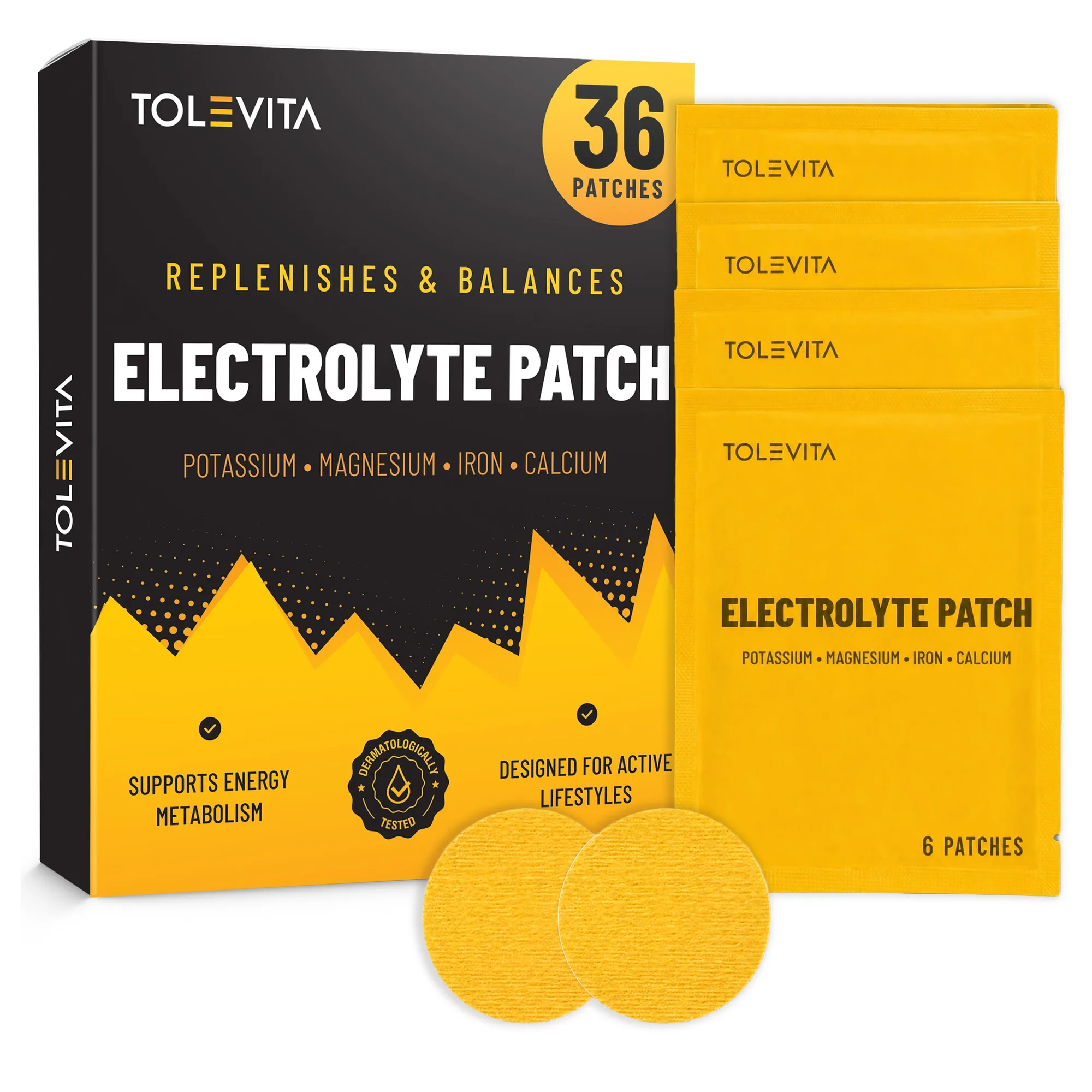
Electrolyte Patches – Replenish & Balance with Potassium, Magnesium, Iron & Calcium, 36 Patches
-
Electrolyte Patches – Replenish & Balance with Potassium, Magnesium, Iron & Calcium, 36 Patches: The blend is described as potassium, magnesium, iron, and calcium, with vitamin D also listed. If you are specifically looking for a potassium magnesium patch or an iron calcium patch, this product combines those minerals in one format rather than separating them.
-
Electrolyte Patches – Replenish & Balance with Potassium, Magnesium, Iron & Calcium, 36 Patches: 36 patches per pack, Standard variant. Thirty-six patches supports roughly a month of daily use if you wear one per day, which is a practical way to judge cost per use against the catalog price of USD 13.57.
How to Read the Mineral Amounts
The label lists potassium chloride at 3mg, magnesium citrate at 3mg, calcium citrate at 2mg, and iron at 5mg. Those numbers are far below what a typical oral electrolyte drink or mineral supplement provides. That is not a flaw hidden in the fine print; it is the nature of a low-dose patch format. The product description frames the blend as support for hydration, mineral balance, and daily wellness, not as a replacement for food, fluids, or a doctor-recommended supplement.
This matters for how you choose. If your goal is to replace large sodium losses after intense sweating, a patch with these amounts is not a sports drink equivalent. If your goal is a simple, no-pill daily habit that fits into a busy routine, the small declared amounts and the gradual-release design are the relevant facts. Buy based on which of those two needs you actually have.
Patch vs. Drink vs. Pill: What You Are Really Choosing
The format changes the trade-offs more than the mineral list does.
- Electrolyte patch: No pills, no water, no hassle, per the catalog. Apply one patch to clean skin. Good for travel, workouts, and days when you do not want another thing to swallow. The trade-off is that the declared mineral amounts are small and the patch is not confirmed as a replacement for oral rehydration.
- Electrolyte drink: Delivers fluids and larger mineral amounts in one go, but requires mixing, carrying, or buying. Not supplied in this catalog, so compare labels directly if you use one.
- Mineral pill: Can deliver higher doses, but adds another thing to remember and swallow. The patch format is positioned as an alternative for people who prefer not to take pills.
Fit and Skin Considerations Before You Buy
- Skin type: The catalog states the patch is designed for comfortable wear and suitable for all skin types. If you have known adhesive sensitivities, patch-test on a small area first, as you would with any adhesive product.
- Application site: Apply to clean skin. The supplied record does not specify a preferred body site or a maximum wear time beyond the general all-day release description, so follow the packaging instructions and avoid inventing a routine the label does not support.
- Daily routine: The product is described for workouts, travel, outdoor activities, and daily routines. Choose it if a once-daily patch fits your day better than a drink or pill.
- Medical context: The patch is not a treatment for dehydration, electrolyte disorders, or any diagnosed condition. If you take medication, have kidney or heart concerns, or have been told to monitor potassium, iron, or calcium intake, ask a clinician before adding any mineral product.
What the Catalog Does Not Confirm
The supplied record does not include a specific wear time, a list of contraindications, or clinical evidence for the transdermal delivery claim. It also does not state whether the patch is suitable during pregnancy or for children. Those gaps are decision limits, not proof that the product lacks those instructions. If any of them matter to you, check the full packaging or ask the manufacturer before buying.
The catalog does state that the patch is designed for gradual release through the day, and that it is intended for convenient on-the-go support. Those are the claims the product actually makes. Everything beyond that, including how quickly you might notice anything, is not established by the supplied information.
Price and Format Check
- Electrolyte Patches – Replenish & Balance with Potassium, Magnesium, Iron & Calcium, 36 Patches: Catalog price USD 13.57, comparison price USD 19.95, 36 patches. At the catalog price, a daily patch works out to well under a dollar per day. That is the number to compare against drinks or pills, not the headline pack price.
- Electrolyte Patches – Replenish & Balance with Potassium, Magnesium, Iron & Calcium, 36 Patches: Described as skin-friendly and comfortable, suitable for all skin types. Comfort matters for a product you wear all day. If you have reacted to adhesives before, test one patch before committing to a daily routine.