Hydration is the cornerstone of athletic performance and daily wellness, but the choices can be overwhelming. On one side, you have traditional sports drinks like Gatorade and Powerade, which have dominated store shelves for decades. On the other, modern electrolyte sachets offer a powdered alternative that you mix with water. Which one truly delivers better hydration without the drawbacks?
In this comparison, we break down the key differences between electrolyte sachets and sports drinks across five critical factors: sugar content, electrolyte balance, cost per serving, convenience, and environmental impact. By the end, you'll know exactly which option aligns with your health goals and lifestyle.
Sugar Content: The Hidden Difference
A standard 20-ounce bottle of a popular sports drink contains about 34 grams of added sugar, which is roughly eight teaspoons. While that sugar provides a quick energy spike during intense exercise lasting over an hour, it also leads to a crash afterward and contributes to empty calories for most casual users. Many people drink sports drinks during light activity or daily life, consuming unnecessary sugar that can hinder weight management and dental health.
Electrolyte sachets, by contrast, are typically sugar-free or contain minimal natural sweeteners. Products like Electrolytes - Strawberry Lemonade (16 Pack) use stevia or monk fruit to provide a pleasant taste without the caloric load. This makes them ideal for everyday hydration, yoga sessions, or short workouts where you don't need the extra sugar. If you're watching your sugar intake or managing blood sugar levels, electrolyte sachets are clearly the superior choice.
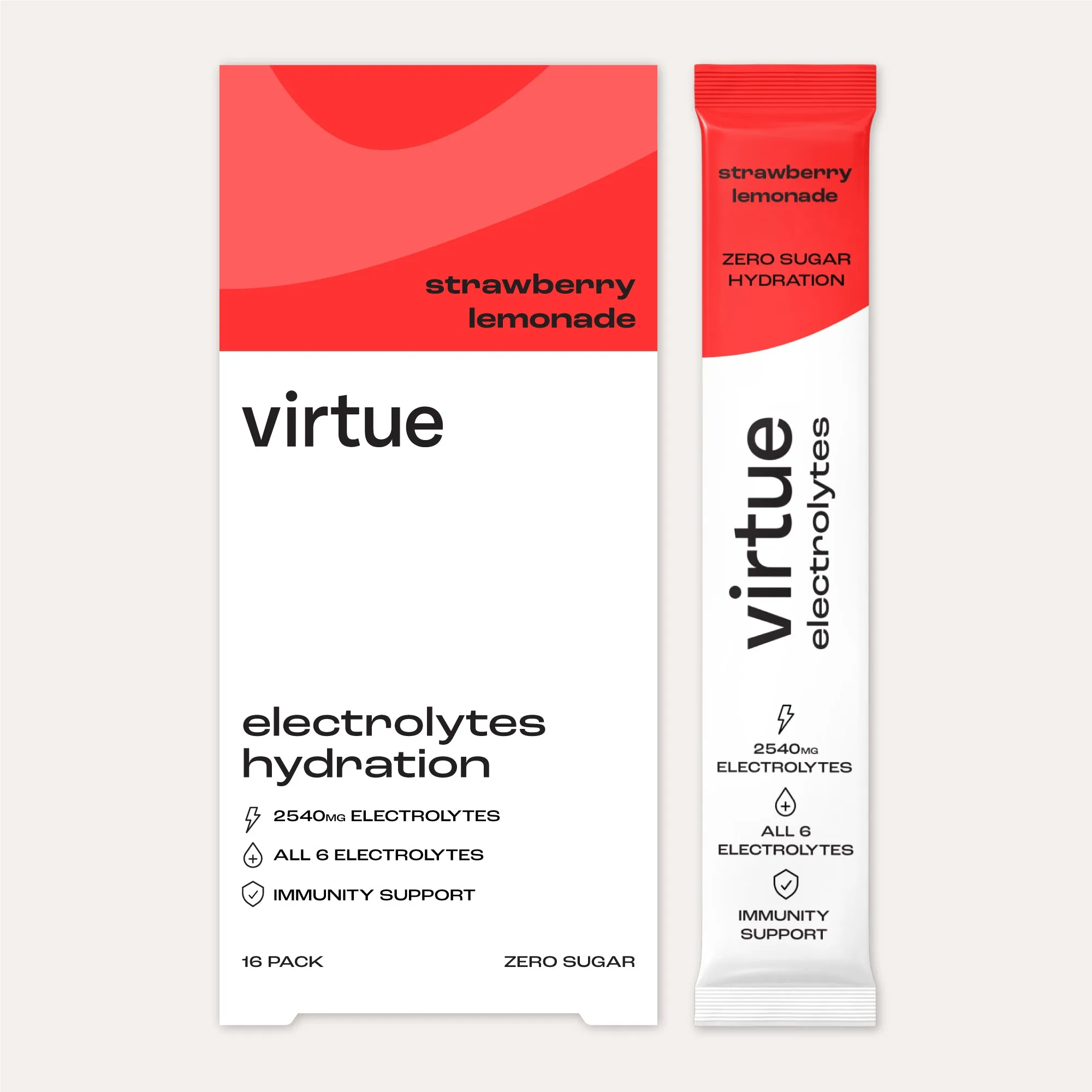
Electrolytes - Strawberry Lemonade (16 Pack)
- Tip: Check the label for 'added sugars' — electrolyte sachets often have 0-2 grams, while sports drinks can have 30+ grams per serving.
Electrolyte Profile: What Your Body Actually Needs
Both sports drinks and electrolyte sachets contain sodium, potassium, and magnesium, but the ratios differ significantly. Traditional sports drinks are formulated for endurance athletes who lose large amounts of sodium through sweat during marathon runs or long cycling sessions. They typically contain 150-200 mg of sodium per serving and higher carbohydrate levels to fuel prolonged exertion.
Electrolyte sachets, such as those found in the Electrolytes - Variety Pack (12 Pack), offer a more balanced electrolyte profile suitable for a wider range of activities. They often include additional minerals like calcium and chloride, which support muscle function and hydration at the cellular level. For the average person who exercises for 30-60 minutes, the electrolyte concentration in sachets is more than adequate, without the excess sugar and artificial colors found in many sports drinks.
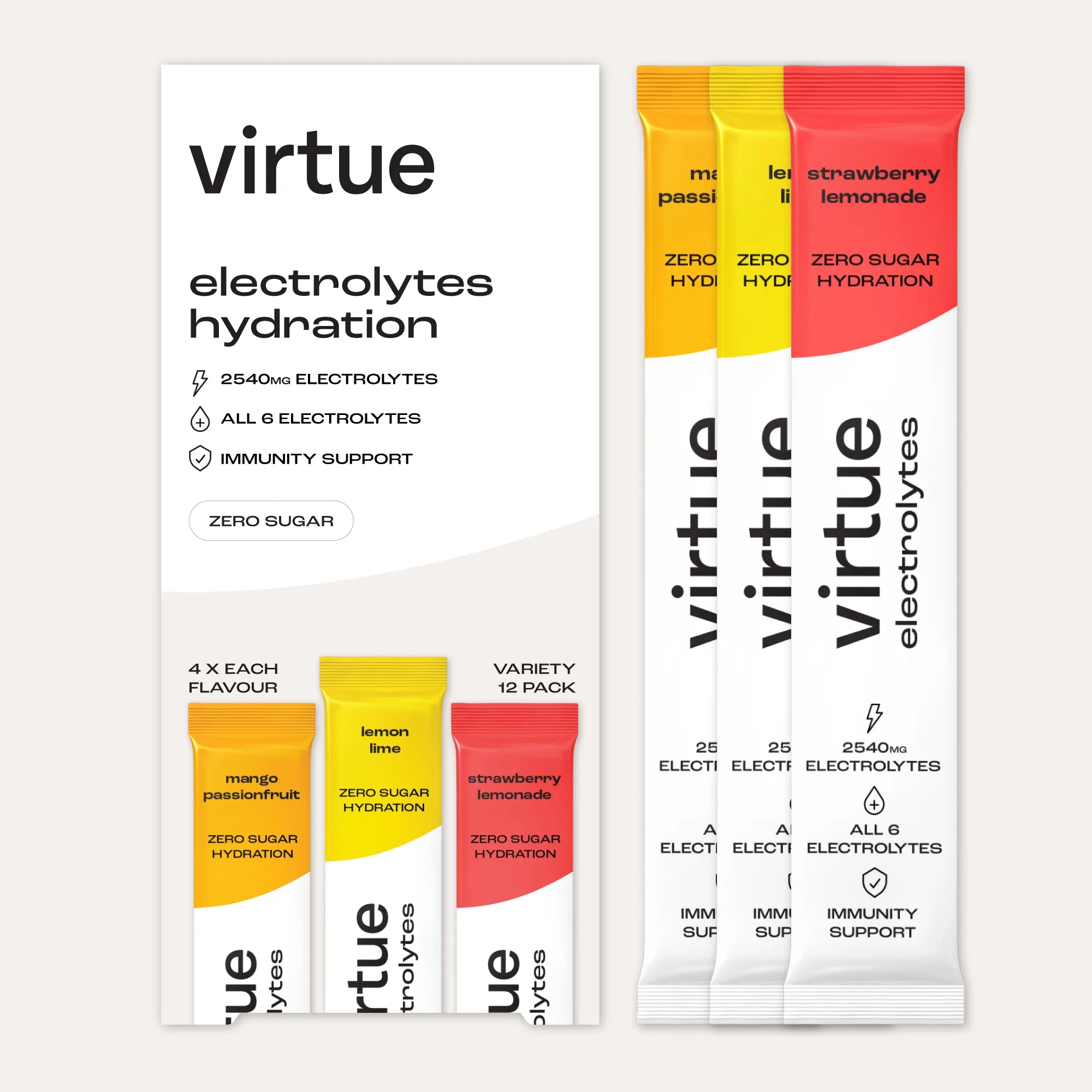
Electrolytes - Variety Pack (12 Pack)
- Practical tip: If you're sweating heavily for more than 90 minutes (e.g., during a half-marathon or intense summer hike), you may benefit from the higher sodium content in sports drinks. For daily hydration and moderate exercise, electrolyte sachets are perfectly sufficient.
Cost Per Serving: Which Is More Economical?
Cost is a major factor for anyone who hydrates regularly. A single 20-ounce sports drink at a convenience store typically costs between $2.50 and $4.00. If you drink one per day, that adds up to $75–$120 per month. In contrast, electrolyte sachets are significantly cheaper per serving when bought in bulk. For example, a 16-pack of sachets might cost around $25, which breaks down to roughly $1.56 per serving.
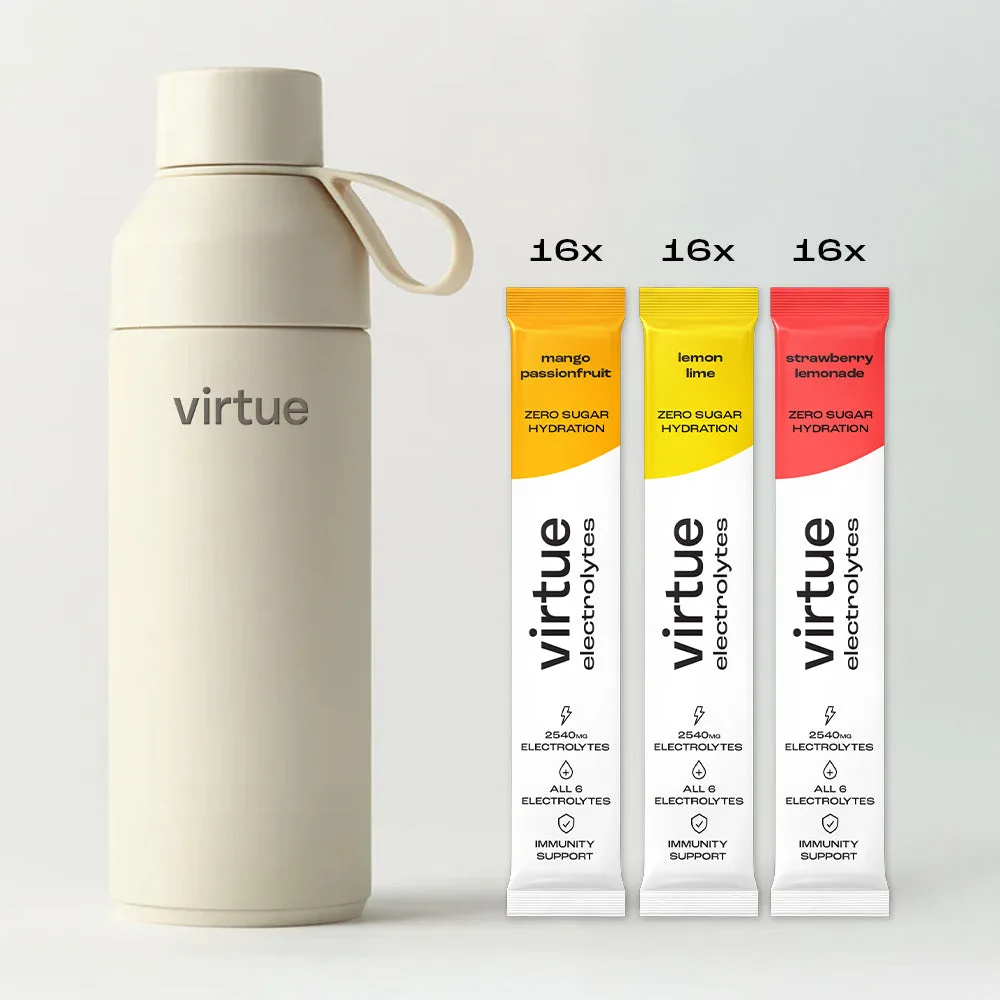
Even better, you can purchase larger starter kits that bundle a reusable bottle with multiple sachets. The Hydration Starter Pack - Ocean Bottle + 48 Sachets provides 48 servings for a fraction of the cost of 48 individual sports drink bottles. Over time, the savings are substantial, not to mention the reduction in plastic waste from single-use bottles.
- Quick comparison: Sports drinks = $2.50–$4.00 per serving; Electrolyte sachets = $1.00–$2.00 per serving when bought in multi-packs or starter kits.
Convenience and Portability
Sports drinks come ready-to-drink, which is undeniably convenient. You grab a bottle from the fridge and go. However, they are bulky to carry in a gym bag or backpack, and once opened, they should be consumed quickly to avoid spoilage or loss of carbonation (if applicable). For travelers, carrying multiple bottles is impractical.
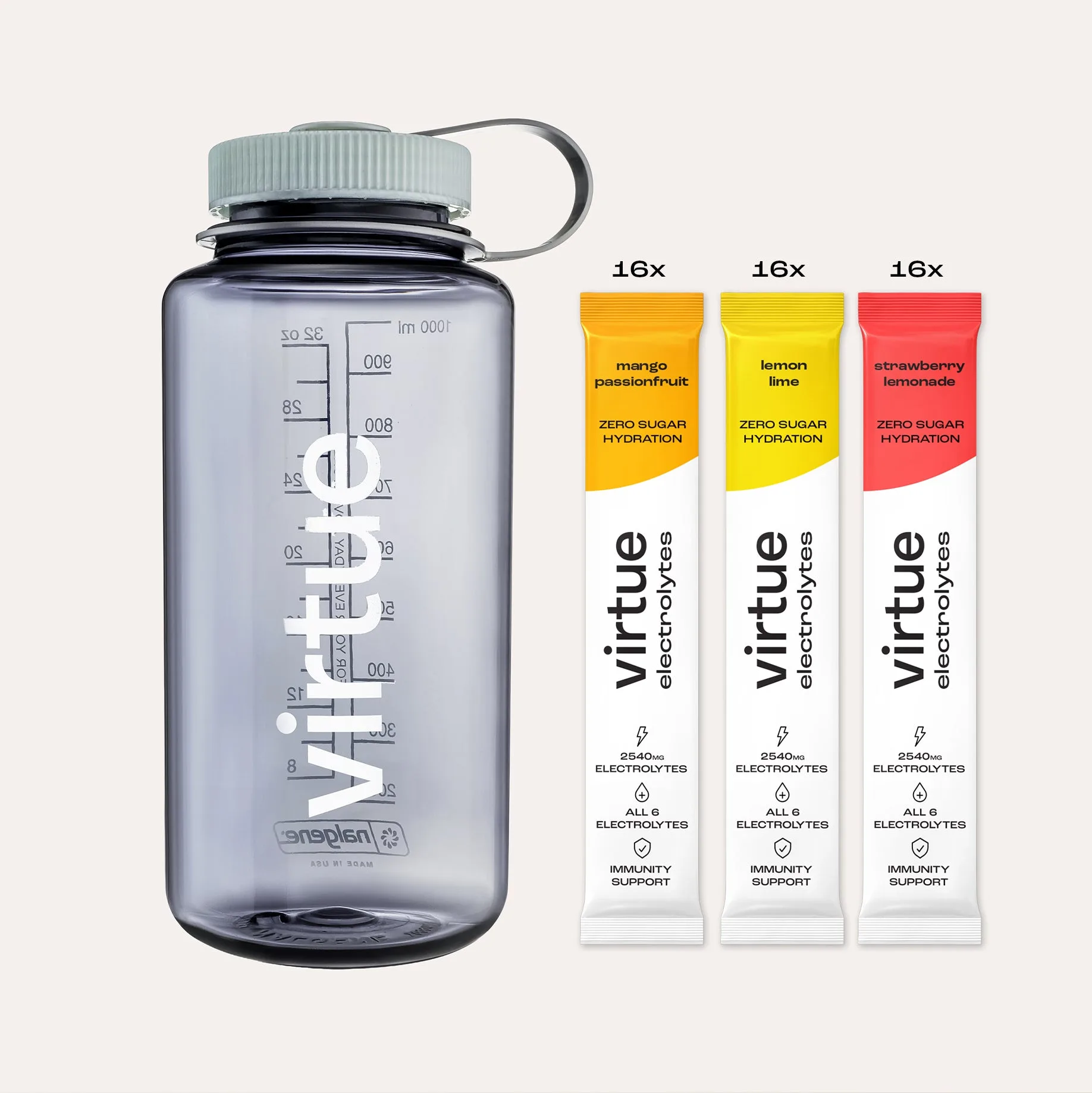
Electrolyte sachets excel in portability. A single sachet is smaller than a credit card and weighs almost nothing. You can toss several into your purse, gym bag, or hiking pack without adding noticeable weight. All you need is water — from a fountain, tap, or reusable bottle like the Virtue Nalgene Water Bottle 1L. Simply tear open a sachet, pour it in, shake, and you have instant hydration. This flexibility makes sachets ideal for commuting, travel, outdoor adventures, and office use.
- Pro tip: Keep a few sachets in your car, desk drawer, or hiking pack so you're never caught without hydration options.
Environmental Impact: A Clear Winner
Plastic pollution is a growing concern, and single-use plastic bottles are a major contributor. The average sports drink bottle takes hundreds of years to decompose and often ends up in oceans or landfills. With billions of bottles sold annually, the environmental footprint is staggering.
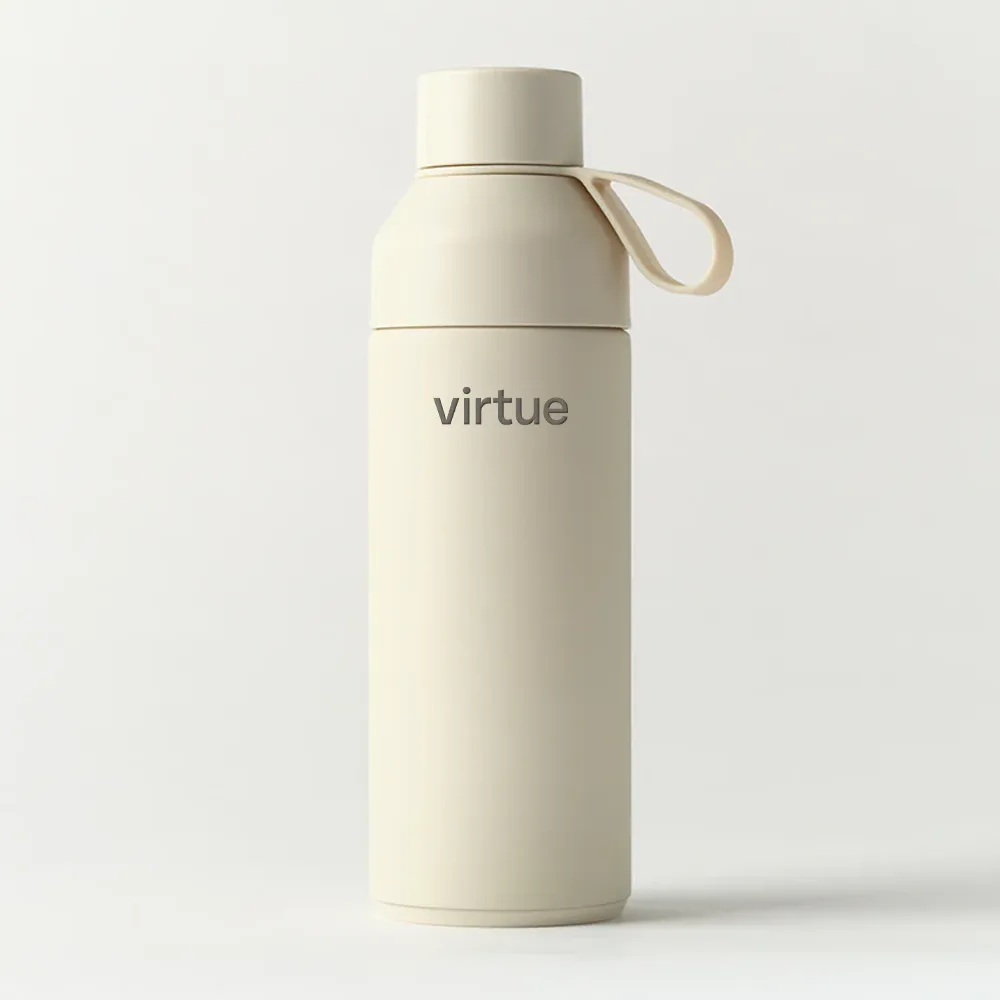
Electrolyte sachets use minimal packaging — typically a lightweight foil or plastic wrapper. When combined with a reusable water bottle, the waste per serving drops dramatically. Brands like Virtue are already taking steps toward sustainability by offering eco-friendly bottles such as the Virtue Ocean Bottle 500ml, made from recycled ocean plastics. Choosing sachets over bottled sports drinks is a simple yet impactful way to reduce your personal plastic consumption.
- Eco-friendly tip: Pair your electrolyte sachets with a reusable bottle to eliminate single-use plastic entirely. Many starter packs include a durable bottle designed for repeated use.
Ultimately, the choice between electrolyte sachets and sports drinks depends on your specific needs. If you're an endurance athlete engaging in prolonged, high-intensity exercise, a traditional sports drink may still have its place. But for the vast majority of people — whether you're hitting the gym, going for a run, or simply staying hydrated throughout the day — electrolyte sachets offer a healthier, more economical, and environmentally friendly alternative. Ready to make the switch? Start your hydration upgrade with the Electrolytes - Variety Pack (12 Pack) and experience the difference for yourself.