Have you ever felt that mid-afternoon mental fog that makes it hard to concentrate, even after a good night's sleep? You might blame stress, lack of caffeine, or just a busy day, but the culprit could be something simpler: dehydration. Even mild dehydration—losing just 1-2% of your body's water—can impair cognitive performance, reduce alertness, and cause brain fog. The good news is that proper hydration, especially with the right balance of electrolytes, can sharpen your focus and boost mental clarity.
Electrolytes like sodium, potassium, and magnesium are essential for nerve signaling and brain function. They help transmit electrical impulses between neurons, regulate fluid balance in brain cells, and support neurotransmitter activity. Without enough electrolytes, your brain struggles to communicate efficiently, leading to sluggish thinking, poor memory, and difficulty concentrating. In this article, we'll explore the science behind electrolytes and focus, and share practical tips to stay hydrated for peak mental performance.
The Science Behind Hydration and Brain Function
Your brain is about 75% water, so it's no surprise that hydration directly impacts how well it works. When you're dehydrated, blood volume decreases, which means less oxygen and nutrients reach the brain. This can slow down neural processing and reduce cognitive flexibility. Studies have shown that even mild dehydration can impair attention, memory, and psychomotor skills. For example, a 2018 study published in the Journal of Nutrition found that dehydrated participants performed worse on tasks requiring sustained attention and working memory compared to when they were properly hydrated.
Electrolytes play a critical role here. Sodium and potassium help maintain the electrical gradient across cell membranes, which is essential for nerve impulse transmission. Magnesium supports over 300 enzymatic reactions in the body, including those involved in brain plasticity and learning. When electrolyte levels drop, your brain's ability to send and receive signals is compromised, leading to that familiar feeling of brain fog. That's why simply drinking plain water may not be enough—you need electrolytes to retain that water and support optimal brain function.
- Tip: Start your day with a glass of water and a pinch of salt or an electrolyte mix to rehydrate after sleep and kickstart mental clarity.
How Dehydration Causes Brain Fog and Poor Concentration
Brain fog isn't a medical diagnosis, but it describes a set of symptoms including confusion, forgetfulness, lack of focus, and mental fatigue. Dehydration is one of the most common triggers. When your body is low on water, your brain actually shrinks slightly in volume, pulling fluid from cells to maintain circulation. This can cause headaches, dizziness, and difficulty processing information. Even a 2% loss of body water—which can happen after just a few hours without drinking—can lead to measurable drops in concentration and reaction time.
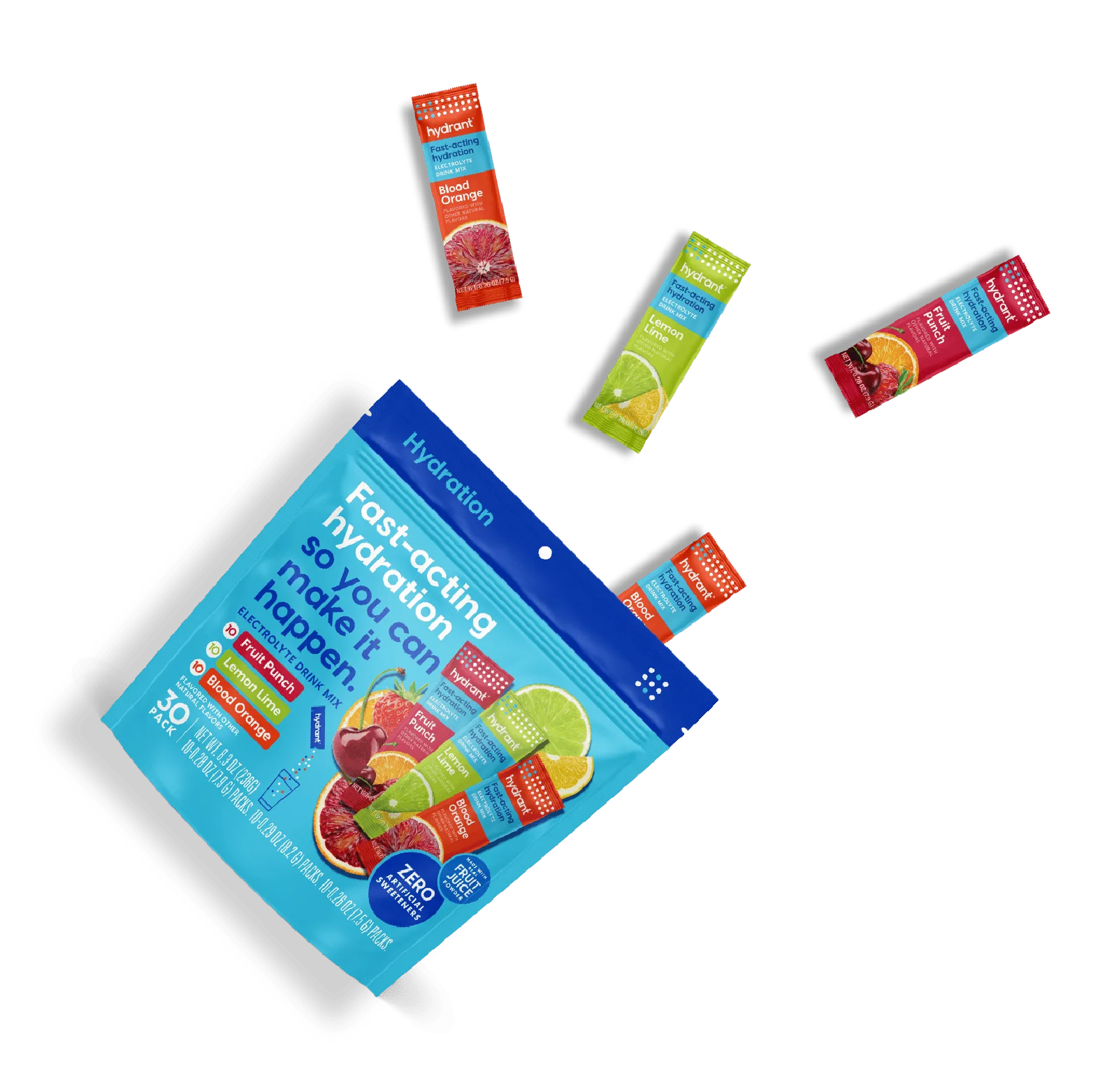
The effects are especially pronounced during mental tasks that require sustained effort, like studying, working on complex projects, or driving long distances. A study from the University of Connecticut found that mild dehydration in women led to headaches, fatigue, and difficulty concentrating, while men experienced similar cognitive declines. The good news is that rehydrating with electrolyte-rich fluids can reverse these effects within 30 minutes. Products like Hydrant Hydrate, which contains a balanced blend of sodium, potassium, and magnesium, are designed to rapidly restore hydration and help you regain focus.
- Signs of dehydration-related brain fog: difficulty concentrating, short-term memory lapses, irritability, and mental exhaustion.
Electrolytes and Focus: The Key Players for Mental Clarity
Not all electrolytes are created equal when it comes to brain health. Here's a breakdown of the most important ones for focus and concentration. Sodium is often demonized, but it's essential for maintaining fluid balance and nerve function. It helps glucose and amino acids enter brain cells, providing fuel for mental energy. Potassium works alongside sodium to regulate electrical impulses and prevent mental fatigue. Magnesium is crucial for calming the nervous system and supporting deep sleep, which is vital for cognitive recovery. Finally, calcium helps neurotransmitter release, enabling communication between brain cells.
Many people don't get enough of these minerals from diet alone, especially if they exercise, sweat heavily, or consume processed foods low in electrolytes. That's where a targeted hydration product can help. For example, Hydrant Hydrate provides a precise ratio of electrolytes without excess sugar, making it an excellent choice for maintaining mental clarity throughout the day. If you need an extra boost, consider Hydrant ENERGY, which combines electrolytes with jitter-free caffeine and L-theanine for enhanced focus without the crash.
- Quick check: If you feel mentally sluggish 2-3 hours after waking, try drinking 16 oz of water with electrolytes and see if your focus improves within 20 minutes.
Practical Tips to Use Hydration for Better Focus
Staying hydrated for mental clarity doesn't have to be complicated. Start by calculating your baseline: aim for half your body weight in ounces of water per day, and increase that on hot days or after exercise. But don't just drink plain water—add electrolytes to help your body absorb and use that water effectively. A good rule of thumb is to consume an electrolyte drink in the morning, before mentally demanding tasks, and after any activity that makes you sweat.
Timing matters too. Drink a glass of water with electrolytes about 30 minutes before a meeting, exam, or creative session to give your brain time to rehydrate. Avoid sugary sports drinks, which can cause blood sugar spikes and crashes that worsen brain fog. Instead, choose a low-sugar option like Hydrant Hydrate or Hydrant ENERGY. For those who struggle with afternoon slumps, a mid-day electrolyte boost can be more effective than a second cup of coffee. And don't forget sleep—hydration supports sleep quality, and poor sleep exacerbates cognitive issues. If you need help winding down, Hydrant SLEEP combines magnesium, GABA, and L-theanine to promote restful sleep and next-day clarity.
- Morning routine: 16 oz water + electrolytes before breakfast to rehydrate after sleep.
- Workday hack: Set a timer to drink 8 oz of electrolyte water every 2 hours.
- Evening wind-down: Use a sleep-supporting electrolyte blend to improve recovery.
Hydration is one of the simplest and most effective ways to support mental clarity, focus, and overall brain health. By understanding the connection between electrolytes and focus, you can make small changes to your daily routine that yield big cognitive benefits. Whether you're tackling a challenging project, studying for an exam, or just trying to stay sharp throughout the day, proper hydration with the right electrolyte balance can help you think clearer and perform better. Explore Hydrant Hydrate to find a delicious, science-backed way to fuel your brain and body.