Quick Answer
For cyclists, proper hydration means replacing both water and electrolytes lost through sweat. Start with a hydration plan that includes a zero-sugar electrolyte mix like LMNT before, during, and after your ride to maintain performance and prevent cramps.
Whether you're grinding up a mountain pass or sprinting on the road, your body loses water and essential minerals through sweat. Replacing only water can dilute your blood sodium levels, leading to hyponatremia and a drop in performance. This guide walks you through a practical hydration strategy tailored for cyclists, covering both road and mountain biking scenarios.
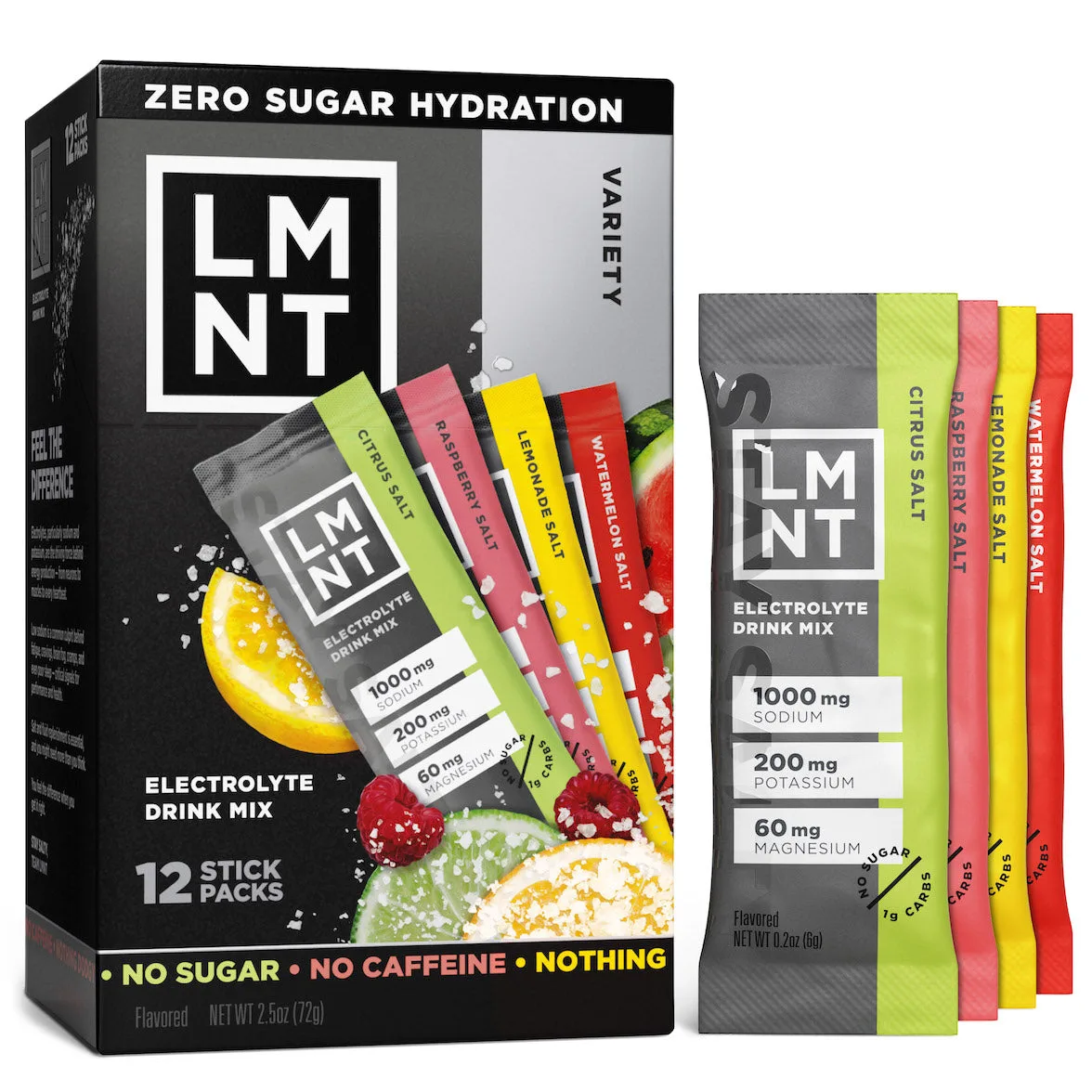
We'll focus on the science of electrolyte balance, actionable steps to hydrate effectively, and how products like https://drinklmntshops.com/products/lmnt-zero-sugar-electrolytes-75931https://drinklmntshops.com/products/lmnt-zero-sugar-electrolytes-75936https://drinklmntshops.com/products/lmnt-zero-sugar-electrolytes-75938LMNT Zero-Sugar Electrolytes fit into your routine. By the end, you'll know exactly how to prepare for your next ride, no matter the terrain.
Why Electrolytes Matter for Cyclists
Electrolytes—sodium, potassium, magnesium, and calcium—are minerals that carry an electric charge and are crucial for muscle function, nerve signaling, and fluid balance. When you sweat, you lose these minerals, especially sodium. If you don't replace them, you risk muscle cramps, fatigue, and impaired concentration, which can be dangerous on a bike.
Cyclists often underestimate their sweat losses, especially in hot weather or during intense efforts. Road biking may involve long, steady efforts, while mountain biking adds technical demands that increase heart rate and sweating. Both require a deliberate electrolyte strategy to stay safe and perform well.
- Sodium is the most critical electrolyte lost in sweat; aim to replace about 500-700 mg per hour of intense cycling.
- Low-carb or keto cyclists need extra electrolytes because their bodies excrete more sodium when carbohydrate stores are low.
How to Hydrate for Road Cycling
Road cycling often involves longer durations at moderate to high intensity. Start your ride well-hydrated by drinking about 16-20 ounces of water with electrolytes two hours before. During the ride, aim to drink 6-8 ounces every 15-20 minutes, adjusting for temperature and sweat rate.
For rides over 90 minutes, include an electrolyte mix in your bottles. LMNT Zero-Sugar Electrolytes provides 1000 mg of sodium, 200 mg of potassium, and 60 mg of magnesium per stick pack, which is ideal for replacing losses without added sugar. Mix one stick pack in 16-32 ounces of water and sip steadily.
- Use a hydration calculator to estimate your sweat rate: weigh yourself before and after a ride, and replace 16-24 ounces of fluid per pound lost.
- On hot days, consider carrying an extra bottle with a second stick pack to ensure you meet your electrolyte needs.
How to Hydrate for Mountain Biking
Mountain biking adds technical challenges and varied terrain, which can increase sweat rates even at lower speeds. You may not feel as thirsty due to the focus required, so set a timer to remind yourself to drink. Start with a hydration pack or bottles filled with an electrolyte solution.
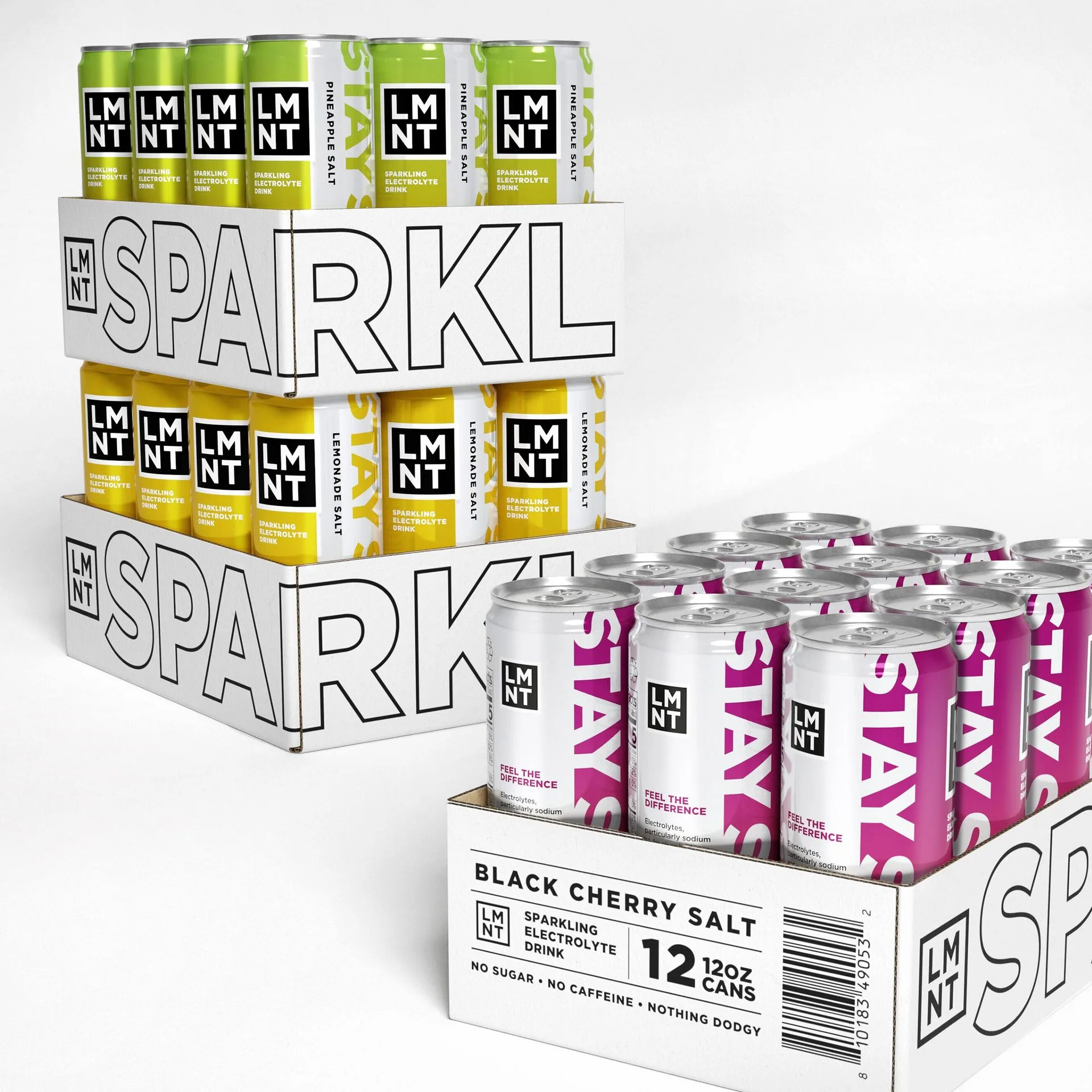
Because mountain bike rides often involve climbs and descents, your electrolyte needs may fluctuate. A good rule is to drink 6-8 ounces every 15 minutes, and if you're riding for more than two hours, plan to refill your water source. LMNT Sparkling 16oz is a convenient option for a post-ride recovery drink, providing the same electrolyte blend in a refreshing sparkling format.
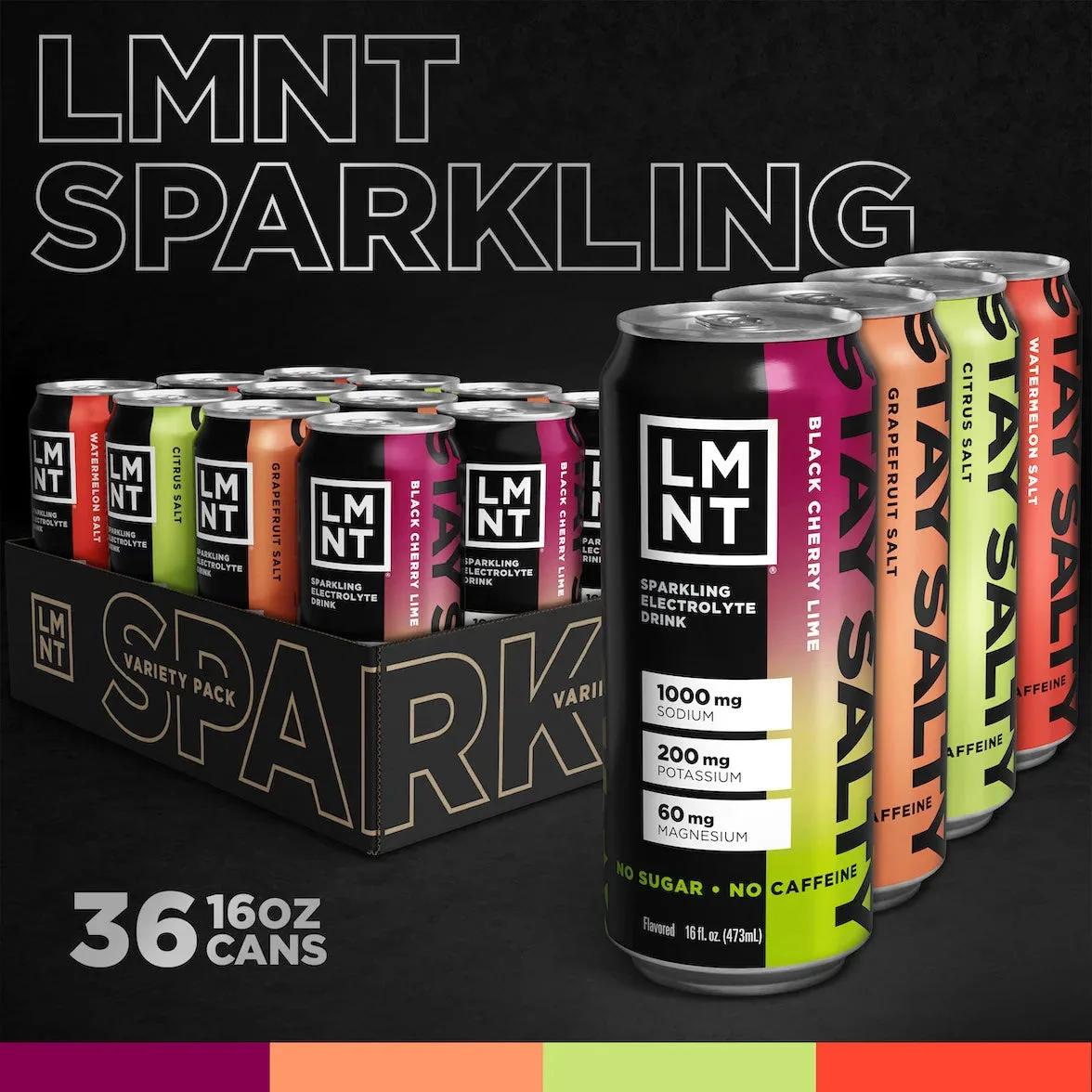
LMNT Sparkling 16oz
- Carry a small bag of LMNT stick packs in your jersey or pack so you can add electrolytes to plain water on longer rides.
- If you're riding in high altitude, you may need more fluids and electrolytes; listen to your body and adjust accordingly.
Step-by-Step Hydration Plan for Cyclists
- Step 1: Pre-Hydrate: Drink 16-20 ounces of water with a pinch of salt or an electrolyte mix two hours before your ride. This ensures you start well-hydrated. Checkpoint: Urine should be light yellow before you roll out.
- Step 2: Set a Hydration Schedule: Plan to drink 6-8 ounces of fluid every 15-20 minutes. Use a timer or your bike computer to remind you, especially on technical trails. Mistake to avoid: Waiting until you're thirsty—thirst lags behind your actual need.
- Step 3: Mix Electrolytes in Your Bottles: For rides over 90 minutes, add an electrolyte stick pack like LMNT Zero-Sugar Electrolytes to your water. Follow the mixing instructions on the label for best taste and effectiveness. Checkpoint: Ensure your drink has sodium; aim for at least 500 mg per hour.
- Step 4: Refuel at Mid-Ride Stops: If your ride includes a stop, refill your bottles with water and add another electrolyte pack. Consider a small snack with sodium if you're sweating heavily. Mistake to avoid: Skipping electrolytes because you're eating—food may not provide enough sodium.
- Step 5: Recover Post-Ride: Within 30 minutes of finishing, drink 16-24 ounces of fluid with electrolytes. LMNT Sparkling 16oz is a convenient option for a refreshing recovery drink. Checkpoint: Weigh yourself to estimate fluid loss; replace 16-24 ounces per pound lost.
Product Facts: LMNT for Cyclists
- LMNT Zero-Sugar Electrolytes: A tasty electrolyte drink mix that is formulated to help anyone with their electrolyte needs and is perfectly suited to folks following keto, low-carb, or paleo diet. This makes it an excellent choice for cyclists who want to avoid sugar while maintaining electrolyte balance, especially those on low-carb training plans.
- LMNT Sparkling 16oz: LMNT Sparkling 16oz delivers the electrolyte formula you trust in a refreshing sparkling format. Designed for those who want more salt, not less, this drink provides a convenient way to stay hydrated. The sparkling format offers a crisp, effervescent option for cyclists who prefer a carbonated drink post-ride, making it easier to consume fluids after a long effort.
Hydration is a key component of cycling performance and safety. By following this step-by-step plan and using products like LMNT Zero-Sugar Electrolytes and LMNT Sparkling, you can maintain your electrolyte balance and ride stronger, whether on the road or the trail. Remember to listen to your body and adjust your strategy based on weather and intensity.