Every runner knows the feeling: legs heavy, mind foggy, pace slipping. Often, the culprit isn't lack of training—it's dehydration and electrolyte imbalance. When you sweat, you lose not just water but essential minerals like sodium, potassium, and magnesium. Replacing them is crucial for maintaining speed and endurance, especially during long runs or intense speed sessions.
In this guide, we'll explore how electrolytes for runners work, build a practical running hydration plan, and share tips for every phase of your run. Whether you're training for a marathon or just starting your 5K journey, understanding hydration can be your secret weapon.
Why Electrolytes Matter for Runners
Electrolytes are electrically charged minerals that regulate nerve function, muscle contractions, and fluid balance. When you run, you lose these minerals through sweat. If you only drink water, you dilute your body's electrolyte concentration, which can lead to hyponatremia (low sodium levels) and symptoms like cramping, fatigue, and dizziness.
For endurance running, maintaining electrolyte balance is even more critical. Studies show that even a 2% loss of body weight through sweat can impair performance. Replacing electrolytes during runs longer than 60 minutes can help sustain your pace and delay fatigue. That's why many runners turn to electrolyte sachets for running—they're convenient, precise, and effective.
- Sodium: prevents cramping and maintains fluid balance
- Potassium: supports muscle function and prevents weakness
- Magnesium: aids energy production and muscle relaxation
Building Your Running Hydration Plan
A solid running hydration plan starts before you lace up. Aim to drink 16-20 ounces of water two hours before your run, and add an electrolyte drink if you're running longer than 60 minutes. This pre-hydration helps you start with a full tank.
During your run, the goal is to replace fluids and electrolytes at a rate that matches your sweat loss. For most runners, that means 4-6 ounces every 15-20 minutes. For runs under an hour, water may suffice, but for longer efforts, consider an electrolyte solution. After your run, rehydrate with 24 ounces for every pound lost, and include a snack with sodium to help your body retain fluids.
- Pre-run: hydrate 2 hours before, add electrolytes for long runs
- During: sip every 15-20 minutes, use electrolytes for runs over 60 minutes
- Post-run: replace 150% of fluid loss, include sodium-rich foods
Choosing the Best Hydration for Runners
Not all hydrations are created equal. Sports drinks often contain added sugars and artificial colors, while electrolyte sachets offer a cleaner, more customizable option. When choosing the best hydration for runners, look for products with a balanced electrolyte profile and no unnecessary additives.
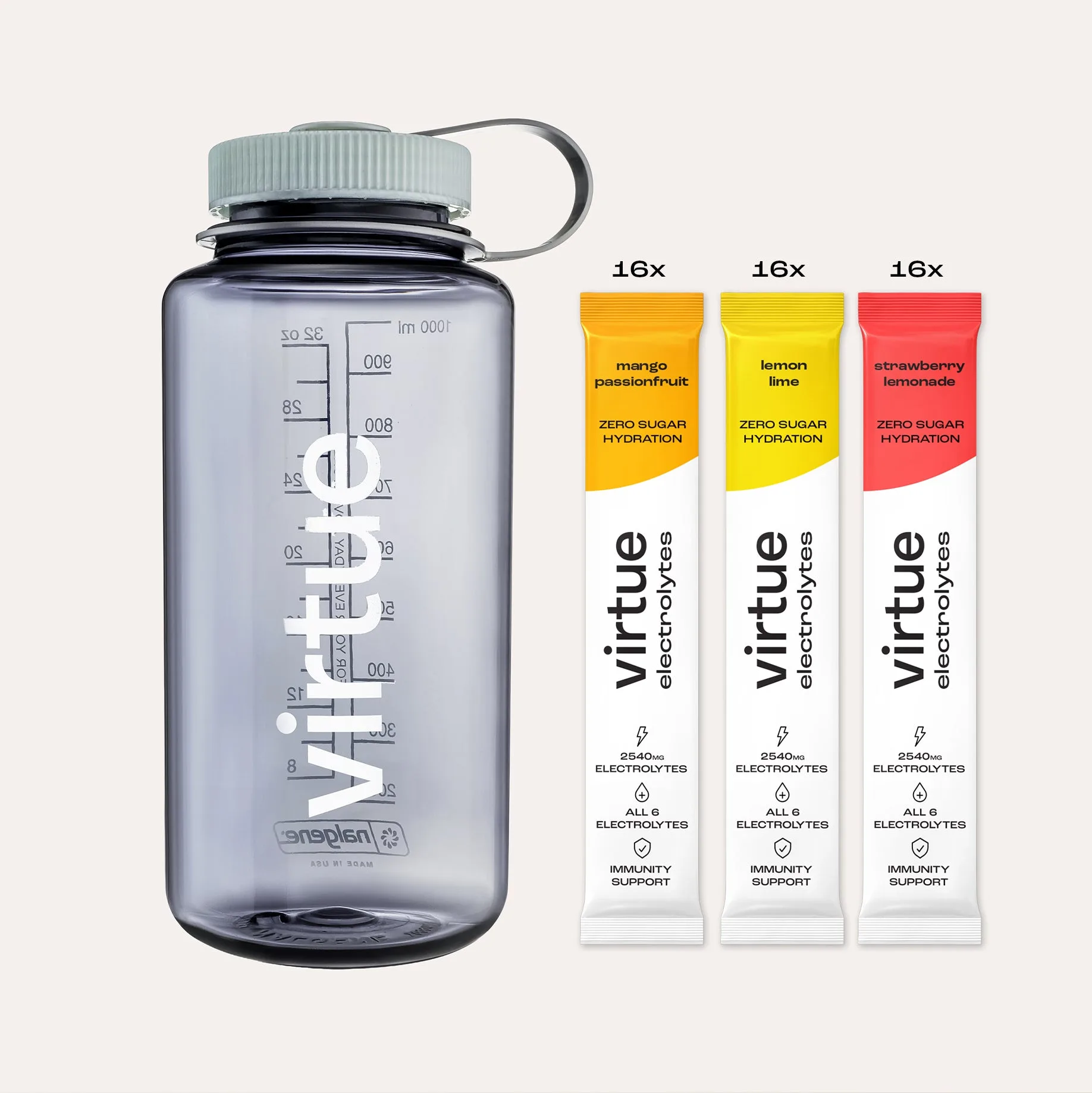
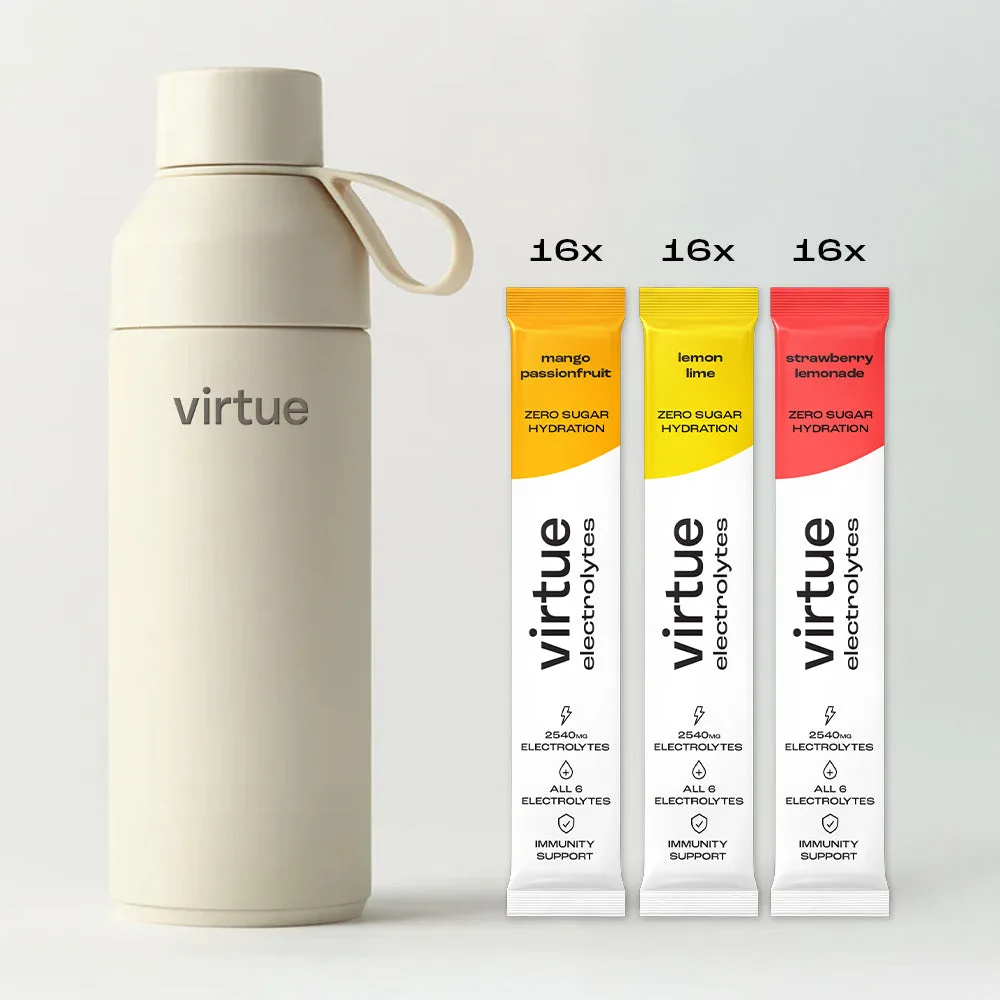
Virtue offers a range of electrolyte sachets designed for active lifestyles. For example, the Electrolytes - Strawberry Lemonade (16 Pack) provides a refreshing citrus flavor with essential minerals, perfect for your long runs. If you prefer variety, the Electrolytes - Variety Pack (12 Pack) lets you sample different flavors like Lemon Lime and Pink Candy Floss, so you can find your favorite. These sachets are easy to carry and mix instantly, making them ideal for runners on the go.
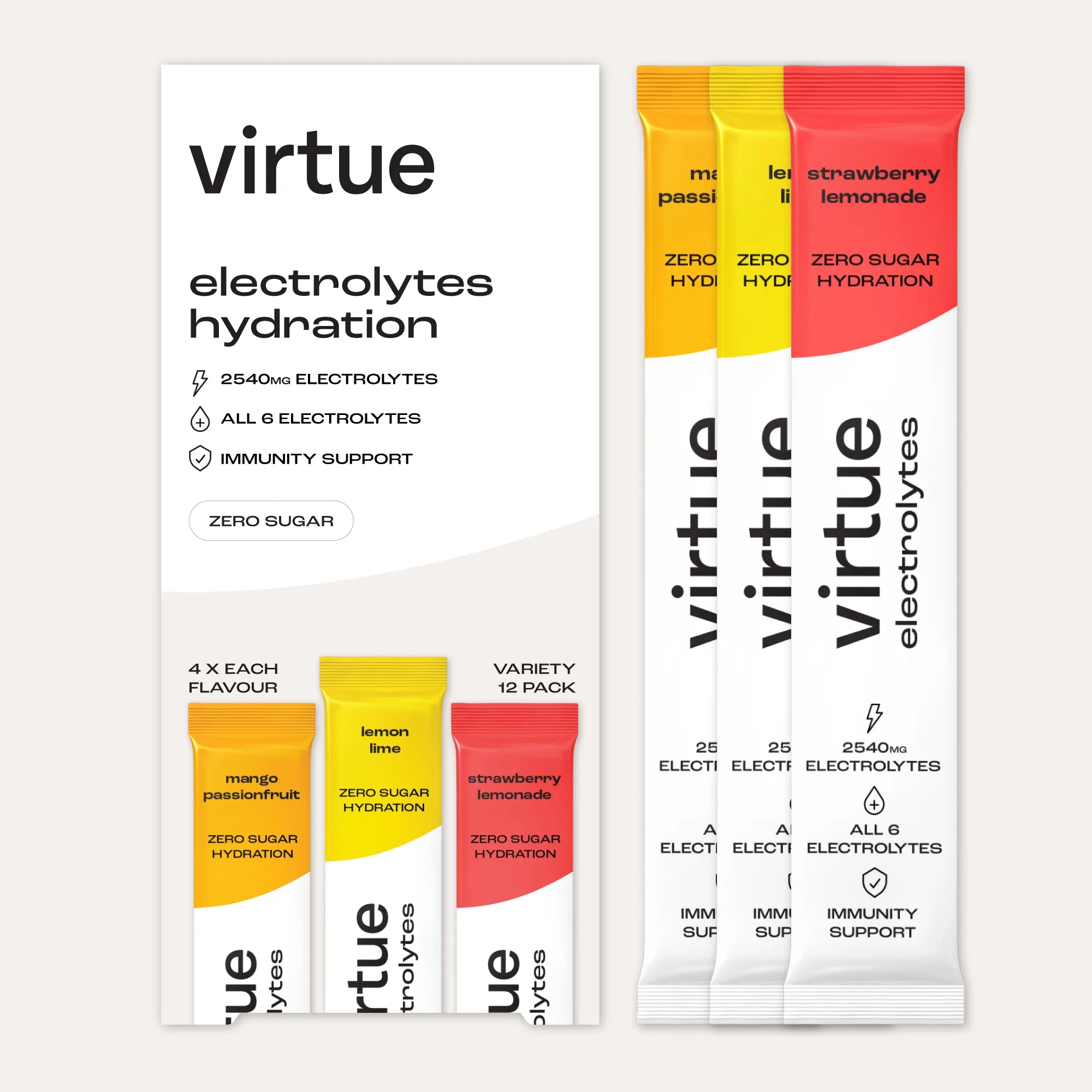
Electrolytes - Variety Pack (12 Pack)
- Look for sodium, potassium, and magnesium in balanced amounts
- Avoid products with high sugar or artificial ingredients
- Choose flavors you enjoy to stay consistent
How to Use Electrolyte Sachets for Running
Using electrolyte sachets for running is simple: mix one sachet with water, shake, and drink. For best results, consume them during or after your run, depending on your needs. Some runners prefer to sip throughout their run, while others use them post-run for recovery.
If you're training for a race, practice your hydration strategy during training runs. This helps your stomach adapt and ensures you know exactly what to do on race day. Start with one sachet per long run and adjust based on how you feel. Remember, consistency is key—your body thrives on routine.
- Mix one sachet with 16-20 ounces of water
- Test during training runs, not race day
- Adjust based on sweat rate and weather
Electrolytes for Speed Training and Recovery
Speed training places high demands on your muscles and nervous system. Electrolytes for speed training help maintain fast twitch muscle contractions and prevent premature fatigue. By keeping your electrolyte levels topped up, you can push harder during intervals and maintain your top-end speed.
Recovery is just as important. After a hard workout, electrolytes help restore muscle function and reduce soreness. Pair your post-run electrolyte drink with a protein-rich snack to support muscle repair. Over time, this combination can improve your overall performance and reduce the risk of injury.
- Use electrolytes during intervals to maintain power
- Replenish after speed sessions to speed recovery
- Combine with protein for optimal muscle repair
Hydration is a cornerstone of running performance. By incorporating electrolytes for runners into your routine, you can maintain your speed, extend your endurance, and recover faster. Start with a quality electrolyte supplement like the Electrolytes - Lemon Lime (16 Pack) and build a hydration plan that works for you. Your body will thank you—and your pace will show it.