When you think about workout nutrition, protein and pre-workout often steal the spotlight. But there's a silent player that can make or break your training session: electrolytes. These charged minerals—sodium, potassium, calcium, and magnesium—are the spark plugs of your muscles and nerves. Without them, even the most dedicated athlete can hit a wall of fatigue, cramping, and poor performance.
In this guide, we'll explore the critical role electrolytes play in hydration, performance, and recovery. We'll also share practical tips on how to replenish them and when an electrolyte supplement might be the right addition to your routine.
What Are Electrolytes and Why Do They Matter?
Electrolytes are minerals that carry an electric charge when dissolved in water. They include sodium, potassium, calcium, magnesium, chloride, and phosphate. These minerals regulate fluid balance, nerve signaling, and muscle contractions—all of which are vital during exercise.
When you sweat, you lose water and electrolytes, especially sodium and potassium. If you don't replace them, your body's fluid balance shifts, and your muscles and nerves start to misfire. That's why you might experience muscle cramps, dizziness, or a sudden drop in performance during a long run or intense gym session.
- Sodium: Maintains fluid balance and helps absorb water.
- Potassium: Supports muscle contractions and prevents cramping.
- Magnesium: Aids energy production and muscle relaxation.
- Calcium: Essential for muscle contractions and bone health.
How Electrolytes Boost Performance
Proper electrolyte levels allow your muscles to contract efficiently and your nerves to fire quickly. This translates to better power output, endurance, and coordination. Studies show that even mild dehydration—as little as 2% of body weight—can impair performance, reduce strength, and increase perceived effort.
Electrolytes also help regulate your heart rate and body temperature. When you're well-hydrated with balanced electrolytes, your cardiovascular system works more efficiently, delivering oxygen and nutrients to working muscles. This is especially important for high-intensity activities like lifting weights or sprinting.
- Prevents premature fatigue and cramping during long sessions.
- Improves reaction time and mental focus.
- Helps maintain strength and power output.
Electrolytes and Recovery: The Overlooked Connection
Recovery isn't just about protein and sleep. After a tough workout, your body needs to restore fluid and electrolyte balance to kickstart muscle repair and reduce soreness. Replenishing electrolytes post-exercise can help reduce inflammation, promote glycogen storage, and prepare your body for the next session.
Many athletes focus on protein shakes after training, but adding electrolytes can enhance the absorption of fluids and nutrients. If you're training twice a day or have a heavy training block, paying attention to electrolyte intake becomes even more critical.
- Reduces muscle soreness and stiffness.
- Supports glycogen replenishment when paired with carbohydrates.
- Helps rehydrate faster than water alone.
When to Consider an Electrolyte Supplement
While you can get electrolytes from food—like bananas, leafy greens, and salty snacks—intense or prolonged exercise may require more. If you sweat heavily, train in hot conditions, or do endurance sports, an electrolyte supplement can be a convenient way to stay on top of your levels.
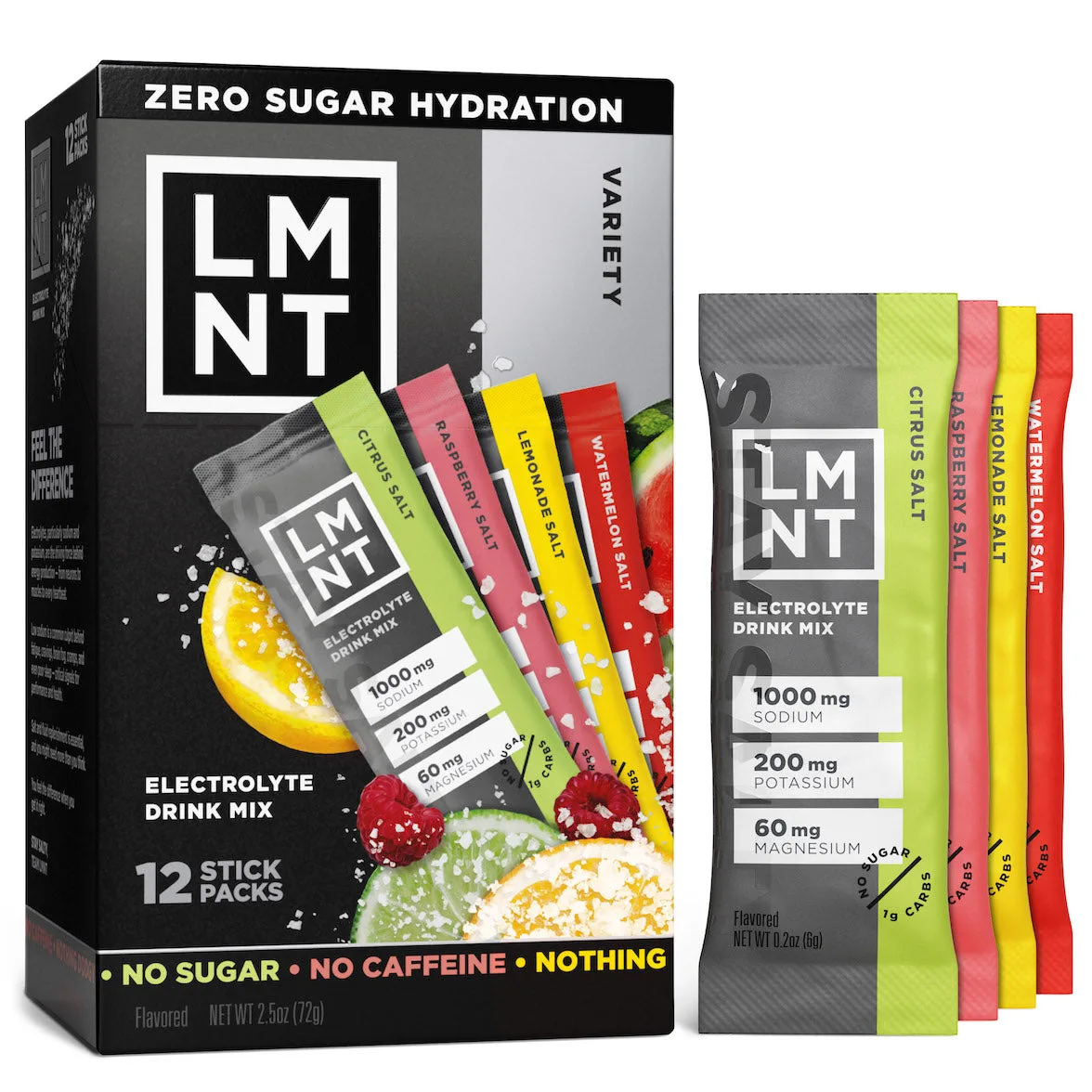
Electrolyte supplements come in various forms: powders, tablets, and ready-to-drink beverages. When choosing one, look for a balanced formula with sodium and potassium, and consider added carbohydrates if you need quick energy. For a versatile option, some athletes add electrolytes to their intra-workout drink or mix them with a pre-workout.
- For workouts lasting over 60 minutes.
- For high-intensity or endurance training.
- For hot and humid environments.
- For heavy sweaters who notice salt stains on clothing.
Practical Tips for Staying Hydrated
Hydration isn't just about chugging water. It's about maintaining the right balance of water and electrolytes. Start your workout well-hydrated, and sip fluids throughout your session. Don't wait until you're thirsty—thirst is a late signal of dehydration.
After your workout, rehydrate with water and electrolytes. You can also eat electrolyte-rich foods like coconut water, oranges, or a light snack with salt. If you're using a pre-workout like Mr. HYDE Max Pump, note that some contain electrolytes, but you may still need extra during long sessions.
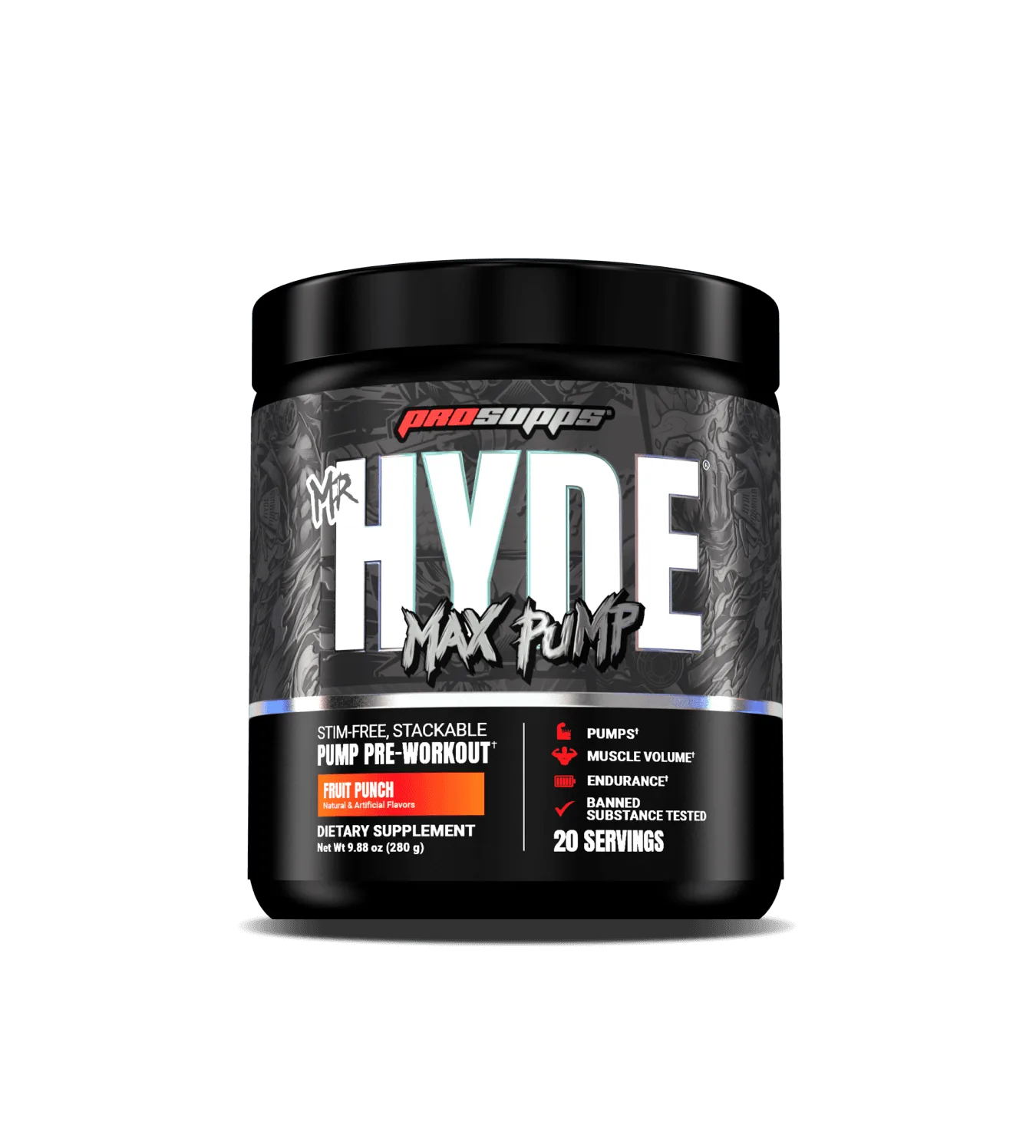
Mr. HYDE Max Pump
- Drink 16-20 ounces of water 2-3 hours before exercise.
- During exercise, aim for 7-10 ounces every 10-20 minutes.
- Post-workout, drink 24 ounces for every pound lost during exercise.
- Monitor urine color: pale yellow indicates good hydration.
Combining Electrolytes with Your Supplement Stack
Electrolytes work well alongside other supplements. For example, taking creatine monohydrate can increase water retention in muscles, which may increase your electrolyte needs. Pairing electrolytes with creatine can help maintain hydration and optimize muscle function.
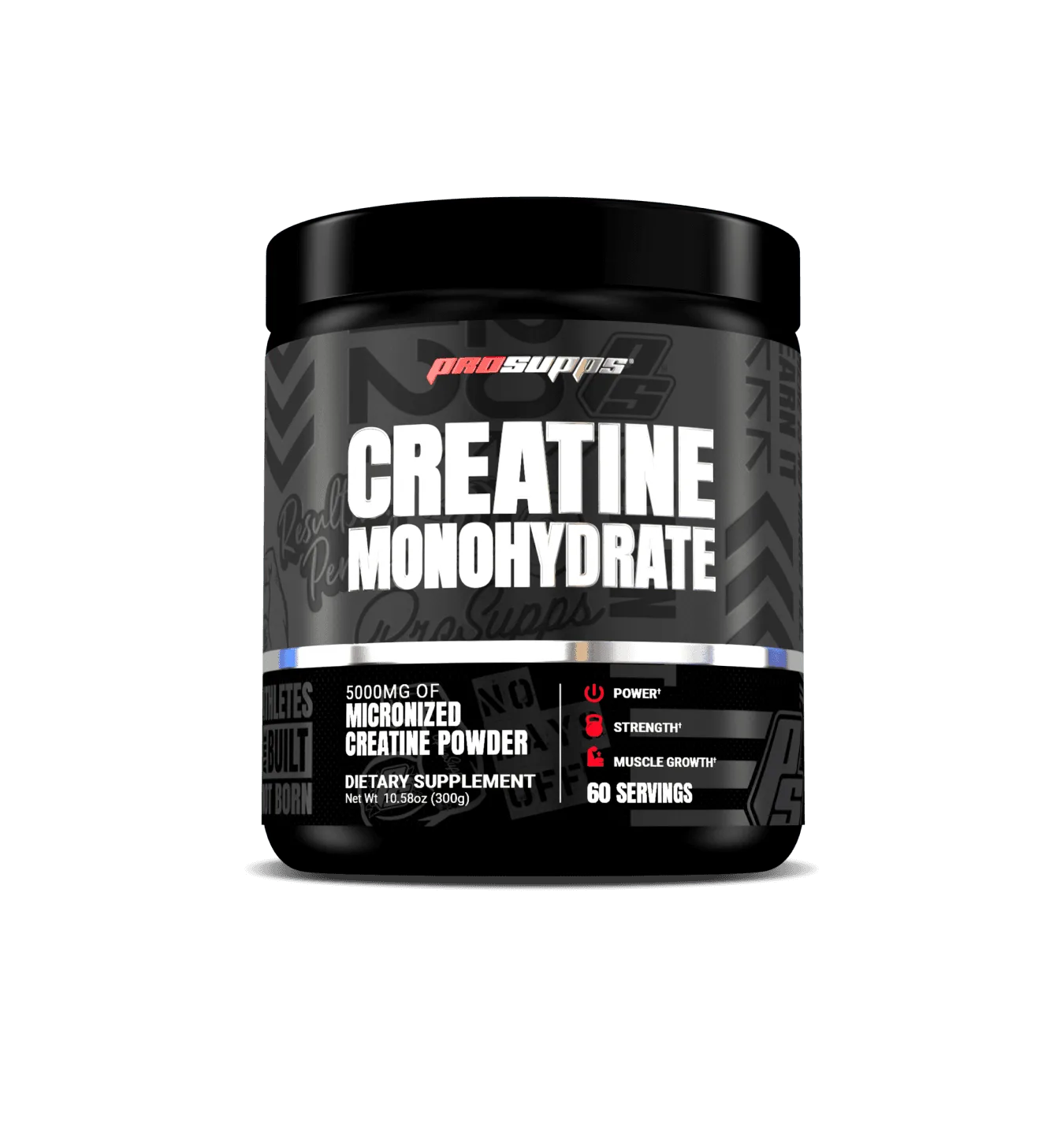
creatine monohydrate
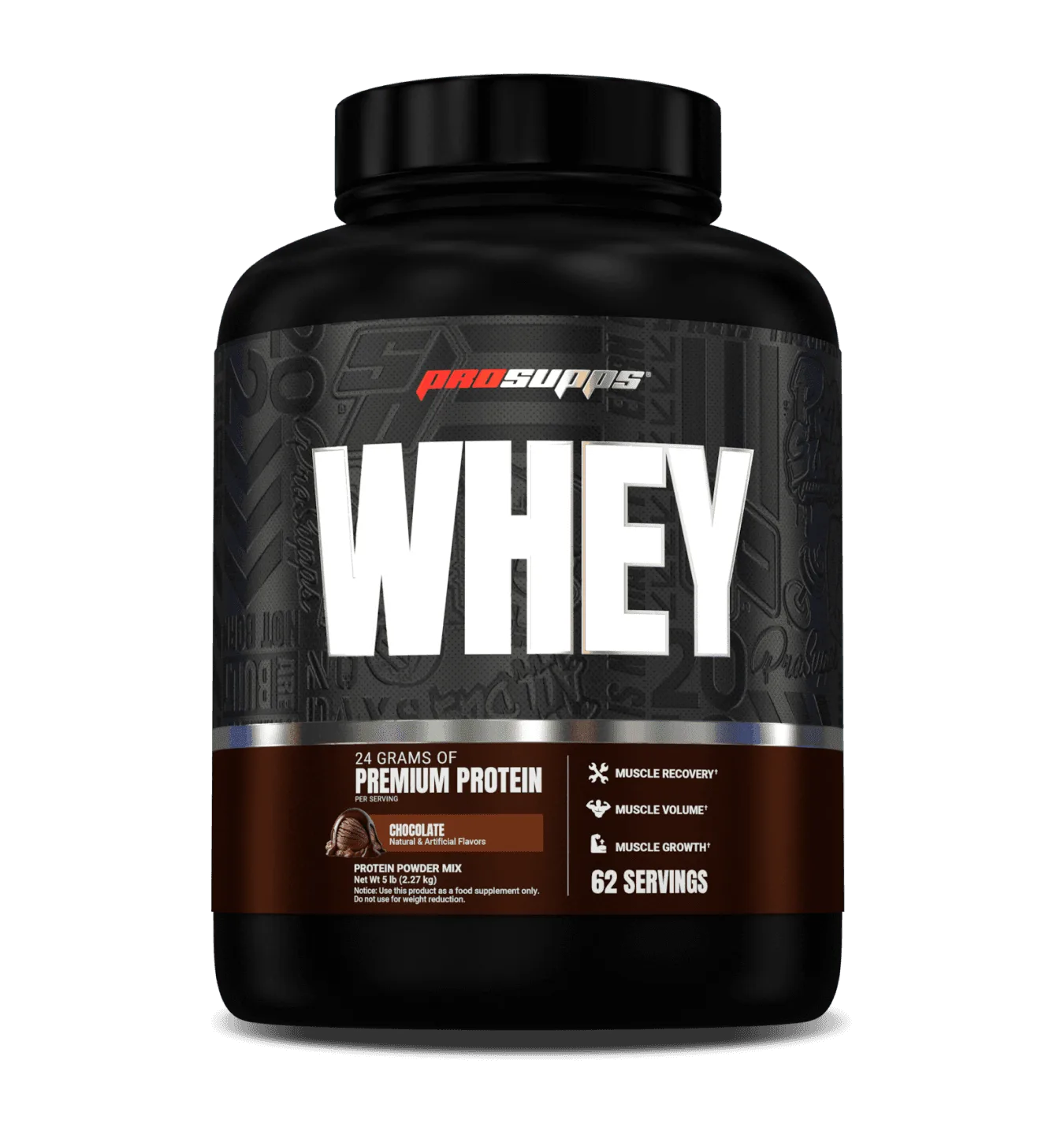
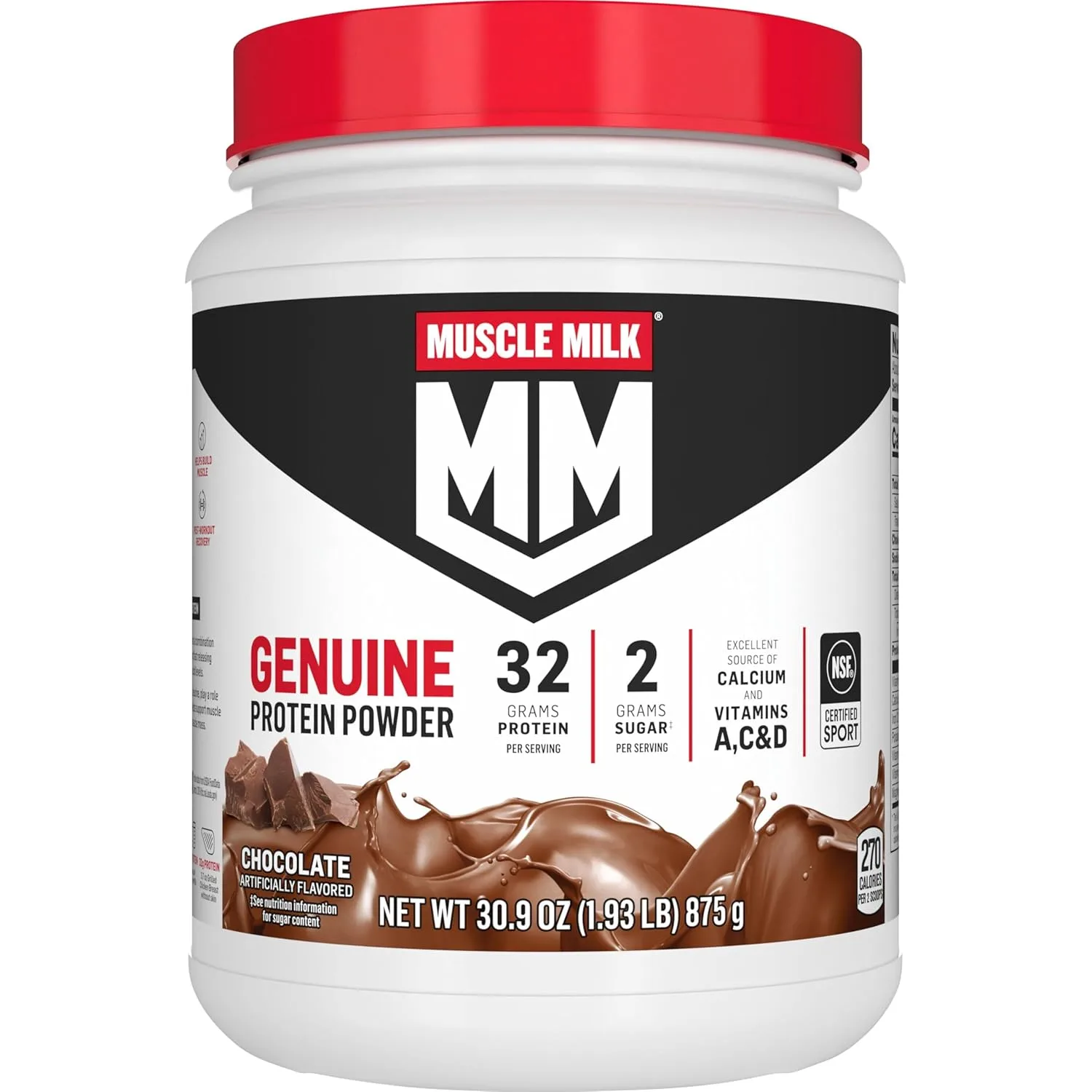
If you're using a pre-workout like Mr. HYDE Max Pump, adding an electrolyte drink can help sustain energy and prevent the 'crash' that sometimes follows high-stimulant products. For recovery, consider a protein shake with added electrolytes, like Whey Protein, to support muscle repair and rehydration.
- Mix electrolytes with your intra-workout drink for steady hydration.
- Add electrolytes to your post-workout protein shake for dual benefits.
- Use electrolytes on rest days if you're in a hot climate or sweat a lot.
Electrolytes are a small but mighty piece of the performance puzzle. By understanding their role and staying on top of your hydration, you can train harder, recover faster, and feel better. Whether you're a seasoned athlete or just starting, consider adding an electrolyte supplement to your routine—especially on intense training days. Check out options like Mr. HYDE Max Pump to see how you can support your performance.