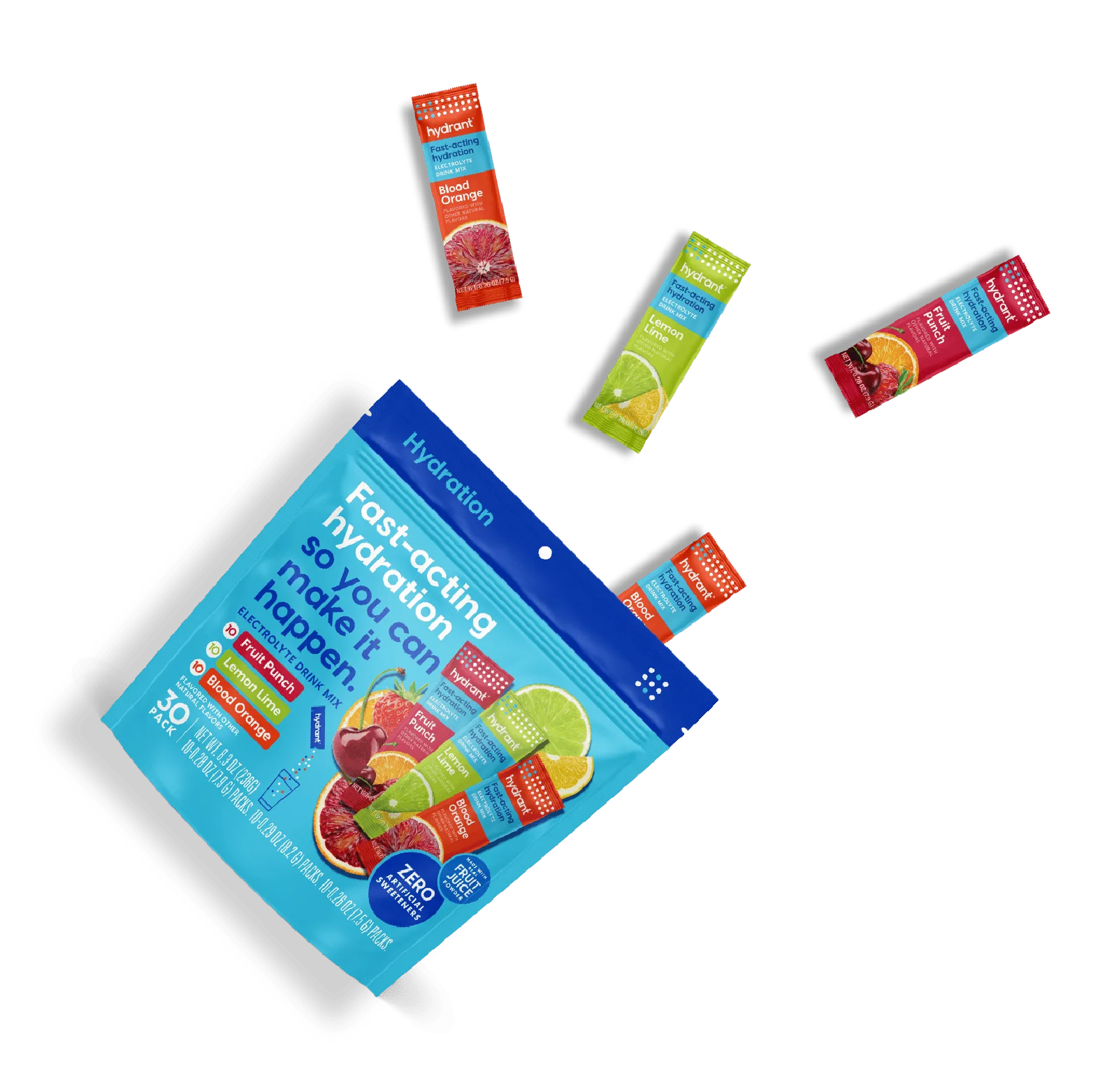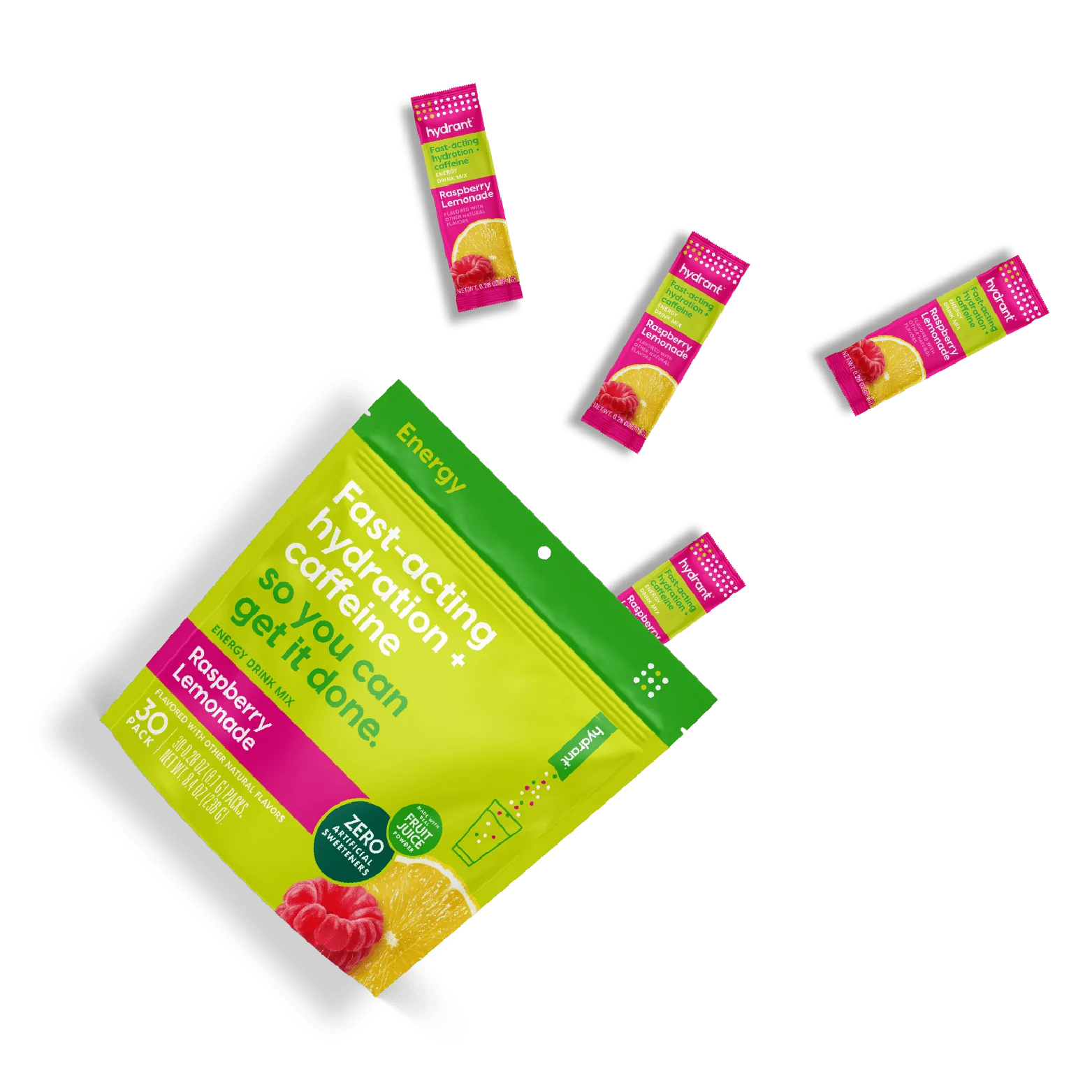
Walk into any grocery store or gym and you'll see two popular hydration options side by side: colorful electrolyte packets and natural coconut water. Both promise to replenish what you lose through sweat and daily activity, but they work in fundamentally different ways. Understanding the difference between coconut water vs electrolytes can help you choose the best hydration drink for your specific needs, whether you're recovering from a workout, fighting off a cold, or simply trying to stay energized throughout the day.
Coconut water has earned a reputation as nature's sports drink, thanks to its natural sugars and modest electrolyte content. Meanwhile, specially formulated electrolyte drinks like those from Hydrant deliver precise ratios of sodium, potassium, and magnesium without the added sugar. In this article, we'll break down the science behind both options, compare their pros and cons, and help you decide which one deserves a spot in your hydration routine.
What Are Electrolytes and Why Do You Need Them?
Electrolytes are minerals that carry an electric charge when dissolved in body fluids. The most important ones for hydration include sodium, potassium, calcium, magnesium, chloride, and phosphate. These tiny particles regulate nerve function, muscle contractions, pH balance, and fluid distribution throughout your body. When you sweat, exercise, or become dehydrated from illness or travel, you lose electrolytes that must be replaced to maintain optimal performance.
A proper electrolyte balance helps prevent muscle cramps, fatigue, headaches, and dizziness. While plain water can rehydrate you, it doesn't replenish the minerals your body loses. That's why athletes, outdoor workers, and anyone recovering from illness often turn to electrolyte-enhanced drinks. The key is finding a source that delivers the right balance without unnecessary additives.
- Sodium helps retain water and maintain fluid balance — the most critical electrolyte lost in sweat.
- Potassium supports muscle contractions and nerve signaling, working alongside sodium.
- Magnesium aids over 300 enzymatic reactions, including energy production and muscle relaxation.
Coconut Water: The Natural Hydrator
Coconut water is the clear liquid found inside young green coconuts. It has been consumed for centuries in tropical regions as a refreshing, natural beverage. One cup of unsweetened coconut water contains about 45-60 calories, 9-15 grams of natural sugars, and modest amounts of potassium (around 400-600 mg), sodium (20-50 mg), and magnesium (15-30 mg). Its potassium content is notably higher than most sports drinks, but its sodium level is far lower than what your body typically needs after heavy sweating.
The appeal of coconut water lies in its simplicity: it's a whole food with no artificial ingredients. However, the sugar content can add up quickly if you drink multiple servings, and the low sodium makes it less effective for replacing what you lose during intense exercise or in hot climates. Some people also find its taste slightly sweet or grassy, which may not appeal to everyone.
- Coconut water is a good source of potassium but low in sodium — ideal for light activity, not heavy sweat loss.
- Natural sugars in coconut water provide quick energy but may not be suitable for low-sugar diets.
- Choose raw or unsweetened varieties to avoid added sugars and preservatives.
Electrolyte Drinks: Formulated for Precision
Formulated electrolyte drinks like Hydrant's Hydrate are designed with science-backed ratios of sodium, potassium, and magnesium to match what your body loses through sweat. For example, a single serving of Hydrant's original blend provides 300-400 mg of sodium, 100-150 mg of potassium, and a touch of magnesium, along with just 1 gram of sugar. This low-sugar approach helps you rehydrate without spiking blood sugar or adding empty calories.
Beyond basic hydration, specialized blends target specific needs. Hydrant ENERGY combines hydration with jitter-free caffeine and L-theanine for a clean energy boost, while Hydrant SLEEP includes magnesium, GABA, and L-theanine to support restful sleep. These targeted formulations make electrolyte drinks more versatile than coconut water, allowing you to customize your hydration based on your activity or time of day.
- Electrolyte drinks offer precise sodium levels (300-400 mg per serving) to match sweat loss.
- Low sugar options like Hydrant contain only 1 gram of sugar, avoiding the crash from sugary drinks.
- Specialty blends add functional benefits like energy, immunity support, or sleep enhancement.
Coconut Water vs Electrolytes: Head-to-Head Comparison
To make an informed choice, it helps to see how these two options stack up across key factors. Below is a quick comparison table highlighting the main differences between coconut water and a typical low-sugar electrolyte drink.
This comparison shows that coconut water excels as a natural, minimally processed beverage, but it falls short in sodium content and sugar control. Electrolyte drinks like Hydrant are engineered to address specific hydration needs with precision, making them more effective for athletes, frequent travelers, and anyone managing dehydration from illness or heat.
- Sodium content: Electrolyte drinks (300-400 mg) far exceed coconut water (20-50 mg) — crucial for rehydration.
- Sugar per serving: Coconut water (9-15g) vs electrolyte drink (1g) — a major difference for sugar-conscious users.
- Calories: Coconut water (45-60 cal) vs electrolyte drink (5-15 cal) — lighter options support weight management.
- Potassium: Coconut water (400-600 mg) beats most electrolyte drinks (100-150 mg) — good for muscle function.
- Additional benefits: Electrolyte drinks can include caffeine, melatonin, or vitamin C; coconut water is a single-ingredient product.
When to Choose Coconut Water
Coconut water is an excellent choice for light daily hydration, such as after a gentle yoga session, a short walk, or as a refreshing mid-afternoon drink. Its natural potassium content supports muscle relaxation and can help prevent minor cramps. If you're someone who prefers whole foods and avoids processed supplements, coconut water offers a clean, recognizable ingredient list.
However, coconut water is not ideal for intense workouts lasting over an hour, hot weather conditions, or recovery from illness like diarrhea or vomiting. In those situations, the low sodium content simply can't replace what you've lost. Additionally, if you're watching your sugar intake for diabetes or weight management, coconut water's natural sugars may add up faster than you'd like.
- Best for: light activity, everyday hydration, potassium boost, whole-food preference.
- Avoid for: heavy sweating, endurance exercise, illness recovery, low-sugar diets.
When to Choose an Electrolyte Drink
Formulated electrolyte drinks shine when you need rapid, efficient rehydration. After a long run, a hot yoga class, or a day spent in the sun, your body craves sodium and fluids — not sugar. A product like Hydrant's Hydrate delivers the exact electrolyte profile your body needs to restore balance quickly. The low sugar content also means you avoid the energy crash that often follows sugary drinks.
Electrolyte drinks are also versatile for non-exercise situations. For example, Hydrant SLEEP can help you wind down after a stressful day by combining hydration with sleep-supporting ingredients like magnesium and L-theanine. Similarly, Hydrant IMMUNITY adds vitamin C and zinc to support your immune system during cold season. This flexibility makes electrolyte drinks a smarter choice for targeted wellness goals.
- Best for: intense exercise, hot weather, illness recovery, low-sugar needs, targeted benefits.
- Avoid for: occasional light thirst where plain water or coconut water suffices.
Tips for Choosing the Best Hydration Drink for You
Your choice between coconut water and electrolyte drinks ultimately depends on your lifestyle, activity level, and health goals. If you exercise moderately and want a natural option, coconut water can be a fine choice. But if you push your body hard, travel frequently, or need to manage specific health concerns like cramps or fatigue, a formulated electrolyte drink offers more reliable results.
Another factor is taste and convenience. Coconut water comes in cartons or bottles and must be refrigerated after opening. Electrolyte powder packets, like those from Hydrant, are portable, lightweight, and mix instantly with water — perfect for tossing in a gym bag, purse, or carry-on. You can also control the strength by adjusting the water amount, giving you flexibility.
- Consider your sweat rate: heavy sweaters need more sodium — choose electrolyte drinks.
- Check sugar content: if you avoid sugar, electrolyte drinks with 1g or less are ideal.
- Think about portability: powder packets are easier to carry than bulky coconut water cartons.
- Match to your activity: use coconut water for light days, electrolyte drinks for intense or long sessions.
Both coconut water and electrolyte drinks have their place in a healthy hydration routine, but for most active individuals, a low-sugar electrolyte drink like Hydrant's Hydrate offers superior precision and versatility. Whether you need rapid recovery after a workout, immune support during cold season, or a sleep-friendly evening drink, Hydrant's range of hydration packets can be tailored to your needs. Explore the full lineup to find your perfect match and experience the difference that science-backed hydration makes.