Quick Answer
Elevated dog bowls can improve posture and reduce strain for large or senior dogs, but traditional bowls are simpler, more portable, and often more stable for messy eaters. Choose elevated if your dog has mobility issues or is tall; otherwise, a quality traditional bowl like our ceramic Bowl offers durability and easy cleaning.
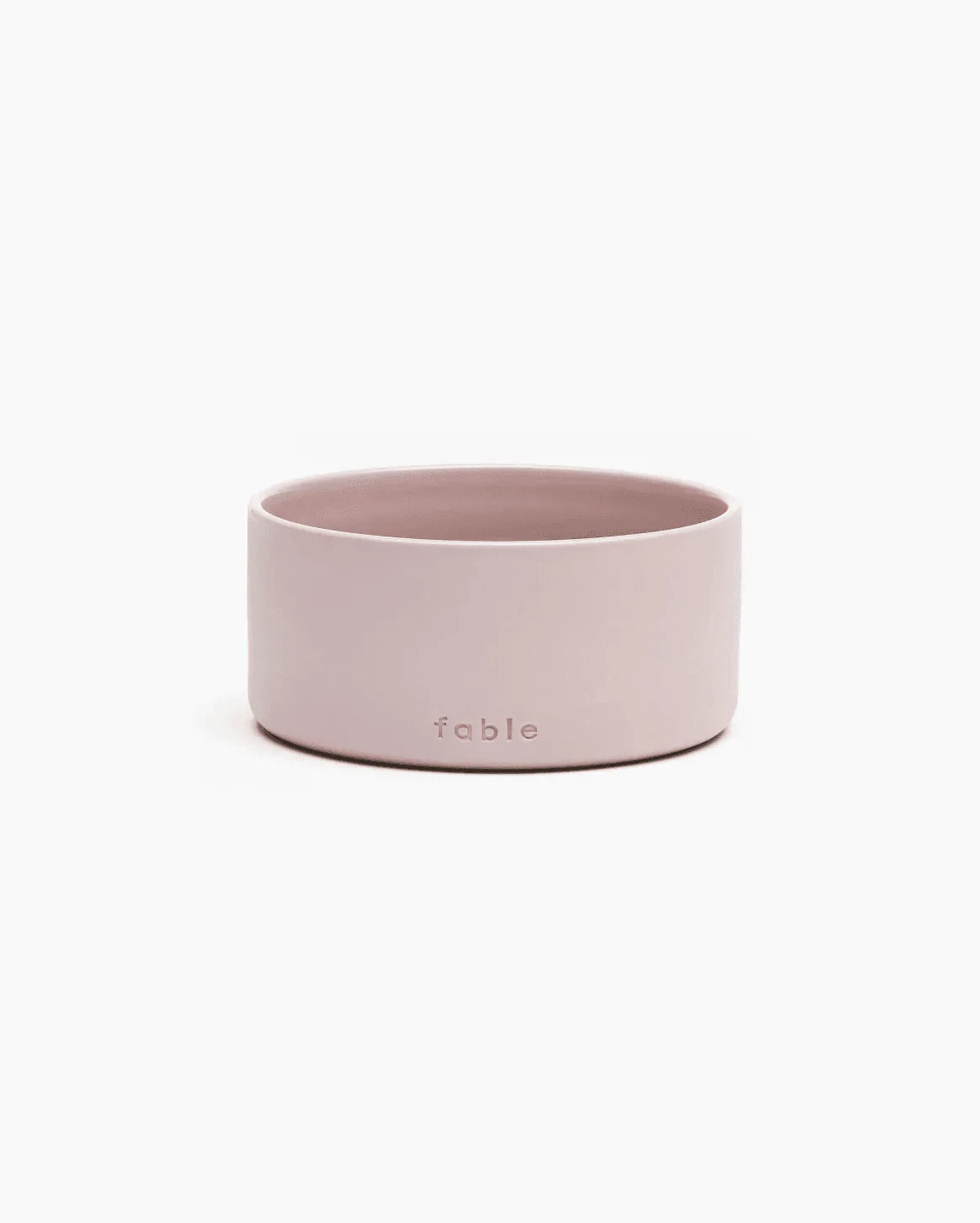
bowl
When setting up your dog's feeding station, one of the most common questions is whether to use an elevated dog bowl or stick with a traditional bowl on the floor. The answer isn't one-size-fits-all—it depends on your dog's size, age, health, and eating habits. In this comparison, we'll break down the benefits and trade-offs of each option so you can make an informed choice.
Elevated feeders have gained popularity for their potential ergonomic benefits, but they also come with drawbacks like tipping and higher cost. Traditional bowls, on the other hand, are time-tested and versatile. We'll look at the key factors—posture, digestion, safety, and convenience—to help you decide.
What Is an Elevated Dog Bowl?
An elevated dog bowl is a feeder that raises the bowl off the floor, typically on a stand or frame. This design aims to bring the bowl closer to your dog's mouth, reducing the need to bend down. Many elevated feeders are adjustable in height, allowing you to match the bowl to your dog's shoulder height.
The primary benefit is improved posture. By reducing strain on the neck and back, elevated bowls can be especially helpful for large breeds, senior dogs, or dogs with arthritis. Some owners also report that elevated bowls help with digestion, though research is mixed. However, elevated feeders are not without downsides—they can tip over if not weighted, and they may not be suitable for dogs that like to push their bowls around.
- Measure your dog's shoulder height to choose the right bowl height—the bowl should be roughly at chest level.
Traditional Bowls: The Classic Choice
Traditional bowls sit directly on the floor and come in a wide range of materials, including ceramic, stainless steel, and plastic. They are simple, affordable, and easy to replace. For most dogs, eating from a floor-level bowl is perfectly natural and does not cause any health issues.
One advantage of traditional bowls is stability. A heavy ceramic bowl, like the one from Fable Pets, has a weighted base that prevents tipping and sliding, making it ideal for messy eaters. Traditional bowls are also easier to use with travel or multi-pet households, as they require no assembly and can be placed anywhere.
- If your dog eats too fast, consider using a slow feeder bowl, but that's a separate comparison.
Key Differences: Height, Stability, and Health
The most obvious difference is height. Elevated bowls reduce the distance your dog's head travels to reach food, which can be a relief for dogs with neck or back issues. However, for healthy dogs, this benefit may be minimal. Some studies suggest that elevated bowls may increase the risk of bloat (gastric dilation-volvulus) in large breeds, though the evidence is not conclusive. It's important to weigh this potential risk against the comfort benefits.
Stability is another factor. Traditional bowls with weighted bases, like our ceramic Bowl, are less likely to tip over. Elevated feeders, especially lightweight ones, can be knocked over by enthusiastic eaters. If you choose an elevated feeder, look for a sturdy, wide base. Also consider the material: ceramic and stainless steel are easier to clean and more hygienic than plastic, which can harbor bacteria.
- For dogs that are prone to bloat, consult your vet before switching to an elevated feeder.
Trade-Offs at a Glance
- Posture vs. Portability: Elevated bowls improve posture but are bulkier and harder to travel with. Traditional bowls are portable but require your dog to bend down. If you travel often, a traditional bowl is more practical; if your dog has mobility issues, elevated is worth the bulk.
- Stability vs. Height: Traditional bowls with weighted bases are stable but sit low. Elevated bowls offer height but may tip if not well-designed. Look for a weighted base or a wide stand to reduce tipping risk.
- Cost vs. Durability: Elevated feeders are often more expensive, while traditional bowls are cheaper and easier to replace. However, a high-quality ceramic bowl can last years. Invest in a durable traditional bowl if budget is a concern; elevated feeders are a bigger upfront investment.
Product Facts
- Bowl: Made from the highest quality ceramic, our bowl is fit for a human, but engineered for your pet. It features an antimicrobial glossy interior (for easy cleaning), a weighted base (for stability), and durable, food-safe construction. This traditional bowl offers stability and hygiene, making it a solid choice for dogs that tend to push or tip their bowls.
- Bed: Our signature memory foam dog bed features simple, minimalist lines and looks right at home with any décor. The exterior is durable, water- and stain-resistant, machine-washable, and UV-resistant. While not a bowl, this bed pairs well with an elevated feeder for senior dogs, providing joint support and comfort during meal times.
How to Choose
Best For
- Large breed dogs that have to bend significantly to reach floor bowls.
- Senior dogs or dogs with arthritis, neck, or back issues that benefit from reduced strain.
Not For
- Puppies or small dogs that are still growing and may not need extra height.
- Dogs that are aggressive eaters and may knock over a raised feeder.
Ultimately, the choice between an elevated dog bowl and a traditional bowl comes down to your dog's specific needs. If your dog is large, senior, or has mobility issues, an elevated feeder may improve comfort. For most other dogs, a sturdy traditional bowl like our ceramic Bowl offers simplicity, stability, and easy cleaning. Consider your dog's habits and any health concerns, and when in doubt, consult your veterinarian.