Quick answer
Choose an elevated garden bed if you want to avoid bending and kneeling, control your soil, or grow on a patio or balcony. Choose in-ground planting if you have healthy native soil, unlimited root space, and don't mind working at ground level. For most small-space gardeners, elevated beds win on comfort and control.
Access and comfort
The biggest difference between elevated and in-ground beds is how you interact with them. In-ground beds require bending, kneeling, or squatting for planting, weeding, and harvesting. Elevated beds bring the growing surface up to you, so you can garden standing up. If you have back, knee, or hip issues, this alone often decides the choice. Tall raised garden bed benefits include less strain and easier daily care, which means you're more likely to keep up with watering and pruning.
Soil control and drainage
In-ground planting uses your existing soil, which may be compacted, rocky, or low in nutrients. You can amend it, but it takes time and repeated effort. Elevated beds let you fill with a custom mix, so you know exactly what your plants are growing in. You also get better drainage control, which helps in wet climates. The trade-off is that you must buy soil to fill the bed, and larger beds need more of it. Modular raised bed sizes let you match the bed to your soil budget.
Space and placement
In-ground beds need a patch of yard with decent sun and workable soil. If you rent, have a balcony, or have a patio, in-ground may not be an option. Elevated beds can go on hard surfaces, which opens up patios, decks, and small courtyards. They also let you garden closer to the house for easier access to water and tools. Small space garden beds like slim elevated models fit where a traditional in-ground plot won't.
Cost and long-term effort
In-ground beds usually cost less upfront because you're using existing soil. But you may spend more on amendments and weed control over time. Elevated beds cost more initially due to the structure and soil fill, but they reduce weeding and let you control the growing environment. If you plan to stay in one place and have good soil, in-ground can be economical. If you want a cleaner, more controlled setup, elevated beds pay off in convenience.
Trade-offs at a glance
- Comfort vs. cost: Elevated beds reduce bending and kneeling but cost more upfront for the structure and soil fill. In-ground beds are cheaper to start but require more physical effort. If comfort is a priority, elevated wins; if budget is tight and you don't mind bending, in-ground is fine.
- Soil control vs. native soil: Elevated beds let you choose your soil mix and improve drainage, while in-ground relies on existing soil that may need amendments. Choose elevated for predictable results; choose in-ground if your soil is already good.
- Space flexibility vs. unlimited root room: Elevated beds fit patios and balconies but limit root space for large plants. In-ground gives unlimited root space but requires a yard with suitable soil. For small spaces or hard surfaces, elevated is the practical choice; for large crops in good ground, in-ground may be better.
Elevated options that fit different spaces
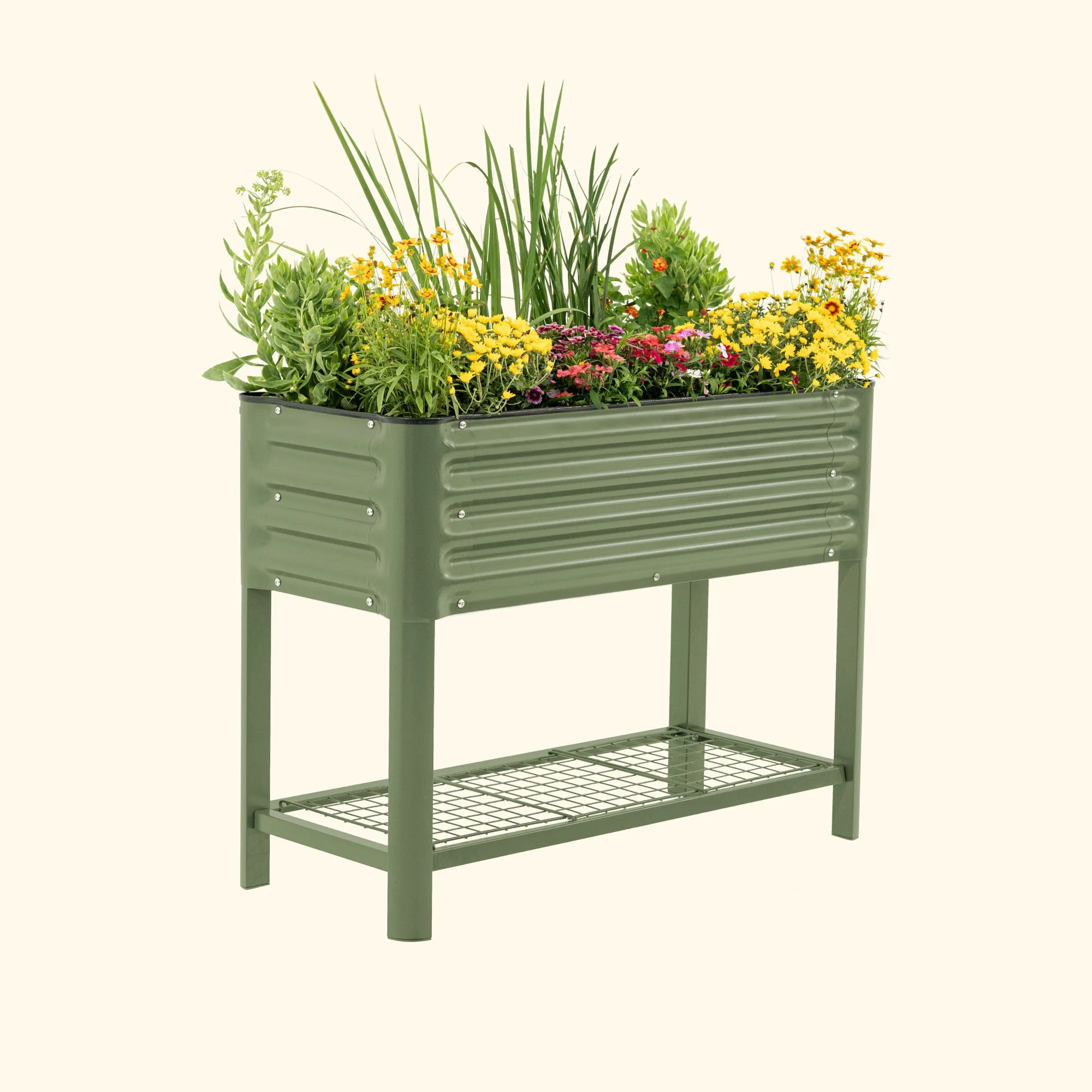
- Elevated Garden Bed - Slim Series 1.5' x 3.5': Elevated Garden Bed - Slim Series 1.5' x 3.5' is 1.5 ft wide, compact enough for balconies and patios, with standing-height access and optimized depth to use less soil. Ideal for small-space gardeners who want to avoid bending and don't want to buy excessive soil.
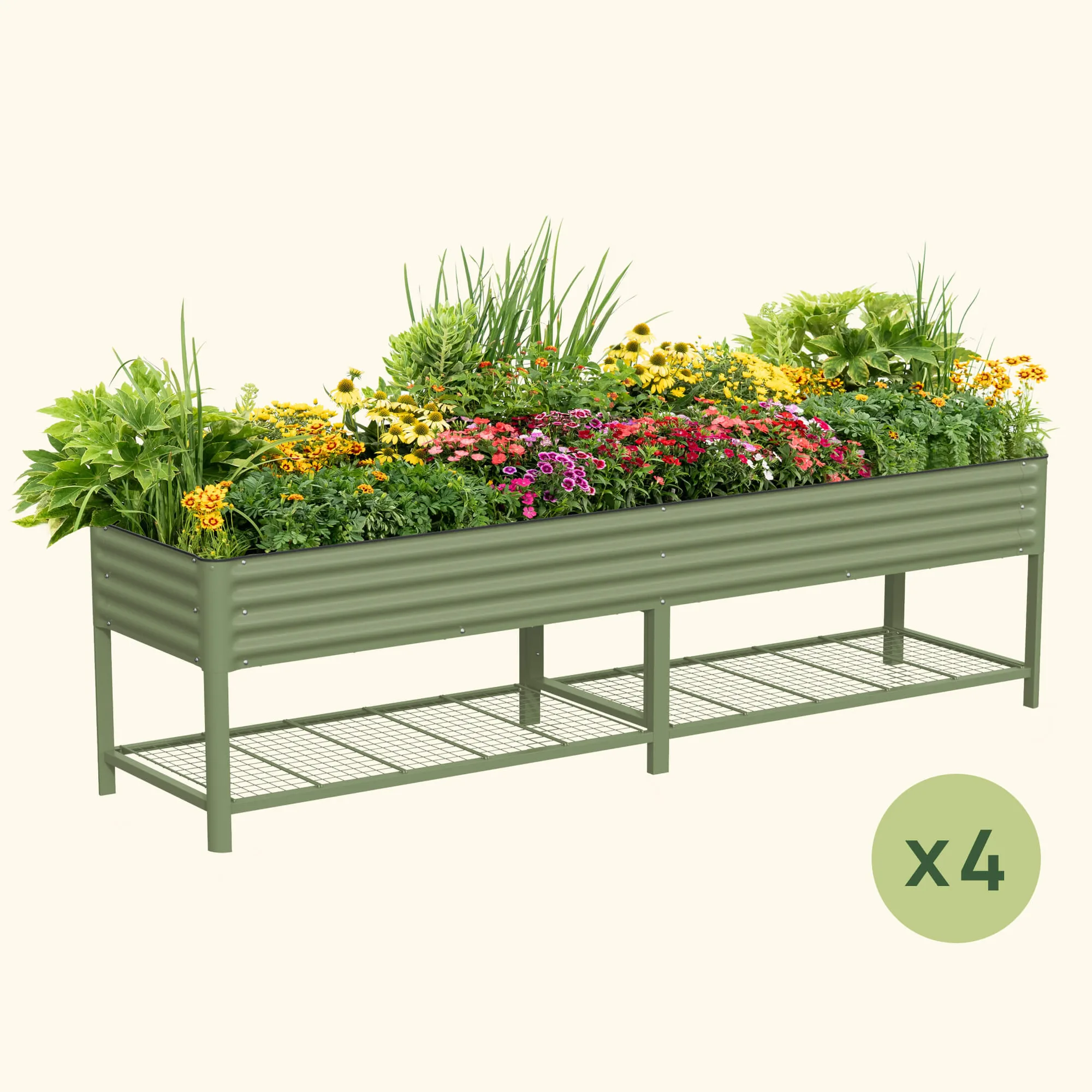
- 4-Pack Elevated Garden Bed - Jumbo Series 2.5' × 10': 4-Pack Elevated Garden Bed - Jumbo Series 2.5' × 10' is the largest elevated bed available, built at standing height with reinforced steel. Suits gardeners who want to grow a large amount in elevated beds without sacrificing access or durability.
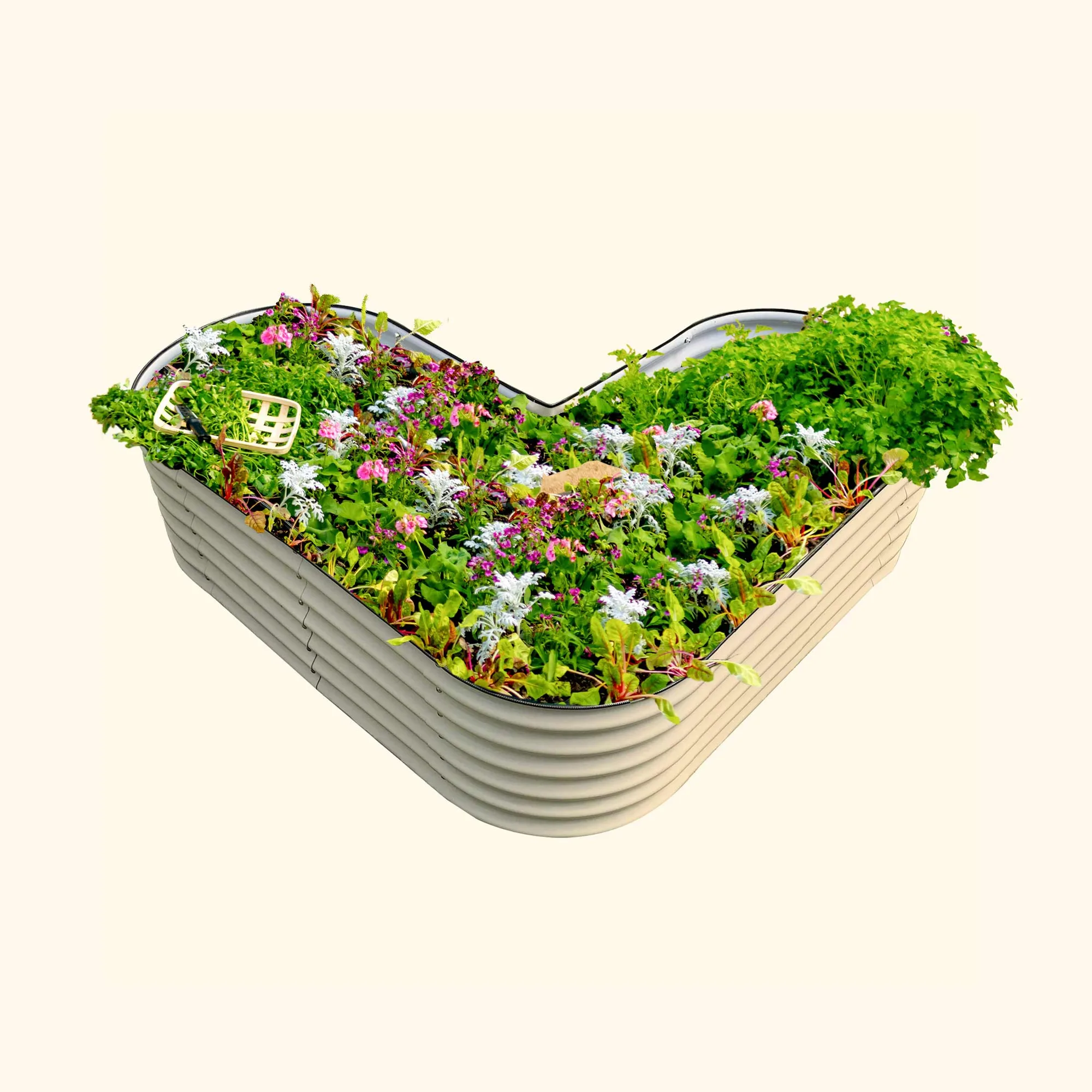
- 17" Tall L-Shaped Raised Garden Bed Kit - Standard Size: 17" Tall L-Shaped Raised Garden Bed Kit - Standard Size offers an L-shaped design for corners, giving access to more growing space. Good for maximizing planting area in a corner of a patio or yard while keeping the bed at a comfortable height.
Which should you choose?
Best for
- Gardeners with back, knee, or hip issues who want to avoid bending
- Renters or homeowners with patios, balconies, or hard surfaces
- Anyone who wants full control over soil quality and drainage
Not for
- Gardeners with a large yard and excellent native soil who want to minimize upfront costs
- Those growing large, deep-rooted crops that need unlimited root space
- People who prefer the natural look of an in-ground garden and don't mind kneeling