Why storage and rotation matter for your 4 week kit
Your Emergency Food Supply 4 Week Kit is designed to provide 2,000+ calories a day for one person for four weeks, with 250 servings and a shelf life of up to 25 years when stored properly. But even the best emergency food storage depends on how you keep it. Heat, light, and moisture can shorten that shelf life, so a little planning now protects your investment later.
Rotation isn't about eating your kit every week—it's about knowing what you have, using the oldest items first if you ever dip into it, and keeping the whole kit in conditions that match the manufacturer's recommendations.
What the kit gives you to work with
-
Emergency Food Supply 4 Week Kit: Shelf life of up to 25 years* This long window only holds if you store the kit as directed; poor conditions can cut it short.
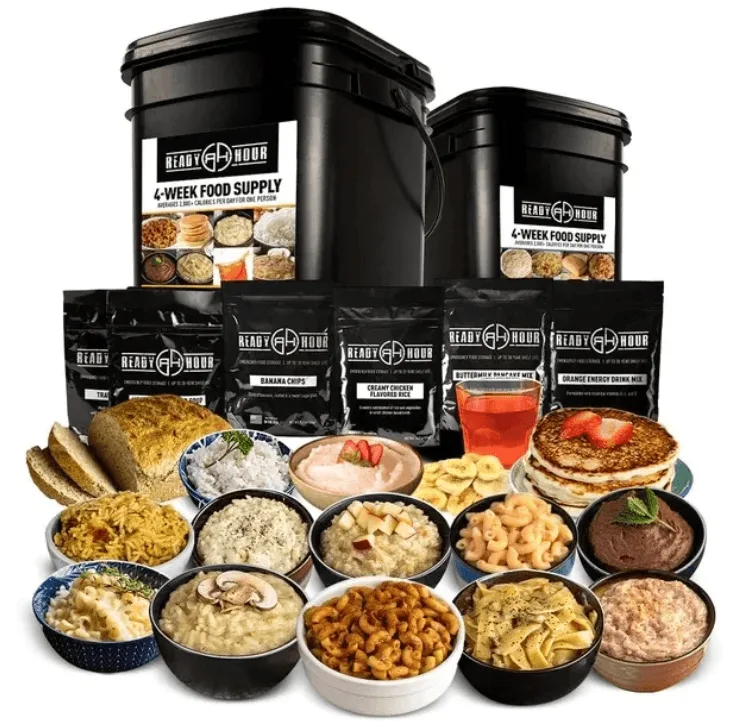
Emergency Food Supply 4 Week Kit
-
Emergency Food Supply 4 Week Kit: 2,000+ calories a day for 1 person for 4 weeks Knowing the daily calorie target helps you plan whether the kit is your sole food source or a supplement.
-
Emergency Food Supply 4 Week Kit: 250 servings of hearty meals The serving count lets you track usage if you rotate items out over time.
-
Emergency Food Supply 4 Week Kit: Approximately 9.8 gallons of water are needed to prepare the entire kit, which contains 31.38 pounds of food. Water is part of your storage plan—store enough to actually use the kit when you need it.
How to store your kit for the long haul
Follow these steps to create the best storage conditions for your Emergency Food Supply 4 Week Kit.
- Pick a cool, dark location: Store the kit in a dark, cool place with temperatures ranging from 55°F to 70°F. A closet, basement, or interior pantry works well as long as it stays within that range.
- Keep it away from heat sources: Long-term heat can cause premature product expiration. Avoid areas near furnaces, water heaters, ovens, or sunny windows.
- Control moisture: While the kit is sealed, moisture can still degrade packaging over time. Keep it off damp floors and away from leak-prone areas.
- Leave it sealed until needed: The kit is designed for long-term storage. Opening it unnecessarily exposes the contents to air and moisture.
- Label and date the kit: Write the purchase date on the box. This helps you track age and plan rotation if you ever replace items.
Rotation: a simple habit that keeps your kit ready
Rotation doesn't mean constantly eating from your emergency kit. Instead, think of it as a periodic check. Every six months, inspect the kit's outer packaging for damage, verify the storage area still meets the temperature guidelines, and confirm your water supply is adequate.
If you ever use part of the kit—for a camping trip or a short-term emergency—replace those items promptly with equivalent foods. The manufacturer notes that based on inventory levels, Ready Hour may substitute a food and/or drink product with like items of equal or greater value to expedite delivery, so exact matches aren't guaranteed, but you can maintain the overall calorie and serving count.
Water planning: don't overlook this step
The kit requires water to prepare. Approximately 9.8 gallons are needed for the entire kit, so store at least that much potable water separately. Rotate your water supply according to its own shelf life, and consider a water filter as a backup.
- Store water separately: Keep water in food-grade containers away from the food kit to avoid accidental leakage.
- Plan for the full kit: 9.8 gallons covers all 250 servings; if you only use part of the kit, adjust water needs accordingly.
What to do when the power goes out or a disaster strikes
If you need to use the kit, move it to a safe location and follow the preparation instructions on each pouch. All foods and drinks are easy to prepare—just add water and follow the cooking directions, if any. Remember that servings are based on 4-inch pancakes for the buttermilk pancake mix, so adjust portions if you make them larger or smaller.
After using any part of the kit, reseal remaining items in airtight containers if possible, and note what you've used so you can restock.
A note on shelf life and substitutions
The 25-year shelf life is an estimate under optimal storage conditions. Actual shelf life can vary, so always check the date on individual pouches. Also, because Ready Hour may substitute items, the exact contents of your kit might differ slightly from the list, but the overall calorie count and serving number should remain consistent.